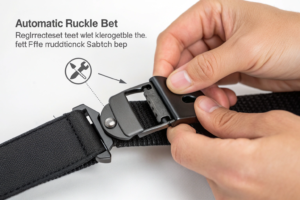
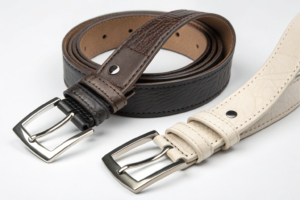
The leather industry faces increasing scrutiny regarding both environmental sustainability and ethical production practices. While traditional leather sourcing primarily focused on maximizing material yield from each hide, ethical sourcing introduces complex considerations that extend far beyond simple square footage calculations. Understanding what determines leather yield within ethical frameworks requires examining the entire lifecycle from animal welfare to manufacturing processes.
Leather yield in ethical sourcing is determined by animal welfare standards, traceability systems, sustainable farming practices, responsible tannery operations, and pattern efficiency that prioritizes material optimization over volume. Ethical yield calculations incorporate both quantitative measurements and qualitative factors that reflect comprehensive environmental and social responsibility.
The concept of yield transforms significantly when viewed through an ethical lens, expanding from simple material efficiency to encompass broader values including animal welfare, environmental impact, and social responsibility. This comprehensive approach ultimately produces different yield outcomes than conventional leather sourcing.
How Do Animal Welfare Practices Impact Leather Quality and Yield?
Animal welfare represents the foundational element of ethical leather sourcing, with direct implications for both the quality and quantity of leather obtained from each hide. Stress-free living conditions, proper nutrition, and humane treatment significantly influence hide quality long before processing begins.
The relationship between animal welfare and leather yield operates through multiple mechanisms that affect both the usable area and the quality consistency of each hide. These factors ultimately determine how much premium leather can be obtained for manufacturing high-quality belts and accessories.

What specific welfare factors determine hide quality?
Several animal welfare elements directly impact leather yield and quality:
- Stress reduction minimizing fighting injuries and skin damage that create scars and defects
- Proper nutrition ensuring consistent hide thickness and structural integrity
- Parasite control preventing insect bites and skin conditions that compromise hide quality
- Shelter management protecting animals from environmental elements that cause skin damage
- Handling techniques using low-stress methods that prevent bruises and injuries during transport
According to research by the Leather Working Group, hides from stress-free animals typically yield 15-25% more usable leather compared to those from conventionally raised animals due to significantly fewer defects and more consistent quality. This improved yield directly impacts both economic and ethical calculations.
How does traceability verify welfare claims?
Comprehensive traceability systems provide yield verification:
- Individual animal identification tracking specific hides through the supply chain
- Welfare certification documentation from organizations like Animal Welfare Approved
- Farm audit records verifying compliance with ethical standards
- Veterinary care documentation ensuring proper health management
- Transportation records confirming humane handling during movement
These systems allow brands to make verified ethical claims while ensuring the leather they source meets both quality and welfare standards. The documentation process itself becomes part of the ethical yield calculation, adding value beyond simple square footage measurements.
What Environmental Practices Affect Usable Leather Yield?
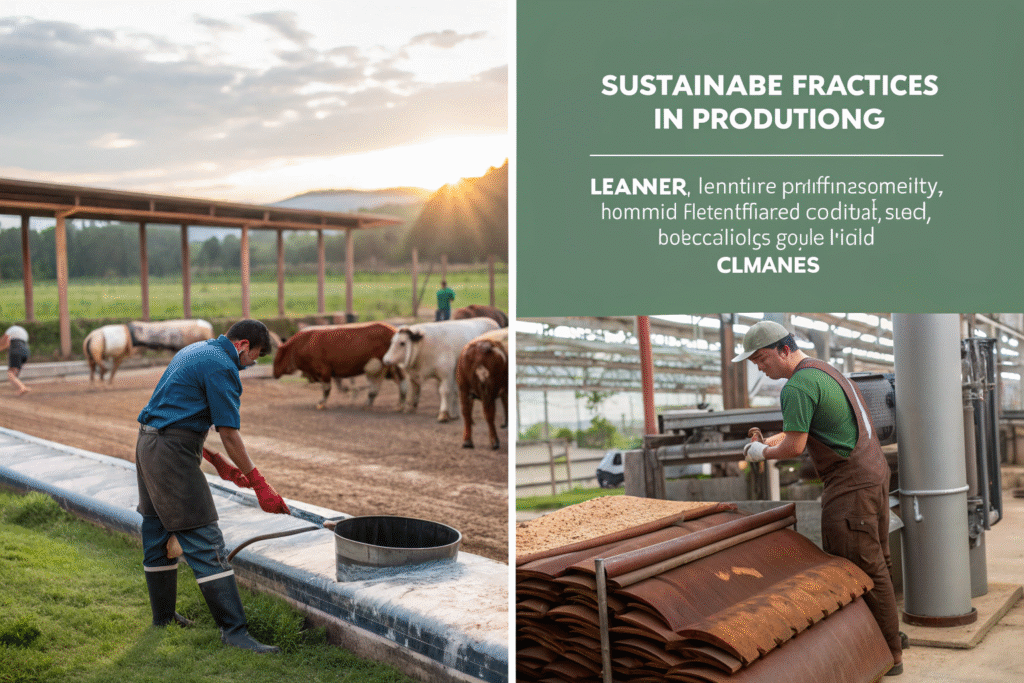
Environmental management throughout the leather production process significantly influences both the quantity and quality of leather yield. Sustainable practices from farming through tanning not only reduce ecological impact but also preserve hide integrity and increase usable material.
The relationship between environmental responsibility and leather yield demonstrates how ethical practices often align with efficiency objectives, creating synergies that benefit both producers and the environment.
How do farming methods impact subsequent leather yield?
Sustainable farming practices contribute to improved leather yield:
- Regenerative agriculture building healthy soil that supports animal health and hide quality
- Integrated pest management reducing chemical treatments that can damage hides
- Water conservation ensuring adequate clean water for healthy skin development
- Biodiversity preservation creating balanced ecosystems that support animal welfare
- Non-GMO feed preventing potential skin sensitivities and quality issues
These practices typically result in healthier animals with superior hides, directly translating to higher leather yields with fewer defects. The holistic approach of regenerative agriculture often produces leather with more consistent grain and fewer processing challenges.
What tannery operations maximize ethical yield?
Environmentally responsible tanning preserves hide quality:
- Water recycling systems maintaining consistent processing conditions that optimize yield
- Non-toxic tanning agents like vegetable tannins that preserve hide integrity
- Energy efficiency preventing heat damage that can reduce usable area
- Waste minimization through better process control and material handling
- Chemical management using precisely calibrated applications that don't compromise leather quality
According to Sustainable Leather Foundation audits, tanneries implementing comprehensive environmental management systems typically achieve 8-12% higher leather yields compared to conventional operations due to reduced processing damage and better quality control throughout production.
How Does Manufacturing Efficiency Contribute to Ethical Yield?
The transformation of raw hides into finished leather represents a critical phase where ethical considerations intersect with technical efficiency. Manufacturing processes that prioritize material optimization, worker welfare, and environmental responsibility typically achieve superior yields while aligning with ethical sourcing principles.
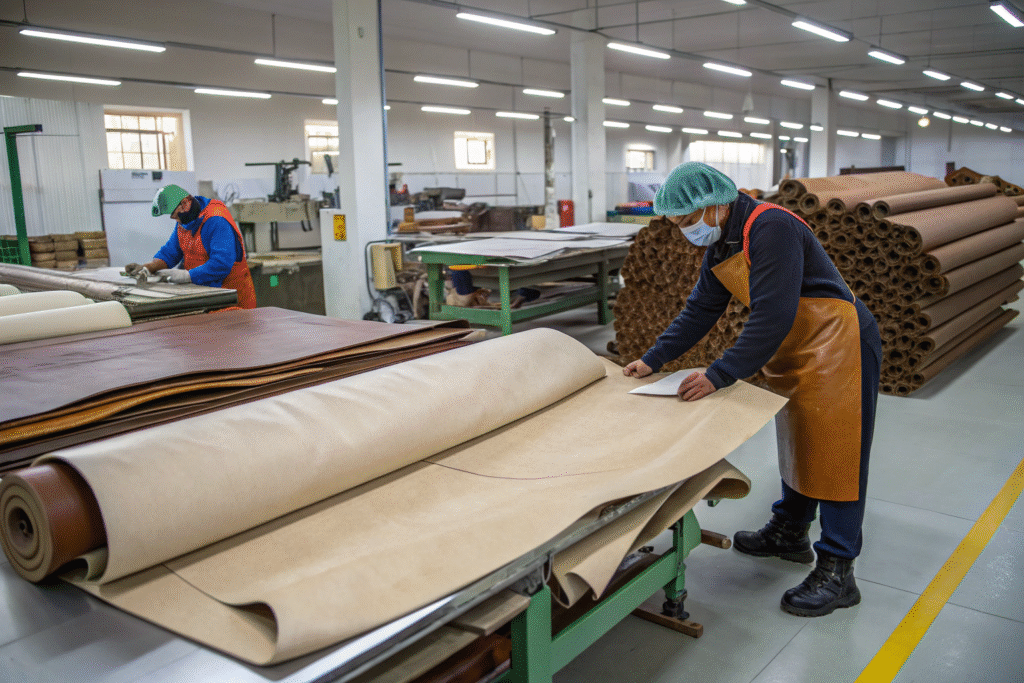
The cutting room represents a particularly important area where ethical yield is determined through pattern efficiency, worker training, and technology implementation that maximizes usable leather while minimizing waste.
What cutting technologies maximize ethical yield?
Advanced manufacturing approaches improve material utilization:
- Nesting software that optimizes pattern placement to minimize waste
- Laser-guided cutting ensuring precise execution of optimized patterns
- Hide scanning technology identifying optimal cutting areas based on individual hide characteristics
- Digital pattern libraries with graded sizes that maximize hide coverage
- Real-time yield tracking allowing immediate adjustments to improve efficiency
These technologies typically increase material utilization rates by 15-30% compared to manual cutting methods, directly contributing to ethical yield by reducing waste while producing more products from the same raw materials. The most advanced systems can achieve utilization rates exceeding 85% for high-quality hides.
How do worker conditions impact cutting efficiency?
Ethical manufacturing includes proper worker treatment:
- Adequate training ensuring workers have skills to maximize yield
- Ergonomic workstations reducing fatigue-related errors that waste material
- Fair compensation creating motivation for careful work and attention to detail
- Safe working conditions preventing accidents that damage materials
- Continuous improvement culture encouraging yield optimization suggestions
These factors contribute to what might be termed "human yield" – the additional value created through engaged, well-treated workers who take pride in maximizing material efficiency. Factories with strong worker welfare programs typically demonstrate 10-15% higher yields than those with poor labor conditions.
What Certification Systems Validate Ethical Yield Claims?
Credible certification systems provide the verification necessary to substantiate ethical yield claims, creating transparency throughout the supply chain. These systems document both the quantitative yield measurements and the qualitative ethical practices that collectively define true ethical sourcing.
The most respected certifications address multiple aspects of leather production, from animal welfare through manufacturing, providing comprehensive assurance to brands and consumers seeking ethically sourced leather.
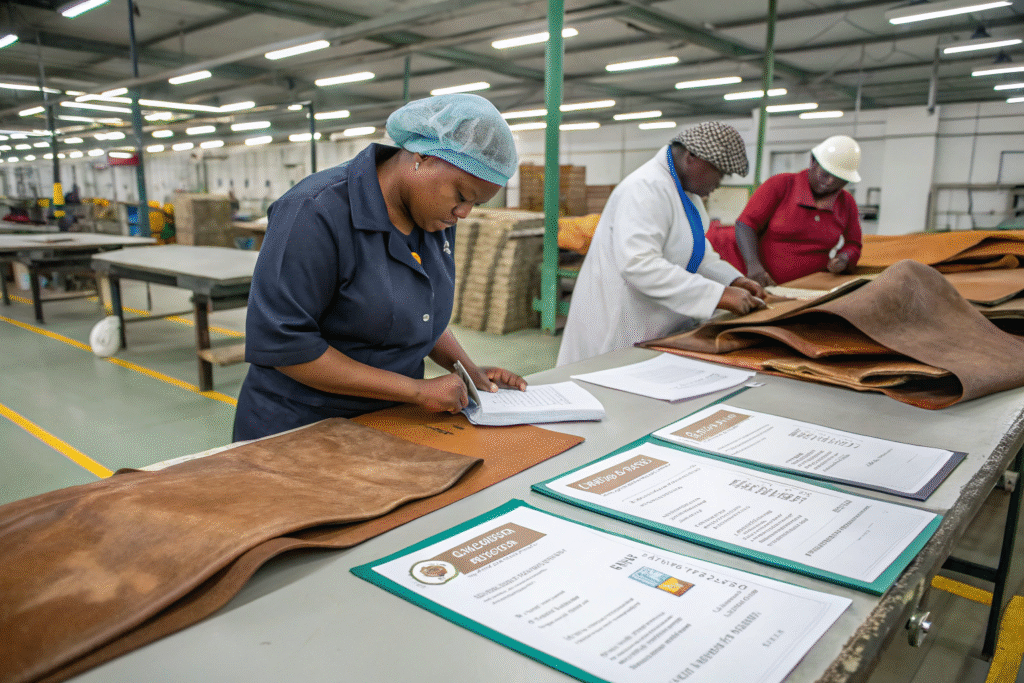
Which certifications address holistic ethical yield?
Comprehensive certification systems include:
- Leather Working Group certification focusing on environmental compliance and manufacturing excellence
- Organic Content Standard verifying organic material claims through the supply chain
- Global Organic Textile Standard covering ecological and social criteria for leather production
- Cradle to Cradle Certified assessing material health, product circularity, and social fairness
- Responsible Down Standard and similar animal-derived material certifications
These certifications provide third-party verification of both ethical practices and the resulting product quality, creating credible documentation for ethical yield claims. The audit processes typically include specific yield measurements and waste tracking.
How do traceability systems support yield verification?
Advanced traceability provides yield transparency:
- Blockchain documentation creating immutable records of hide quality and utilization
- Digital product passports containing comprehensive lifecycle information
- Batch tracking systems linking finished products to specific hides and processing lots
- Yield analytics comparing performance across different supply chain segments
- Real-time reporting allowing continuous improvement in yield optimization
These systems enable brands to make specific, verifiable claims about their leather sourcing ethics and efficiency. The data generated also helps identify opportunities for further yield improvement through targeted interventions in the supply chain.
Conclusion
Leather yield in ethical sourcing is determined by interconnected factors including animal welfare practices, environmental management, manufacturing efficiency, and verification systems. The ethical approach transforms yield from a simple measurement of material utilization into a comprehensive assessment that values animal welfare, environmental responsibility, and social equity alongside traditional efficiency metrics. Brands that embrace this holistic understanding of yield often discover that ethical practices frequently align with improved material outcomes, creating both moral and business cases for responsible leather sourcing.
If your brand is seeking to source leather with verified ethical yield characteristics, our factory maintains comprehensive certification and traceability systems that optimize both material efficiency and ethical standards. Contact our Business Director, Elaine, at elaine@fumaoclothing.com to discuss how we can help source leather that meets your ethical and quality requirements.