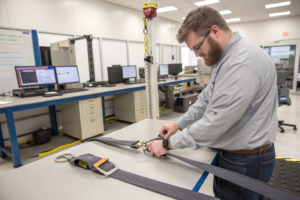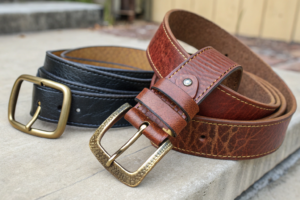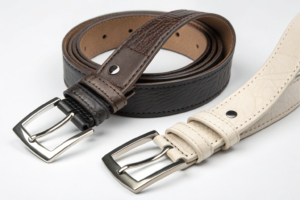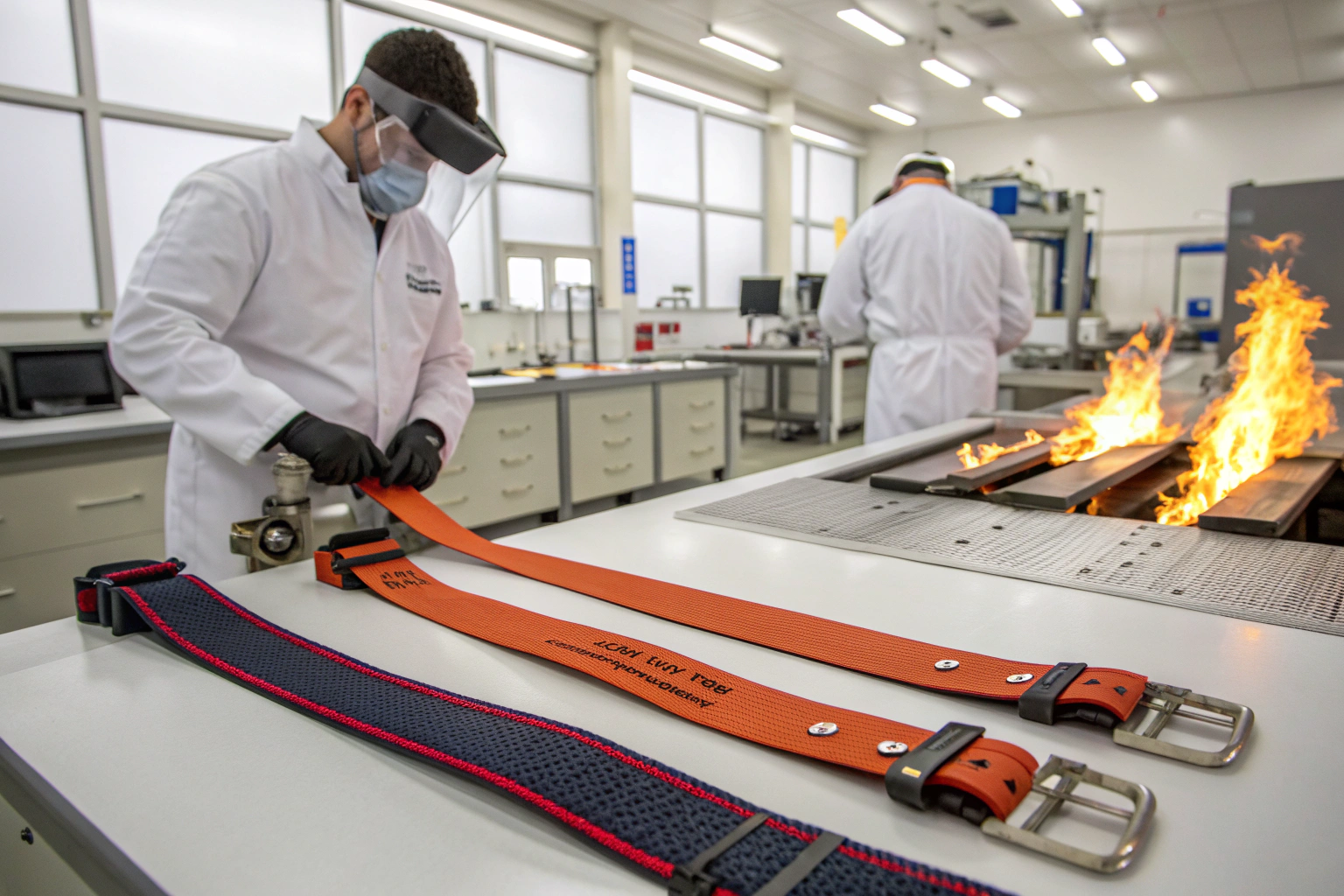
Workplace safety standards have evolved to encompass comprehensive protection, with flame-resistant apparel becoming essential in numerous industries. While much attention focuses on garments, belts as integral components of work ensembles must meet the same rigorous safety standards. Verifying flame resistance in workwear belts requires systematic testing, documentation review, and ongoing compliance monitoring to ensure worker protection in hazardous environments.
Verifying flame resistance in workwear belts involves conducting standardized flammability testing, reviewing material certifications, assessing construction integrity, and validating manufacturer compliance with relevant safety standards. Proper verification ensures belts provide genuine protection in environments with fire, electrical arc, or molten substance hazards.
The verification process extends beyond simple material assessment to encompass the complete product system, including hardware, stitching, and any additional components that could compromise flame resistance. Understanding the full spectrum of verification requirements is essential for safety managers and procurement specialists.
What Testing Standards Govern Flame Resistance Verification?
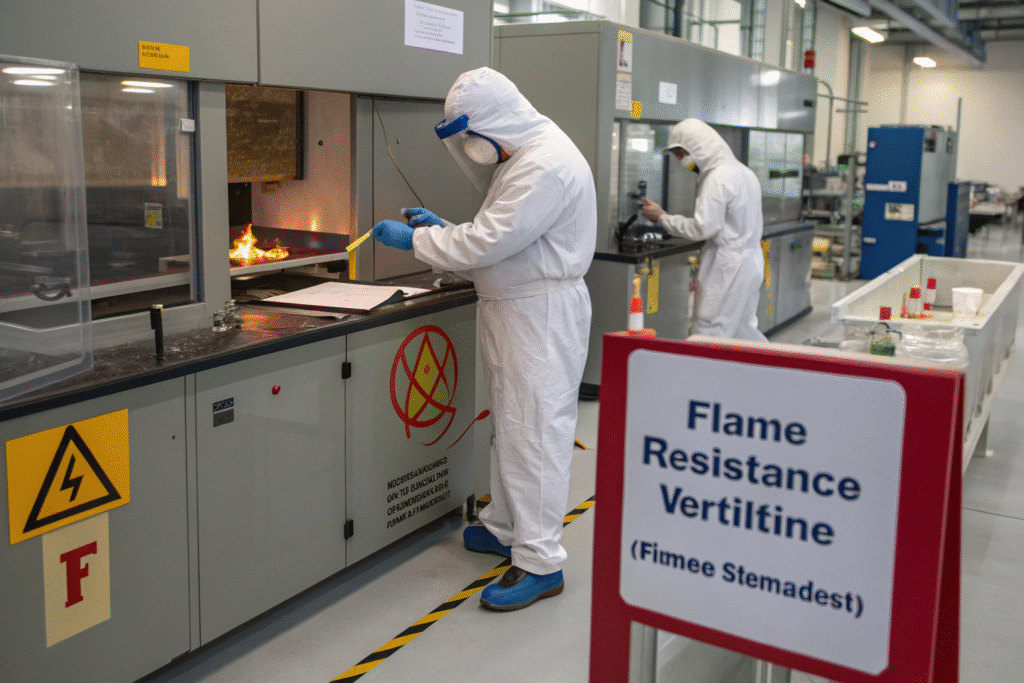
Flame resistance verification follows specific international standards that define testing methodologies, performance criteria, and certification requirements. These standards provide the framework for objective assessment and comparison of protective properties across different products and manufacturers.
Understanding the relevant standards is fundamental to designing an effective verification program, as different standards apply to various workplace hazards and industry requirements.
Which key standards apply to workwear belt flammability?
Several critical standards govern flame resistance verification:
- ASTM F1506 Standard Performance Specification for Flame-Resistant and Electric Arc-Rated Protective Clothing
- NFPA 2112 Standard on Flame-Resistant Clothing for Protection of Industrial Personnel Against Short-Duration Thermal Exposures from Fire
- ISO 11612 Protective clothing against heat and flame
- ASTM D6413 Standard Test Method for Flame Resistance of Textiles
- UL 214 Test for Flame-Propagation of Fabrics and Films
According to OSHA guidelines, garments and accessories used in electrical work environments must meet specific flame resistance criteria, typically referencing ASTM F1506 or equivalent standards. These standards define testing protocols that simulate real-world hazard conditions.
How do testing methodologies differ between standards?
Different standards employ varied testing approaches:
- Vertical flame testing measures after-flame time, after-glow time, and char length
- Horizontal flame testing assesses flame spread rate across materials
- Thermal manikin testing evaluates overall protective performance on a full-scale manikin
- Heat transfer performance measures protection against convective and radiant heat
- Arc rating determination evaluates protection against electrical arc exposure
The National Fire Protection Association specifies that materials must demonstrate maximum after-flame time of 2 seconds, char length not exceeding 4 inches, and no melting or dripping when tested according to ASTM F1358. Understanding these specific requirements is essential for proper verification.
How to Assess Material Composition and Construction?
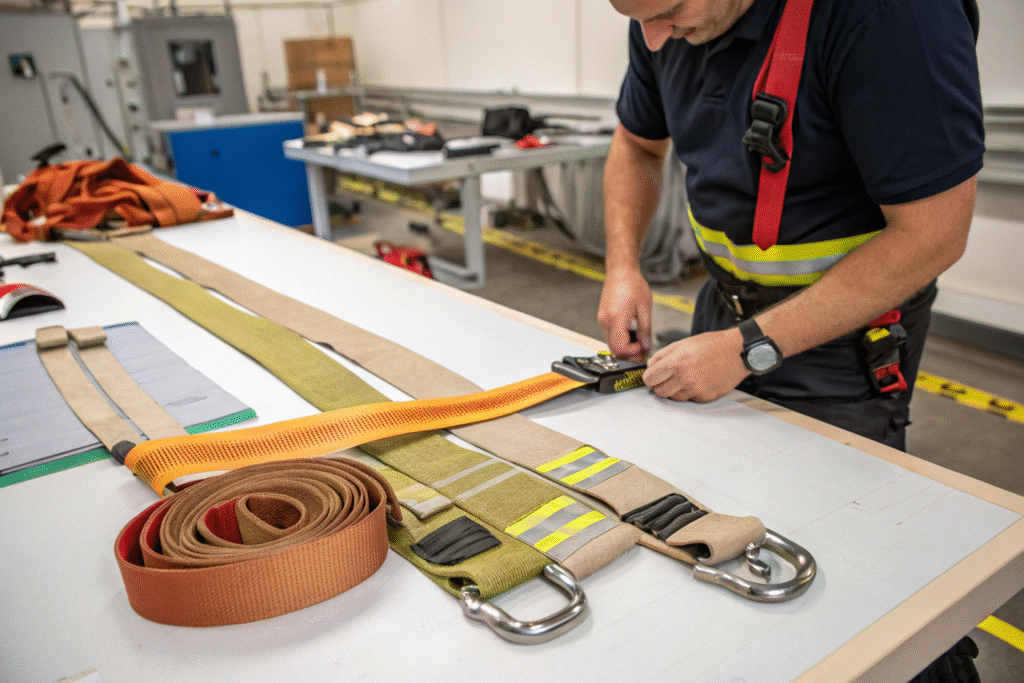
The flame resistance of workwear belts depends on both material properties and construction methods. Verification must address the complete product system, including webbing, stitching, hardware, and any additional components that could compromise protective performance.
A comprehensive assessment examines material certifications, construction integrity, and the interaction between different components under thermal stress conditions.
What material properties indicate genuine flame resistance?
Flame-resistant materials demonstrate specific characteristics:
- Inherent FR fibers like modacrylic, aramid, or FR-treated cellulose that provide permanent protection
- Char formation capability creating insulating barriers when exposed to flame
- Self-extinguishing properties ceasing to burn once ignition source is removed
- Minimal thermal shrinkage maintaining integrity and coverage during exposure
- Non-melting behavior preventing dripping that could cause additional injuries
According to textile testing research, inherent FR materials typically outperform treated fabrics in maintaining protection through repeated laundering and wear. Verification should include documentation of material composition and FR mechanism.
How does construction impact flame resistance performance?
Construction elements critically influence protective performance:
- Stitching thread compatibility using FR thread that matches the webbing's protection level
- Hardware selection choosing materials that won't melt or transfer heat excessively
- Layer integration ensuring all components maintain protection when assembled
- Edge finishing preventing fraying that could create ignition points
- Buckle attachment methods using techniques that don't compromise material integrity
The Center for Disease Control's NIOSH division emphasizes that protective equipment must be evaluated as complete systems, not just individual components. Belt construction must maintain flame resistance throughout the entire product lifecycle.
What Certification and Documentation Provide Verification?
Proper documentation provides the foundation for flame resistance verification, offering evidence of compliance with relevant standards and manufacturing consistency. Certifications from recognized testing laboratories and ongoing quality assurance records demonstrate a manufacturer's commitment to safety and compliance.
Verification requires systematic review of documentation to ensure claims are supported by appropriate testing and quality control processes.
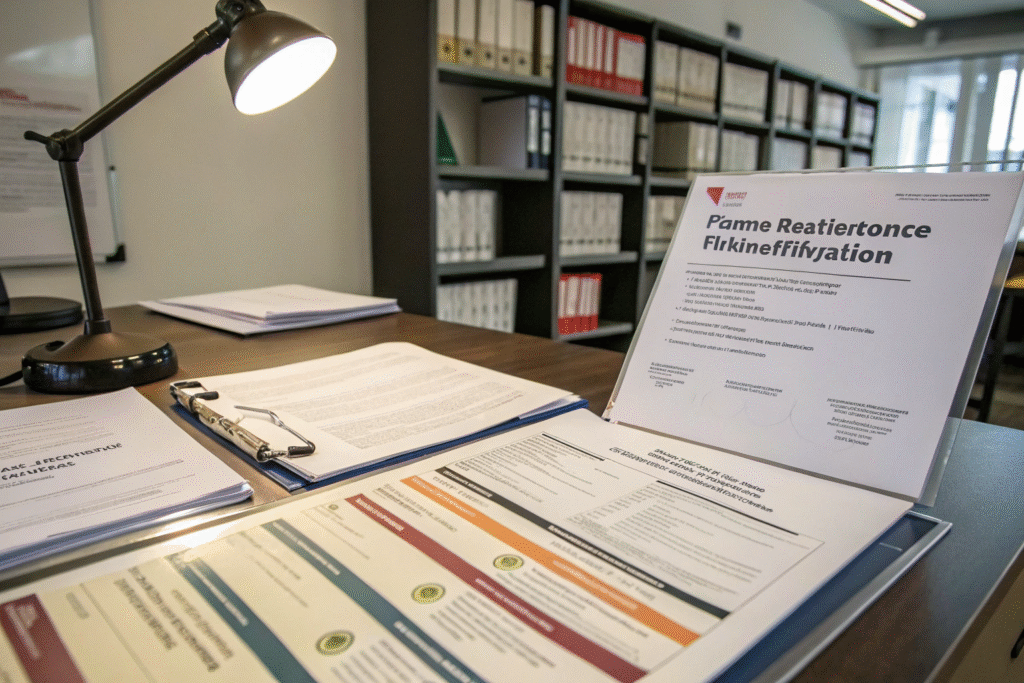
Which certifications provide reliable flame resistance verification?
Recognized certifications include:
- UL Certification for flame-resistant products meeting specific standards
- SEI Certification for products compliant with ASTM standards
- CE Marking indicating conformity with European health and safety standards
- Independent laboratory reports from accredited testing facilities
- Mill certificates documenting FR treatment and material composition
According to Occupational Safety and Health Administration requirements for electrical workers, employers must ensure flame-resistant garments meet applicable consensus standards and must maintain documentation of compliance. Third-party certifications provide the most reliable verification.
What documentation should manufacturers provide?
Comprehensive documentation includes:
- Test reports from accredited laboratories showing compliance with relevant standards
- Quality control records demonstrating manufacturing consistency
- Material safety data sheets for FR treatments and components
- Care instruction validation showing maintained protection through recommended cleaning
- Batch testing results proving consistent performance across production runs
Manufacturers following ISO 9001 quality management systems typically provide more reliable documentation with better traceability. The most thorough suppliers maintain complete documentation for each production lot.
How to Conduct Ongoing Verification and Compliance Monitoring?
Flame resistance verification is not a one-time event but requires ongoing monitoring to ensure continued compliance throughout the product's service life. Regular testing, visual inspection, and documentation review help maintain protection as belts experience wear, cleaning, and environmental exposure.
A comprehensive monitoring program addresses initial verification, in-service inspection, and end-of-life determination to ensure belts provide reliable protection throughout their usable lifespan.
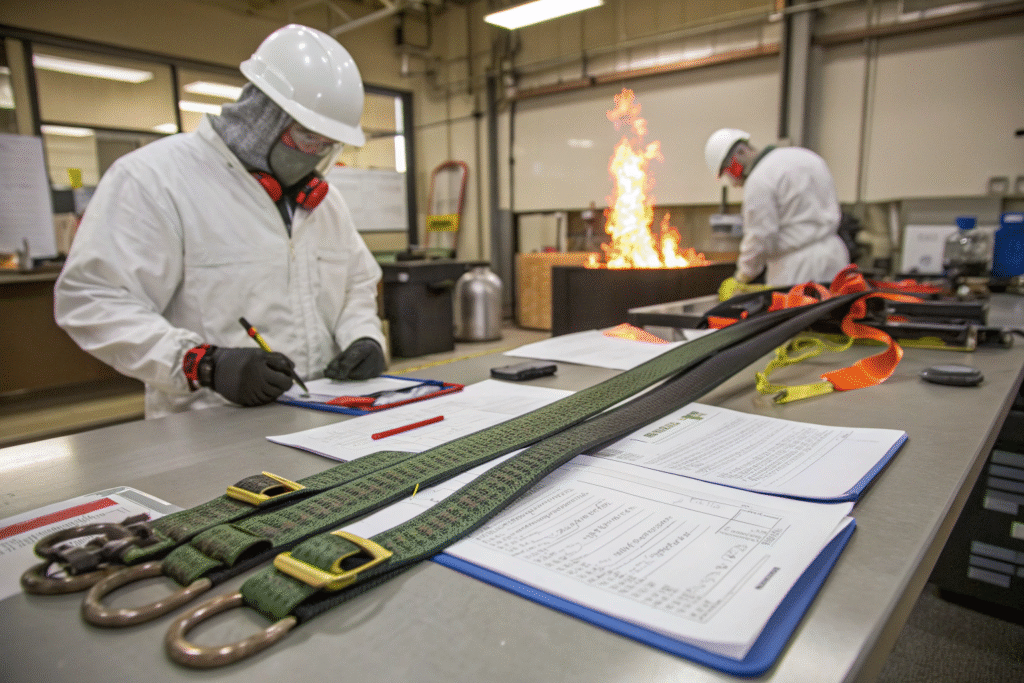
What field verification methods ensure continued protection?
Practical field verification includes:
- Visual inspection for damage, contamination, or wear that compromises protection
- Documentation audits ensuring certifications remain current and applicable
- Spot testing of retired belts to verify maintained performance
- Employee training on proper use, inspection, and maintenance procedures
- Usage tracking monitoring service life against manufacturer recommendations
The American Society of Testing and Materials provides guidelines for in-service inspection of flame-resistant garments, which can be adapted for belt verification. Regular inspection typically identifies issues before they compromise safety.
How should organizations structure compliance programs?
Effective compliance programs include:
- Initial verification protocols for new product evaluation and selection
- Regular audit schedules for reviewing documentation and certifications
- Training programs ensuring proper use and maintenance of FR equipment
- Retirement criteria establishing clear conditions for removing belts from service
- Incident investigation procedures analyzing any failures to improve future selection
According to industry best practices, organizations should maintain complete records of all FR equipment, including initial certifications, inspection results, and retirement documentation. This comprehensive approach ensures continuous protection.
Conclusion
Verifying flame resistance in workwear belts requires a systematic approach combining standardized testing, thorough documentation review, construction assessment, and ongoing compliance monitoring. Proper verification ensures belts provide genuine protection in hazardous environments while meeting regulatory requirements. By implementing comprehensive verification protocols, safety managers can ensure worker protection and regulatory compliance while maximizing the value of their safety equipment investments.
If your organization requires flame-resistant workwear belts with verified protection and comprehensive documentation, our factory specializes in FR belt manufacturing with complete testing and certification. Contact our Business Director, Elaine, at elaine@fumaoclothing.com to discuss how we can provide flame-resistant belt solutions with full verification documentation for your safety program.