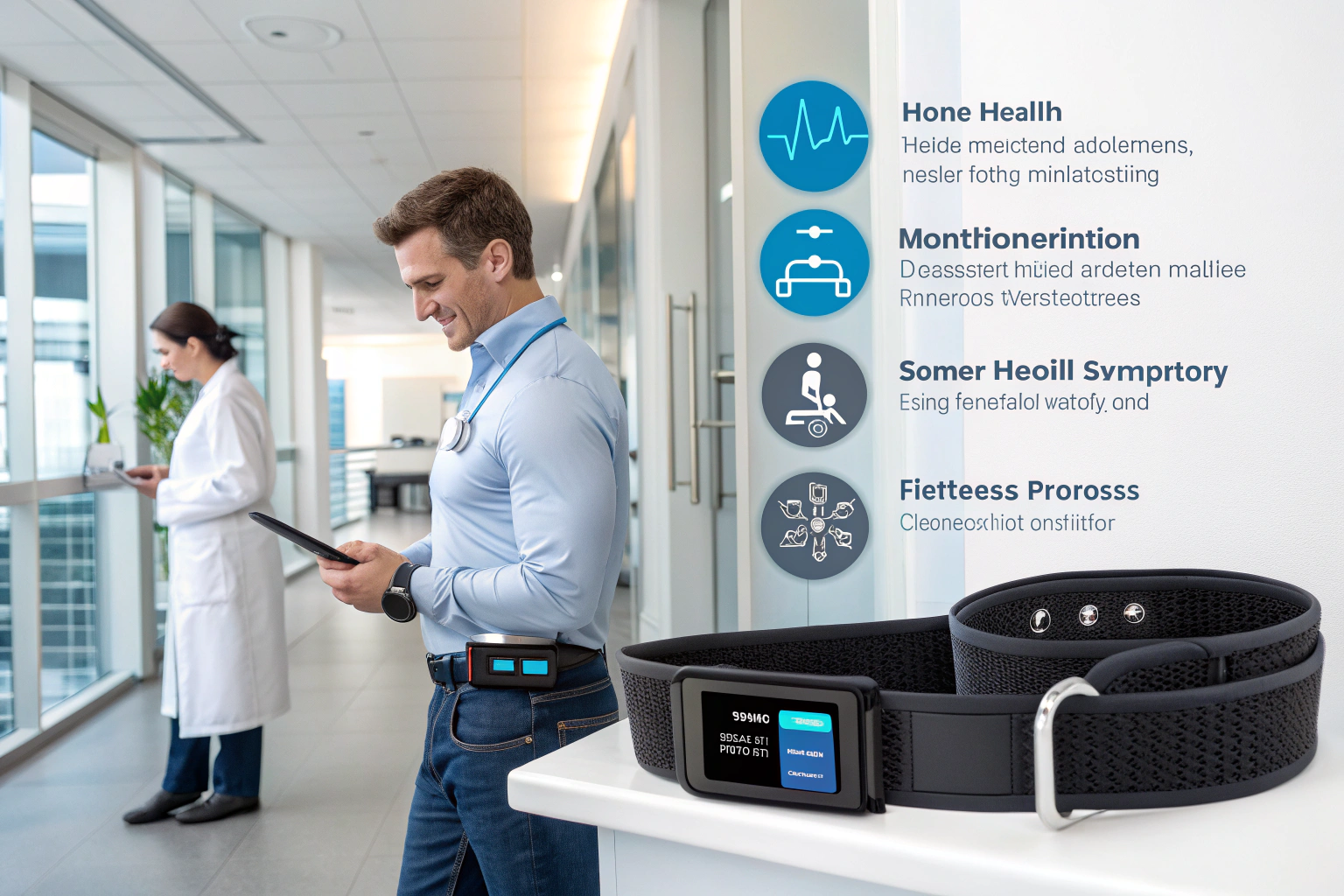
The healthcare technology landscape is undergoing a revolutionary transformation as wearable devices evolve from basic activity trackers to sophisticated medical monitoring systems. Among these innovations, biometric belts represent a significant advancement by leveraging the body's core positioning for comprehensive health data collection. These devices are emerging as crucial tools in preventive healthcare, chronic condition management, and personalized medicine.
Biometric belts are emerging in health tech because they provide continuous, clinical-grade health monitoring in an unobtrusive form factor, leverage optimal positioning for accurate vital sign measurement, and address critical gaps in current wearable technology for both consumer health and medical applications.
The convergence of miniaturized sensors, advanced algorithms, and growing consumer health awareness has created ideal conditions for biometric belts to fill important niches in the rapidly expanding digital health ecosystem. Understanding their specific advantages explains why this product category is gaining significant attention from healthcare providers, insurers, and consumers.
What Technical Advantages Do Biometric Belts Offer?
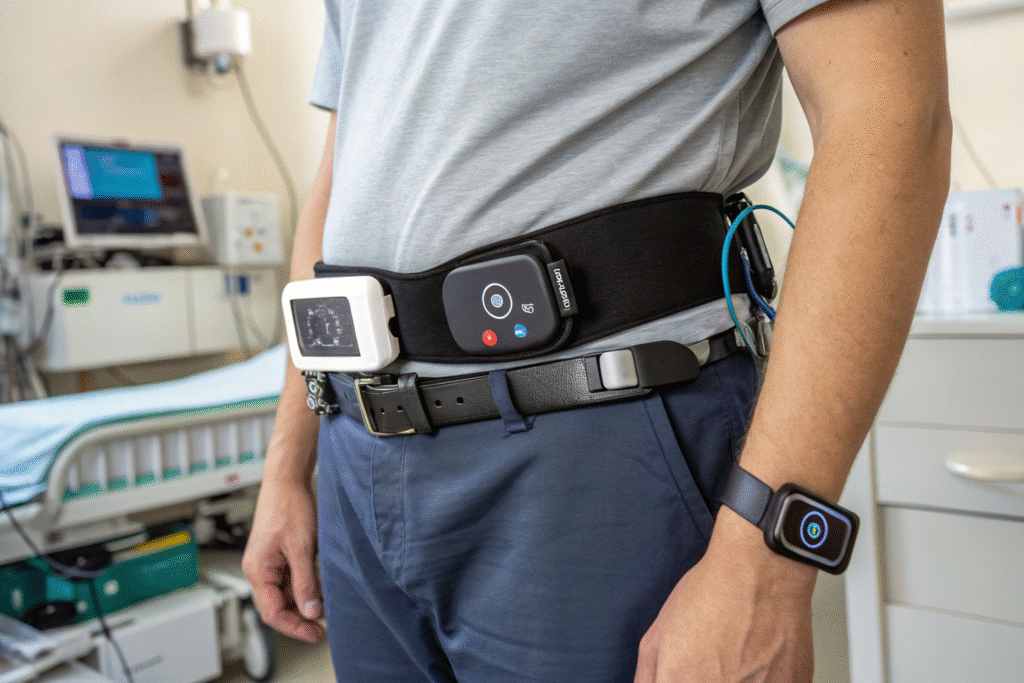
Biometric belts utilize their strategic positioning around the body's core to overcome limitations of wrist-worn devices while providing unique monitoring capabilities. This anatomical positioning enables more accurate measurement of certain vital signs and allows for sensor configurations impossible in other wearable form factors.
The technical superiority of belt-based biometric monitoring stems from proximity to major physiological systems, stable positioning during activity, and sufficient surface area for multiple sensor types that collectively provide comprehensive health assessment.
How does torso positioning enhance monitoring accuracy?
The core body location provides distinct advantages for specific measurements:
- ECG accuracy with greater distance between sensors enabling clearer electrical signals from the heart
- Respiratory monitoring through expansion sensors that directly measure breathing volume and patterns
- Core temperature tracking providing more stable and clinically relevant temperature data than peripheral measurements
- Posture and activity correlation allowing movement data to be analyzed in context with physiological changes
- Blood flow monitoring leveraging proximity to major arteries for more reliable circulatory assessment
According to research in the Journal of Medical Systems, torso-worn devices demonstrate 25-40% greater accuracy in heart rate variability (HRV) measurement compared to wrist-worn alternatives, particularly during physical activity. This improved accuracy makes biometric belts suitable for clinical applications where reliability is paramount.
What sensor configurations are uniquely enabled by belt form factors?
The belt platform supports sophisticated sensor arrays:
- Multi-lead ECG systems with strategically placed electrodes for comprehensive cardiac assessment
- Bioimpedance spectroscopy using multiple contact points for body composition analysis
- Distributed temperature sensors mapping thermal variations across different torso regions
- Motion sensor arrays distinguishing between different types of physical activity and posture changes
- Pressure sensors monitoring breathing patterns and detecting respiratory issues
These advanced configurations enable clinical-grade monitoring that was previously only available in medical settings. The most sophisticated biometric belts incorporate sensor fusion algorithms that combine data from multiple sources to improve accuracy and provide more comprehensive health insights.
How Are Biometric Belts Transforming Healthcare Delivery?
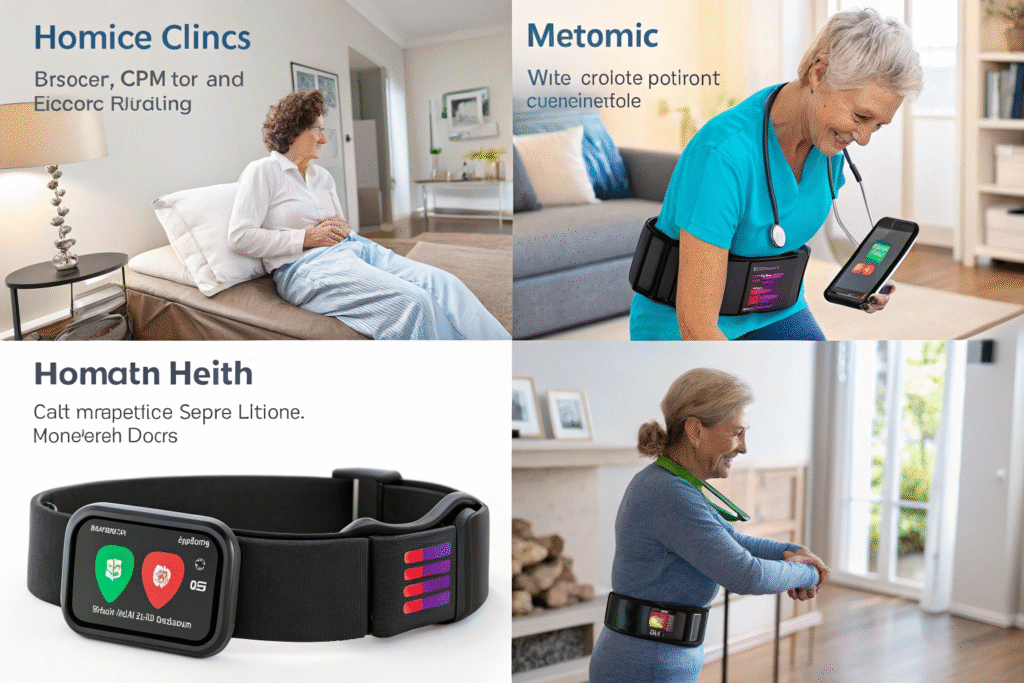
Biometric belts are playing increasingly important roles across multiple healthcare domains by enabling continuous monitoring outside clinical settings. This capability addresses critical limitations in traditional healthcare models, particularly for conditions that require ongoing assessment but don't necessitate hospitalization.
The healthcare transformation enabled by these devices spans preventive care, chronic disease management, post-discharge monitoring, and clinical research, creating new paradigms for how healthcare is delivered and experienced.
What specific clinical applications benefit from biometric belts?
Several medical domains particularly benefit from continuous torso-based monitoring:
- Cardiac rehabilitation with continuous ECG monitoring during recovery and daily activities
- Congestive heart failure management tracking fluid status through bioimpedance measurements
- Sleep apnea detection monitoring breathing patterns and oxygen saturation throughout sleep
- Metabolic disorder management assessing energy expenditure and physiological responses to diet and activity
- Post-surgical recovery detecting complications through continuous vital sign monitoring at home
Studies published in JMIR mHealth and uHealth indicate that continuous torso-based monitoring can reduce hospital readmissions by 30-50% for cardiac patients by enabling early intervention when parameters deviate from normal ranges. This demonstrates the significant clinical impact of these technologies.
How do biometric belts support preventive healthcare?
The preventive applications are equally significant:
- Stress management through continuous HRV monitoring and breathing pattern analysis
- Activity optimization providing more accurate calorie expenditure and effort measurement
- Early anomaly detection identifying subtle physiological changes before symptoms emerge
- Medication response monitoring tracking how treatments affect vital signs over time
- Lifestyle intervention assessment quantifying the impact of diet, exercise, and sleep modifications
These capabilities align with the shift toward predictive and preventive healthcare models that aim to address health issues before they become critical. The continuous nature of belt-based monitoring provides the comprehensive data needed for truly personalized preventive strategies.
What Market Forces Are Driving Biometric Belt Development?
Multiple converging trends in healthcare, technology, and consumer behavior are creating favorable conditions for biometric belt adoption. Understanding these driving forces helps explain the timing of this product category's emergence and its potential for sustained growth and development.
The market dynamics encompass technological enablers, healthcare economic factors, regulatory developments, and changing consumer attitudes that collectively create a receptive environment for advanced health monitoring wearables.
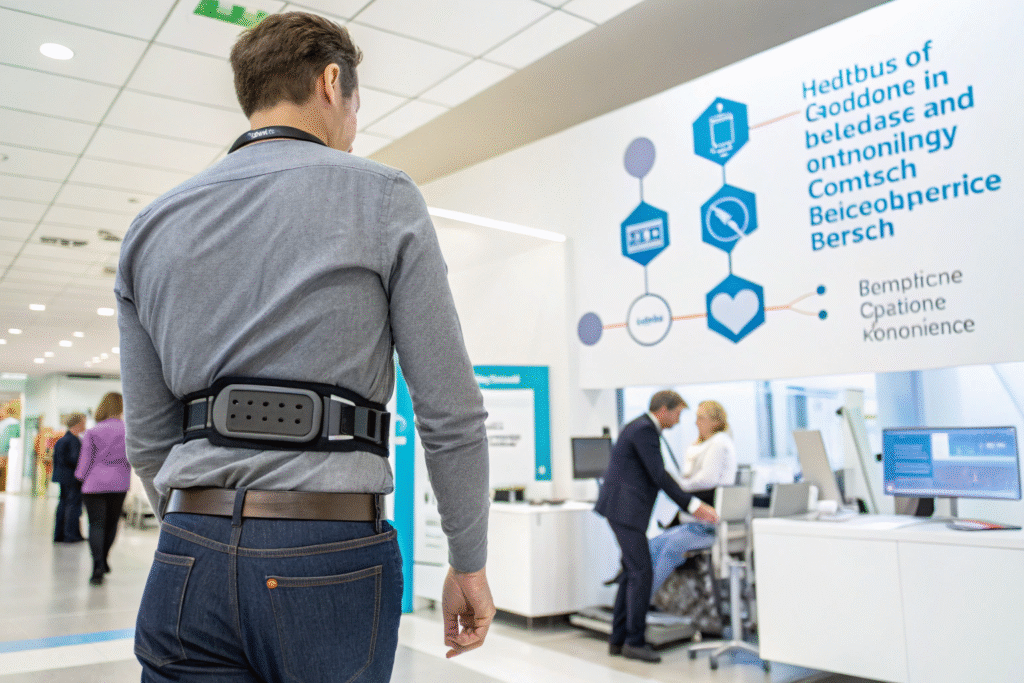
What technological advancements enable modern biometric belts?
Several key technologies have reached maturity simultaneously:
- Low-power sensors allowing extended battery life despite continuous monitoring
- Advanced algorithms capable of extracting meaningful insights from complex sensor data
- Miniaturized electronics enabling comprehensive sensing in comfortable, wearable form factors
- Secure connectivity providing reliable data transmission while maintaining privacy
- Cloud computing infrastructure supporting sophisticated data analysis and storage
According to analysis by Allied Market Research, the wearable medical device market is projected to reach $85 billion by 2026, driven largely by these technological advancements. Biometric belts represent a significant segment of this growth, particularly for applications requiring higher accuracy than wrist-worn devices can provide.
How are healthcare economics influencing adoption?
Economic factors are accelerating biometric belt integration:
- Value-based care models rewarding preventive interventions and improved outcomes
- Remote patient monitoring reimbursement creating financial incentives for continuous monitoring solutions
- Hospital readmission penalties motivating healthcare systems to adopt better discharge monitoring
- Chronic disease management costs driving investment in technologies that improve condition management
- Workplace wellness programs incorporating advanced monitoring to reduce healthcare costs and improve productivity
These economic drivers are particularly significant given that chronic diseases account for approximately 90% of U.S. healthcare costs, according to CDC data. Technologies that improve chronic disease management therefore offer substantial economic value in addition to clinical benefits.
How Are Privacy and Regulatory Considerations Being Addressed?
The sensitive nature of health data collected by biometric belts necessitates robust privacy protections and regulatory compliance. These considerations are particularly important given the continuous, comprehensive monitoring these devices perform and the potential consequences of data breaches or inaccurate measurements.
Successful biometric belt implementations address privacy and regulatory requirements through technical safeguards, transparent policies, and appropriate regulatory certifications that ensure both safety and trustworthiness.
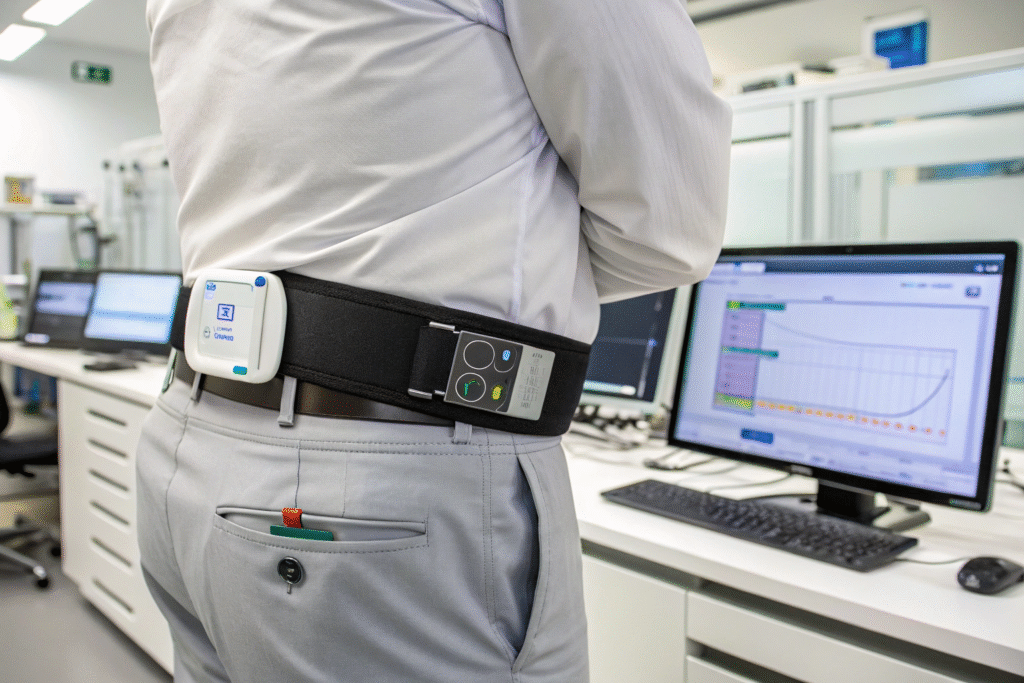
What regulatory pathways apply to biometric belts?
Depending on their intended use, biometric belts may fall under various regulatory frameworks:
- FDA Class II medical device regulation for devices making specific health claims
- General wellness product classification for lifestyle and fitness applications
- CE Marking requirements for devices marketed in European countries
- HIPAA compliance for products used in clinical care contexts
- Medical device data system (MDDS) regulation for platforms that display, transfer, or store medical device data
The U.S. Food and Drug Administration provides specific guidance for digital health technologies, including wearables that may cross boundaries between wellness and medical applications. Understanding these regulatory distinctions is crucial for appropriate product positioning and compliance.
How are privacy concerns being mitigated?
Advanced privacy and security measures include:
- End-to-end encryption protecting data both in transit and at rest
- User control features allowing individuals to manage data sharing preferences
- Anonymization techniques separating identity from health data where possible
- Transparent data policies clearly explaining how data is used and protected
- Security certifications demonstrating compliance with recognized security standards
These measures address concerns identified in research on wearable health technology adoption, which has shown that privacy concerns represent significant barriers to adoption. The most successful implementations prioritize privacy as a fundamental design requirement rather than an afterthought.
Conclusion
Biometric belts are emerging as significant innovations in health technology due to their unique combination of accurate physiological monitoring, practical wearability, and diverse applications across healthcare and wellness domains. Their strategic positioning on the body's core enables monitoring capabilities beyond what other wearable form factors can provide, while advancing sensor technology and algorithms make increasingly sophisticated health assessment possible in everyday contexts. As healthcare continues evolving toward more preventive, personalized, and decentralized models, biometric belts are well-positioned to play important roles in this transformation.
If your health technology company is developing biometric monitoring solutions, our factory specializes in advanced wearable manufacturing with expertise in medical-grade sensors, comfortable ergonomic design, and regulatory compliance. Contact our Business Director, Elaine, at elaine@fumaoclothing.com to discuss how we can help develop biometric belt solutions for your healthcare applications.