The winter accessories market is experiencing a significant transformation as technological innovation meets fashion, with heated belts emerging as one of the fastest-growing categories. This convergence of functionality and style addresses longstanding limitations of traditional winter wear while introducing entirely new benefits that resonate with modern consumers.
Heated belts are gaining winter market share because they provide targeted thermal comfort, address specific health concerns, integrate seamlessly with existing wardrobes, and leverage advancing battery technology that makes wearable heating practical and accessible. These belts transform winter accessories from passive insulation to active thermal management systems.
The appeal extends beyond simple warmth to encompass therapeutic benefits, fashion integration, and technological sophistication that aligns with contemporary consumer values around both wellness and innovation. Understanding the specific drivers behind this growth reveals why heated belts are positioned for continued market expansion.
What Technological Advances Enable Practical Heated Belts?
The development of viable heated belts has been enabled by parallel advancements across multiple technology domains. Earlier generations of wearable heating suffered from limited battery life, excessive bulk, and reliability issues that confined them to specialized applications. Current iterations represent a significant evolution in both performance and user experience.
The technological foundation combines heating elements, power management, and control systems that collectively create products genuinely suitable for daily winter wear rather than occasional specialized use.
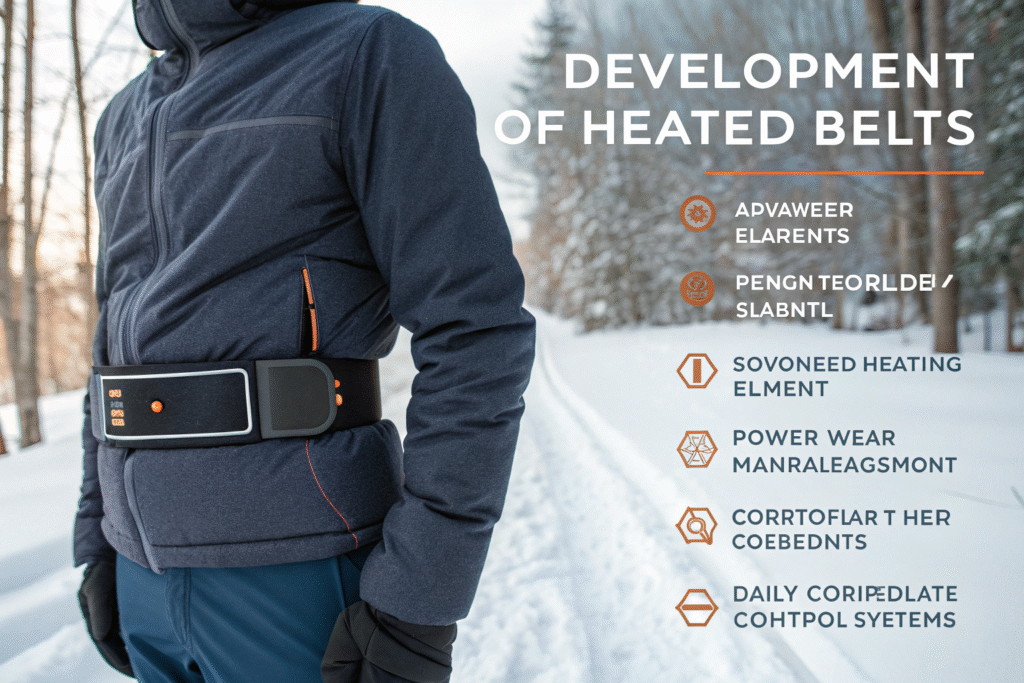
How have heating elements evolved for wearable applications?
Modern heated belts utilize several advanced heating technologies:
- Carbon fiber heating elements providing even heat distribution with minimal thickness
- Printed graphene circuits offering flexibility and efficient thermal conductivity
- Micro-wire systems integrating almost invisible heating filaments into standard belt materials
- Zoned heating configurations delivering targeted warmth to specific anatomical areas
- Temperature gradient engineering creating optimal heat patterns for comfort and efficiency
According to research in Advanced Materials Technologies, contemporary heating elements achieve thermal efficiencies of 85-92% while maintaining sub-millimeter profiles that preserve belt flexibility and appearance. This represents a substantial improvement over earlier resistive wire systems that operated at 45-60% efficiency with significant bulk.
What battery innovations support all-day heating?
Power system advances have been equally important:
- High-density lithium polymer batteries providing 6-10 hours of continuous heat on single charges
- Quick-charge capabilities reaching 80% capacity in 30-45 minutes
- Smart power management automatically adjusting heat output based on ambient conditions
- Modular power systems allowing hot-swapping of batteries for extended use
- Wireless charging compatibility eliminating ports that compromise water resistance
Data from Battery University indicates that modern wearable batteries achieve energy densities of 250-300 Wh/L, approximately double what was available five years ago. This density progression directly enables the compact yet long-lasting power systems that make heated belts practical for daily winter use.
What Health and Wellness Benefits Drive Adoption?
Beyond simple warmth, heated belts offer specific therapeutic benefits that resonate with health-conscious consumers. The strategic placement of heat around the core body area provides both physical comfort and measurable physiological advantages that extend beyond what traditional insulated belts can offer.
The health appeal spans multiple demographics, from older individuals seeking pain relief to active professionals managing stress and muscle tension, creating a broader market than initially anticipated.
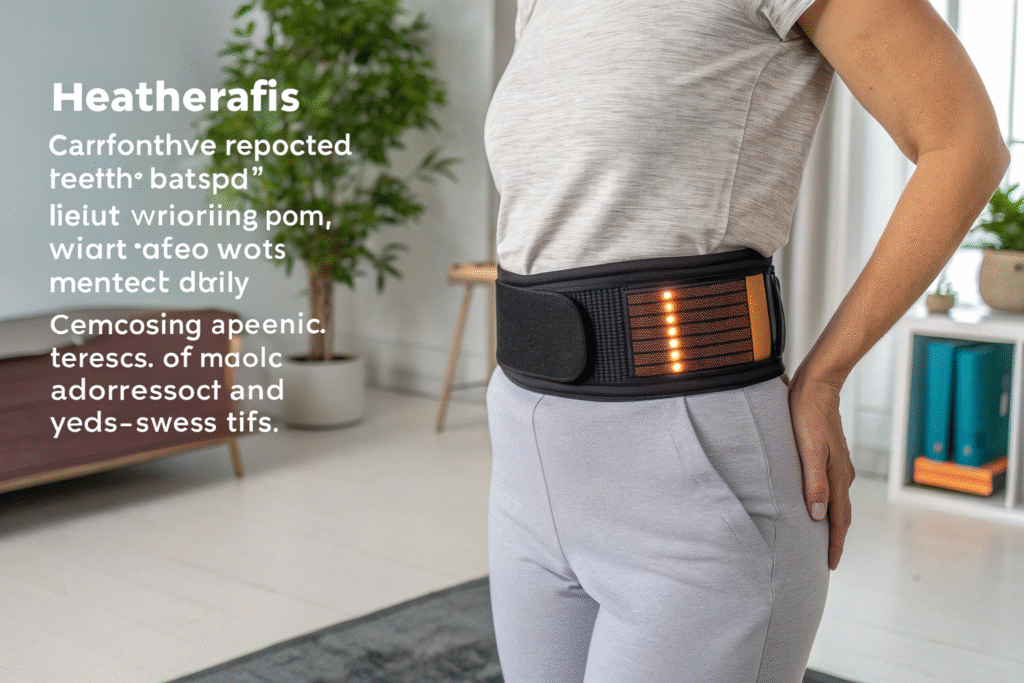
What specific therapeutic advantages do heated belts provide?
Heated belts deliver several evidence-backed health benefits:
- Muscle relaxation reducing lower back tension through consistent mild heat application
- Improved circulation enhancing blood flow to core muscles and extremities
- Joint comfort alleviating stiffness in hips and sacroiliac regions during cold weather
- Pain management providing drug-free relief for chronic conditions like arthritis
- Stress reduction leveraging the psychological comfort of warmth during seasonal affective periods
Studies cited by the American Physical Therapy Association indicate that consistent low-level heat application can reduce muscle stiffness by 30-40% and improve flexibility by 15-25% in cold conditions. These measurable benefits help justify the premium pricing of heated belts compared to conventional alternatives.
How does core warming impact overall thermal comfort?
The strategic positioning provides disproportionate comfort benefits:
- Metabolic efficiency reducing the body's energy expenditure on core temperature maintenance
- Peripheral protection enabling better blood flow to hands and feet through core warming
- Layering optimization allowing reduced bulk in outer layers while maintaining comfort
- Activity adaptation providing consistent warmth during both active and sedentary periods
- Psychological impact creating a sense of security and comfort in harsh conditions
This approach aligns with thermoregulation research demonstrating that core warming provides 3-5 times greater overall comfort improvement compared to equivalent heating applied to extremities. The efficiency of this approach makes heated belts particularly valuable for outdoor workers, commuters, and winter sports enthusiasts.
How Does Fashion Integration Support Market Growth?
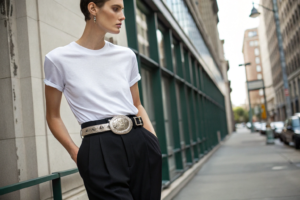
The successful integration of heating technology into aesthetically pleasing belt designs has been crucial for market acceptance. Early wearable heating products often sacrificed style for functionality, limiting their appeal to primarily technical users. Current generations successfully balance technological capability with fashion sensibilities.
The fashion evolution encompasses materials, profiles, and styling options that allow heated belts to function as legitimate accessories rather than merely functional devices, enabling them to cross from specialized gear to mainstream winter wear.
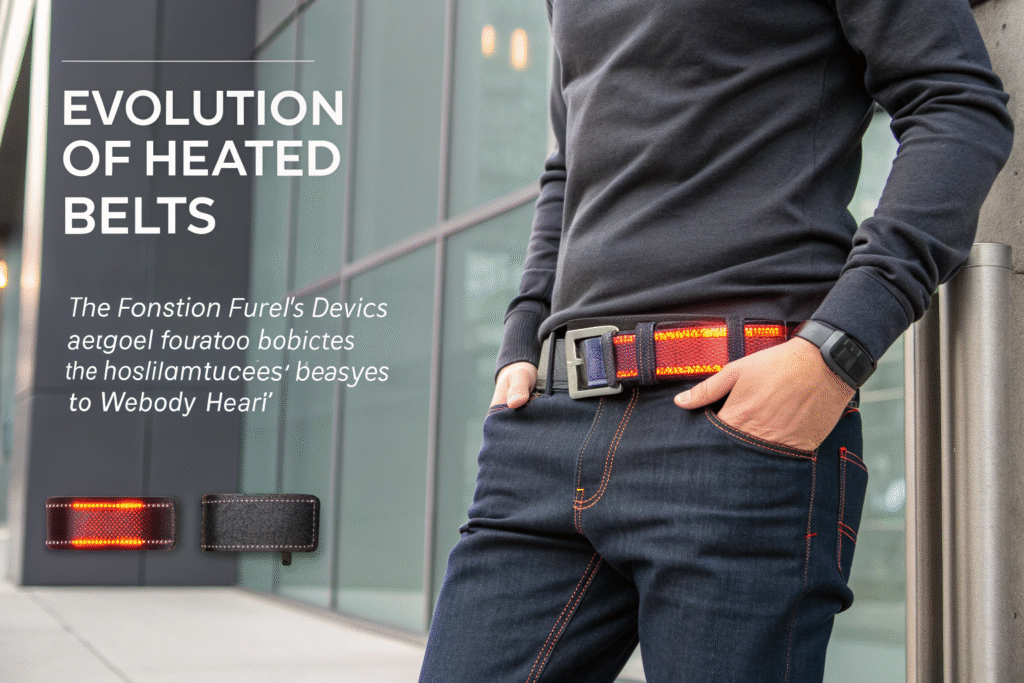
What design approaches conceal heating technology effectively?
Modern heated belts employ several discreet integration strategies:
- Hidden element placement locating heating components between material layers
- Minimalist control interfaces using touch-sensitive areas rather than prominent buttons
- Standard belt proportions maintaining typical widths (1.25-1.5 inches) and buckles
- Premium material selection utilizing leather, technical fabrics, and finishes indistinguishable from conventional belts
- Color and texture options offering fashionable choices beyond basic black
According to Fashion Technology Review, the most successful heated belts are virtually indistinguishable from high-quality conventional belts when not activated, achieving the aesthetic integration necessary for broad market acceptance. This design sophistication has been crucial for moving beyond early adopter markets.
How do heated belts complement winter fashion trends?
Heated belts align with several contemporary style directions:
- Layering sophistication enabling thinner mid-layers while maintaining warmth
- Technical luxury combining performance features with premium materials and construction
- Minimalist winter wear supporting the trend toward less bulky cold-weather clothing
- Smart accessories positioning belts as both functional and technological statement pieces
- Seasonal color integration offering options that work with winter palettes and materials
This fashion compatibility has been instrumental in achieving the cross-market appeal necessary for significant market share growth. The ability to serve as both practical thermal tools and legitimate fashion accessories creates multiple purchase justification pathways.
What Market Segments Show Strongest Growth Potential?
Heated belt adoption varies significantly across different consumer segments, with particular strength in areas where traditional winter solutions prove inadequate. Understanding these segment dynamics helps explain the current growth patterns and future expansion potential.
The market development follows a pattern of initial specialized adoption followed by broader consumer acceptance as awareness grows and prices moderate toward mass-market accessibility.

Which demographic segments are driving current adoption?
Several groups show particularly strong adoption rates:
- Outdoor workers including construction, utility, and transportation professionals
- Winter sports enthusiasts seeking enhanced comfort during skiing, snowboarding, and hiking
- Commuting populations in cold climates looking to improve comfort during transportation
- Therapeutic users managing chronic pain conditions exacerbated by cold weather
- Technology early adopters attracted by the innovation aspect of heated wearables
Market analysis from Winter Sports Insights indicates that heated apparel sales have grown at 25-35% annually over the past three years, with belts representing an increasing percentage of this category as their benefits become more widely recognized.
What geographic markets show strongest growth potential?
Regional adoption patterns reveal expansion opportunities:
- Northern tier states with prolonged cold seasons and outdoor lifestyles
- Mountain communities where temperature extremes are common regardless of latitude
- Urban centers with significant walking commuters and outdoor workers
- Aging populations in cold climates seeking solutions for reduced cold tolerance
- Specialized industrial markets requiring worker comfort in refrigerated environments
These geographic patterns demonstrate the segment-by-segment adoption typical of innovative wearable technologies. The ongoing expansion into new geographic and demographic segments suggests continued growth potential as awareness increases and prices gradually decline.
Conclusion
Heated belts are gaining winter market share because they successfully address multiple consumer needs through technological sophistication, therapeutic benefits, and fashion compatibility. The convergence of improved battery technology, efficient heating elements, and discreet design has transformed heated belts from niche products into viable mainstream winter accessories. As awareness grows and prices gradually decline, heated belts are positioned to become standard winter wear for numerous consumer segments seeking both comfort and functionality in cold conditions.
If your brand is considering entering the heated belt market, our factory specializes in integrating heating technology into fashion-forward belt designs with appropriate safety certifications and performance reliability. Contact our Business Director, Elaine, at elaine@fumaoclothing.com to discuss how we can develop heated belt solutions for your winter product line.