Fashion should be accessible to everyone, yet millions of people with disabilities, limited mobility, or arthritis struggle with traditional belt buckles. These everyday fashion items become daily sources of frustration, excluding a significant portion of the population from both style and functionality. The frustration isn't just about difficulty—it's about being overlooked by the fashion industry.
Adaptive buckles are crucial for inclusive fashion because they provide accessible, easy-to-use fastening solutions that accommodate various physical abilities. These specialized closures enable people with disabilities, seniors, and those with temporary mobility limitations to dress independently while maintaining style and personal expression.
The move toward inclusive fashion isn't just ethical—it's a significant market opportunity. This article explores why adaptive buckles represent both a social imperative and a smart business strategy, detailing the specific designs that work best and how to implement them in your product lines.
What Makes a Buckle Truly Adaptive?
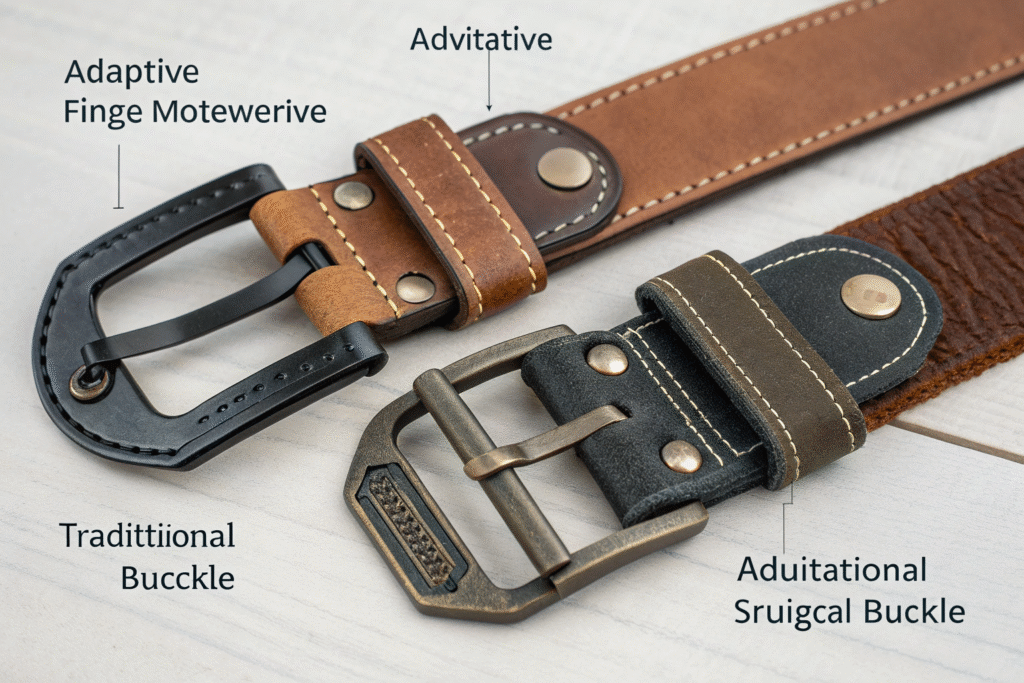
Traditional belt buckles require precise finger movements, significant grip strength, and good visual-motor coordination—barriers that exclude many potential wearers. Adaptive buckles address these challenges through thoughtful design that prioritizes ease of use without sacrificing style.
Truly adaptive buckles incorporate one-handed operation, require minimal grip strength, provide audible or tactile feedback, and offer adjustable sizing without traditional holes. These features collectively remove the barriers that make standard buckles challenging for people with arthritis, limited dexterity, or visual impairments to use independently.
How Do Magnetic Closures Enhance Accessibility?
Magnetic buckles provide the simplest fastening mechanism for people with limited hand strength or coordination. Unlike traditional pin-and-hole systems, magnetic closures require only approximate alignment and minimal pressure to secure. This design is particularly beneficial for individuals with rheumatoid arthritis, Parkinson's disease, or those recovering from strokes, as it eliminates the fine motor skills typically needed for buckling.
Why Are Adjustable Slide Mechanisms More Inclusive?
Slide buckles with continuous adjustment replace the limited options of traditional hole systems. These mechanisms allow for micro-adjustments that accommodate fluctuating body sizes, medical devices, or varying clothing thicknesses. This flexibility is essential for people who use insulin pumps, colostomy bags, or wear different layers of clothing due to temperature sensitivity.
Who Benefits from Adaptive Buckle Designs?
The reach of adaptive fashion extends far beyond what many manufacturers initially assume. While people with permanent disabilities represent a core market, adaptive designs actually serve a much broader demographic that includes temporary conditions and age-related changes.
Adaptive buckles benefit seniors experiencing natural dexterity decline, people with temporary injuries, parents holding children while dressing, healthcare workers needing quick changes, and anyone seeking convenience in their daily routine. This diverse user base represents a substantial and often underserved market segment.

How Does Aging Population Demand Drive This Market?
By 2030, 1 in 4 people in North America and Europe will be over 60, with natural declines in grip strength and dexterity making traditional buckles increasingly difficult. The aging demographic shift creates a massive market for accessible clothing solutions that maintain dignity and independence. These consumers have significant purchasing power and are increasingly vocal about their needs.
Why Are Working Professionals Seeking Adaptive Options?
Office workers with repetitive strain injuries, arthritis, or those simply seeking more comfortable all-day wear represent a growing market for adaptive fashion that doesn't sacrifice professionalism. Disability inclusion in the workplace has heightened awareness of accessible professional attire needs. These consumers want solutions that work in business environments while accommodating their physical requirements.
| User Group | Primary Needs | Recommended Buckle Types |
|---|---|---|
| Arthritis Patients | Minimal grip strength, one-handed operation | Magnetic, large-loop pull tabs |
| Wheelchair Users | Front or side access, no pressure points | Flexible magnetic, extended tab closures |
| Visual Impairments | Tactile feedback, easy alignment | Audible magnetic snap, guided rail systems |
| Senior Population | Simple mechanisms, familiar operation | Oversized hook-free, magnetic traditional style |
What Are the Most Effective Adaptive Buckle Mechanisms?
Several innovative buckle designs have proven particularly effective in addressing accessibility challenges. The most successful options combine reliable function with familiar forms that don't stigmatize the wearer as "medical equipment."
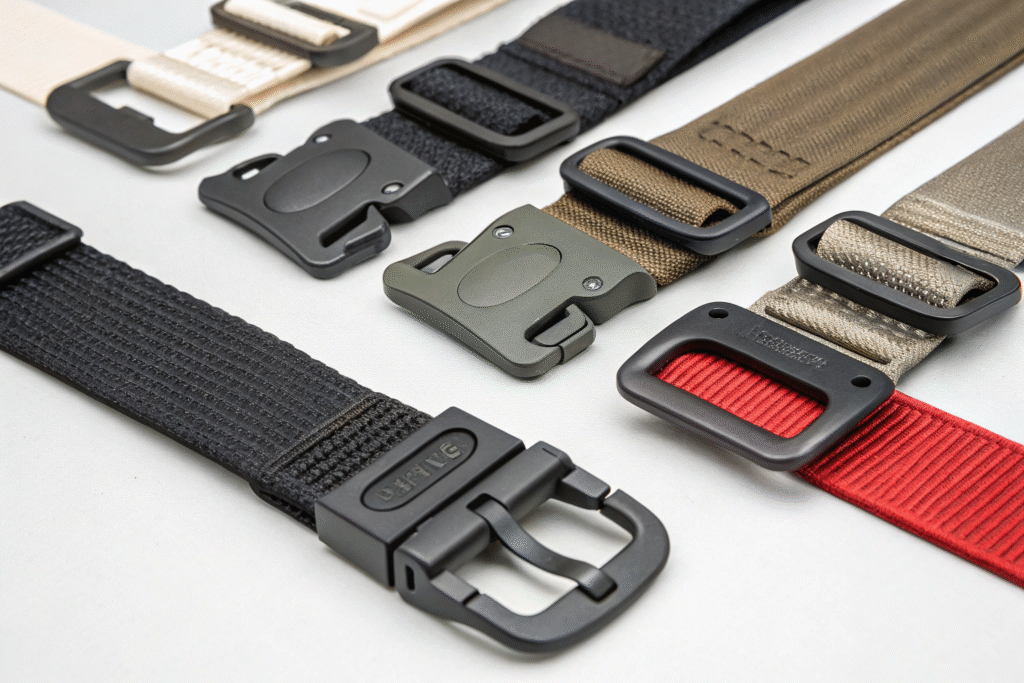
Magnetic systems, velcro adaptations, hook-free pulls, and oversized toggle mechanisms currently represent the most practical and popular adaptive solutions. Each offers distinct advantages for specific user needs while maintaining the aesthetic qualities that make fashion personally expressive.
How Do Magnetic Buckles Maintain Security While Being Accessible?
Modern neodymium magnets provide sufficient holding strength for daily wear while remaining easy to separate when needed. Advanced magnetic buckle systems incorporate guiding rails or alignment features that ensure proper connection without requiring precise visual alignment. This combination of security and accessibility makes them ideal for both casual and professional settings.
Why Are Hook-Free Pull Systems Gaining Popularity?
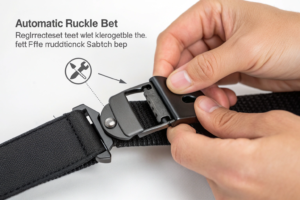
Pull-style buckles that engage automatically when the strap is inserted eliminate the need for pin alignment and hole targeting. These hook-free designs are particularly beneficial for people with visual impairments or limited fine motor control, as they require only gross motor skills to operate. Their intuitive operation makes them suitable for users across a wide spectrum of abilities.
How Can Manufacturers Implement Adaptive Designs?
Integrating adaptive buckles into existing product lines requires thoughtful planning but doesn't necessitate complete manufacturing overhauls. Strategic partnerships and modular design approaches can make implementation both cost-effective and scalable.
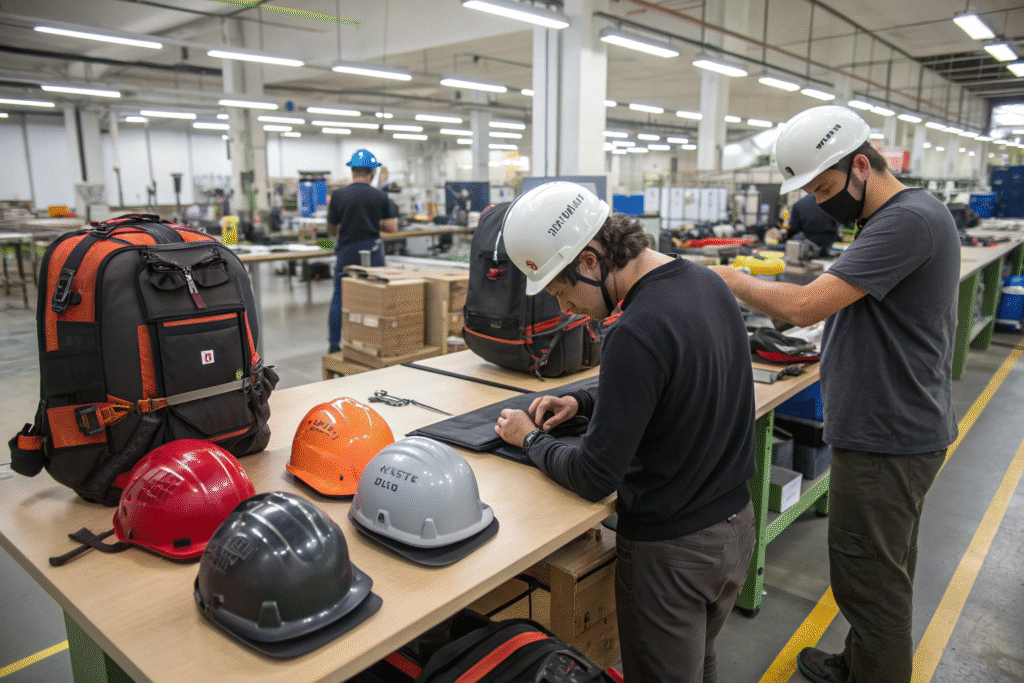
Successful implementation begins with inclusive design thinking, partnerships with adaptive technology specialists, and pilot programs that gather direct user feedback. Manufacturers should focus on creating core buckle systems that can be adapted across multiple product lines rather than treating adaptive designs as separate niche products.
What Partnerships Accelerate Adaptive Product Development?
Collaborating with occupational therapists, disability advocates, and existing adaptive clothing companies provides crucial insights that inform effective design. These inclusive design partnerships help manufacturers understand real-world usage scenarios and avoid common pitfalls in adaptive product development. Early user testing with diverse ability groups ensures the final product truly meets accessibility needs.
How Can Modular Designs Benefit Mainstream and Adaptive Markets?
Creating buckle systems with interchangeable adaptive components allows manufacturers to serve both mainstream and accessibility markets from the same production platform. This universal design approach reduces costs while expanding market reach. For example, a standard belt design might accommodate either traditional or magnetic buckles using the same attachment system, maximizing manufacturing efficiency.
Conclusion
Adaptive buckles represent far more than a specialty product category—they embody the fashion industry's growing recognition that accessibility and style must coexist. By implementing thoughtful buckle designs that accommodate diverse physical abilities, manufacturers can tap into substantial market opportunities while making fashion genuinely inclusive. The technology exists, the market is ready, and the social imperative has never been clearer.
Ready to make your belt collections more inclusive? At StylishBelts, we're developing adaptive buckle solutions that combine style with accessibility. Contact our Business Director Elaine today at elaine@fumaoclothing.com to discuss how we can help you create fashion that truly includes everyone.