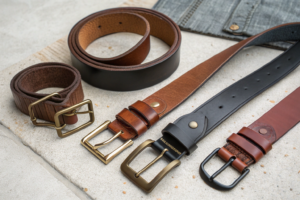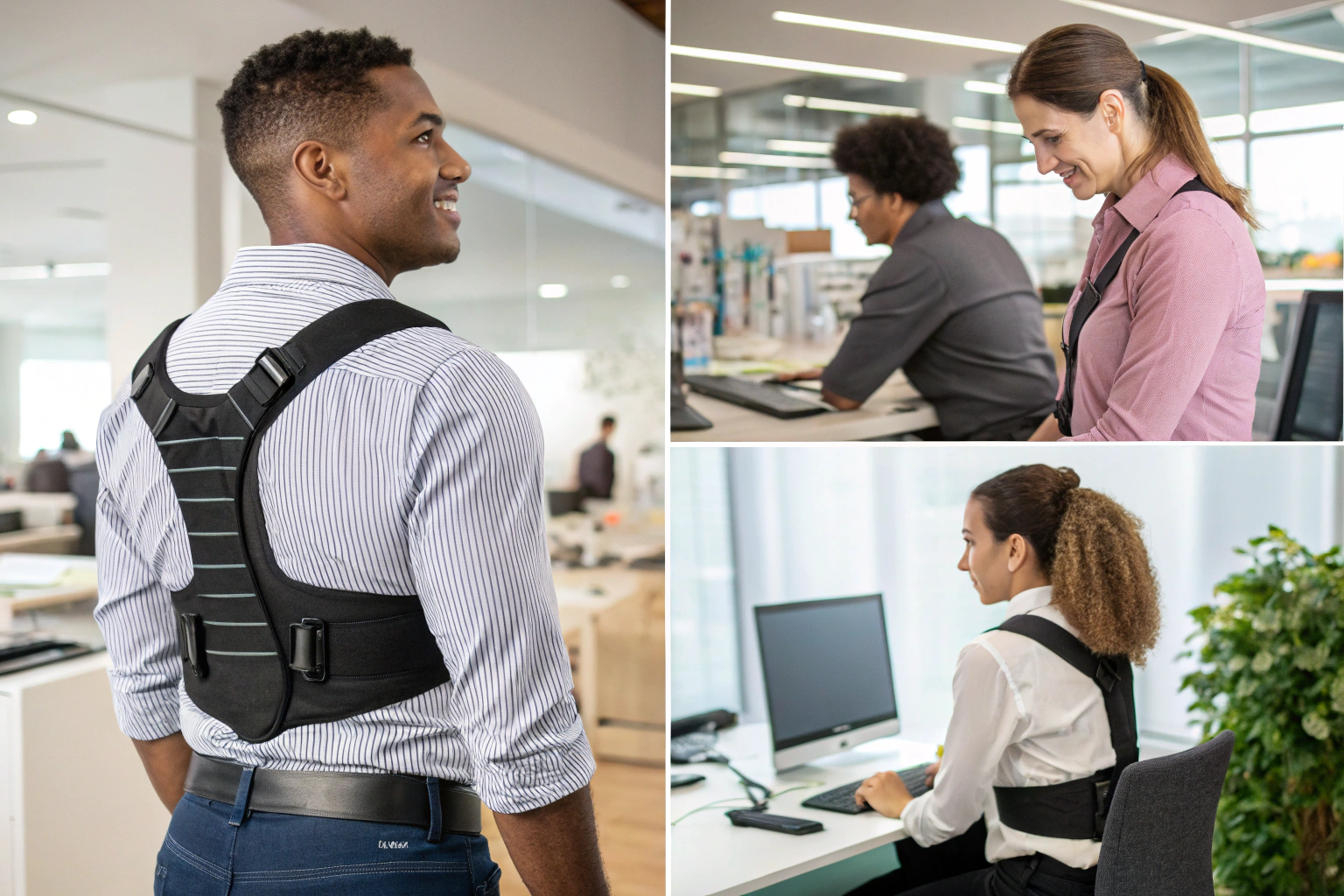
Chronic back pain affects millions of working adults, and many are seeking solutions beyond medication and physical therapy. While most people think of belts as mere fashion accessories or simple waist holders, a growing segment now looks for therapeutic benefits in their everyday wear. The challenge for buyers and brands is finding manufacturers who can deliver genuine posture support rather than just marketing claims.
Sourcing belts with legitimate posture support features requires identifying manufacturers with expertise in ergonomic design, medical-grade materials, and proper biomechanical principles. These specialized belts incorporate rigid backing, strategic pressure distribution, and adjustable support systems that actively encourage proper spinal alignment and reduce lower back strain during extended sitting or standing.
This comprehensive guide will help you navigate the specialized market of posture support belts, from identifying genuine therapeutic features to establishing relationships with manufacturers who understand both medical requirements and fashion considerations.
What Defines Genuine Posture Support in Belt Design?
Many products claim posture benefits, but true therapeutic support requires specific design elements that differentiate them from standard belts. Understanding these key features helps you identify manufacturers with real expertise versus those simply adding marketing claims to existing products.
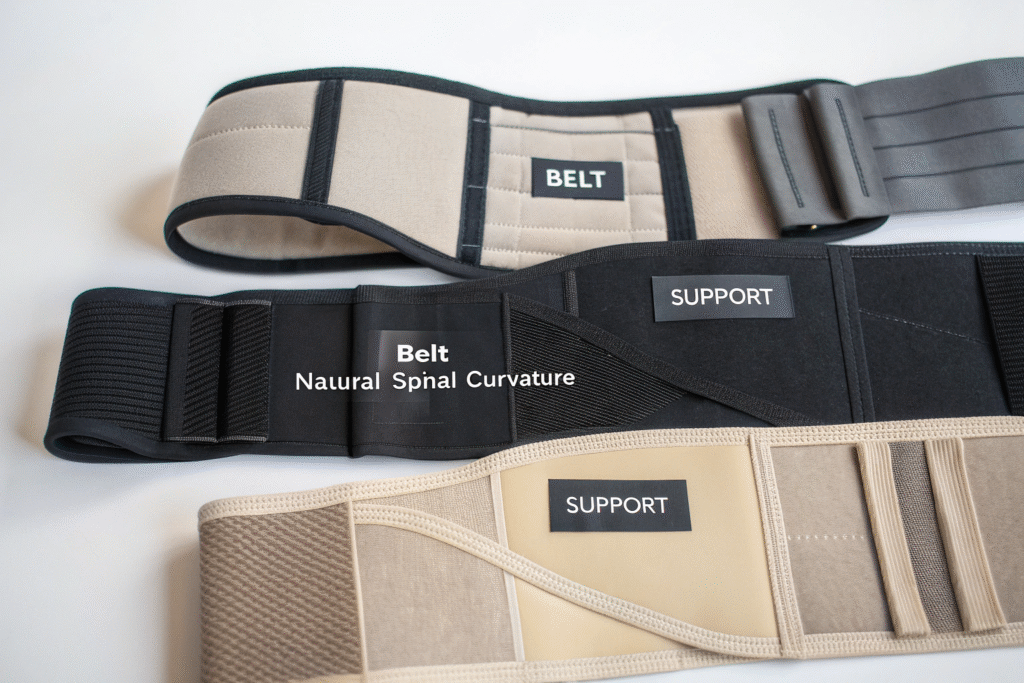
Genuine posture support belts feature rigid or semi-rigid backing panels, strategic pressure distribution systems, and adjustable tension mechanisms. These elements work together to encourage natural spinal curvature, reduce slouching, and provide meaningful lumbar support that standard fashion belts cannot deliver.
Why Do Rigid Back Panels Provide Essential Support?
The primary difference between posture belts and regular belts lies in their structural integrity. While fashion belts simply circle the waist, posture belts incorporate rigid polymer panels that prevent forward flexion and encourage upright positioning. These panels are typically positioned at the small of the back where they can most effectively support the lumbar spine's natural curve.
How Does Strategic Pressure Distribution Prevent Discomfort?
Poorly designed support belts can create pressure points that cause additional problems. Quality designs use graduated compression systems that distribute support evenly across the back and abdomen. This approach avoids concentrating pressure in small areas while still providing the gentle reminder to maintain proper posture throughout the day.
Which Materials Deliver Both Support and Comfort?
Material selection critically impacts both the therapeutic effectiveness and wearability of posture support belts. The ideal materials provide structural integrity for support while remaining comfortable enough for all-day wear in various environments.
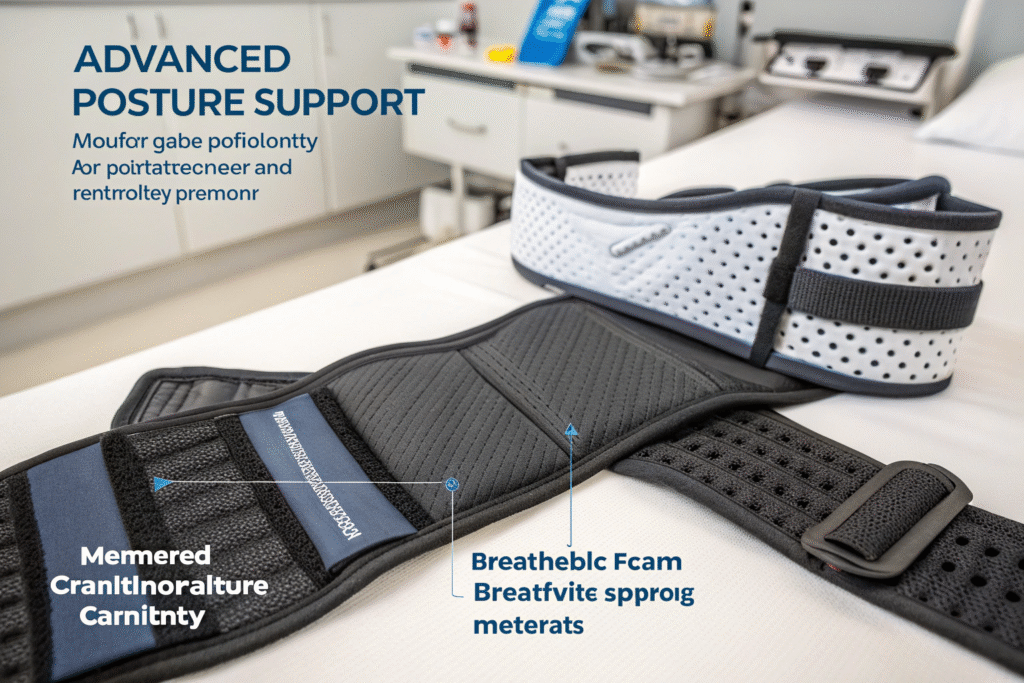
Medical-grade polymers, memory foam padding, breathable mesh interfaces, and flexible yet supportive strapping materials represent the optimal combination for effective posture belts. These materials work together to provide therapeutic benefits without sacrificing comfort or mobility.
Why Do Medical-Grade Polymers Outperform Standard Materials?
The rigid elements in posture belts require specific material properties that standard plastics cannot provide. Medical-grade polymers maintain their shape under body heat and movement while being hypoallergenic and durable enough for daily use. These specialized materials undergo rigorous testing to ensure they provide consistent support without degrading over time.
How Does Breathable Interface Material Enhance Wearability?
Since posture belts are often worn directly against skin or thin clothing, the interface material must manage moisture and prevent irritation. Advanced moisture-wicking fabrics with antimicrobial properties maintain comfort during extended wear while reducing skin problems that can occur with non-breathable materials. This is particularly important for users who wear the belts throughout their workday.
| Material Component | Functional Benefit | Ideal Applications |
|---|---|---|
| Thermoformable Polymers | Customizable fit, memory retention | Professional drivers, office workers |
| Medical-Grade Memory Foam | Even pressure distribution, comfort | Extended wear, sedentary occupations |
| Ventilated Mesh Panels | Air circulation, reduced sweating | Active roles, warm environments |
| Hypoallergenic Linings | Skin protection, sensitivity reduction | Healthcare, food service industries |
How to Verify Manufacturer Expertise in Ergonomic Design?
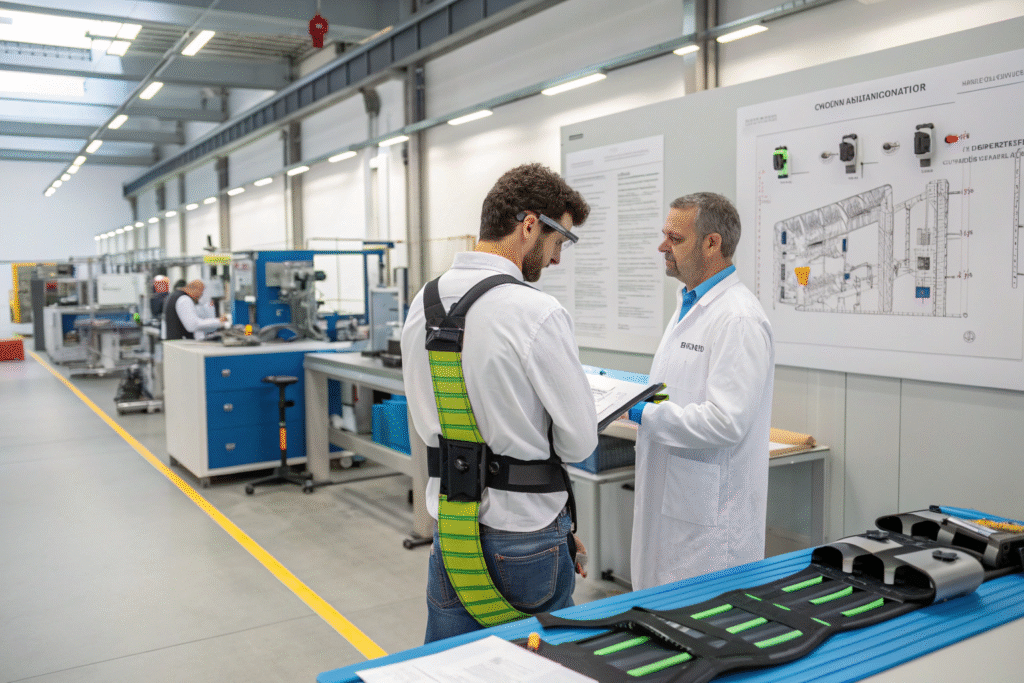
Sourcing true posture support belts requires working with manufacturers who understand biomechanics rather than just sewing operations. Several verification methods help identify suppliers with genuine expertise in therapeutic product development.
Manufacturers with legitimate ergonomic expertise employ product designers with biomechanics training, conduct clinical testing, and can provide detailed explanations of their design choices based on anatomical principles. These capabilities separate true specialists from general belt manufacturers adding posture claims to standard products.
What Qualifications Should Their Design Team Possess?
Look for manufacturers whose design staff includes professionals with backgrounds in ergonomic engineering or physical therapy. These qualifications ensure the products are developed based on sound biomechanical principles rather than guesswork. Manufacturers investing in specialized expertise typically provide more effective and safer products.
What Testing Evidence Demonstrates Real Support Claims?
Reputable manufacturers conduct usability studies and can provide data supporting their posture improvement claims. While most posture belts are classified as wellness products rather than medical devices, manufacturers should still have testing protocols that validate their designs provide meaningful benefits compared to standard belts.
What Sourcing Considerations Ensure Product Success?
Successfully bringing posture support belts to market requires addressing several practical considerations beyond just product design. Manufacturing capabilities, regulatory compliance, and market positioning all impact the ultimate success of these specialized products.
Key sourcing considerations include manufacturing precision for consistent support, material traceability for quality assurance, and appropriate regulatory documentation for your target markets. These factors ensure the products perform as designed and meet all necessary requirements for distribution.
Why Does Manufacturing Precision Matter for Therapeutic Products?
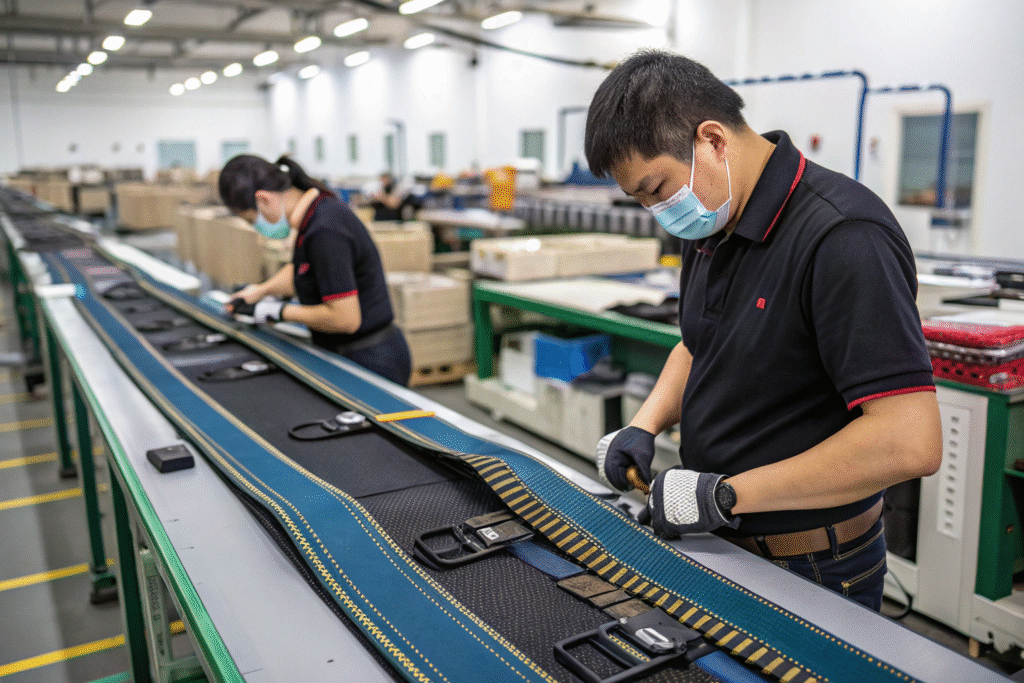
Unlike fashion belts where minor variations might go unnoticed, posture support belts require consistent construction to deliver uniform therapeutic benefits. Manufacturers must maintain tight quality control standards for panel positioning, stitching tension, and material consistency to ensure every belt provides the intended support level.
What Regulatory Pathways Apply to Posture Support Products?
While most posture belts fall outside strict medical device regulations, understanding the regulatory landscape helps prevent compliance issues. Manufacturers should be knowledgeable about relevant standards and able to provide appropriate documentation for your specific market requirements, particularly if making specific health claims.
Conclusion
Sourcing genuine posture support belts requires moving beyond traditional fashion belt suppliers to identify manufacturers with specific expertise in ergonomic design and therapeutic product development. By focusing on suppliers with proven biomechanical understanding, appropriate material selection, and rigorous quality control, you can bring effective posture solutions to a market increasingly seeking comfort and support in their daily wear.
Ready to develop posture support belts that combine therapeutic benefits with style? At StylishBelts, we specialize in ergonomic designs that address real postural needs without sacrificing fashion. Contact our Business Director Elaine today at elaine@fumaoclothing.com to discuss how we can help you create supportive products that stand out in the market.