Niche boutiques face a constant challenge: they need unique, curated collections that differentiate them from mass-market competitors, but they often lack the purchasing power to meet standard minimum order quantities (MOQs). This disconnect forces many boutique owners to either compromise their curation vision or struggle with inventory financing that strains their business operations.
Negotiating MOQs for niche boutique collections requires understanding manufacturer constraints, demonstrating growth potential, and creating win-win scenarios that benefit both parties. Successful negotiation involves strategic relationship building, flexible order structuring, and clear communication about mutual benefits beyond simple order volume.
The dynamics of boutique manufacturing have evolved significantly, creating new opportunities for smaller retailers. This guide provides practical strategies for negotiating favorable MOQ terms that support boutique business models while respecting manufacturer operational requirements.
What Preparation Strategies Strengthen MOQ Negotiations?
Successful MOQ negotiations begin long before the actual discussion occurs. Thorough preparation demonstrates professionalism and understanding of manufacturing realities, positioning boutique owners as valuable long-term partners rather than difficult small clients.
Researching manufacturer capabilities, analyzing collection economics, and developing flexible alternatives create a strong foundation for productive negotiations. This preparation shows manufacturers that you respect their business needs while advocating for your boutique's specific requirements.

How Does Understanding Manufacturer Costs Improve Negotiation Position?
Manufacturers base MOQs on production efficiency thresholds that cover setup costs, material procurement, and labor allocation. By demonstrating understanding of these cost drivers, boutique owners can propose alternatives that address the manufacturer's bottom-line concerns. For example, understanding that material purchasing often drives MOQ requirements allows you to suggest using existing materials or standard components.
Why Does Collection Planning Impact MOQ Flexibility?
Presenting a well-developed collection strategy with clear market positioning demonstrates that you're building a sustainable business rather than testing random products. Manufacturers show greater flexibility to boutiques that can articulate a coherent vision, target customer profile, and growth trajectory. This professional approach signals potential for future volume increases that justify initial accommodation.
What Negotiation Tactics Create Win-Win Outcomes?
Effective MOQ negotiation focuses on creating mutual benefit rather than simply demanding concessions. The most successful approaches identify creative solutions that address both parties' core business needs while building foundation for long-term partnership.
Phased ordering, component standardization, and relationship-building strategies often prove more effective than simple price haggling. These tactics demonstrate commitment to the manufacturer's success while achieving boutique-friendly terms.

How Does Phased Ordering Satisfy Both Parties?
Proposing staggered delivery schedules that meet annual volume commitments while accommodating boutique cash flow can break MOQ deadlocks. For example, committing to 600 pieces annually delivered in quarterly 150-piece shipments may meet the manufacturer's production planning needs while fitting the boutique's inventory budget. This approach demonstrates serious commitment while acknowledging scale differences.
Can Component Standardization Reduce Effective MOQs?
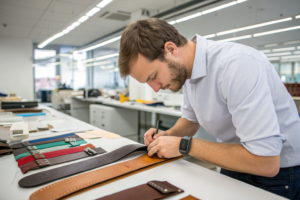
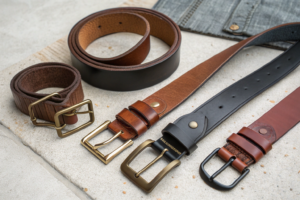
Manufacturers often impose high MOQs due to custom material requirements rather than assembly capacity. By selecting standardized components from the manufacturer's existing inventory—buckles, leather types, or hardware that they regularly stock—boutiques can significantly reduce minimums. This approach maintains design uniqueness through combination and detailing rather than fully custom elements.
How Can Boutiques Demonstrate Long-Term Partnership Value?
Manufacturers accommodate lower MOQs when they perceive potential for significant future business. Strategic demonstration of growth potential and professional operations can position small boutiques as valuable emerging accounts worth initial investment.
Building credibility through business documentation, marketing capability demonstration, and reference relationships shows manufacturers they're partnering with serious entrepreneurs rather than hobbyists.

What Business Documentation Builds Manufacturer Confidence?
Presenting professional business plans with realistic financial projections demonstrates that you're building a sustainable enterprise. Including market research, customer acquisition strategies, and multi-year growth plans shows manufacturers the potential future volume that justifies accommodating initial smaller orders. This documentation positions your boutique as a business investment rather than a simple transaction.
How Does Marketing Capability Influence MOQ Flexibility?
Manufacturers recognize that boutiques with strong marketing and brand-building capabilities can drive demand that ultimately benefits both parties. Demonstrating social media presence, press relationships, and customer engagement strategies shows you can move product effectively, reducing the manufacturer's risk in producing smaller quantities. This marketing capability becomes particularly valuable when targeting niche markets the manufacturer wants to explore.
| Negotiation Strategy | Manufacturer Benefit | Boutique Advantage |
|---|---|---|
| Phased Deliveries | Production planning certainty | Manageable inventory investment |
| Component Standardization | Material utilization efficiency | Maintained design uniqueness |
| Growth Commitments | Future volume assurance | Initial accessibility |
| Pre-Production Payment | Reduced financial risk | Lower quantity thresholds |
What Alternative Approaches Bypass Traditional MOQ Barriers?
When direct MOQ negotiation reaches limits, creative structural approaches can achieve boutique objectives through different pathways. These alternatives require flexibility but can unlock manufacturing access that otherwise remains unavailable.
Production sharing, collection partnerships, and hybrid manufacturing models offer pathways to unique products without meeting standard individual MOQs. These approaches require more complex coordination but can provide sustainable solutions for niche collections.

Can Production Sharing With Other Boutiques Work?
Collaborating with non-competing boutiques serving similar customer profiles can aggregate order volume to meet MOQs while maintaining individual brand identity. This approach works particularly well for basic components or materials that can be customized separately. The key success factors include clear agreements, compatible quality standards, and reliable partnership dynamics.
How Do Hybrid Manufacturing Models Increase Flexibility?
Some manufacturers offer combination production runs where standard base products receive boutique-specific customization. For example, a manufacturer might produce generic belt bodies in large quantities then add boutique-specific buckles or finishing in smaller batches. This hybrid approach leverages manufacturing efficiency while accommodating boutique uniqueness requirements.
Conclusion
Negotiating MOQs for niche boutique collections requires a blend of preparation, creativity, and relationship building that addresses both manufacturer constraints and boutique business models. By understanding production economics, demonstrating growth potential, and developing flexible ordering approaches, boutiques can access the unique products that define their market position while respecting manufacturer operational requirements. The most successful outcomes emerge from partnerships where both parties feel their core business needs are understood and valued.
Ready to develop boutique collections with flexible MOQ terms? At StylishBelts, we specialize in working with emerging brands and niche boutiques to create unique collections with achievable minimums. Contact our Business Director Elaine today at elaine@fumaoclothing.com to discuss how our flexible manufacturing approach can support your boutique's unique vision.