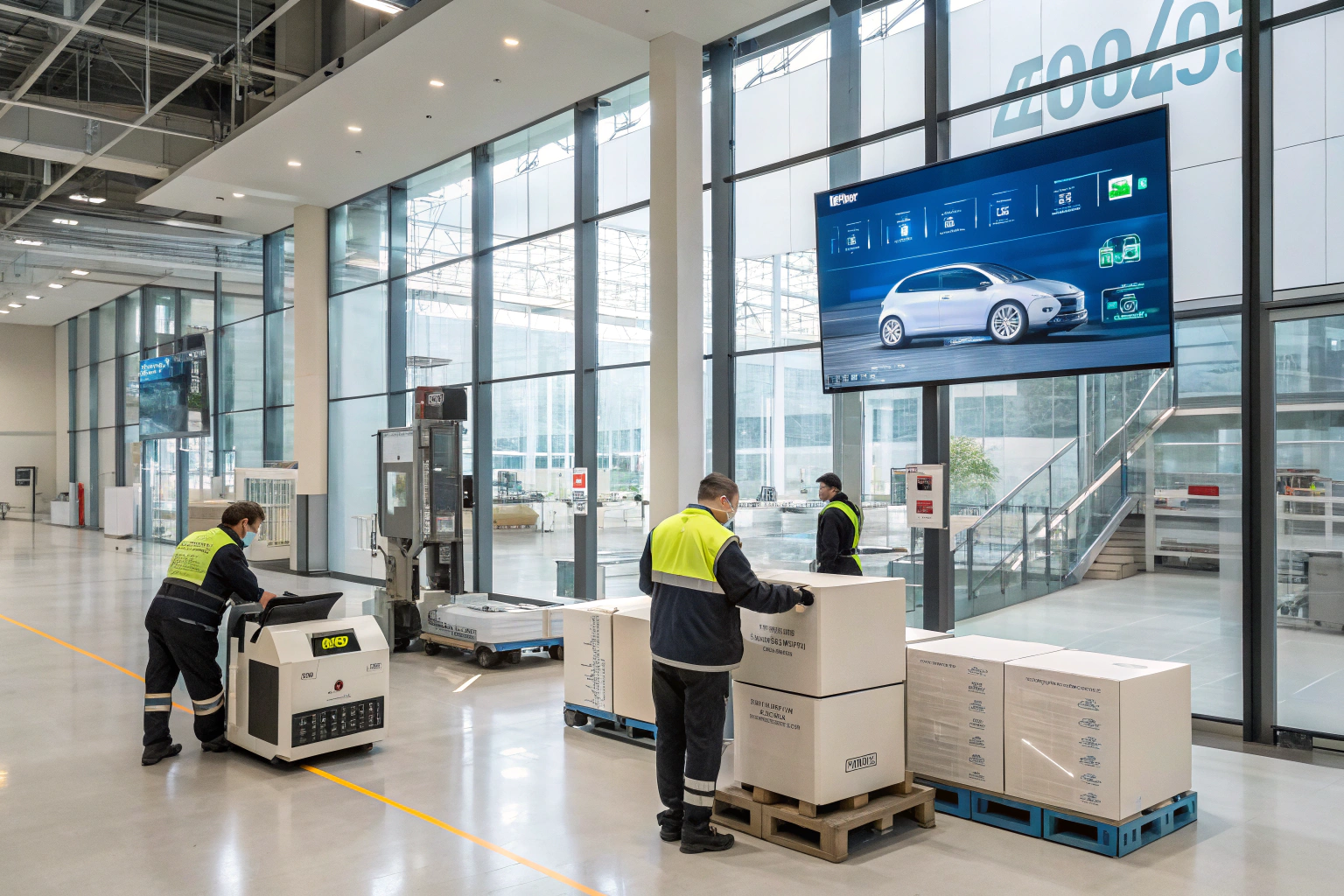
The fashion industry faces increasing pressure to reduce its environmental footprint, with shipping representing a significant portion of its carbon emissions. For belt manufacturers and retailers, traditional shipping methods contribute substantially to their carbon footprint while simultaneously facing growing consumer demand for sustainable practices. The challenge lies in balancing cost, efficiency, and environmental responsibility.
Implementing carbon-neutral belt shipping requires calculating emissions accurately, selecting sustainable transportation options, purchasing verified carbon offsets, and optimizing packaging to minimize environmental impact. This comprehensive approach addresses the entire shipping lifecycle from warehouse to customer, transforming a necessary business function into an environmental responsibility opportunity.
The transition to carbon-neutral shipping represents both an ethical imperative and competitive advantage in today's market. This guide provides a practical framework for belt companies to eliminate their shipping emissions while maintaining operational efficiency and customer satisfaction.
What Carbon Calculation Methods Ensure Accurate Emissions Tracking?
The foundation of carbon-neutral shipping begins with precise emissions measurement. Without accurate data, offset purchases and reduction strategies lack credibility and effectiveness. Modern calculation methodologies provide the transparency needed for genuine carbon neutrality.
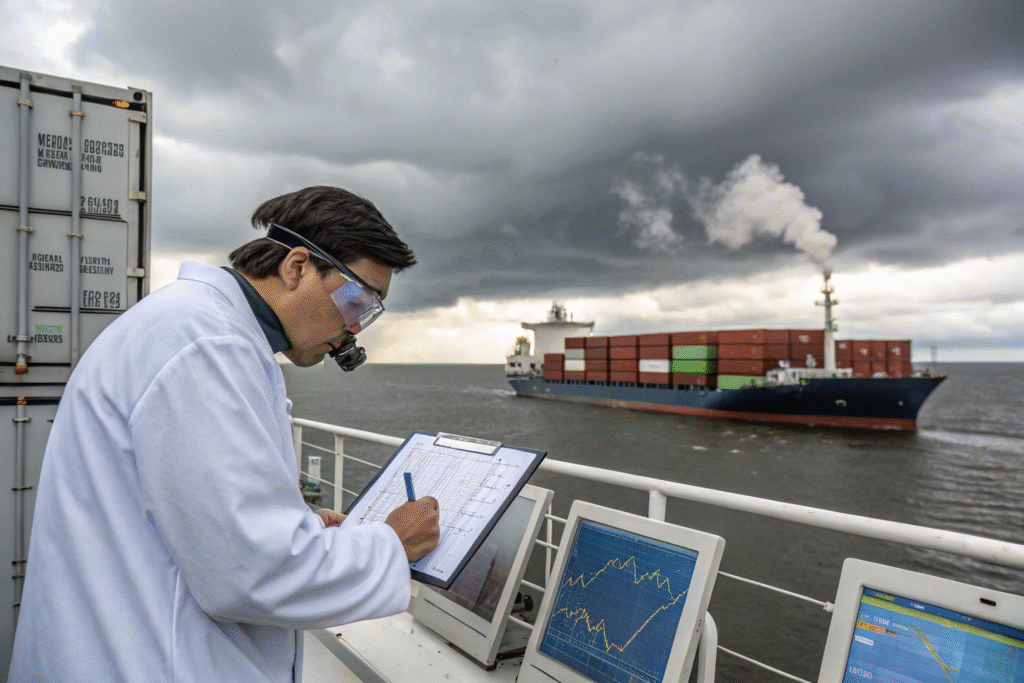
Standardized emissions factors, logistics-specific calculators, and comprehensive scope definitions create a reliable framework for measuring shipping-related carbon output. These methodologies account for transportation mode, distance, weight, and fuel types to generate accurate emissions data.
How Do Logistics Emissions Factors Create Consistent Measurement?
The Global Logistics Emissions Council (GLEC) Framework provides standardized emissions factors that ensure consistent calculation across different transportation modes and geographic regions. This internationally recognized methodology accounts for variables like vehicle efficiency, load factors, and empty return trips that significantly impact per-shipment emissions. Implementing GLEC standards ensures your carbon calculations meet industry best practices.
Why Must Companies Calculate All Three Emission Scopes?
Comprehensive carbon accounting requires addressing Scope 1, 2, and 3 emissions as defined by the Greenhouse Gas Protocol. For belt shipping, this includes direct emissions from company vehicles (Scope 1), indirect emissions from purchased electricity (Scope 2), and all other indirect emissions including outsourced transportation (Scope 3). Proper scope classification prevents emissions shifting rather than genuine reduction.
What Sustainable Transportation Options Reduce Shipping Impact?
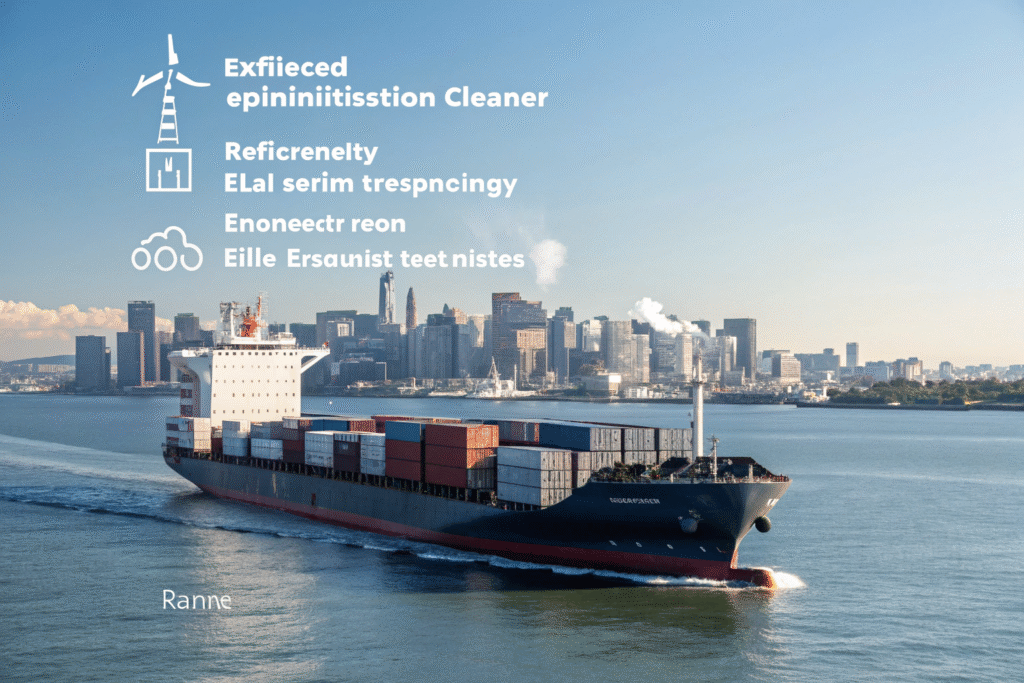
After establishing accurate emissions baselines, implementing lower-carbon transportation methods represents the most effective strategy for reducing shipping environmental impact. Multiple options exist across different price points and logistical requirements.
Route optimization, modal shifts, and carrier selection significantly decrease emissions before offsetting becomes necessary. These operational changes often provide cost savings alongside environmental benefits, creating immediate business value.
How Does Route Optimization Decrease Fuel Consumption?
Advanced route optimization software analyzes traffic patterns, delivery windows, and vehicle characteristics to identify the most fuel-efficient paths. These systems typically reduce distance traveled by 5-15% while decreasing idle time and inefficient routing. The emissions reductions achieved through optimization represent permanent improvements rather than temporary offsets.
Why Do Modal Shifts Offer Significant Emissions Reductions?
Transitioning appropriate shipments from air to sea or rail transport can reduce emissions by 80-95% per kilogram shipped. While slower delivery times require inventory planning adjustments, the environmental benefits are substantial. For belt shipments not requiring urgent delivery, modal shifting represents the single most effective emissions reduction strategy.
What Carbon Offset Programs Provide Legitimate Environmental Benefits?
After implementing reduction strategies, remaining emissions require offsetting through verified environmental projects. The carbon offset market varies significantly in quality and impact, making careful selection essential for genuine carbon neutrality.
High-quality offsets demonstrate additionality, permanence, and verification while supporting projects that align with company values. These characteristics ensure offset purchases create real environmental benefits rather than simply transferring emissions responsibility.

How Does Additionality Verify Offset Legitimacy?
Additionally ensures that offset projects represent emissions reductions that wouldn't have occurred without carbon financing. This crucial principle prevents companies from claiming credit for business-as-usual activities or projects that would have proceeded regardless of offset investments. Verified Carbon Standard (VCS) and Gold Standard certifications provide reliable additionality verification.
Why Do Nature-Based Solutions Align Well with Fashion Brands?
Forest conservation and reforestation projects often resonate particularly well with fashion consumers while providing verified emissions sequestration. These projects frequently deliver co-benefits like biodiversity protection and community support that enhance brand storytelling. The tangible nature of these offsets makes them more understandable to consumers than technical industrial projects.
| Strategy | Emissions Reduction | Implementation Timeline |
|---|---|---|
| Route Optimization | 5-15% | Immediate (software implementation) |
| Air to Sea Modal Shift | 80-95% | 2-4 months (logistics restructuring) |
| Electric Last-Mile Delivery | 100% (local) | 6-12 months (carrier contracts) |
| Packaging Optimization | 10-30% (indirect) | 1-3 months (redesign and testing) |
How Can Packaging Innovations Support Carbon-Neutral Goals?
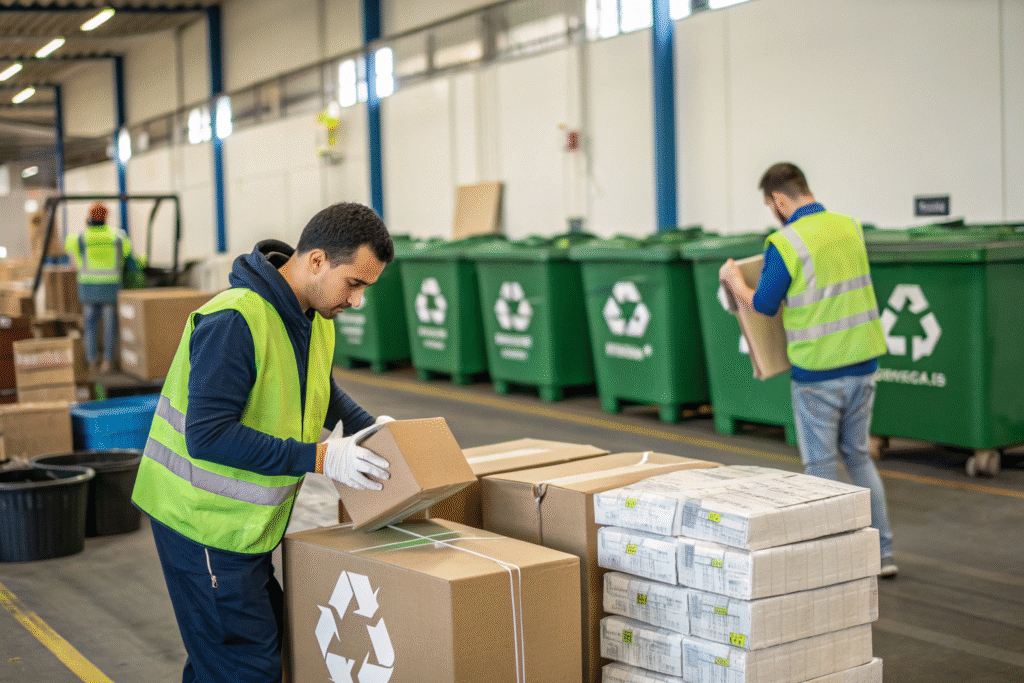
Shipping emissions extend beyond transportation to include packaging production and disposal impacts. Sustainable packaging strategies reduce both direct emissions and the carbon intensity of shipped products.
Material reduction, recycled content, and circular design principles decrease packaging's carbon footprint while maintaining product protection. These approaches often reduce costs alongside environmental impact.
Why Does Right-Sizing Packaging Reduce Emissions?
Packaging optimization through right-sizing eliminates wasted space that increases shipping volume and requires additional protective materials. Even small reductions in package dimensions can significantly decrease emissions across thousands of shipments through improved transportation efficiency. The resulting dimensional weight reductions also directly lower shipping costs.
How Do Recycled Materials Lower Packaging Carbon Footprint?
Packaging manufactured from post-consumer recycled materials typically requires 30-70% less energy than virgin material production. This substantial emissions reduction occurs before the packaging even enters the shipping stream. Using recycled content also supports circular economy principles that resonate with environmentally conscious consumers.
Conclusion
Implementing carbon-neutral belt shipping requires a systematic approach that combines accurate emissions measurement, transportation optimization, legitimate offset investments, and sustainable packaging strategies. By addressing each element of the shipping lifecycle, companies can genuinely eliminate their shipping carbon footprint while potentially reducing costs and enhancing brand reputation. The transition to carbon-neutral shipping represents both an environmental responsibility and business opportunity in an increasingly sustainability-focused marketplace.
Ready to implement carbon-neutral shipping for your belt collections? At StylishBelts, we've developed comprehensive sustainable shipping solutions that maintain efficiency while eliminating environmental impact. Contact our Business Director Elaine today at elaine@fumaoclothing.com to discuss how our carbon-neutral logistics can support your sustainability goals.