The fashion industry faces a critical data gap between point of sale and actual product usage. Traditional feedback methods like email surveys achieve abysmal response rates, while product reviews often capture only extreme experiences. This leaves brands guessing about how products actually perform in real-world conditions and what drives customer satisfaction.
Sourcing belts with built-in post-purchase surveys requires identifying manufacturers who integrate QR technology, NFC chips, or unique digital identifiers directly into product packaging or tags. These technologies create seamless feedback channels that capture customer insights at the moment of maximum engagement—when customers first use their new accessories.
The convergence of physical products and digital feedback systems represents a significant advancement in customer intelligence. This guide explores the sourcing strategies, technological options, and implementation considerations for belts that automatically facilitate post-purchase feedback collection.
What Technologies Enable Seamless Post-Purchase Feedback?
Traditional survey methods create friction by requiring customers to switch contexts and remember to provide feedback later. Integrated technologies embed the feedback mechanism directly into the product experience, dramatically increasing response rates and data quality.
QR codes, NFC tags, and unique digital IDs represent the most practical technologies for integrating post-purchase surveys into belt products. Each option offers different advantages in terms of cost, implementation complexity, and customer experience.
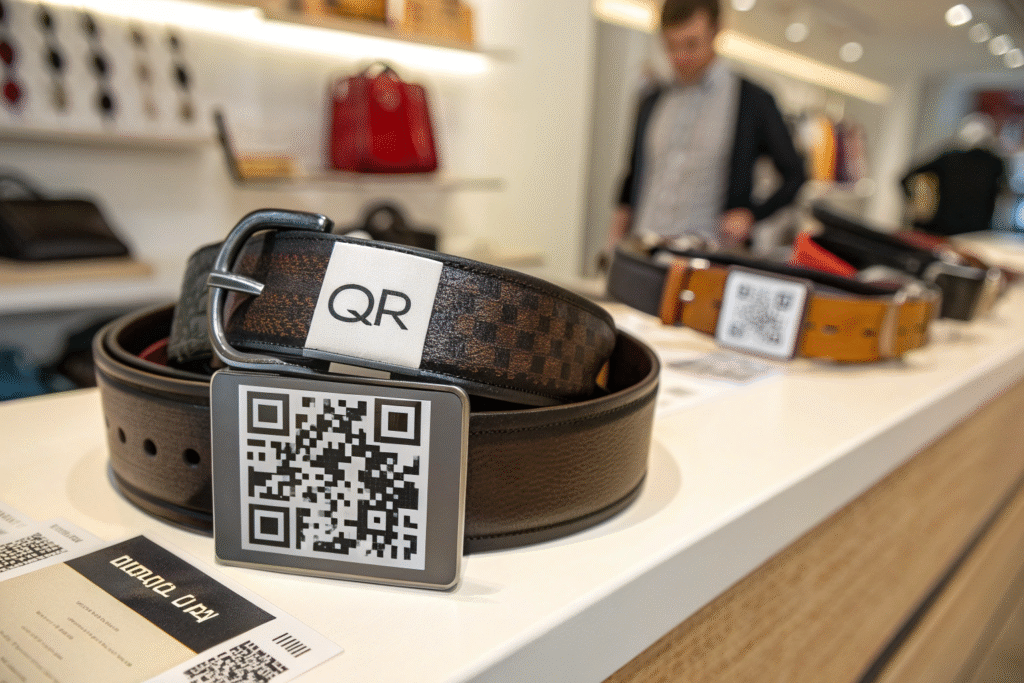
How Do QR Codes Create Accessible Feedback Channels?
QR code integration offers the most cost-effective approach to built-in surveys, requiring only printed tags or packaging elements. Customers simply scan the code with their smartphone camera to access a mobile-optimized survey. The technology works with virtually all modern smartphones without requiring special apps, making it accessible to nearly all customers regardless of technical sophistication.
Why Are NFC Tags Gaining Popularity for Premium Products?
Near Field Communication (NFC) tags provide even smoother customer experiences by allowing customers to tap their phone against the product tag rather than aiming a camera. This one-touch access feels more premium and technological, potentially increasing engagement rates among fashion-forward consumers. While more expensive than QR codes, NFC tags reinforce brand positioning as innovative and customer-focused.
What Manufacturing Partnerships Support Survey Integration?
Successfully sourcing belts with built-in feedback systems requires manufacturers who understand both physical production and digital integration. Traditional belt manufacturers may lack the technical capabilities or strategic understanding to implement these systems effectively.
Look for manufacturers with experience in smart packaging, technology partnerships, and data-driven production approaches. These capabilities indicate a supplier who can seamlessly integrate physical and digital elements.

What Questions Reveal Manufacturer Technical Capability?
When evaluating potential suppliers, ask specific questions about their experience with connected packaging, existing technology partnerships, and previous implementations of product-integrated digital experiences. Manufacturers who can discuss customer journey mapping and data collection strategies typically possess the necessary strategic understanding beyond simple technical execution.
How Can Existing Technology Partnerships Accelerate Implementation?
Manufacturers with established relationships with QR code providers, NFC tag suppliers, or survey platform developers can significantly reduce implementation time and complexity. These partnerships indicate they've already navigated the technical challenges of integrating physical products with digital experiences, providing valuable expertise that prevents common implementation pitfalls.
What Survey Design Maximizes Customer Response Rates?
The technology platform matters little if the survey experience fails to engage customers. Successful post-purchase surveys balance comprehensive data collection with respect for customer time and attention.
Short, mobile-optimized surveys with strategic question sequencing and appropriate incentives achieve the highest completion rates. The design should recognize that customers are providing feedback as a favor, not an obligation.

Why Does Survey Length Critically Impact Completion Rates?
Data shows that survey completion rates drop dramatically after 3-5 minutes of respondent time. For product-integrated surveys, the optimal length is even shorter—typically 1-2 minutes maximum. Successful belt surveys focus on 3-5 crucial questions that provide actionable insights rather than exhaustive data collection that few customers will complete.
How Can Strategic Question Sequencing Improve Data Quality?
Beginning with engaging, easy-to-answer questions builds momentum that carries respondents through more challenging questions later. For belt surveys, starting with visual appeal and comfort ratings before asking about specific features or improvements creates a natural flow that feels conversational rather than interrogative.
What Data Integration Strategies Create Actionable Insights?
Collecting survey data provides little value unless it integrates seamlessly with existing business systems and triggers appropriate actions. The technology infrastructure must support real-time data flow and automated response systems.
API integrations, automated reporting, and trigger-based alert systems transform raw survey responses into actionable business intelligence. These systems ensure feedback directly influences product development, customer service, and marketing strategies.

How Can API Integrations Streamline Data Flow?
Modern survey platforms offer RESTful API connections that automatically transfer response data to CRM systems, product management databases, and customer service platforms. This seamless integration ensures feedback immediately influences relevant business functions without manual data processing. The automation also reduces the risk of valuable insights being overlooked or delayed.
What Alert Systems Enable Proactive Customer Service?
Implementing real-time alert triggers for negative feedback allows customer service teams to intervene immediately when customers report problems. A customer reporting belt quality issues can receive a proactive service contact within hours rather than days, potentially salvaging the relationship and demonstrating exceptional customer care. This responsive approach transforms negative experiences into loyalty-building opportunities.
| Technology | Implementation Cost | Customer Experience | Response Rate Potential |
|---|---|---|---|
| QR Codes | Low ($0.05-0.25 per unit) | Good (requires camera aiming) | 15-25% |
| NFC Tags | Medium ($0.75-2.00 per unit) | Excellent (one-touch access) | 25-40% |
| Unique Digital IDs | Low ($0.10-0.30 per unit) | Good (manual code entry) | 10-20% |
Conclusion
Sourcing belts with built-in post-purchase surveys requires strategic manufacturer selection, appropriate technology choices, and thoughtful survey design that collectively create seamless feedback experiences. By integrating data collection directly into the product experience, brands gain unprecedented insights into customer satisfaction, product performance, and improvement opportunities. The approach transforms passive products into active data collection tools that drive continuous improvement and customer-centric innovation.
Ready to develop belts with integrated feedback systems that provide valuable customer insights? At StylishBelts, we specialize in creating connected products that bridge physical quality and digital intelligence. Contact our Business Director Elaine today at elaine@fumaoclothing.com to discuss how our survey-integrated belts can transform your customer understanding and product development.