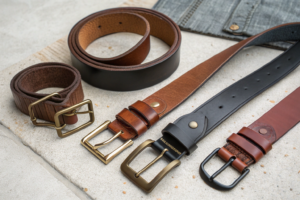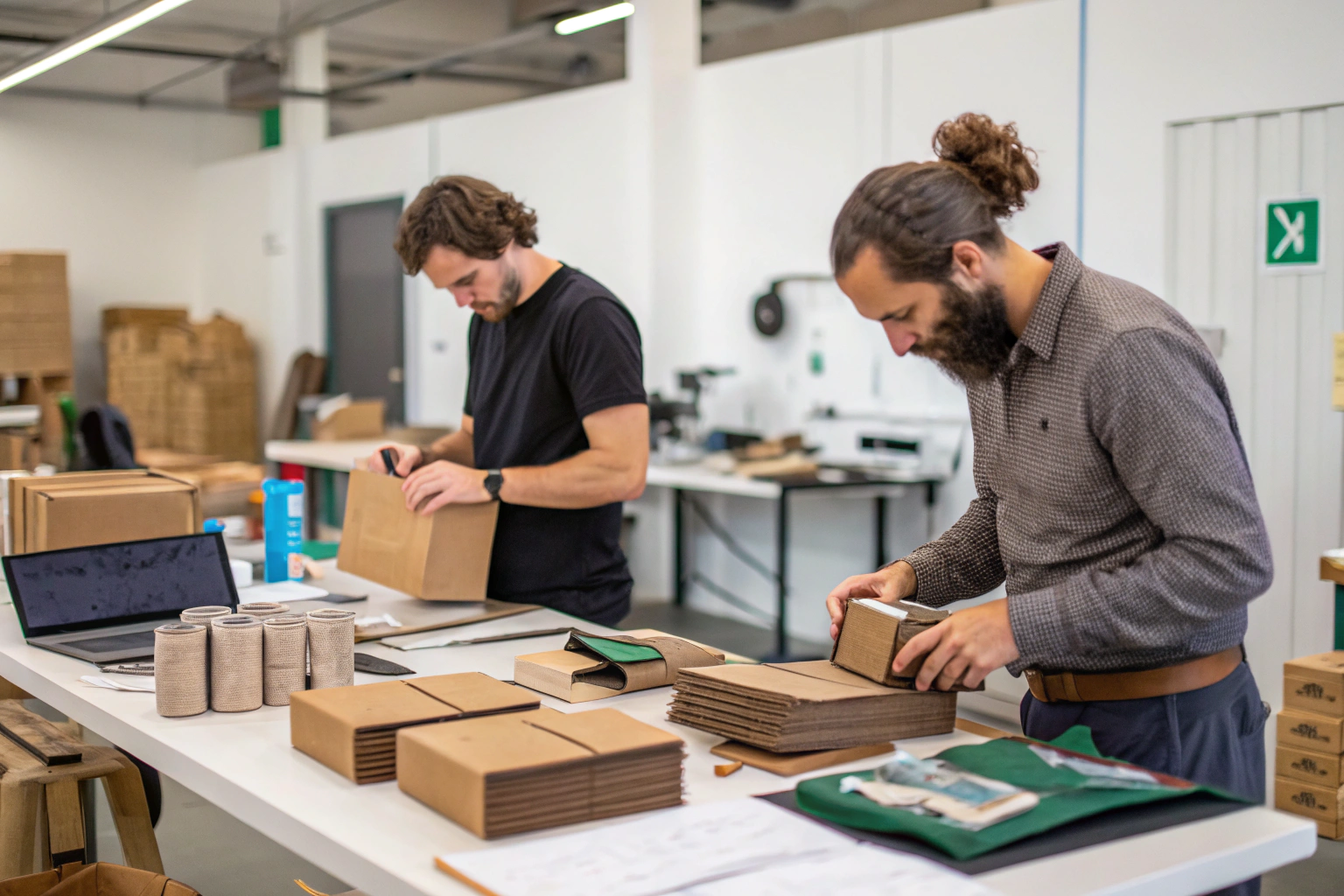
The fashion industry generates enormous packaging waste, with belts typically arriving in oversized boxes, plastic wraps, and excessive protective materials that immediately head to landfills. Consumers increasingly reject this waste, creating both an environmental imperative and market opportunity for sustainable packaging solutions. The challenge lies in protecting products during shipping while minimizing environmental impact.
Designing belts for reduced packaging waste requires rethinking materials, optimizing packaging dimensions, implementing circular systems, and designing the actual belt to be more packaging-friendly. This comprehensive approach addresses waste reduction at multiple levels while maintaining product protection and brand presentation.
Sustainable packaging represents both an ethical responsibility and competitive advantage in today's market. This guide explores practical strategies for significantly reducing packaging waste throughout the belt design and distribution process.
What Packaging Materials Minimize Environmental Impact?
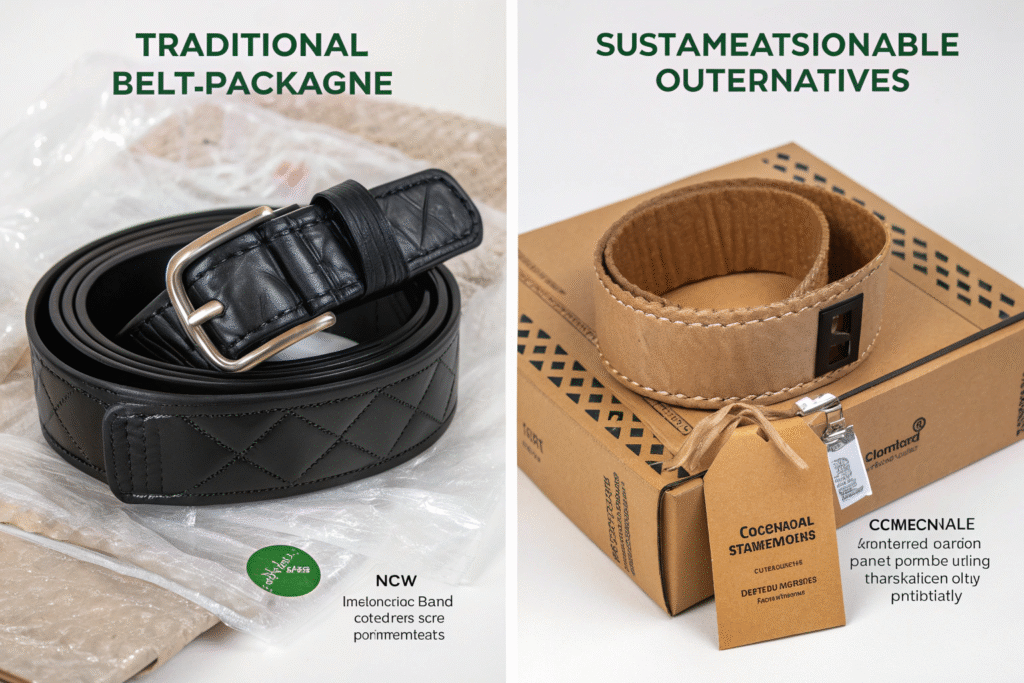
Traditional belt packaging relies heavily on virgin plastics, excessive cardboard, and non-recyclable composites. Sustainable alternatives exist that provide equal protection while dramatically reducing environmental footprint.
The most effective sustainable packaging materials are recycled content, easily separable components, and home-compostable alternatives. Each option offers different environmental benefits and practical considerations for belt packaging applications.
Why Do Recycled Cardboard and Paper Outperform Virgin Materials?
Packaging made from post-consumer recycled paper products typically requires 30-70% less energy than virgin material production while diverting waste from landfills. For belt boxes and inserts, recycled cardboard provides excellent protection with significantly lower carbon footprint. The material also enjoys high recycling rates and consumer recognition as environmentally responsible.
How Can Mushroom and Plant-Based Packaging Replace Plastics?
Mycelium (mushroom) packaging and plant-based biodegradable materials offer compelling alternatives to plastic belt wraps and protective inserts. These materials provide cushioning and moisture protection while being completely home-compostable. Though currently more expensive than conventional options, they eliminate plastic waste and align with consumer values around circularity.
How Does Belt Design Influence Packaging Requirements?
The physical characteristics of the belt itself significantly impact packaging needs. Designing belts to be more packaging-friendly from the outset creates opportunities for waste reduction that packaging-only approaches cannot achieve.
Belt flexibility, buckle profile, and material durability collectively determine how much protective packaging is required. Thoughtful product design can eliminate the need for excessive packaging elements.

Why Do Flexible Belt Designs Reduce Packaging Volume?
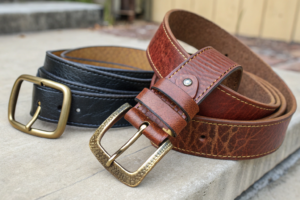
Belts designed with increased flexibility and rollability require significantly less packaging volume than rigid designs. Flexible belts can be rolled compactly rather than requiring flat, space-inefficient packaging. This simple design adjustment can reduce packaging volume by 40-60% while maintaining product protection through strategic folding techniques.
How Can Low-Profile Buckles Minimize Protective Packaging?
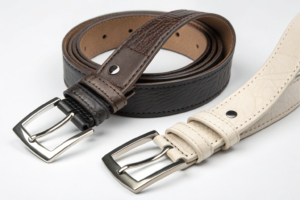
Belt buckles with reduced thickness and smoothed edges require less protective cushioning than bulky, protruding designs. Streamlined buckle profiles lie flatter against the belt body, eliminating the need for separate compartmentalization within packaging. This integrated approach to product and packaging design creates synergistic waste reduction benefits.
What Packaging Optimization Strategies Deliver Maximum Impact?
Beyond material selection, structural packaging design offers significant opportunities for waste reduction. Optimizing package dimensions, eliminating unnecessary components, and implementing smart design can dramatically decrease material usage.
Right-sizing, component elimination, and multi-functional design represent the most effective packaging optimization strategies. Each approach reduces waste while potentially lowering costs.

How Does Right-Sizing Packaging Reduce Material Usage?
Packaging optimization through dimensional analysis can reduce material consumption by 20-50% without compromising product protection. Simple adjustments like reducing empty space, optimizing panel sizes, and eliminating double-walled construction where unnecessary create substantial waste reduction. The resulting dimensional weight reductions also lower shipping emissions and costs.
Why Can Component Elimination Be More Effective Than Material Switching?
Removing unnecessary packaging elements often delivers greater environmental benefits than substituting sustainable materials. Eliminating plastic windows, separate instruction booklets, and redundant protective layers reduces waste at source rather than managing it after creation. This "less is more" approach frequently improves customer experience by reducing unpacking complexity.
How Can Circular Systems Transform Packaging Sustainability?
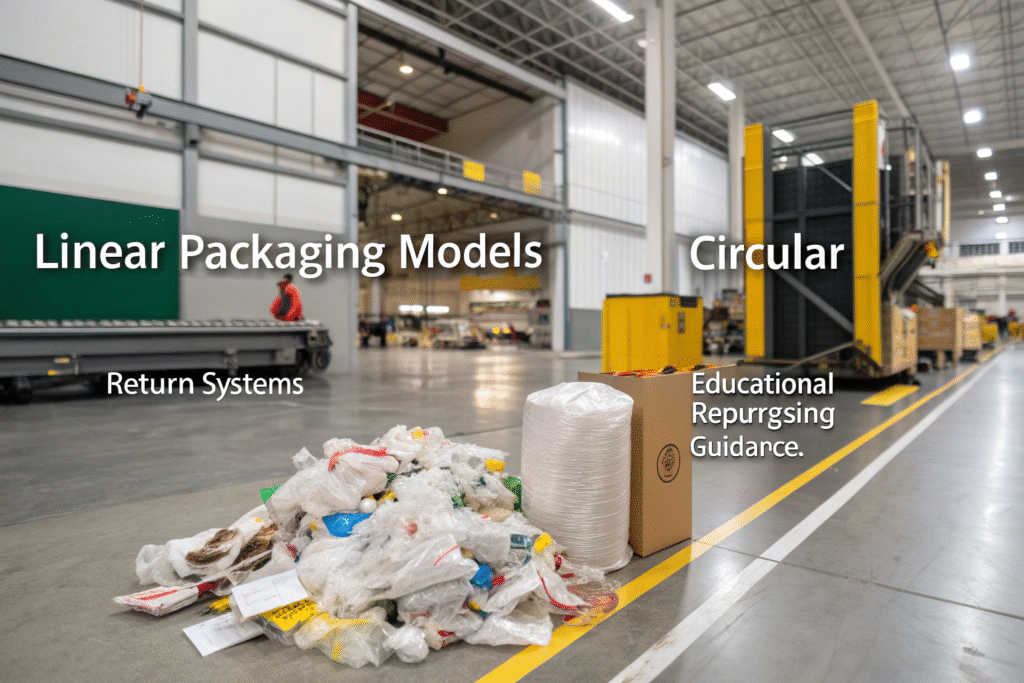
Traditional linear packaging models create inevitable waste, while circular approaches keep materials in continuous use. Implementing reusable, returnable, or repurposeable packaging represents the ultimate waste reduction strategy.
Return systems, reusable packaging, and educational repurposing guidance can transform packaging from waste stream to valuable resource. These approaches require more sophisticated logistics but deliver superior environmental outcomes.
What Makes Returnable Packaging Systems Economically Viable?
Closed-loop packaging systems where customers return packaging for reuse can achieve 10-20 uses per package, reducing per-shipment waste by 80-95%. While requiring initial investment in durable packaging and return logistics, these systems create long-term waste and cost reductions. The approach works particularly well for subscription models or brands with high customer loyalty.
How Can Packaging Repurposing Extend Material Lifespan?
Designing belt packaging to serve secondary functions after delivery extends material usefulness and prevents immediate disposal. Boxes that convert to storage containers, tissue paper that serves as wrapping paper, or inserts that become desk organizers provide additional value that justifies slightly more substantial initial packaging. This approach requires careful design to ensure the secondary function is intuitive and valuable to customers.
| Strategy | Waste Reduction | Implementation Complexity |
|---|---|---|
| Material Substitution | 30-70% | Low (supplier change) |
| Right-Sizing | 20-50% | Medium (redesign required) |
| Component Elimination | 15-40% | Low to Medium |
| Circular Systems | 80-95% | High (logistics development) |
Conclusion
Designing belts for reduced packaging waste requires a holistic approach that addresses materials, product design, packaging optimization, and circular systems. By implementing these strategies collectively, brands can dramatically decrease their environmental impact while meeting consumer demand for sustainable practices. The most successful approaches recognize that packaging waste reduction begins with product design and extends through the entire customer experience, creating benefits that encompass environmental responsibility, cost reduction, and brand enhancement.
Ready to develop belt collections with significantly reduced packaging waste? At StylishBelts, we specialize in sustainable design that minimizes environmental impact without compromising quality or presentation. Contact our Business Director Elaine today at elaine@fumaoclothing.com to discuss how our waste-reduction strategies can enhance your brand's sustainability profile.