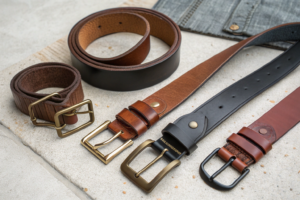
Consumers increasingly seek versatile, multi-functional products that adapt to their changing needs rather than single-purpose items that become obsolete. Traditional belt designs offer limited functionality, forcing users to choose between different belts for different purposes or carry separate accessories. This creates inconvenience, additional costs, and contributes to product redundancy and waste.
Modular attachment systems are gaining popularity because they offer unparalleled customization, extended product lifespan, reduced accessory clutter, and adaptability to changing needs and technologies. These systems transform basic belts into customizable platforms that can be tailored for specific activities, professions, or personal preferences without requiring multiple complete belts.
The convergence of user demand for personalization and manufacturers' interest in sustainable, versatile products has created ideal conditions for modular systems to thrive. This analysis explores the factors driving adoption across consumer and professional markets.
What User Benefits Drive Modular System Adoption?
Modular attachment systems address several persistent consumer frustrations with traditional single-purpose products. These benefits span practical functionality, economic value, and personal expression.
The ability to customize, upgrade, and repair products represents a significant shift from disposable consumption patterns toward more sustainable and personalized ownership experiences. These advantages resonate particularly with modern consumers who value versatility and sustainability.
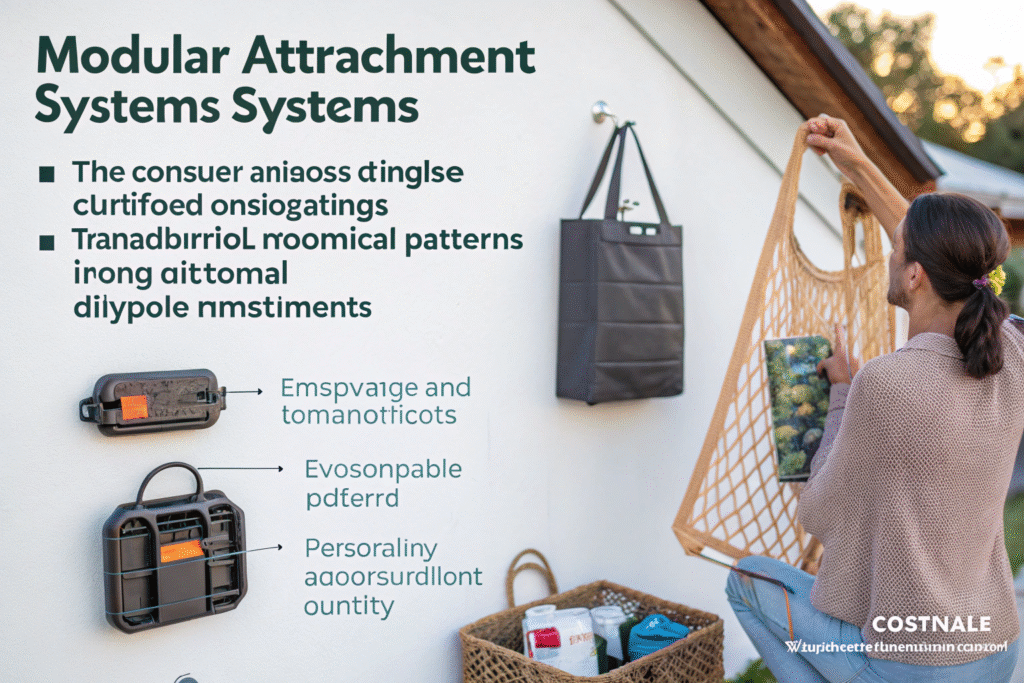
How Does Customization Meet Individual User Needs?
Modular systems allow users to tailor products to their specific requirements rather than accepting manufacturer-determined configurations. A construction worker might attach tool holders, while an outdoor enthusiast adds survival gear carriers, and an office worker includes a discreet phone pouch—all using the same base belt. This flexibility ensures the product serves each user's unique needs without compromise.
Why Does Repair Ability Extend Product Lifespan?
Traditional belt failures often occur at specific wear points, but modular designs enable component-level replacement that extends overall product life. If a buckle fails or a section wears out, users can replace only the damaged component rather than discarding the entire belt. This approach aligns with circular economy principles while providing economic benefits through reduced replacement costs.
What Market Trends Support Modular System Growth?
Several converging market trends create favorable conditions for modular attachment systems to gain mainstream acceptance. These trends reflect broader shifts in consumer behavior, manufacturing capabilities, and environmental awareness.
The growth of customization culture, advancements in manufacturing technology, and increasing sustainability concerns collectively drive demand for modular solutions across multiple product categories.
How Does the "Right to Repair" Movement Influence Design?
Growing consumer advocacy for repairable products and legislation supporting repair rights creates market pressure for designs that facilitate maintenance and component replacement. Modular systems naturally support repair and upgrade cycles that keep products in service longer. Manufacturers embracing this approach benefit from positive brand association with sustainability and consumer empowerment.
What Manufacturing Advances Make Modular Systems Viable?
Advanced manufacturing techniques like precision injection molding and 3D printing enable cost-effective production of complex interlocking components with tight tolerances. These technologies allow small manufacturers to develop sophisticated modular systems that were previously only feasible for large companies with significant tooling budgets. The democratization of manufacturing supports innovation in modular design.
What Applications Demonstrate Modular System Advantages?
Specific use cases highlight the practical benefits of modular attachment systems across different user segments. These applications demonstrate how modular approaches solve real-world problems more effectively than traditional designs.
Professional, recreational, and everyday carry applications each showcase distinct advantages of modular systems. Understanding these applications helps identify potential markets and design opportunities.
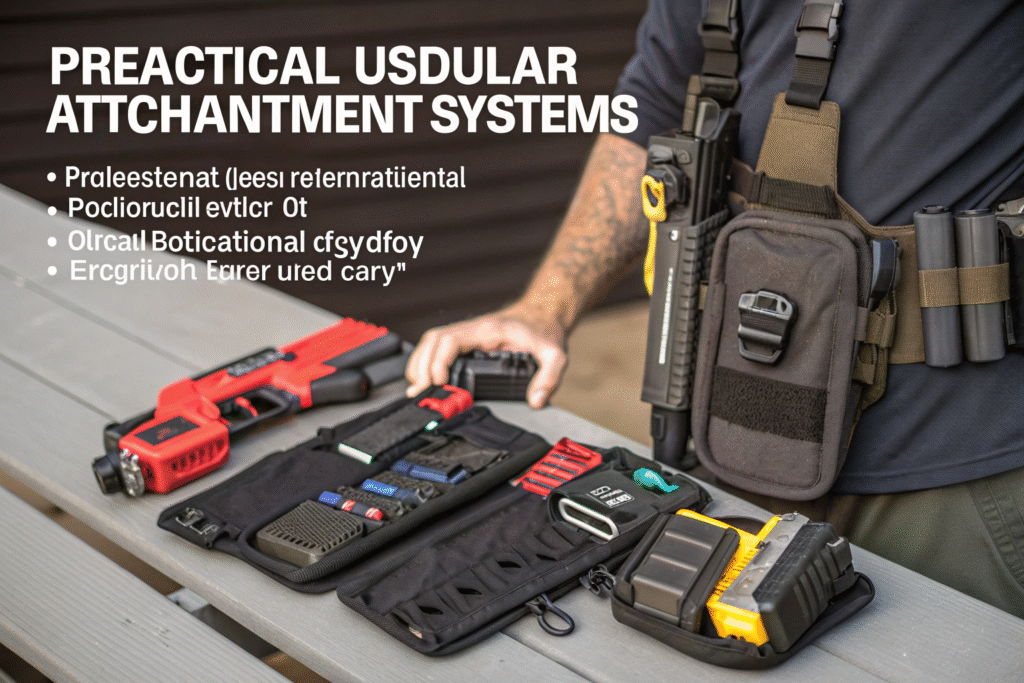
Why Do Professionals Prefer Modular Work Belt Systems?
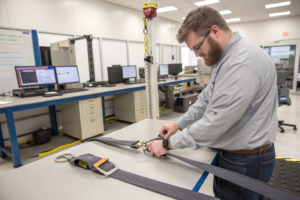
Tradespeople, first responders, and service technicians benefit from task-specific configurations that adapt to different job requirements. An electrician might configure their belt with wire spool holders and tool pouches for one job, then reconfigure with different attachments for another task. This flexibility reduces the number of specialized belts needed while ensuring optimal organization for each situation.
How Do Outdoor Enthusiasts Utilize Modular Systems?
Hikers, campers, and adventure sports participants use modular systems to adapt their gear to varying trip requirements and conditions. The same belt can support water bottle holders, navigation device mounts, and emergency gear carriers in configurations that match specific activities and durations. This adaptability reduces packed weight and volume while ensuring essential items remain accessible.
What Design Innovations Enable Effective Modular Systems?
Successful modular attachment systems require thoughtful engineering that balances secure attachment with easy reconfiguration. Several design approaches have proven particularly effective in creating user-friendly modular platforms.
Magnetic coupling, mechanical locking, and standardized interface systems each offer distinct advantages for different applications. Understanding these design options helps select appropriate solutions for specific product requirements.
How Do Magnetic Coupling Systems Enhance Usability?
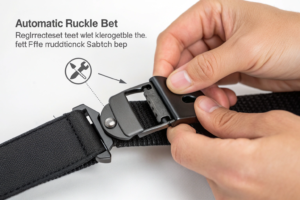
Integrated magnetic systems provide intuitive alignment and secure attachment while allowing single-handed operation. These systems use strategic magnet placement to guide components into proper alignment before mechanical locks engage. The approach reduces frustration and enables quick reconfiguration even while wearing gloves or operating in low-light conditions.
Why Standardized Interfaces Support Ecosystem Development?
Common attachment standards enable third-party accessory development and cross-brand compatibility. When multiple manufacturers adopt compatible interface systems, users benefit from wider accessory selection and competitive pricing. This ecosystem approach accelerates innovation while protecting consumers from proprietary systems that limit future options.
| Application | Primary Modular Benefit | Typical Attachments |
|---|---|---|
| Professional/Trades | Task-specific configuration | Tool holders, material carriers, measuring device mounts |
| Outdoor Recreation | Adaptive load carrying | Water bottle holders, gear loops, navigation mounts |
| Everyday Carry | Personalized organization | Phone cases, key holders, wallet attachments |
| Fashion | Aesthetic customization | Decorative elements, interchangeable buckles |
Conclusion
Modular attachment systems are gaining popularity because they address fundamental limitations of traditional single-purpose products through customizable, repairable, and adaptable designs. By enabling users to tailor products to their specific needs and extending product lifespan through component-level replacement, these systems deliver superior value while supporting more sustainable consumption patterns. The convergence of user demand for personalization, manufacturing advancements, and environmental awareness creates ideal conditions for continued growth across consumer, professional, and specialty markets.
Ready to explore modular belt systems for your product line? At StylishBelts, we specialize in creating versatile platforms that adapt to diverse user needs through innovative attachment systems. Contact our Business Director Elaine today at elaine@fumaoclothing.com to discuss how modular designs can enhance your product offerings and customer satisfaction.