Poor posture has become a widespread health concern in modern sedentary lifestyles, leading to chronic pain, reduced productivity, and long-term spinal issues. Traditional posture correction methods often fail because they lack real-time feedback and integration into daily activities. Consumers need solutions that work seamlessly within their existing routines without requiring conscious effort or dedicated exercise time.
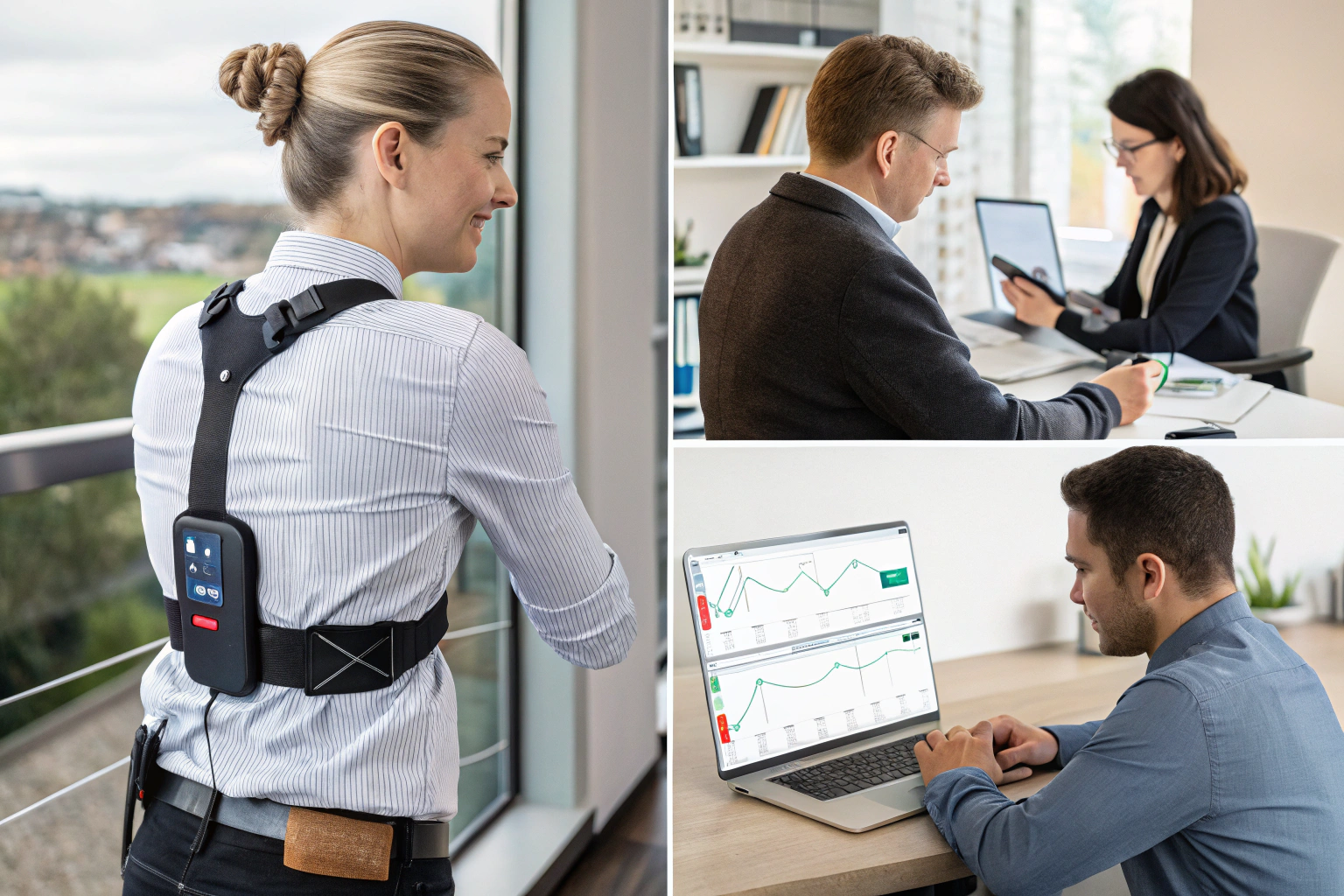
Sourcing belts with integrated posture sensors requires identifying manufacturers with expertise in wearable technology, sensor integration, and ergonomic design. These advanced products combine postural monitoring with everyday accessories, providing real-time feedback through haptic alerts or mobile app notifications when users slouch or maintain poor positioning.
The convergence of health technology and fashion accessories represents a significant opportunity in the wellness market. This guide explores the sourcing strategies, technical requirements, and partnership approaches necessary for successfully bringing posture-sensing belts to market.
What Technical Specifications Define Quality Posture Sensors?
Not all posture sensing technology delivers accurate, reliable feedback. Understanding the technical parameters that separate effective systems from gimmicks is crucial for sourcing products that provide genuine health benefits.
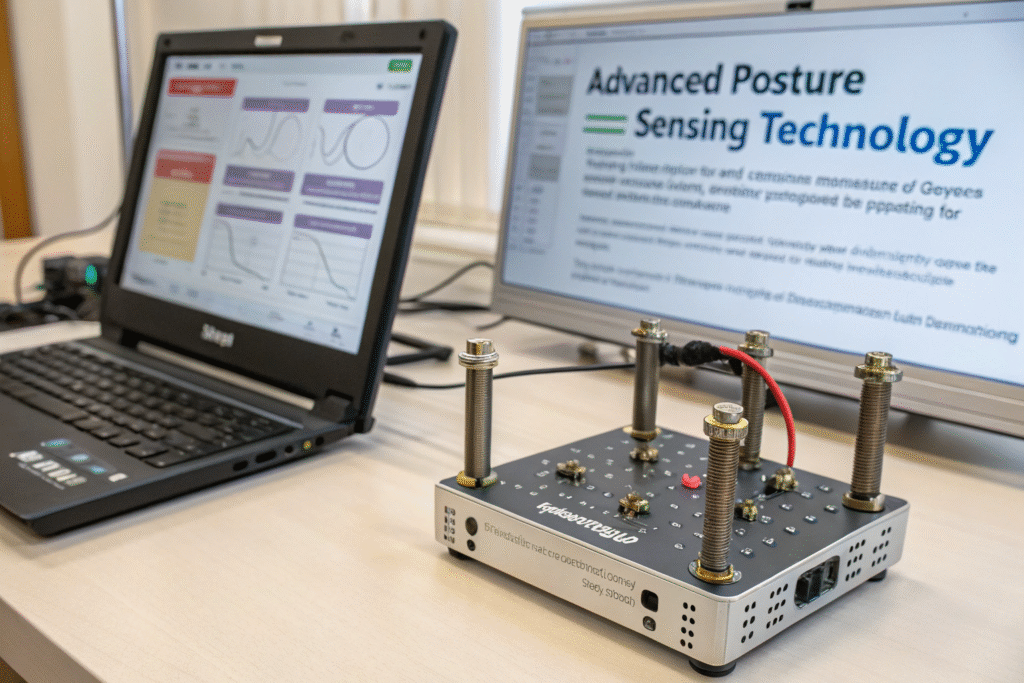
Advanced posture sensors utilize MEMS (Micro-Electro-Mechanical Systems) accelerometers and gyroscopes, precise calibration algorithms, and low-energy connectivity. These components work together to detect subtle changes in spinal alignment and provide timely feedback.
How Do MEMS Sensors Accurately Detect Posture Changes?
MEMS accelerometers and gyroscopes measure orientation and movement with sufficient precision to distinguish between proper and poor postural positions. Quality systems typically feature 9-axis sensors (3-axis accelerometer, 3-axis gyroscope, 3-axis magnetometer) that provide comprehensive motion tracking. The sensor fusion algorithms then translate raw data into meaningful posture assessments, filtering out normal movements from problematic positioning.
What Sampling Rates Ensure Responsive Feedback?
Effective posture monitoring requires sufficiently high sampling rates to capture relevant postural changes without excessive power consumption. Sampling between 25-50 Hz typically provides the optimal balance between responsiveness and battery life. Lower rates may miss brief slouching episodes, while higher rates unnecessarily drain power without meaningful accuracy improvements for posture applications.
What Integration Methods Maintain Comfort and Functionality?
Successful posture sensor integration requires balancing technological capabilities with wearability. Poorly integrated sensors create discomfort, bulk, or reliability issues that undermine the product's purpose.
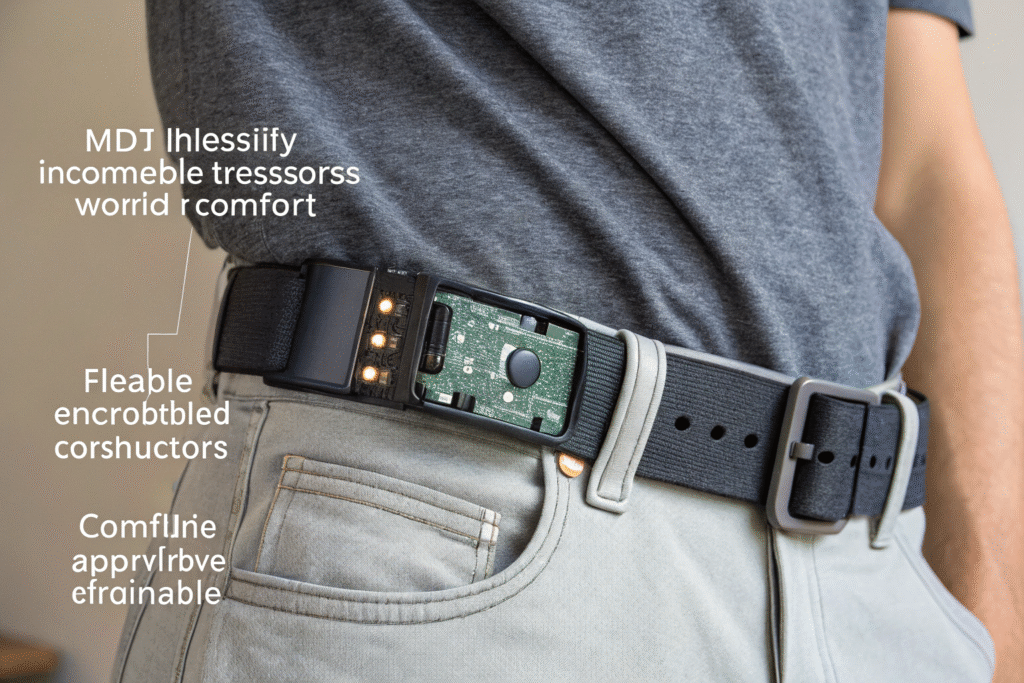
Discreet embedding, flexible circuitry, and strategic placement ensure the technological components enhance rather than compromise the belt's comfort and appearance. The best integrations make the technology virtually undetectable during normal use.
How Can Sensors Be Discreetly Embedded in Belt Construction?
Advanced manufacturing techniques allow sensor embedding within belt layers rather than surface mounting. This approach protects sensitive components from damage while maintaining the belt's streamlined profile. The most effective designs position sensors in the small of the back where they can most accurately detect spinal curvature changes without creating pressure points or visible bulges.
What Power Systems Support All-Day Wear?
Posture belts require power systems that balance battery life with minimal weight. Lithium polymer batteries typically offer the best energy density for wearable applications, with quality systems providing 3-7 days of continuous monitoring between charges. Some advanced designs incorporate kinetic or solar charging elements to extend battery life, though these typically supplement rather than replace conventional charging.
What Data Processing and Feedback Systems Are Most Effective?
Raw sensor data provides little value without intelligent processing and meaningful feedback delivery. The sophistication of data interpretation and user notification systems determines the product's practical effectiveness.
Machine learning algorithms, personalized baseline establishment, and intuitive feedback mechanisms transform sensor readings into actionable insights. These systems must educate users without creating annoyance or dependency.
How Does Machine Learning Improve Posture Detection?
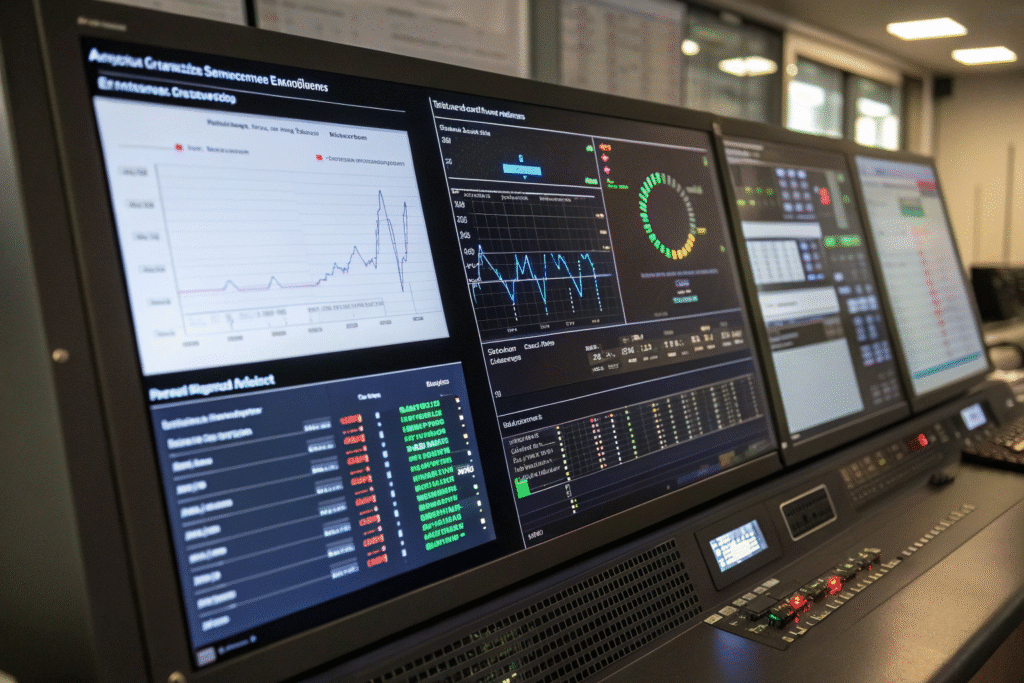
Advanced systems use machine learning algorithms trained on diverse body types and movement patterns to distinguish between harmless position changes and problematic postural habits. These algorithms become more accurate over time as they learn individual users' typical patterns and specific improvement areas. The most effective systems provide personalized rather than generic posture assessments.
What Feedback Methods Drive Behavior Change?
Successful posture correction requires immediate, unobtrusive feedback that prompts correction without disrupting activities. Haptic vibration patterns typically prove more effective than audible alerts because they provide private notification that doesn't draw external attention. The best systems vary vibration intensity and pattern based on the severity and duration of poor posture.
What Manufacturing Partnerships Support Successful Production?
Sourcing posture-sensing belts requires manufacturers with specific expertise beyond traditional belt production. Identifying partners with the right technical capabilities and quality standards is essential for product success.
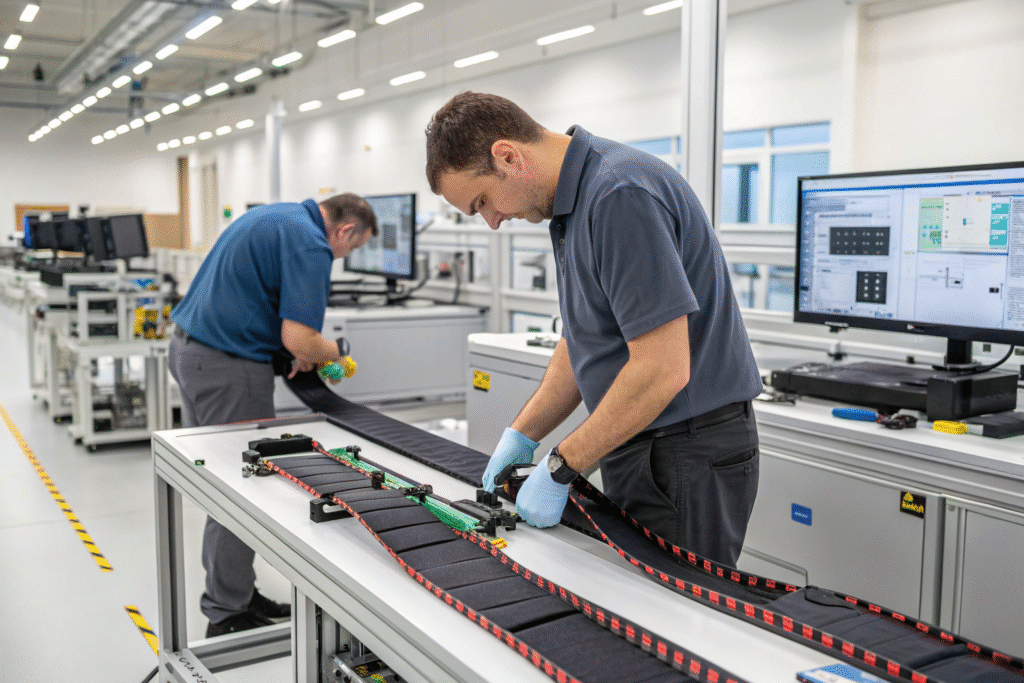
Electronics integration experience, software development capabilities, and regulatory compliance knowledge differentiate suitable manufacturers from conventional belt producers. These specialized capabilities ensure reliable performance and market compliance.
What Questions Reveal Electronics Integration Expertise?
When evaluating potential manufacturers, ask specific questions about their experience with wearable electronics, including:
- Previous smart textile or wearable device projects
- Water and sweat resistance testing protocols
- Battery safety and certification processes
- Quality control procedures for electronic components
- Supply chain management for electronic parts
Their responses indicate whether they understand the unique challenges of combining electronics with textiles.
How Important is Software Development Capability?
Manufacturers with in-house software development teams typically deliver more reliable products than those relying entirely on third-party software solutions. Integrated hardware-software development ensures optimal performance and enables faster troubleshooting and updates. This capability is particularly valuable for posture belts where the software interpretation of sensor data determines product effectiveness.
| Component | Quality Standards | Sourcing Considerations |
|---|---|---|
| MEMS Sensors | 9-axis, ±2g accelerometer range | Supplier reliability, calibration consistency |
| Power System | 3-7 day battery life, safe chemistry | Charging cycle durability, safety certifications |
| Connectivity | Bluetooth Low Energy 5.0+ | Range reliability, interference resistance |
| Haptic Feedback | Multiple vibration patterns | Discreet operation, power efficiency |
Conclusion
Sourcing belts with integrated posture sensors requires a strategic approach that balances advanced technology with practical wearability. By understanding the technical specifications, integration methods, and manufacturing partnerships necessary for success, companies can bring effective posture-correction products to market. The most successful implementations make the technology virtually invisible while delivering meaningful health benefits through accurate monitoring and thoughtful feedback systems.
Ready to develop posture-sensing belts that combine health monitoring with everyday comfort? At StylishBelts, we specialize in integrating advanced sensor technology into fashion-forward accessories that support wellness without sacrificing style. Contact our Business Director Elaine today at elaine@fumaoclothing.com to discuss how our posture-sensing technology can enhance your product offerings.