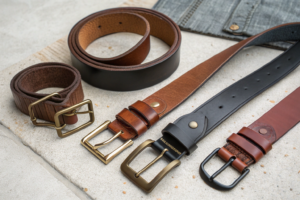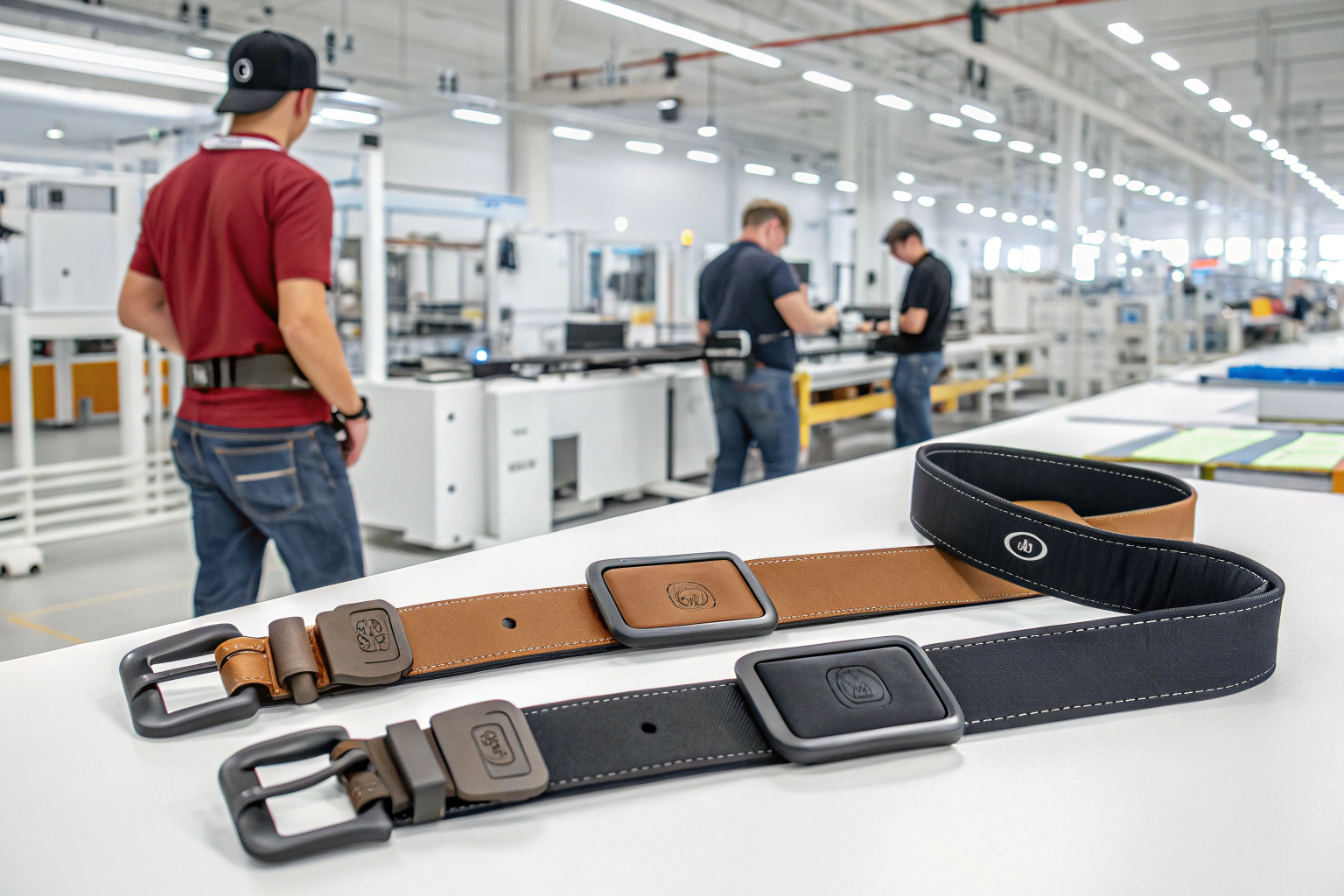
The rise of smart tracking technology has created demand for seamless integration into everyday accessories. Traditional AirTag holders often dangle awkwardly from keychains or require separate purchases that compromise aesthetics and comfort. Consumers increasingly seek solutions that provide tracking security without adding bulk or requiring them to remember another accessory.
Sourcing belts with integrated AirTag holders requires identifying manufacturers with expertise in discreet compartment design, precision dimensional tolerances, and secure retention systems. These specialized belts incorporate dedicated, hidden chambers that securely hold tracking devices while maintaining the belt's normal appearance, comfort, and functionality.
The convergence of tracking technology adoption and consumer desire for integrated solutions has created new opportunities in accessory design. This guide explores the sourcing strategies, technical requirements, and partnership approaches for successfully bringing AirTag-integrated belts to market.
What Design Considerations Ensure Optimal AirTag Integration?
Successful AirTag integration requires balancing secure retention with easy access, maintaining belt flexibility, and preserving aesthetic appeal. The compartment design must address both the physical dimensions of the tracking device and the practical realities of daily belt wear.
The most effective designs position the holder strategically within the belt structure, use secure yet accessible retention methods, and maintain the belt's normal appearance and comfort. Each element requires careful engineering to achieve seamless integration.
How Can Compartment Placement Balance Accessibility and Discretion?
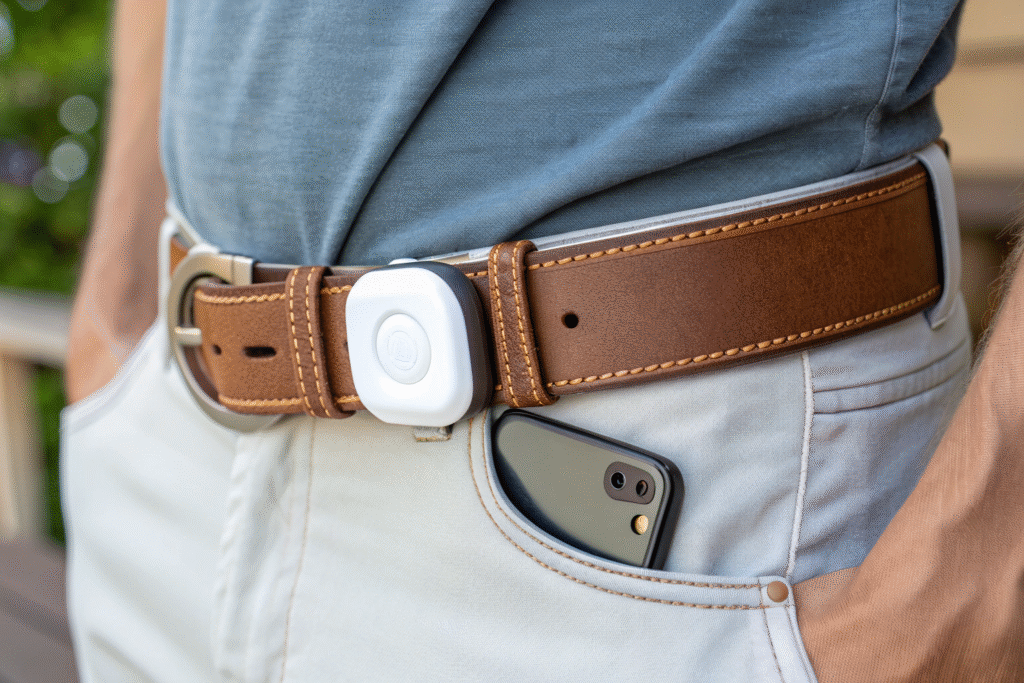
Strategic placement within the belt's structure should consider both easy access for battery replacement and complete discretion during normal wear. The most common effective locations include:
- Behind the buckle plate: Utilizing space typically occupied by belt folding
- Within the belt tail: Creating a discreet access point near the tip
- Distributed compartments: Multiple smaller holders for different tracking devices
Each location offers different advantages in terms of accessibility, discretion, and impact on belt flexibility.
What Retention Systems Secure AirTags During Active Use?
Positive retention mechanisms that prevent accidental dislodgement are essential given the active nature of belt wear. The most reliable systems include:
- Magnetic closures: Providing secure retention with one-handed operation
- Mechanical locks: Ensuring physical security during vigorous activity
- Elastic retention: Accommodating slight dimensional variations while maintaining grip
Each system must withstand daily movement, sitting, and physical activity without compromising security.
What Manufacturing Expertise Enables Successful Integration?
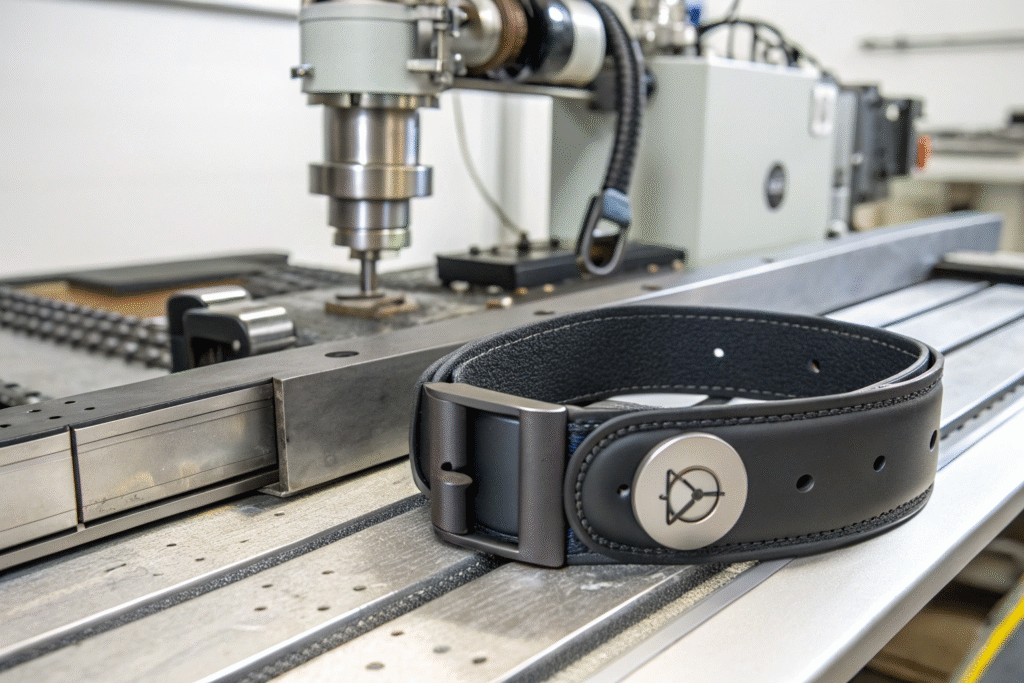
Sourcing belts with integrated AirTag holders requires manufacturers with specific capabilities beyond traditional belt production. Successful integration demands precision engineering, material knowledge, and understanding of electronic device requirements.
Manufacturers must balance compartment security, accessibility, durability, and comfort while ensuring the AirTag remains functional and protected. This requires specialized capabilities not typically found in conventional belt factories.
What Questions Reveal Manufacturer Technical Capability?
When evaluating potential manufacturers, ask specific questions about their experience with integrated compartments and precision manufacturing, including:
- Previous experience with integrated electronic compartments
- Engineering capabilities for precise dimensional tolerances (±0.1mm)
- Material expertise for RFID signal transmission
- Quality control processes for retention mechanism reliability
- Understanding of Apple's Find My network requirements
Their responses indicate whether they possess the technical sophistication for successful AirTag integration.
How Important is Prototyping and Signal Testing?
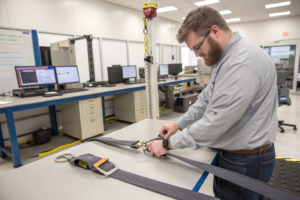
Manufacturers with in-house prototyping and signal testing capabilities typically deliver more reliable products than those relying entirely on external suppliers. The ability to rapidly prototype compartment designs, test AirTag signal strength through various materials, and verify retention security ensures final products perform as expected. This capability is particularly valuable for ensuring the Find My network connectivity remains reliable.
What Material Choices Impact Functionality and Signal Strength?
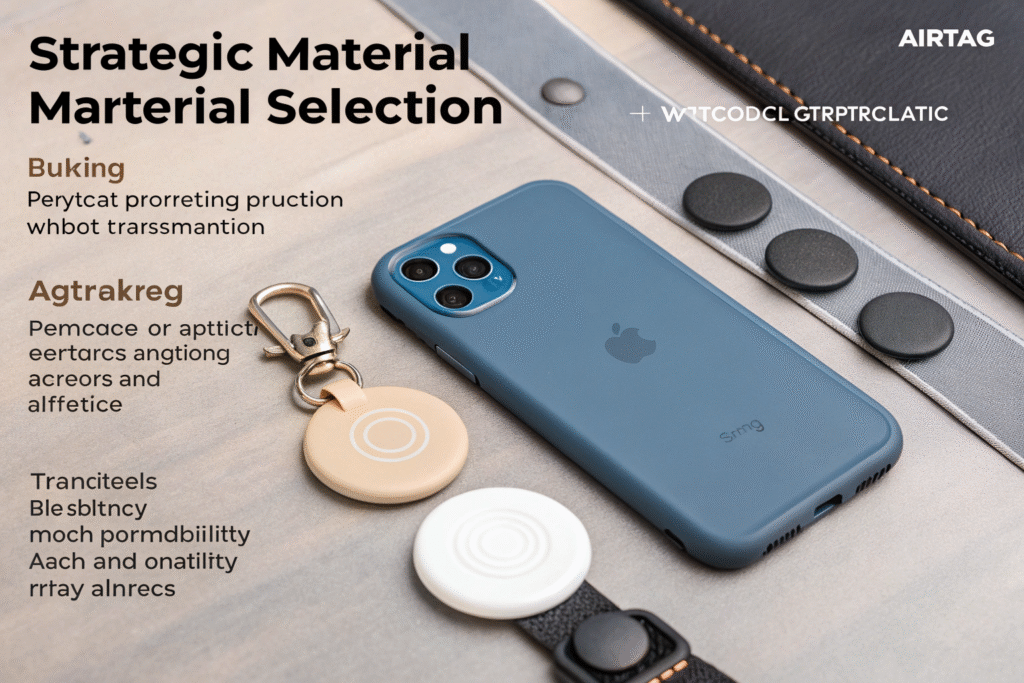
Material selection critically impacts both the physical protection of the AirTag and the functionality of the tracking system. The materials surrounding the compartment must provide physical protection without interfering with Bluetooth signal transmission.
Strategic material choices balance protection, signal permeability, flexibility, and durability. Each material characteristic affects both the user experience and technical performance.
How Do Different Materials Affect Bluetooth Signal Transmission?
Materials vary significantly in their impact on Bluetooth signal strength. The most effective choices include:
- Polymer composites: Minimal signal interference with good durability
- Certain leather types: Vegetable-tanned leather typically less disruptive than metal-loaded finishes
- Technical fabrics: Often designed for electronic compatibility
Materials containing metals, dense weaves, or moisture-retentive characteristics can significantly reduce signal range and reliability.
What Protective Qualities Are Essential for AirTag Compartments?
The compartment materials must protect against impacts, moisture, and compression that could damage the AirTag. Essential protective qualities include:
- Impact resistance: Absorbing shocks from daily wear and accidental impacts
- Water resistance: Protecting against rain, spills, and humidity
- Compression strength: Maintaining compartment integrity during sitting and movement
The most successful designs use layered materials that provide both signal transparency and physical protection.
What User Experience Considerations Drive Adoption?
Beyond technical functionality, AirTag-integrated belts must provide intuitive, valuable experiences that justify the integrated approach over separate holders. Understanding user behavior and preferences informs effective design decisions.
Simplicity, reliability, and added value significantly impact whether users consistently utilize the integrated tracking functionality. Each element should enhance the belt experience rather than complicate it.
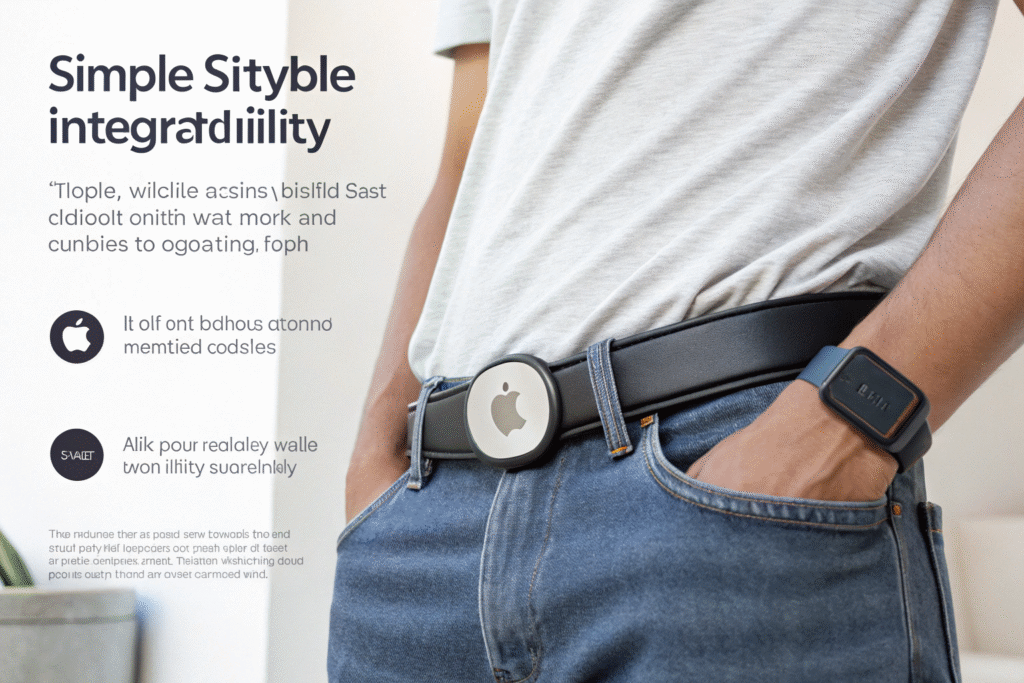
How Can Battery Replacement Be Made Simple and Intuitive?
Easy battery access without compromising security represents a critical design challenge. The most user-friendly implementations feature:
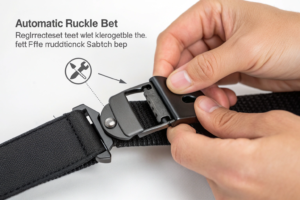
- Tool-free access: No special tools required for battery replacement
- Clear orientation indicators: Ensuring proper AirTag placement
- Secure yet simple mechanisms: Balancing security with accessibility
Systems requiring complex disassembly or special tools often lead to frustration and abandoned functionality.
What Added Value Features Enhance the Integrated Experience?
Beyond basic tracking, successful implementations often include additional functionality that leverages the integrated nature, such as:
- Multiple compartment sizes: Accommodating different tracking devices
- Modular designs: Allowing users to add or remove tracking as needed
- Integrated finder features: Enhanced location capabilities using the belt's structure
These value-added features differentiate integrated solutions from basic aftermarket holders.
| Integration Feature | User Benefit | Technical Requirement |
|---|---|---|
| Discrete Compartment | Maintains normal appearance | Precision manufacturing tolerances |
| Secure Retention | Prevents loss during activity | Reliable locking mechanisms |
| Signal Transparency | Maintains tracking range | Material selection for Bluetooth permeability |
| Easy Battery Access | Simple maintenance | Tool-free access design |
Conclusion
Sourcing belts with integrated AirTag holders requires specialized manufacturing partnerships that balance discreet design, reliable functionality, and user-friendly operation. By understanding the specific dimensional requirements of tracking devices, identifying manufacturers with appropriate technical capabilities, addressing critical signal transmission considerations, and focusing on intuitive user experiences, brands can successfully bring these innovative connected accessories to market. The most successful implementations make tracking technology an unobtrusive part of daily wear rather than an added accessory.
Ready to develop belts with integrated AirTag holders for your connected accessory collections? At StylishBelts, we specialize in creating discreet tracking integrations that combine security technology with everyday wearability. Contact our Business Director Elaine today at elaine@fumaoclothing.com to discuss how our AirTag integration expertise can enhance your product offerings.