Elastic belts face a fundamental performance challenge: they must stretch comfortably during wear while reliably returning to their original dimensions afterward. Poor recovery leads to gradual elongation, sagging, and eventual replacement—frustrating consumers and damaging brand reputations. The science behind why some elastic belts maintain their shape for years while others quickly become loose involves complex material interactions and structural engineering.
Stretch recovery in elastic belts is determined by polymer memory properties, yarn construction methods, elastic element integration, and manufacturing processes that preserve material integrity. These factors collectively create belts that consistently return to their original dimensions after stretching, maintaining fit and appearance through repeated wear cycles.
Understanding the science of elastic recovery requires examining both material properties and production techniques. This analysis explores the key factors that separate high-recovery elastic belts from those that quickly lose their shape and functionality.
What Material Properties Govern Elastic Recovery?
The fundamental chemical structure and physical properties of elastic materials determine their ability to return to original dimensions after stretching. Different polymer systems exhibit varying recovery characteristics based on their molecular architecture and cross-linking.
Elastic recovery depends on the material's ability to store energy during deformation and release it during recovery. The most effective materials minimize permanent molecular rearrangement during stretching.
How Does Polymer Crystallinity Affect Recovery Performance?
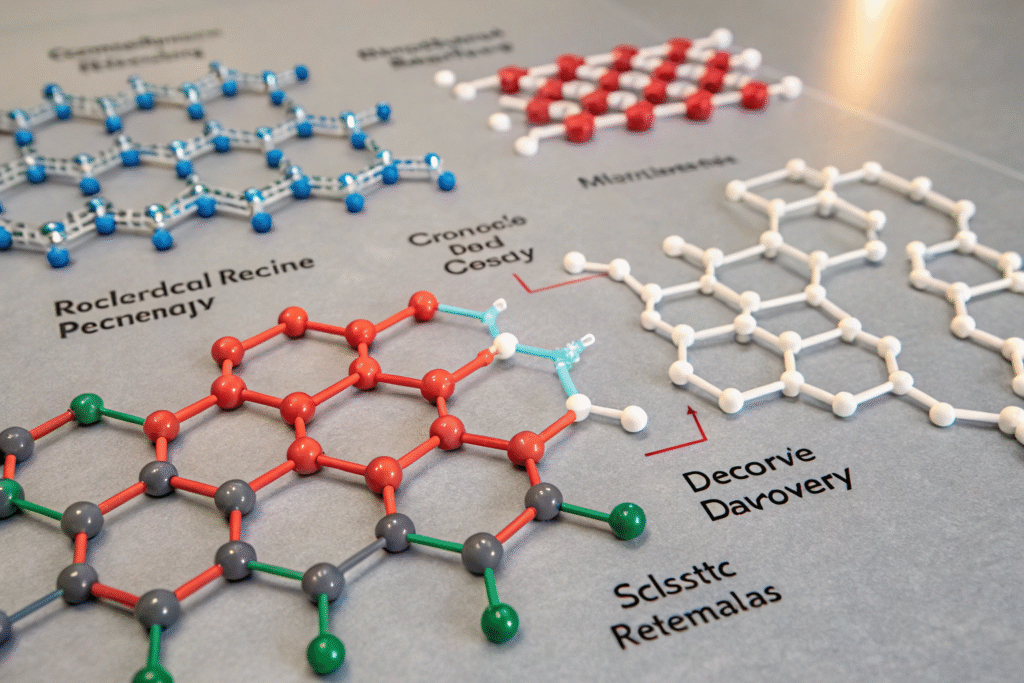
The balance between crystalline and amorphous regions in elastic polymers significantly influences recovery behavior. Materials with:
- Optimized crystallinity: Provide stable recovery points while allowing stretch
- Controlled cross-linking: Create molecular networks that guide recovery
- Appropriated glass transition temperature: Ensure flexibility at use temperatures
Typically demonstrate superior recovery compared to materials with random molecular structures. The crystalline regions act as physical cross-links that help the material remember its original shape.
Why Do Polyurethane Elastomers Offer Superior Recovery?
Thermoplastic polyurethane (TPU) elastomers provide exceptional recovery characteristics due to their:
- Segmented block copolymers: Hard and soft segments that work together
- Reversible hydrogen bonding: Creating temporary cross-links during stretching
- High molecular weight: Reducing permanent deformation under stress
These materials typically achieve 95-98% recovery after stretching, significantly outperforming many alternative elastic materials.
What Construction Methods Enhance Recovery?
Beyond material selection, how elastic elements are integrated into belt construction dramatically impacts recovery performance. The mechanical arrangement of elastic and non-elastic components creates systems that either support or hinder recovery.
Strategic construction approaches can preserve material recovery properties that might otherwise be compromised during manufacturing or use. Each construction method offers different recovery advantages.

How Does Core-Wrapping Preserve Elastic Integrity?
The technique of wrapping elastic cores with stable yarns protects elastic elements from:
- Direct abrasion: Reducing surface damage that compromises recovery
- UV degradation: Shielding sensitive elastic polymers from sunlight
- Chemical exposure: Limiting contact with oils, lotions, and environmental chemicals
This construction method allows the elastic core to function optimally while the wrapper yarns provide durability and appearance.
Why Do Woven Elastic Constructions Outperform Knitted Designs?
Woven elastic fabrics typically demonstrate better recovery than knitted alternatives because they:
- Maintain yarn alignment: Preventing distortion during stretching
- Distribute stress evenly: Across multiple yarn systems
- Limit yarn migration: Reducing permanent rearrangement
The structured nature of woven fabrics provides mechanical advantage that supports consistent recovery through repeated stretching cycles.
What Manufacturing Processes Impact Recovery Performance?
Production techniques can either preserve or degrade the inherent recovery properties of elastic materials. Understanding how manufacturing affects recovery helps optimize processes for maximum performance.
Temperature control, mechanical handling, and finishing treatments each influence the final recovery characteristics. Proper process control ensures materials achieve their theoretical recovery potential.
How Does Heat Setting Stabilize Recovery?
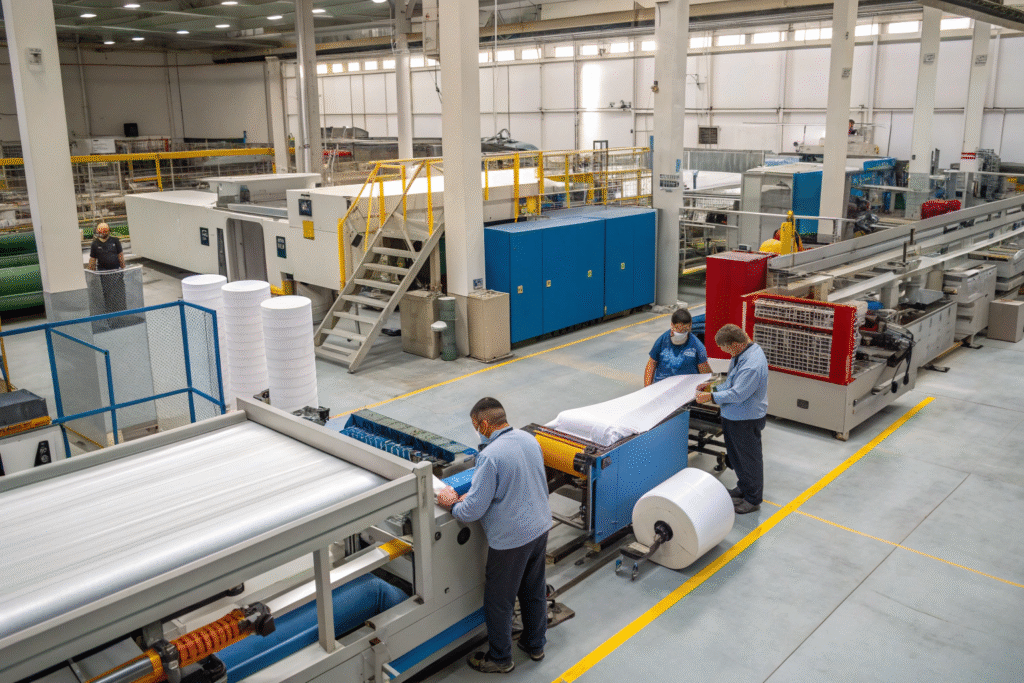
Controlled heat setting processes optimize recovery by:
- Relieving internal stresses: Allowing molecules to find stable positions
- Establishing memory points: Creating thermal set points for recovery
- Stabilizing dimensions: Preventing subsequent shrinkage or growth
Properly heat-set elastic materials demonstrate more consistent recovery and dimensional stability through repeated wear and cleaning cycles.
Why Does Controlled Tension Matter During Production?
Maintaining appropriate tension during manufacturing prevents overstretching that can cause:
- Molecular alignment: Creating permanent deformation
- Fiber damage: Breaking elastic elements
- Recovery fatigue: Reducing ability to return to original dimensions
The most effective manufacturing processes carefully control tension from yarn preparation through final assembly.
What Testing Methods Verify Recovery Performance?
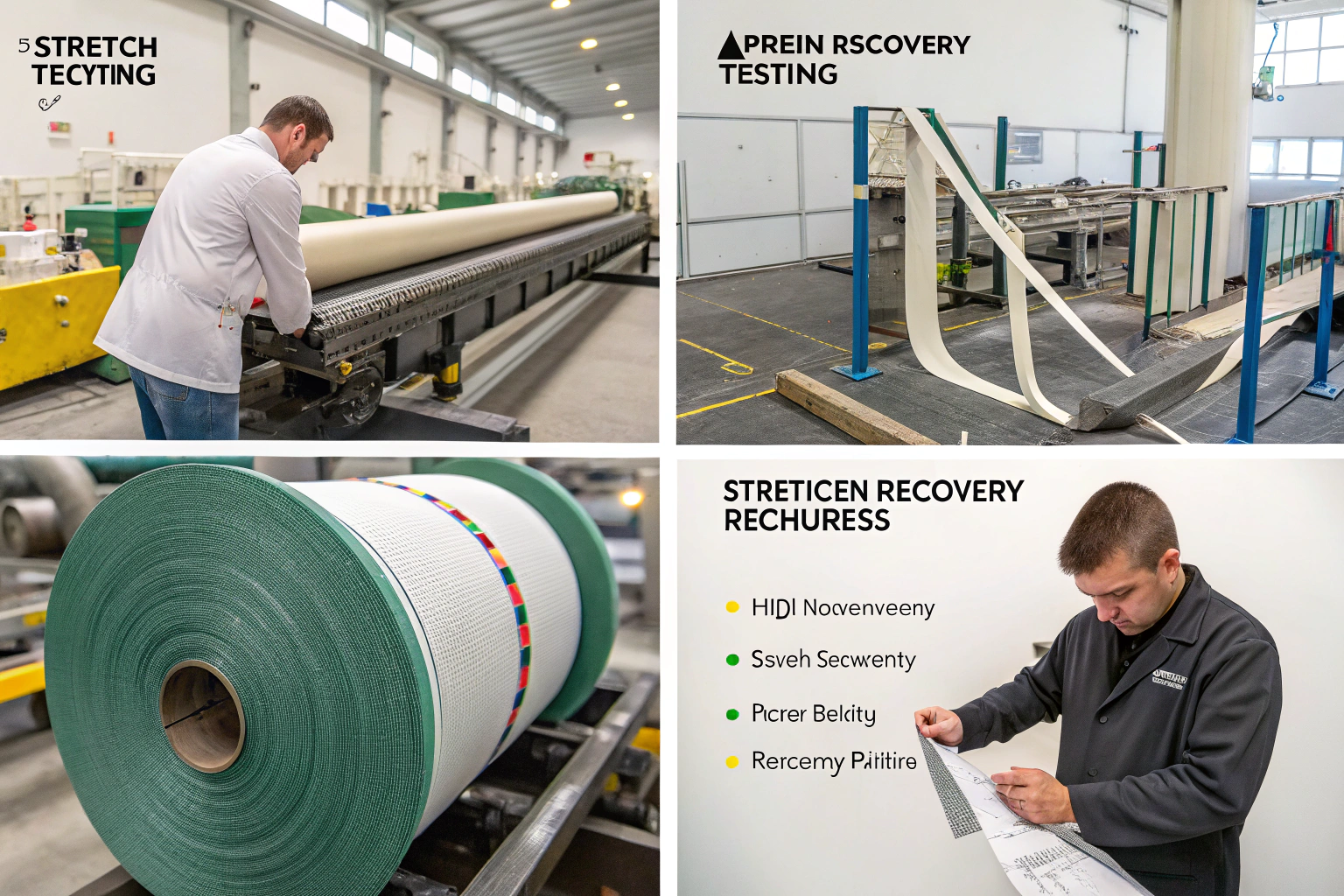
Standardized testing provides objective data about elastic recovery performance, allowing comparison between different materials and constructions. Understanding these testing approaches helps manufacturers validate recovery claims.
Recovery testing should simulate real-world use conditions while providing reproducible, quantitative results. Each test method focuses on specific recovery aspects.
How Does Cyclic Testing Predict Long-Term Performance?
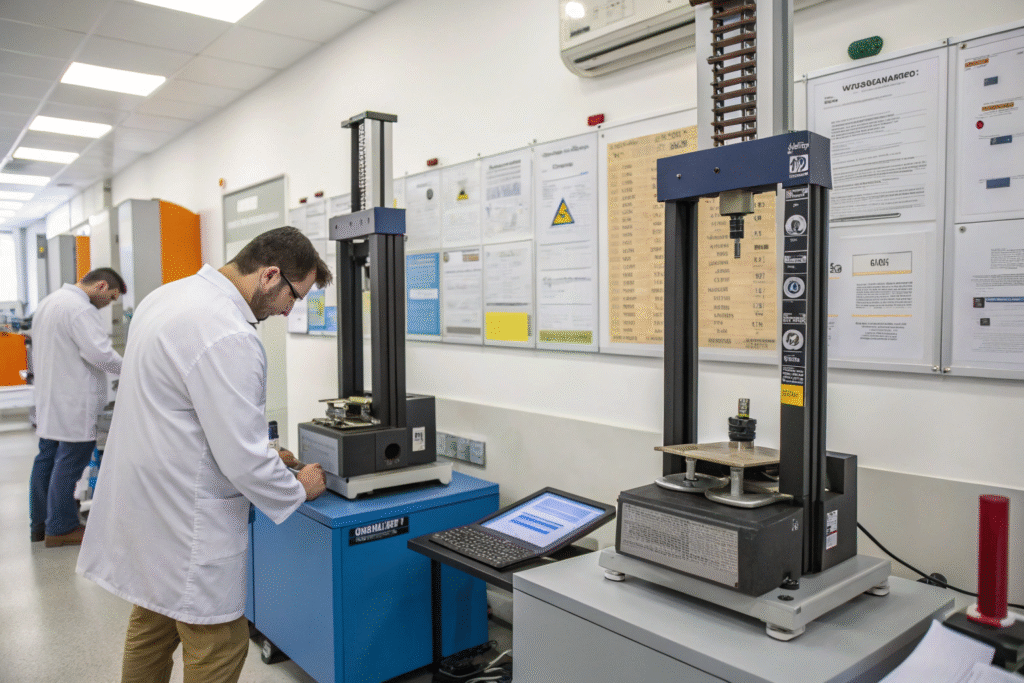
Standardized cyclic stretch testing (ASTM D2594) evaluates recovery by measuring:
- Permanent set: The percentage of length increase after cycling
- Load loss: Reduction in retractive force over multiple cycles
- Recovery rate: Speed of return to original dimensions
Materials demonstrating low permanent set and minimal load loss typically maintain better recovery through product lifespan.
What Role Does Stress Relaxation Testing Play?
Stress relaxation testing (ASTM D6048) measures how elastic materials lose retractive force when held at constant extension, indicating:
- Molecular mobility: How easily polymer chains reorganize under stress
- Recovery potential: The material's ability to generate recovery force
- Long-term performance: Prediction of how recovery may degrade over time
This testing helps identify materials that maintain consistent recovery force during extended wear.
| Factor | Impact on Recovery | Optimal Condition |
|---|---|---|
| Polymer Type | Determines fundamental recovery potential | TPU, spandex with high molecular weight |
| Construction | Affects how stress is distributed | Woven with core-wrapped elastic |
| Heat Setting | Establishes memory points | Controlled temperature and time |
| Tension Control | Prevents permanent deformation | Consistent, moderate tension |
Conclusion
Stretch recovery in elastic belts results from the careful integration of material science, construction methods, and manufacturing processes that collectively preserve and enhance elastic properties. By selecting polymers with inherent recovery characteristics, using construction techniques that protect elastic elements, implementing controlled manufacturing processes, and verifying performance through standardized testing, manufacturers can create elastic belts that maintain their fit and function through extended use. The most successful approaches recognize that recovery depends on both choosing the right materials and treating them properly throughout production.
Ready to develop elastic belts with superior stretch recovery for your collections? At StylishBelts, we specialize in advanced elastic technologies that combine comfort with lasting performance. Contact our Business Director Elaine today at elaine@fumaoclothing.com to discuss how our recovery-optimized designs can enhance your product offerings.