Selling belts on Amazon is highly competitive. Your product page needs to stand out immediately. Generic product images and basic descriptions are no longer enough to win the buy box. Amazon A+ Content provides a powerful tool to dramatically enhance your product listings. But how do you design this content specifically for belts to maximize conversions and outsell your competitors?
Designing belts for Amazon A+ Content requires a strategic focus on high-quality, lifestyle-oriented visuals that demonstrate fit and style, coupled with clear, scannable text that highlights unique selling points like material quality, buckle mechanism, and sizing versatility. Effective A+ Content tells a compelling brand story and directly addresses customer pain points, such as durability and finding the correct size, which in turn reduces returns and boosts sales.
Simply having A+ Content is not enough; it must be strategically crafted for the belt category. Let's break down the key modules and design principles you need to create A+ Content that drives purchases and builds brand loyalty.
What Visuals Are Most Effective for Belt A+ Content?
For a product like a belt, which is both functional and aesthetic, visuals are your most powerful sales tool. Customers cannot touch the leather or try on the fit, so your images and videos must bridge that gap.
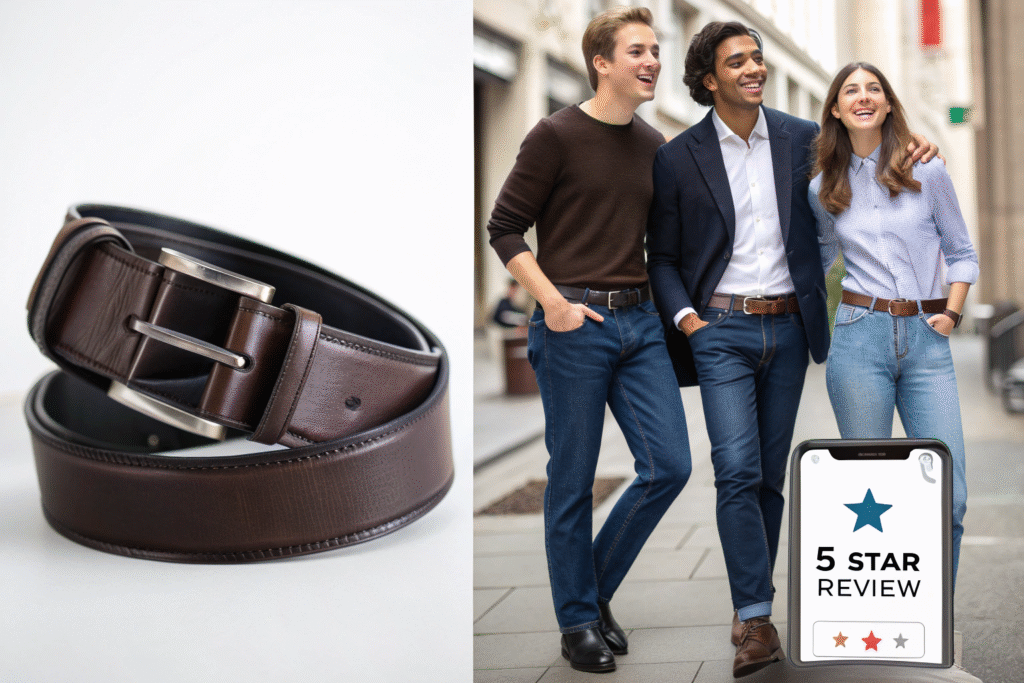
How Can Lifestyle Images Boost Conversion Rates?
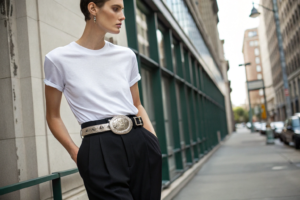
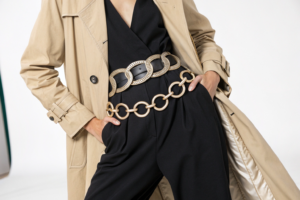
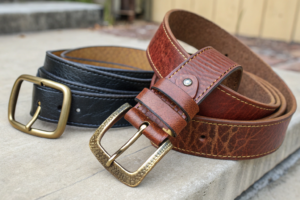
Lifestyle images are critical because they help the customer visualize the product on them. Instead of just a plain product shot, show your genuine leather belt being worn with a sharp suit for a dress belt, or with jeans for a casual style. This answers the unspoken question, "How will this look on me?" Use models that represent your target audience. For instance, if you sell reversible belts, show the same model effortlessly flipping the belt to show the two sides with different outfits. This demonstrates the product's versatility directly, making its value proposition instantly clear.
Why are Technical Diagrams and Comparison Charts Important?
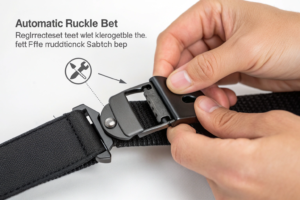
Belts have specific features that text alone can't properly explain. Use technical diagrams to highlight superior construction, like the mechanism of an automatic buckle or the reinforced stitching on a full-grain leather belt. A comparison chart is incredibly effective for combating returns. Create a visual size guide that shows "How to Measure Your Belt Size" comparing pant waist size to belt length. You can also compare your product's features against a "Standard Belt," using checkmarks to highlight advantages like "Scratch-Resistant Buckle" or "Edge Painting Finish." This builds perceived value and justifies a premium price.
How to Write Compelling Copy for Belt Listings?
Your words must work in harmony with your visuals to persuade and inform. Amazon shoppers scan quickly, so your copy needs to be sharp, benefit-driven, and easy to digest.
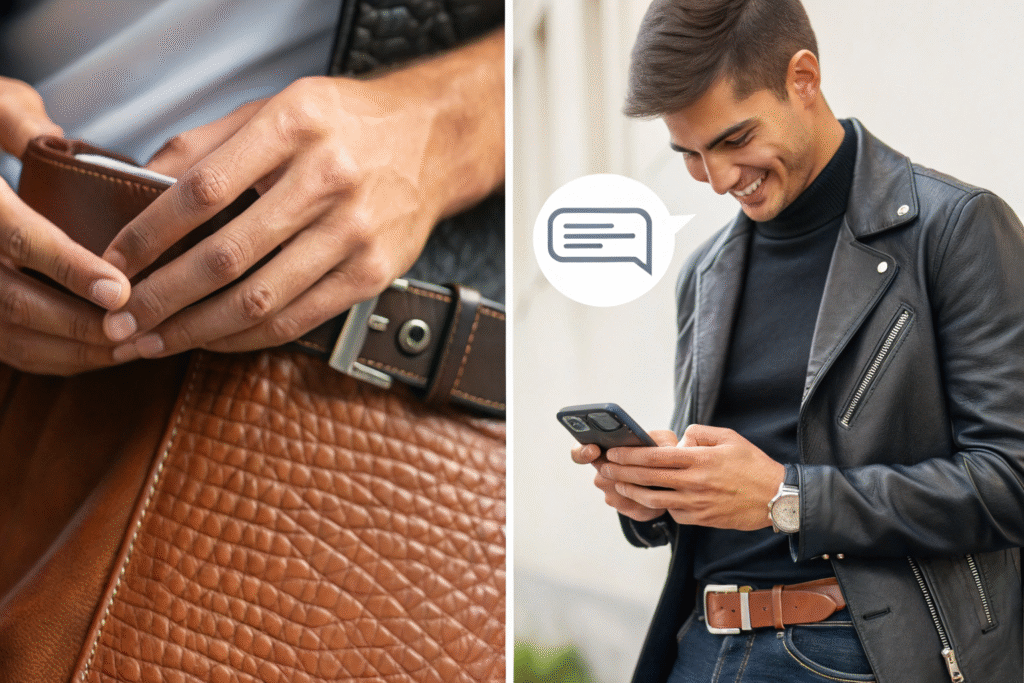
What are the Key Bullet Points for Every Belt?
The first few bullet points must capture the essence of the product. Focus on the primary customer needs:
- Material & Quality: Start with the material (e.g., "Genuine Full-Grain Cowhide Leather"). Mention durability and how it develops a patina over time.
- Buckle & Function: Describe the buckle type (e.g., pin buckle, automatic clasp), its material (e.g., zinc alloy), and its ease of use.
- Versatility & Style: State its purpose (e.g., "Perfect for office wear, formal events, and daily casual use"). For a reversible belt, emphasize getting two looks in one.
- Sizing & Fit: Provide clear, easy-to-understand sizing information to minimize "wrong size" returns.
How to Structure Your Product Description Story?
Use the A+ Content modules to tell a story. Start with a brand headline that establishes your authority (e.g., "Craftsmanship Meets Modern Design"). Follow with a section that dives deep into the material sourcing and manufacturing process, building trust. Then, use a dedicated module to showcase the product in different lifestyle scenarios. Finally, include a section that addresses FAQs visually, like care instructions or a detailed fit guide. This logical flow guides the customer from interest to conviction.
Which A+ Content Modules Should You Use for Belts?
Amazon offers a variety of A+ Content modules. Choosing the right ones for your belt product line is crucial for a clean, effective layout.
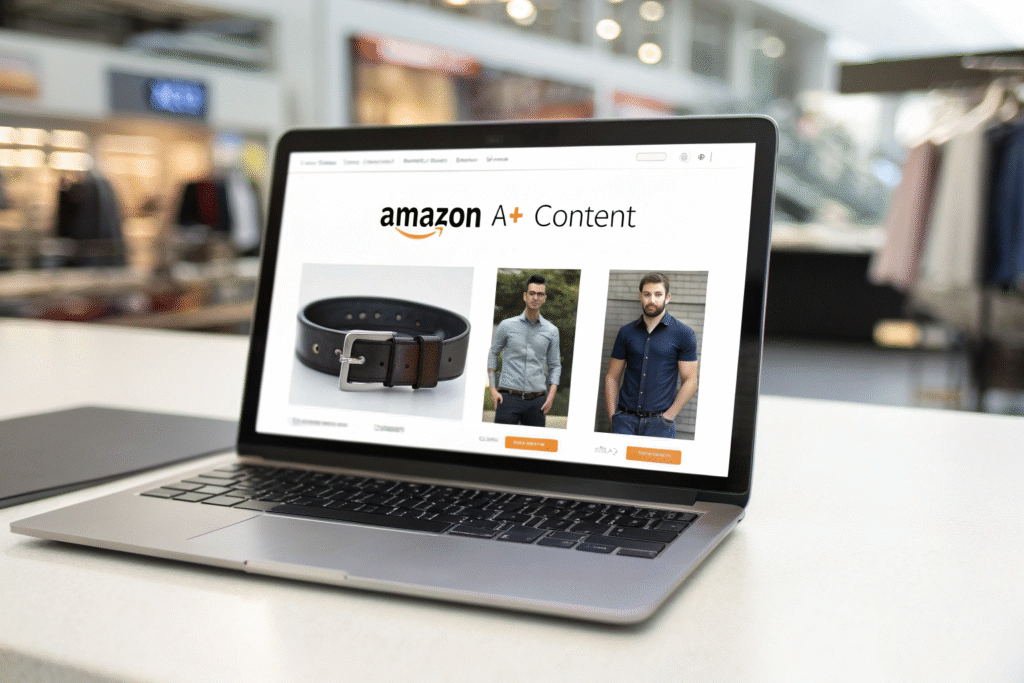
Is the Comparison Chart Module a Must-Have?
For belts, the comparison chart module is arguably the most important one you can use. It directly tackles the highest cause of returns: incorrect sizing. Use this module exclusively for a visual sizing guide. You can also use it to compare different belts in your lineup (e.g., Dress Belt vs. Casual Belt) to encourage cross-selling. Another powerful use is to compare your genuine leather belt against a generic "cheap belt," highlighting your superior stitching, durable buckle, and premium materials. This justifies the price and educates the customer.
How to Leverage the Logo and Product Lineup?
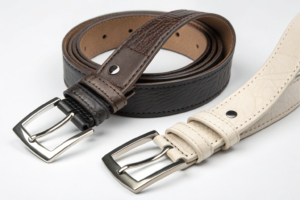
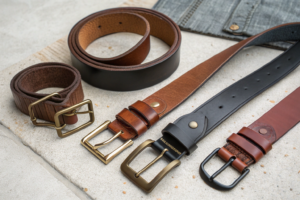
The standard company logo module establishes brand identity at the top of your page. Following that, a product lineup module is perfect for showcasing the range of colors, styles, or widths you offer. If a customer is looking at your brown cowboy belt, showing them you also have it in black and a distressed finish can capture an extra sale. It also makes your brand look more established and professional, increasing overall customer trust and the likelihood of them choosing your product over an unbranded alternative.
How to Optimize A+ Content for Mobile and SEO?
A majority of Amazon purchases now happen on mobile devices. If your A+ Content isn't optimized for a small screen, you are losing sales.
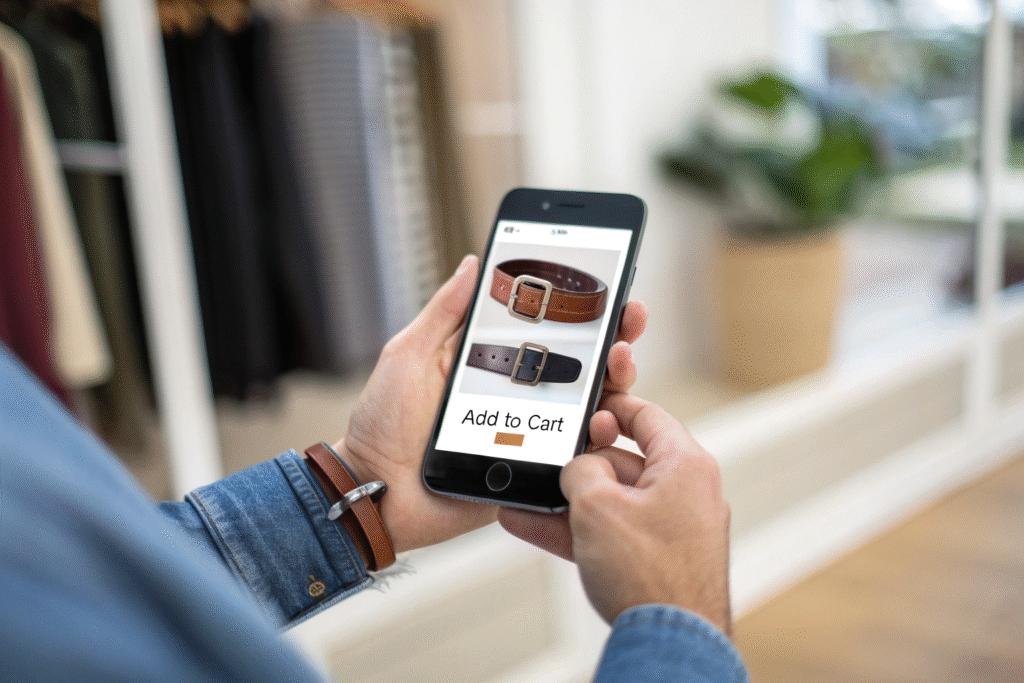
Why is Mobile-First Image Design Critical?
On mobile, vertical images and clear, large text are king. Avoid wide, horizontal graphics that become tiny and unreadable on a phone screen. Test all your A+ Content modules on a mobile device preview. Ensure that your lifestyle photos are cropped to focus on the product and the model wearing it. The text in your images must be short, in a high-contrast font, and large enough to read without zooming. A simple, clean mobile layout provides a frictionless experience that guides the user smoothly toward the "Add to Cart" button.
What Keywords Should Be Embedded in Your A+ Content?
While A+ Content's direct impact on Amazon SEO is debated, the improved conversion rates it drives will positively affect your ranking. Furthermore, you should strategically place relevant keywords in the text fields of your modules. Weave in terms like "automatic buckle belt for men," "durable nylon web belt," or "women's fashionable skinny belt" naturally within your descriptive paragraphs. This reinforces your product's relevance for those search terms and helps Amazon's algorithm understand your listing better, contributing to organic visibility.
Conclusion
Designing high-converting Amazon A+ Content for belts is a detailed process that blends art and science. It requires stunning, informative visuals that showcase the product in use, paired with clear, benefit-driven copy that addresses customer concerns about size, quality, and style. By strategically using modules like comparison charts and mobile-optimized layouts, you can transform a standard product page into a powerful sales engine that builds trust, reduces returns, and dominates your category.
Ready to source belts that are designed to win on Amazon? Partner with a manufacturer that understands e-commerce needs. Contact our Business Director, Elaine, at elaine@fumaoclothing.com to discuss creating a best-selling belt line with the quality and branding that A+ Content is meant to showcase.