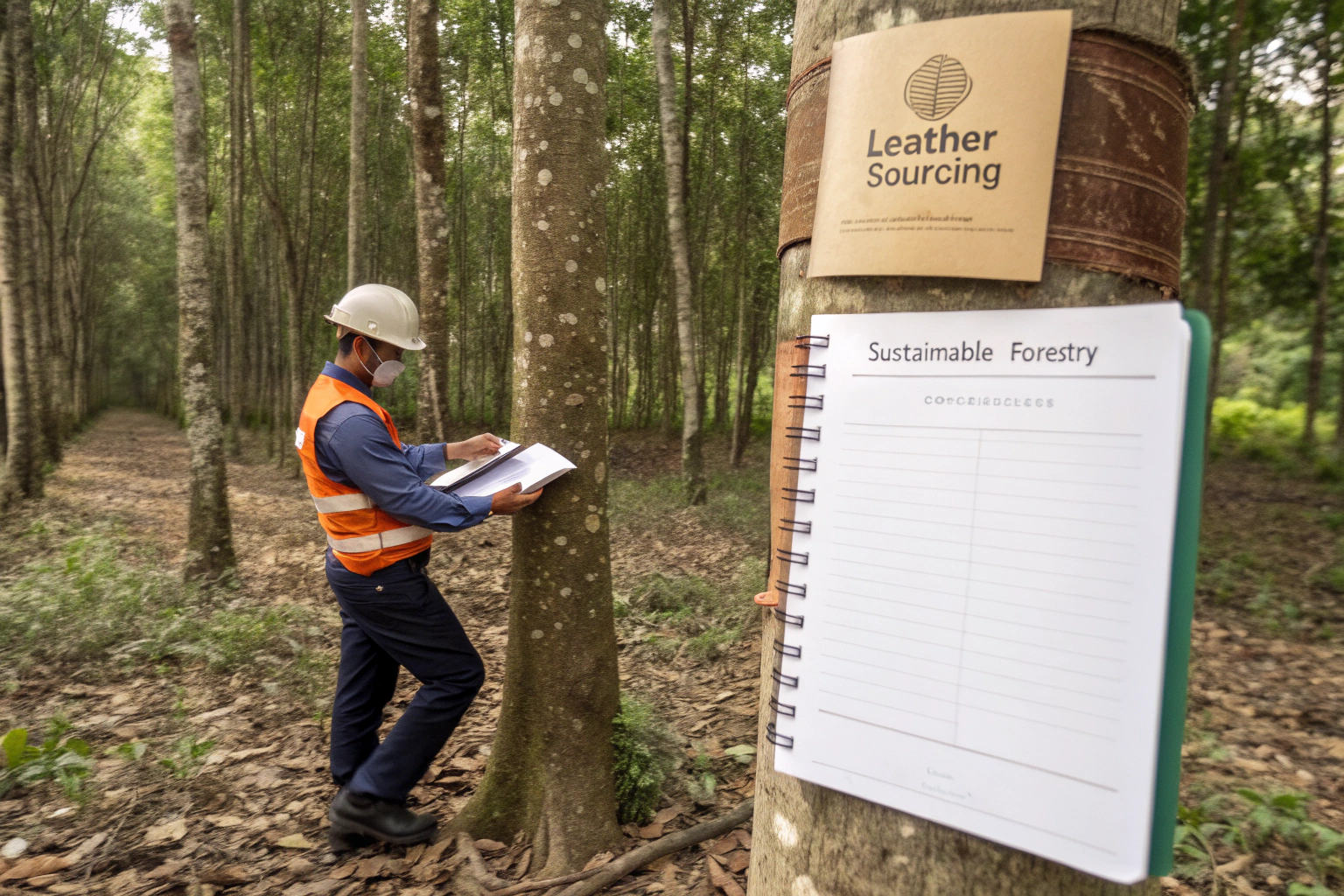
The leather industry faces increasing scrutiny regarding its environmental impact, particularly concerning the source of raw materials. As consumers and brands demand greater transparency, verifying sustainable forestry practices in leather supply chains has become both a business imperative and an ethical responsibility. But how can manufacturers and buyers ensure the leather they source truly comes from responsibly managed forests?
Verifying sustainable forestry in leather sourcing requires understanding certification systems, implementing traceability protocols, conducting supplier audits, and maintaining transparent documentation throughout the supply chain. This comprehensive approach ensures that leather production supports forest conservation rather than contributing to deforestation and environmental degradation.
The journey from forest to finished leather involves multiple stages, each requiring verification to guarantee sustainability claims are genuine. Let's explore the practical steps for establishing and maintaining responsible leather sourcing practices.
What Certification Systems Validate Sustainable Forestry?
Third-party certifications provide the most reliable verification of sustainable forestry practices, offering independent assessment of environmental standards.

How Does FSC Certification Apply to Leather?
The Forest Stewardship Council (FSC) certification is crucial for leather sourced from forest-based materials, particularly for vegetable-tanned leather where bark and other forest products are used in tanning processes. FSC certification ensures that forests are managed responsibly, maintaining biodiversity and supporting local communities. When sourcing leather, look for FSC-certified tanning facilities that can trace their forest-derived materials back to sustainably managed forests. This certification is especially important for brands marketing their products as environmentally responsible, as it provides verifiable proof of sustainable sourcing practices.
What Role Does Leather Working Group Play?
The Leather Working Group (LWG) provides comprehensive environmental certification specifically for the leather manufacturing industry. While LWG focuses on the entire production process, it includes stringent requirements for raw material sourcing and traceability. LWG-audited tanneries must demonstrate responsible sourcing practices, including documentation of sustainable supply chain management for hides and forest-derived materials used in processing. The LWG protocol evaluates energy consumption, water usage, and chemical management, creating a holistic picture of environmental responsibility throughout leather production.
How to Implement Effective Traceability Systems?
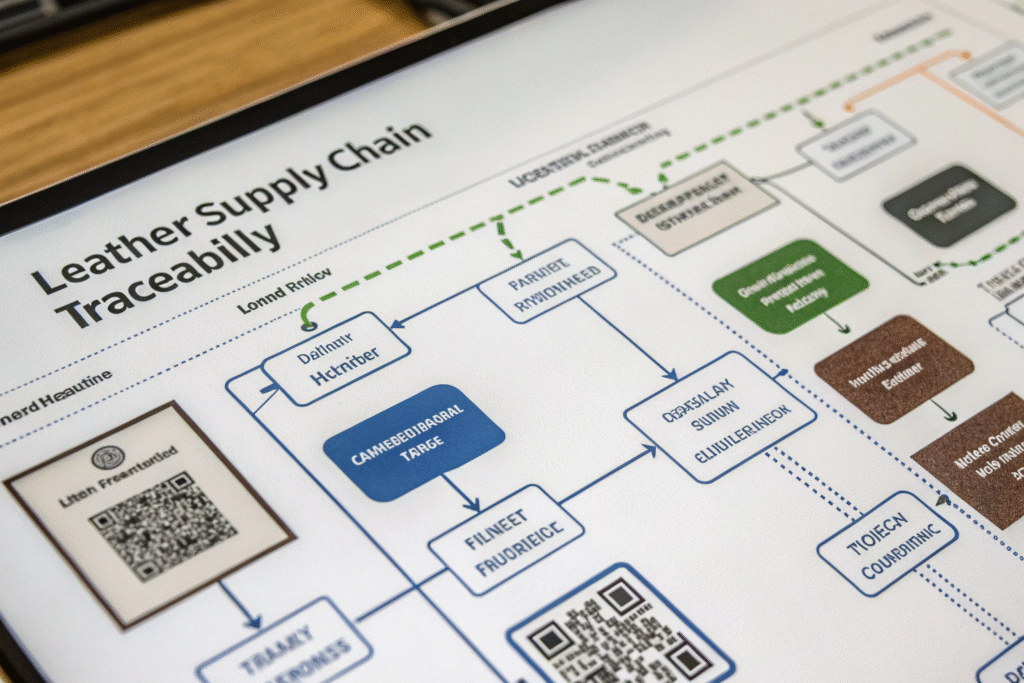
Robust traceability systems form the backbone of verifiable sustainable forestry claims, providing documented evidence of responsible sourcing.
What Documentation Proves Sustainable Origins?
Comprehensive documentation throughout the supply chain provides tangible proof of sustainable forestry practices. Key documents include:
- Forest management certificates and audit reports
- Chain of custody documentation from forest to tannery
- Transportation and processing records
- Chemical usage reports for tanning processes
- Social compliance certifications for forestry operations
This documentation should be readily available for inspection and verification. When sourcing genuine leather belts, request complete documentation packages that demonstrate compliance with recognized sustainability standards at every stage of production.
How Can Technology Enhance Traceability?
Modern technology solutions significantly improve traceability accuracy and efficiency. Blockchain systems create immutable records of transactions and movements throughout the supply chain. GPS tracking and satellite monitoring can verify the geographic origins of raw materials. QR codes and RFID tags enable real-time tracking of individual hides or batches. These technological solutions, when combined with traditional documentation, create a robust traceability system that prevents fraud and ensures the integrity of sustainability claims for premium leather products.
What Should Supplier Audits Include?
Regular, comprehensive audits provide essential verification of supplier claims and practices regarding sustainable forestry.

How to Assess Forestry Management Practices?
Supplier audits should include specific evaluation of forestry management practices, even when conducted at the tannery level. Key assessment areas include:
- Verification of certification claims and documentation
- Evaluation of raw material sourcing policies and procedures
- Assessment of relationships with forestry operations
- Review of environmental management systems
- Examination of waste management and pollution prevention measures
Auditors should physically verify the presence of sustainable practices rather than relying solely on documentation. This hands-on approach ensures that sustainable leather sourcing claims reflect actual operational practices.
What Social Factors Should Be Evaluated?
Sustainable forestry extends beyond environmental concerns to include social responsibility. Audits should assess:
- Working conditions in forestry operations and tanneries
- Fair wage practices and worker rights
- Community engagement and development initiatives
- Indigenous rights protection where applicable
- Health and safety standards throughout the supply chain
These social factors are integral to true sustainability and should be verified alongside environmental practices when sourcing leather for ethical fashion brands.
How to Maintain Transparency in the Supply Chain?
Ongoing transparency ensures continuous compliance with sustainable forestry standards and builds trust with consumers and stakeholders.

What Reporting Systems Ensure Accountability?
Effective reporting systems provide regular updates on sustainability performance and compliance. These should include:
- Regular sustainability reports with key performance indicators
- Incident reporting for non-compliance or environmental issues
- Progress reports on sustainability improvement initiatives
- Third-party verification of reported data
- Stakeholder engagement reports
These reporting mechanisms should be accessible to relevant parties throughout the supply chain, ensuring that sustainability commitments are actively maintained and continuously improved.
How Can Brands Communicate Verification to Consumers?
Transparent communication with consumers completes the verification process. Effective methods include:
- Clear labeling with specific certification marks
- Detailed online information about sourcing practices
- QR codes linking to verification documentation
- Regular sustainability updates through marketing channels
- Third-party verified environmental claims
This transparent communication not only builds consumer trust but also demonstrates genuine commitment to sustainable practices for environmentally conscious brands.
Conclusion
Verifying sustainable forestry in leather sourcing requires a multi-faceted approach combining certification, traceability, auditing, and transparency. By implementing robust verification systems and maintaining comprehensive documentation, leather manufacturers can ensure their products genuinely support forest conservation and responsible environmental management.
As consumer awareness grows and regulatory requirements evolve, proactive verification of sustainable forestry practices becomes increasingly essential for market success. If you're committed to sourcing leather from verified sustainable forestry operations, contact our Business Director, Elaine, at elaine@fumaoclothing.com to discuss how our transparent supply chain and certification systems can support your sustainability goals while delivering high-quality leather products.