The fashion industry stands at a critical crossroads where sustainability is no longer optional but essential. As consumers become increasingly aware of environmental issues, brands face growing pressure to offer genuinely eco-friendly alternatives to traditional materials. Among the innovative solutions emerging, apple leather represents one of the most promising developments for accessories like belts, combining environmental responsibility with practical functionality.
Apple leather offers eco-conscious collections a unique combination of sustainable sourcing from food industry waste, significantly reduced environmental impact compared to traditional leather and synthetics, and premium aesthetic qualities that meet consumer expectations for quality and style. This innovative material transforms agricultural byproducts into luxury accessories while addressing multiple environmental concerns simultaneously.
The appeal of apple leather extends beyond its environmental credentials to include practical manufacturing benefits and compelling marketing stories. Let's explore why this material deserves serious consideration for sustainable belt collections.
What Environmental Benefits Does Apple Leather Provide?
The ecological advantages of apple leather span its entire lifecycle, from raw material sourcing to end-of-life disposal, creating a comprehensive sustainability profile that few materials can match.
How Does It Address Agricultural Waste?
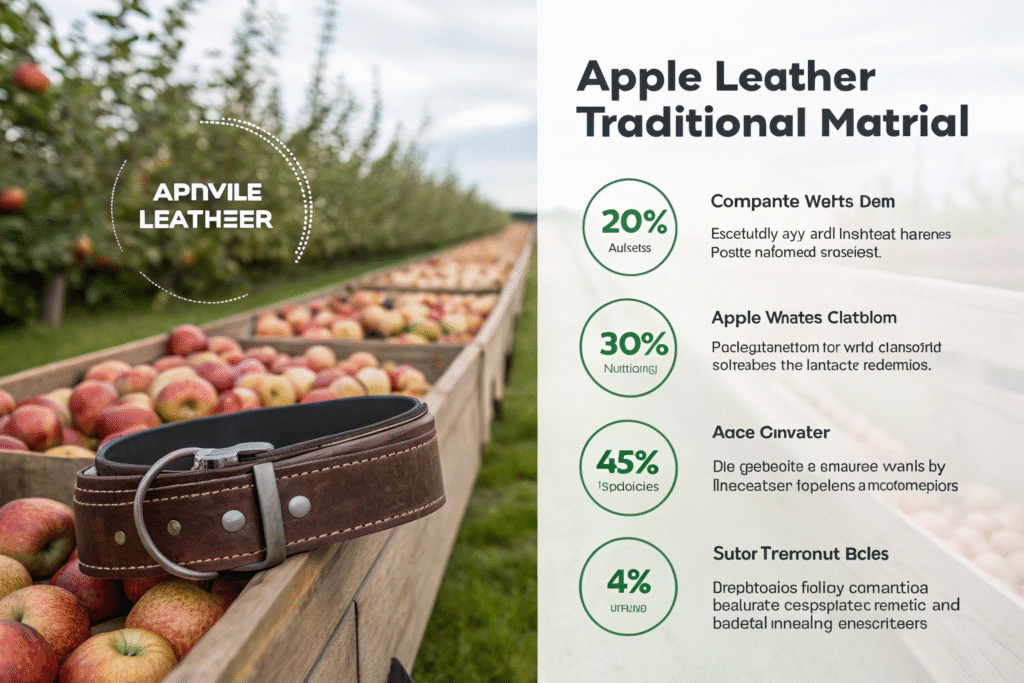
Apple leather directly tackles the significant waste problem in the food industry by utilizing apple pomace - the skins, cores, and pulp leftover from juice and compote production. Worldwide, the fruit processing industry generates approximately 25 million tons of apple waste annually, most of which would otherwise end up in landfills where it produces methane gas. By transforming this waste stream into valuable raw material, apple leather creates a circular economy model that reduces agricultural impact while providing additional revenue streams for fruit processors. This approach represents a fundamental shift from traditional linear production models toward truly sustainable manufacturing.
What Is Its Carbon and Water Footprint Comparison?
The environmental footprint of apple leather dramatically outperforms both traditional leather and synthetic alternatives. Production requires approximately 85% less water than traditional leather processing and generates up to 80% fewer carbon emissions. Compared to PVC-based synthetics, apple leather avoids the toxic chemical byproducts associated with plastic production while offering comparable durability. The material's relatively low-temperature processing requirements further reduce energy consumption throughout manufacturing, contributing to its superior environmental profile from production through to final product.
How Does Apple Leather Perform in Practical Applications?
Beyond its environmental credentials, apple leather must meet practical requirements for durability, maintenance, and user experience to succeed in the marketplace.
What Durability Characteristics Does It Offer?
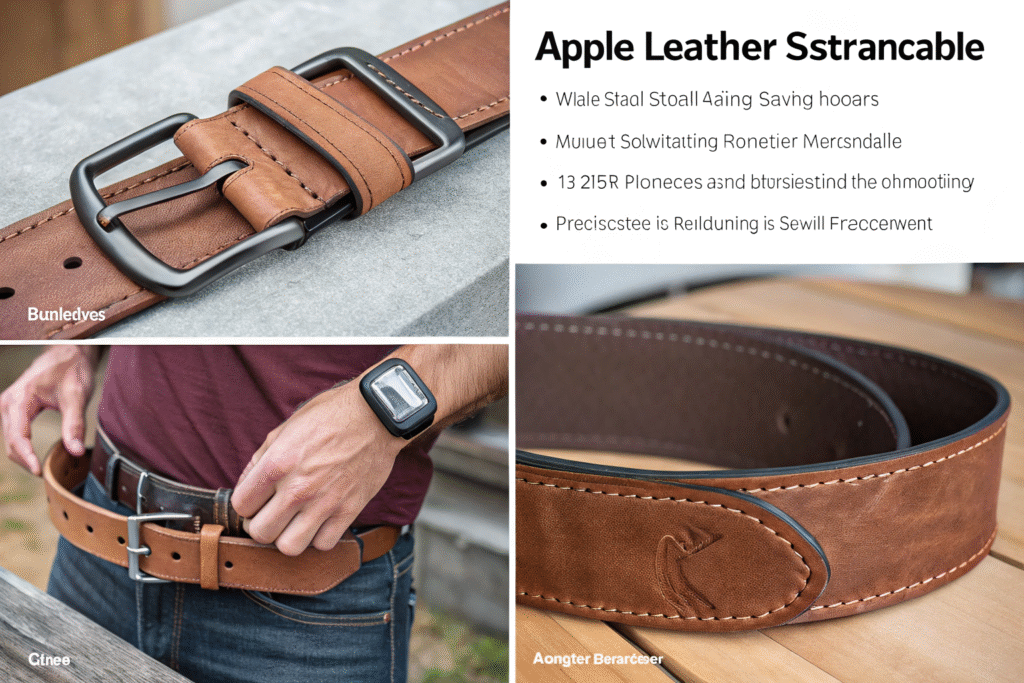
Apple leather demonstrates impressive durability that meets or exceeds many traditional materials used in belt manufacturing. The material typically features a layered construction with a bio-based polyurethane coating that provides excellent resistance to scratching, fading, and moisture. Unlike some vegan leathers that crack or peel over time, high-quality apple leather maintains its integrity through regular use, with testing showing it withstands over 100,000 flex cycles without significant damage. This durability ensures that belts maintain their appearance and functionality throughout their usable lifespan, supporting the sustainable principle of long-lasting products.
How Does Maintenance Compare to Traditional Materials?
Apple leather offers significant maintenance advantages that enhance its practical appeal. The material typically requires only simple cleaning with damp cloths, avoiding the specialized cleaning products and conditioning treatments often needed for traditional leather. Its inherent water resistance protects against moisture damage, while the uniform surface texture hides minor scuffs and scratches more effectively than some natural leathers. These practical benefits make apple leather belts particularly suitable for daily wear where convenience and low maintenance are valued alongside environmental considerations.
What Market Advantages Does Apple Leather Provide?
The commercial benefits of apple leather extend beyond environmental metrics to include compelling marketing narratives and growing consumer demand.
How Does Consumer Perception Drive Adoption?
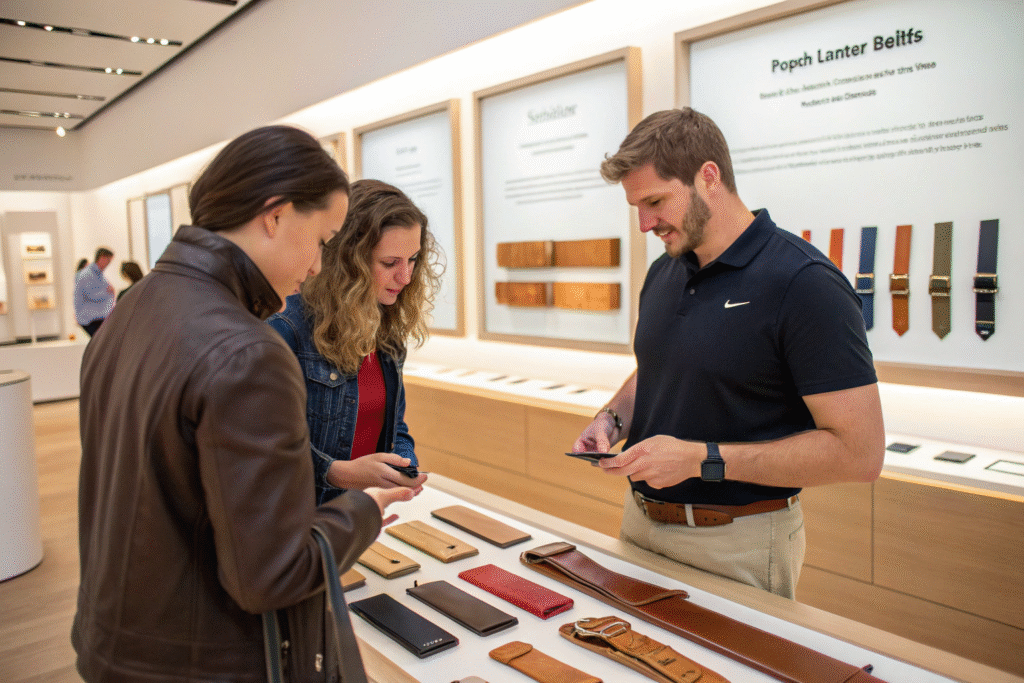
Market research indicates increasingly positive consumer attitudes toward plant-based materials, with 68% of fashion consumers expressing willingness to pay premium prices for genuinely sustainable alternatives. Apple leather particularly resonates with environmentally conscious millennials and Gen Z consumers who prioritize transparency and innovation in their purchasing decisions. The tangible connection to a natural, recognizable source material (apples) creates an accessible sustainability story that consumers find more compelling than technical certifications or abstract environmental claims alone.
What Brand Storytelling Opportunities Exist?
Apple leather provides brands with powerful narrative opportunities that differentiate their products in a crowded marketplace. The transformation from food waste to fashion accessory represents a compelling "waste-to-wonder" story that engages consumers emotionally while demonstrating genuine environmental commitment. Brands can leverage traceability to specific European apple orchards, creating authentic connections to agricultural traditions and regional identities. This storytelling potential transforms what could be a technical material specification into a meaningful brand asset that resonates with values-driven consumers.
How Does Apple Leather Support Circular Economy Goals?
The alignment with circular economy principles represents one of apple leather's most significant advantages for forward-thinking brands and manufacturers.
What End-of-Life Options Does It Offer?
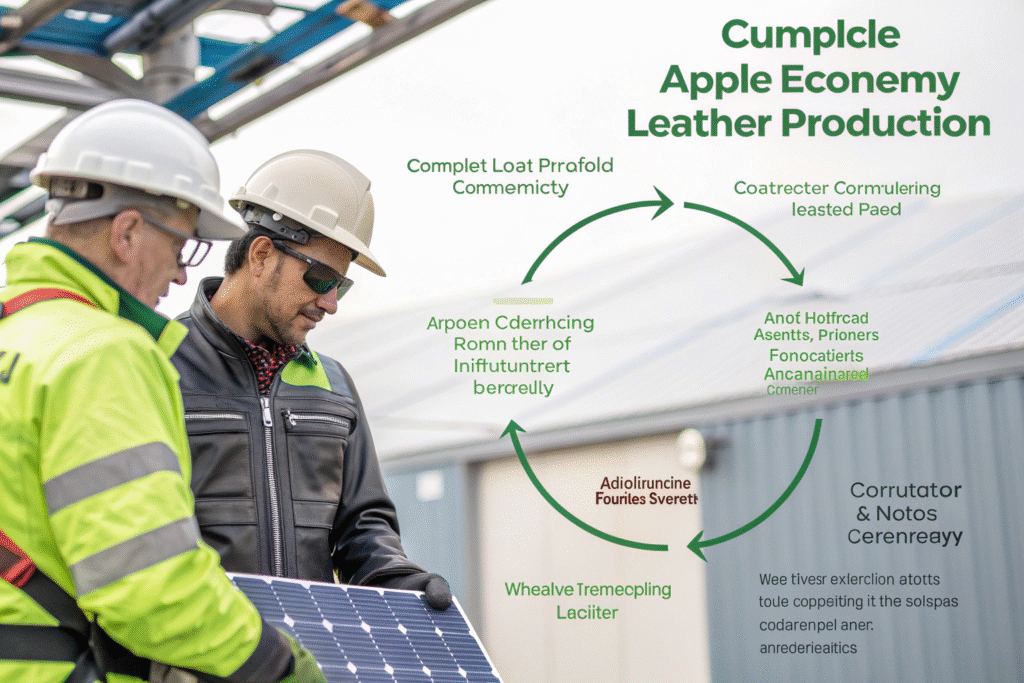
Unlike many traditional materials, apple leather supports multiple responsible disposal pathways that minimize environmental impact. High-quality versions of the material can be processed through industrial composting facilities, breaking down into natural components without leaving toxic residues. While not all apple leather is currently biodegradable (depending on specific formulations), leading manufacturers are increasingly offering compostable options that complete the circular lifecycle. This end-of-life advantage addresses growing consumer concern about product afterlife and waste accumulation.
How Does It Compare to Other Sustainable Alternatives?
When evaluated against other eco-friendly materials, apple leather demonstrates several distinct advantages. Unlike pineapple leather (Piñatex), it utilizes waste from an existing industry rather than requiring dedicated agricultural production. Compared to mushroom leather, it offers more consistent supply chains and established manufacturing processes. And unlike many recycled synthetics, it provides a genuinely bio-based solution that doesn't depend on plastic inputs. These comparative advantages position apple leather as a practical, scalable choice for brands seeking to balance environmental goals with commercial realities.
Conclusion
Apple leather represents a compelling choice for eco-conscious collections by successfully addressing environmental concerns without compromising on quality, aesthetics, or performance. Its innovative approach to waste utilization, significantly reduced environmental footprint, and alignment with circular economy principles make it stand out in the growing field of sustainable materials.
As consumer demand for genuine sustainability continues to grow, materials like apple leather that offer transparent, compelling environmental benefits alongside practical advantages will increasingly define successful fashion collections. If you're ready to explore how apple leather can enhance your sustainable belt offerings, contact our Business Director, Elaine, at elaine@fumaoclothing.com to discuss integrating this innovative material into your next collection.