The demand for functional fashion has never been higher, particularly in accessories that face daily wear and accidental spills. Modern consumers expect their belts to maintain pristine appearances despite exposure to coffee, ink, food, and environmental contaminants. Recent technological advancements have transformed stain-repellent belts from basic treated leather to sophisticated performance accessories that combine advanced materials science with practical everyday functionality.
The top innovations in stain-repellent belts include molecular-level surface modifications, nanotechnology coatings, self-cleaning photocatalytic treatments, and bio-based hydrophobic solutions that create invisible barriers against liquids and oils while maintaining natural material aesthetics and breathability. These cutting-edge technologies represent a significant leap beyond traditional wax-based treatments and silicone sprays that often altered material appearance or wore off quickly.
The evolution of stain resistance has moved from simple surface treatments to integrated material engineering. Let's examine the most promising innovations reshaping this category.
How Do Nanotechnology Coatings Revolutionize Protection?
Nanotechnology has enabled stain protection at a scale previously unimaginable, creating barriers that are both more effective and more durable than traditional treatments.
What Makes Nano-Scale Treatments More Effective?
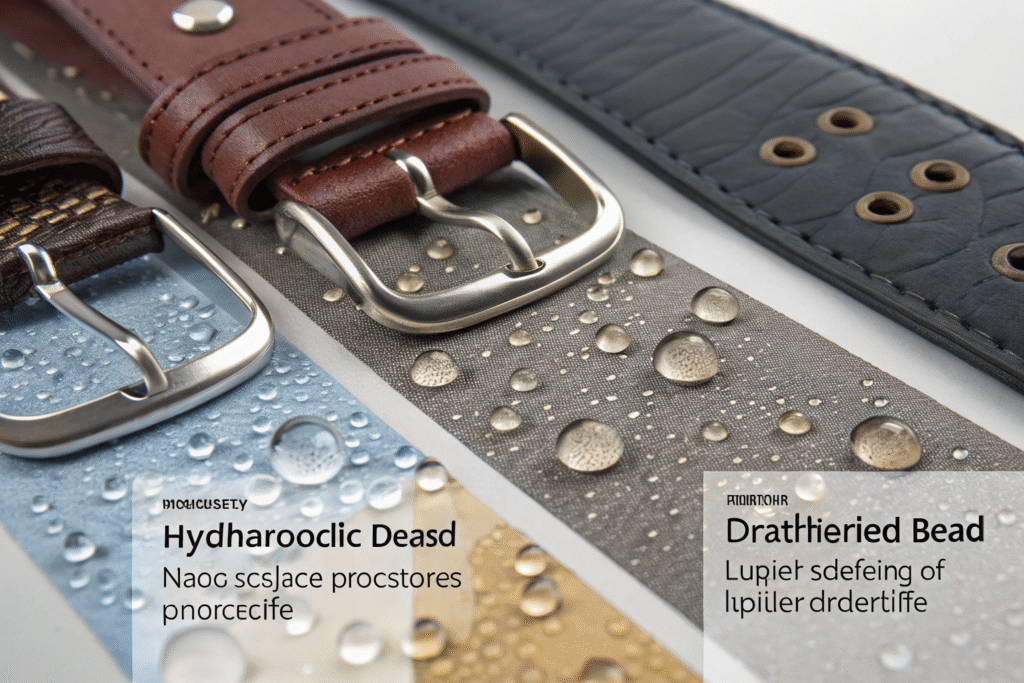
Nanotechnology creates surface structures at the molecular level that fundamentally change how materials interact with liquids. These treatments build protective layers measuring between 1-100 nanometers thick - thousands of times thinner than human hair - that create extremely low surface energy. This causes liquids to bead up and roll off rather than being absorbed. The precise molecular engineering allows for targeted protection against specific types of stains while maintaining the material's natural breathability and texture. Unlike older treatments that simply coated surfaces, nanotechnology integrates with material fibers for protection that lasts through extended wear and cleaning.
How Do Self-Healing Nanocoatings Work?
The latest advancement in nanotechnology involves self-healing properties that maintain protection even after surface damage. These innovative coatings contain microcapsules filled with protective compounds that release when the surface is scratched or abraded. This automatic repair mechanism ensures continuous protection without requiring reapplication of treatments. The technology is particularly valuable for belts, which experience constant friction against clothing and frequent contact with belt loops and buckles that can compromise traditional protective layers.
What Role Do Advanced Material Composites Play?
Innovative material engineering has created new categories of stain-resistant fabrics and leather alternatives that build protection directly into their fundamental structure.
How Do Embedded Protection Systems Function?
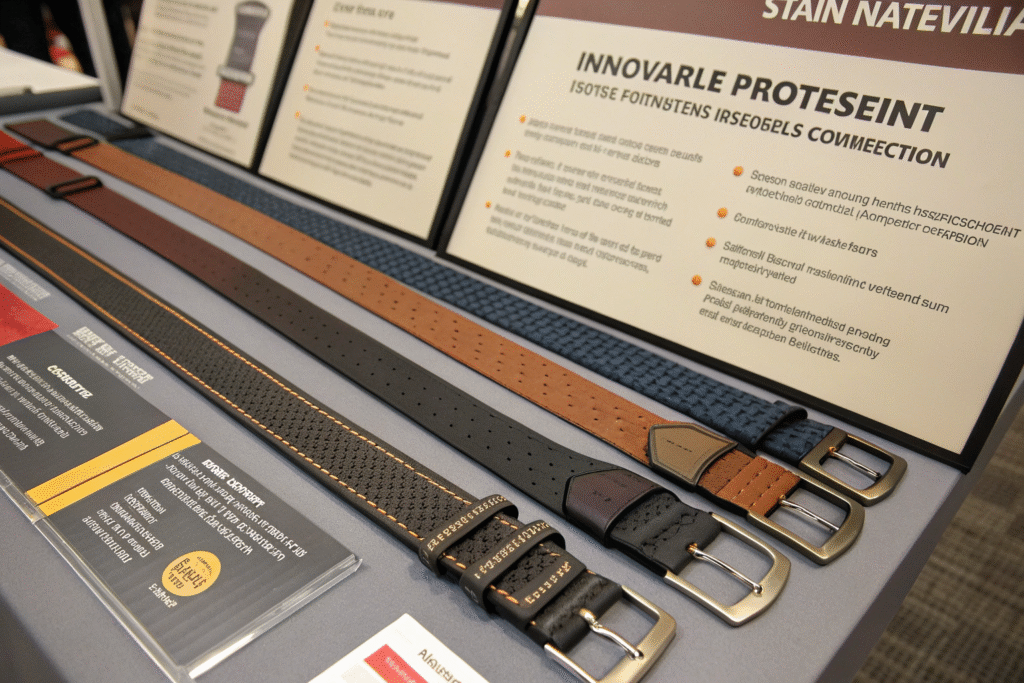
Unlike surface treatments that can wear away, embedded protection systems integrate stain-resistant properties directly into material matrices. These composite material technologies involve creating polymer structures with built-in hydrophobic and oleophobic properties. The protection becomes an inherent characteristic of the material rather than an added layer, ensuring consistent performance throughout the product's lifespan. This approach is particularly effective for synthetic belts and fabric alternatives where the material composition can be precisely engineered during manufacturing.
What Advantages Do Molecularly Engineered Leathers Offer?
Traditional leather treatment has been revolutionized by molecular engineering techniques that modify leather at the cellular level. Advanced leather modification processes create permanent bonds between protective compounds and leather fibers, resulting in protection that won't wash out or wear off. These treatments maintain leather's natural breathability and aging characteristics while providing exceptional resistance to water-based and oil-based stains. The technology represents a significant improvement over surface coatings that can alter leather's natural hand feel and patina development.
How Are Photocatalytic Technologies Transforming Cleaning?
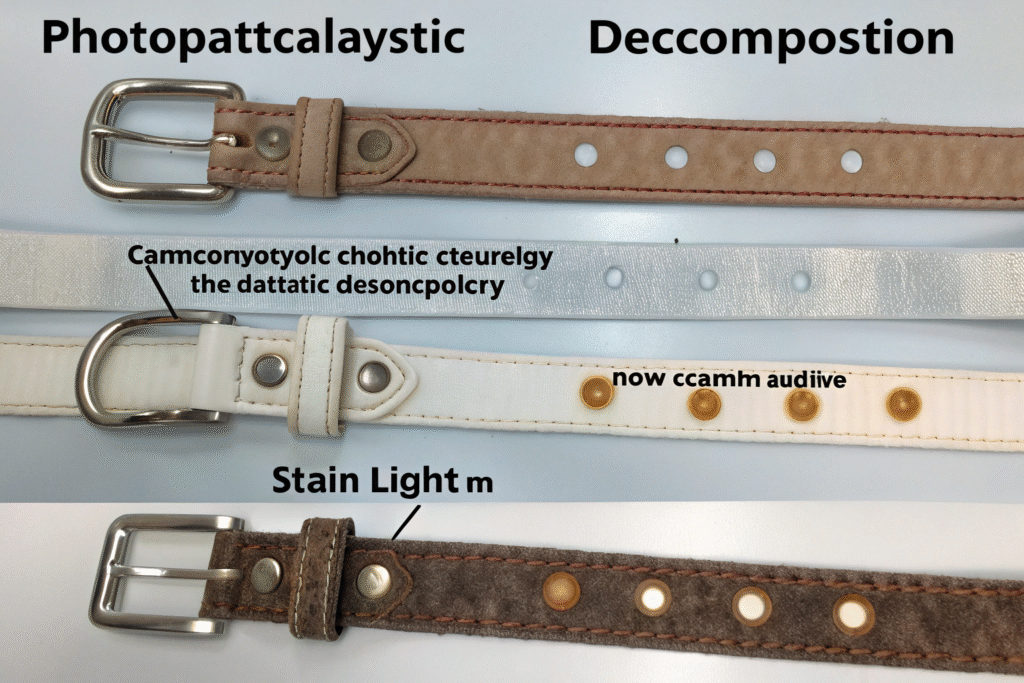
One of the most exciting developments in stain protection involves materials that actively break down stains when exposed to light, creating self-cleaning properties.
What Is the Mechanism Behind Photocatalytic Action?
Photocatalytic technologies utilize light-activated compounds, typically titanium dioxide or zinc oxide nanoparticles, that generate powerful oxidizing agents when exposed to light. These agents break down organic stains, oils, and even bacteria at the molecular level. The process essentially converts stains into harmless compounds like carbon dioxide and water that evaporate away. This technology is particularly effective for belts exposed to outdoor environments and artificial lighting, providing continuous cleaning without chemical cleaners or manual effort.
How Do These Systems Handle Different Stain Types?
Advanced photocatalytic systems are engineered to address multiple stain categories through targeted molecular breakdown. Organic stains like food, grass, and coffee respond particularly well to photocatalytic action, while newer formulations also address oil-based stains and synthetic dyes. The most sophisticated systems incorporate multiple photocatalytic compounds that activate under different light wavelengths, ensuring effective performance in both direct sunlight and indoor lighting conditions. This comprehensive approach makes photocatalytic belts ideal for professionals who need maintained appearance throughout long workdays in varying environments.
What Sustainable Innovations Are Emerging?
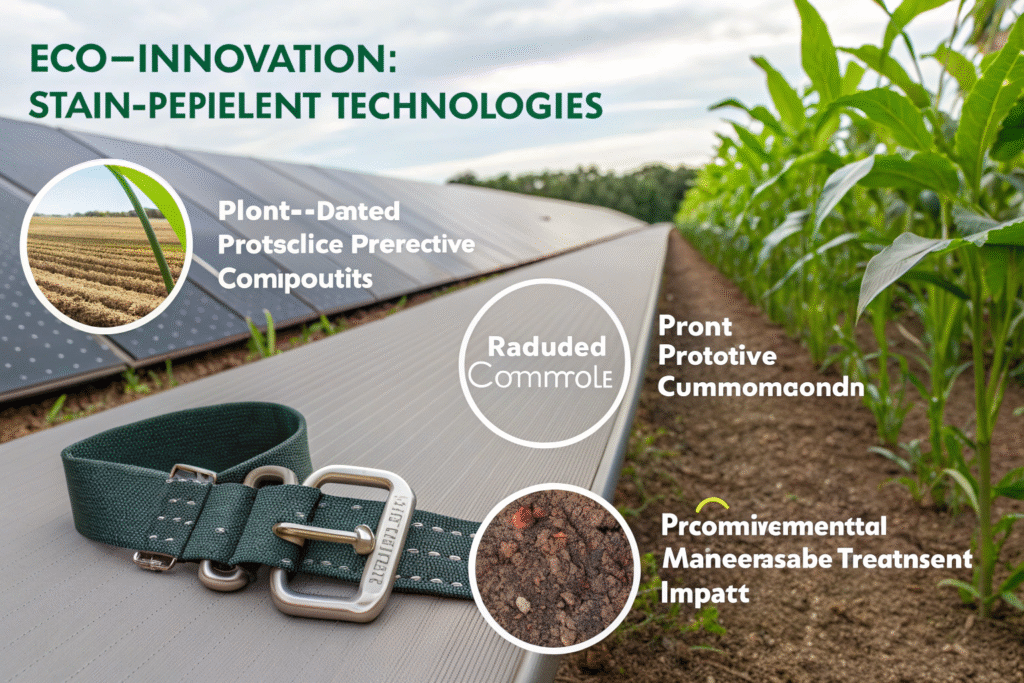
The latest stain-repellent technologies increasingly prioritize environmental responsibility alongside performance, addressing concerns about chemical treatments and sustainability.
How Do Bio-Based Hydrophobic Solutions Work?
Innovative bio-based solutions utilize natural compounds derived from plants and other renewable sources to create effective water and stain resistance. These include waxes from candelilla bushes, hydrophobic proteins from lotus leaves, and compounds derived from citrus fruits. These natural solutions provide excellent protection while being biodegradable and non-toxic. The development of effective bio-based alternatives addresses growing consumer demand for eco-friendly products without compromising on performance or durability.
What Advances in Application Methods Reduce Environmental Impact?
Modern application technologies have significantly reduced the environmental footprint of stain-repellent treatments. Supercritical fluid application uses carbon dioxide as a solvent instead of harmful chemicals, while plasma treatment creates protective surfaces without liquid waste. These advanced application methods use less energy, generate minimal waste, and eliminate the need for persistent chemicals. The result is high-performance stain protection that aligns with increasingly stringent environmental regulations and consumer expectations for sustainable products.
Conclusion
The innovations in stain-repellent belts represent a convergence of advanced materials science, nanotechnology, and sustainable engineering that transforms everyday accessories into high-performance gear. From molecular-level protections that create invisible barriers to self-cleaning technologies that actively break down stains, these advancements offer unprecedented maintenance-free performance while maintaining aesthetic appeal and comfort.
As research continues, we can expect even more sophisticated solutions that offer enhanced protection, longer durability, and improved environmental profiles. If you're interested in incorporating these cutting-edge stain-repellent technologies into your belt collections, contact our Business Director, Elaine, at elaine@fumaoclothing.com to discuss how our manufacturing expertise can integrate these innovations into products that combine style, function, and advanced performance.