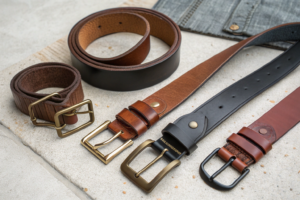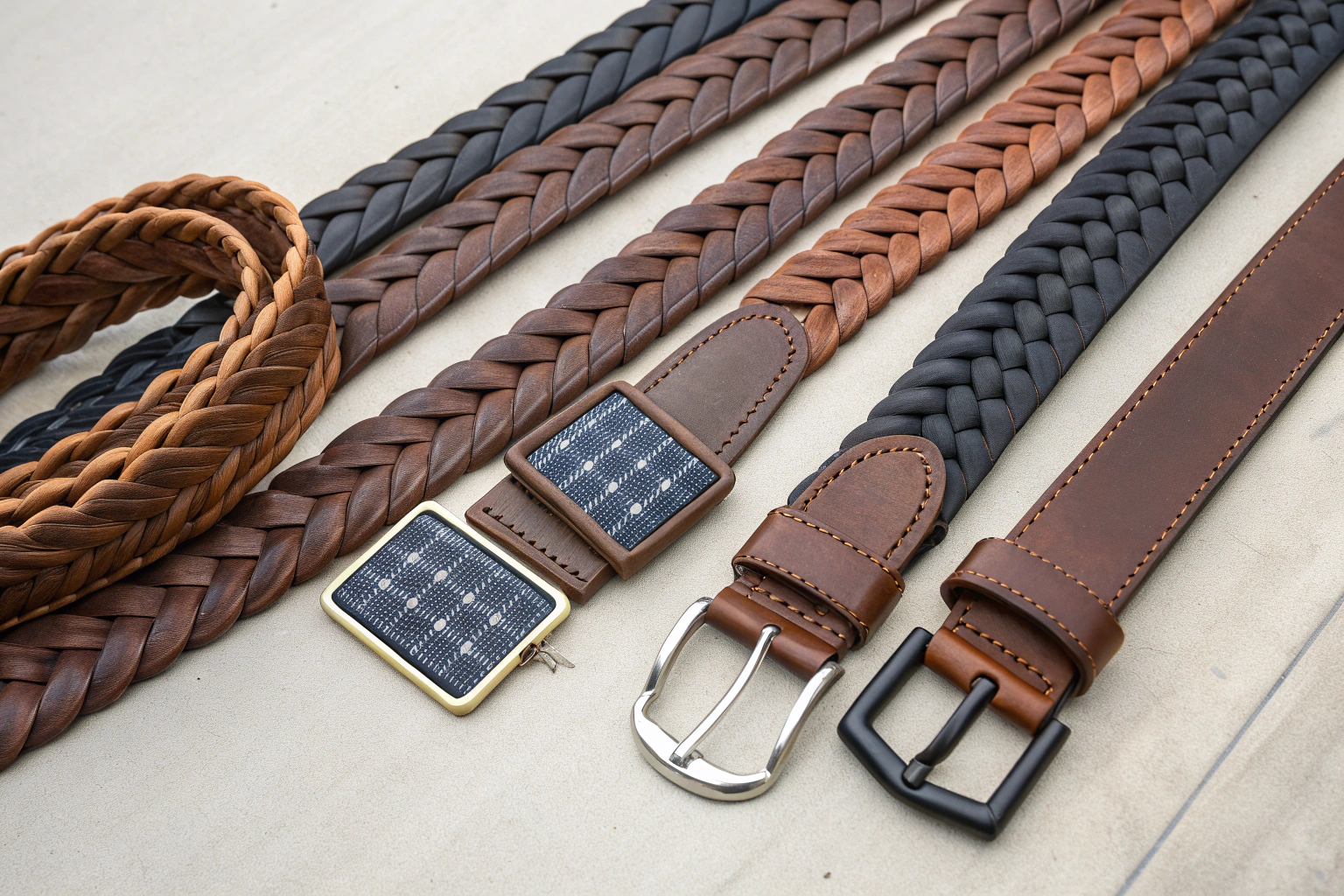
Braided leather belts have maintained their popularity across generations, offering a unique combination of rustic charm and practical functionality. However, not all braided leather belts are created equal when it comes to flexibility and comfort. The ability of these belts to conform to the body's movements while maintaining their structural integrity involves a complex interplay of material science, manufacturing techniques, and design principles.
The flexibility in braided leather belts is determined by leather quality and thickness, braiding technique and pattern, tanning methods, finishing treatments, and the core materials used in construction. These factors work together to create belts that range from stiff and structured to remarkably supple and adaptable to body movements.
Understanding what makes some braided belts more flexible than others requires examining both the materials and methods behind their creation. Let's explore the key elements that influence how these accessories move with the wearer.
How Does Leather Selection Impact Flexibility?
The choice of leather serves as the foundation for a braided belt's flexibility characteristics, with different leather types offering distinct performance qualities.
What Leather Thickness and Type Work Best?
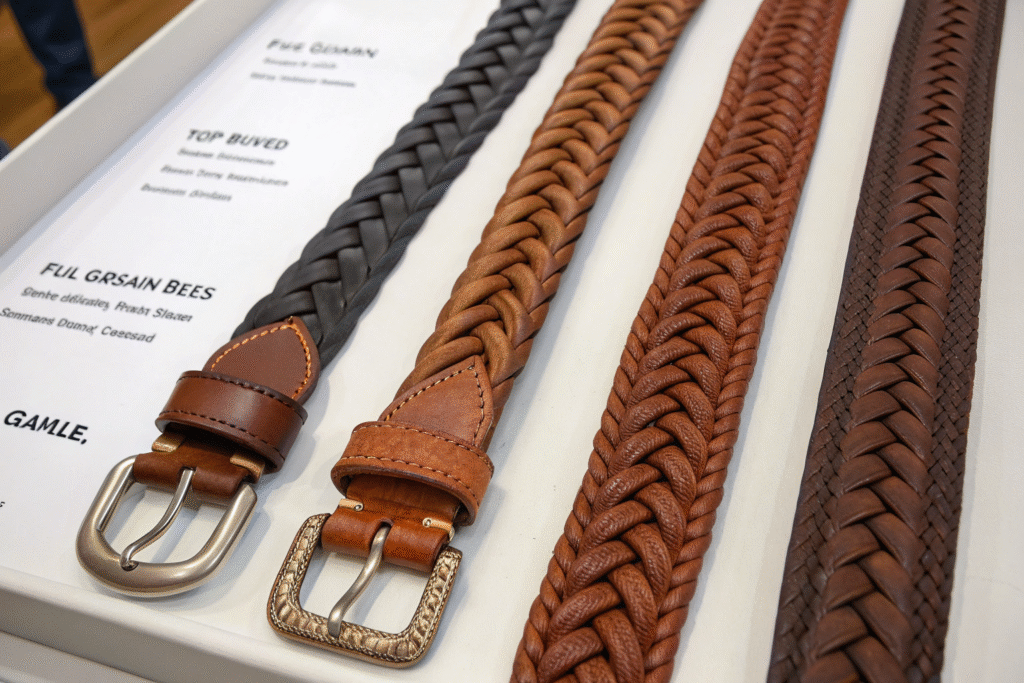
The thickness and type of leather strips used in braiding significantly impact the final product's flexibility. Thinner leather strips (1-2mm) typically create more supple braided structures that conform easily to body shape, while thicker strips (3-4mm) produce stiffer, more structured belts. Full-grain leather offers natural fiber integrity that maintains flexibility while developing character over time, whereas corrected grains may be more uniformly flexible initially but lack long-term resilience. The leather density and fiber structure also play crucial roles, with tighter fiber arrangements generally creating more rigid results than open, porous leather structures.
How Do Different Leather Parts Affect Flexibility?
Leather from various parts of the hide behaves differently in braided applications. Belly cuts, being naturally more stretchy and flexible, create exceptionally comfortable braided belts but may lack durability. Back and shoulder sections provide better structure and longevity but can be less immediately flexible. Understanding these differences helps manufacturers select the right leather sections for their intended flexibility profile, balancing comfort needs with durability requirements for different market segments.
What Braiding Techniques Influence Flexibility?
The method and pattern of braiding transform leather strips into functional accessories, with each technique offering distinct flexibility characteristics.
How Does Braid Density Affect Movement?
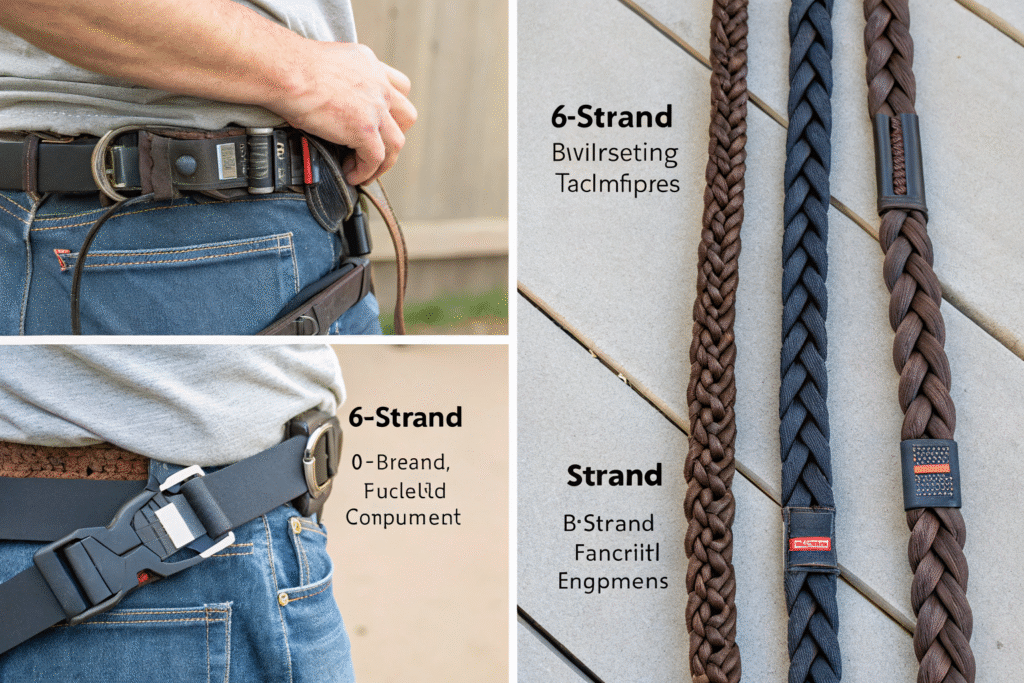
The tightness of the braid fundamentally determines how much a belt can flex and move. Tighter braiding patterns create more rigid structures that hold their shape well but may feel stiff against the body. Looser braiding allows for greater immediate flexibility but may sacrifice some structural integrity over time. The number of strands used in the braid also impacts flexibility—more strands generally create thicker, potentially stiffer results, while fewer strands can produce more pliable belts. The ideal balance depends on the intended use, with dress belts often favoring tighter braids and casual belts benefiting from looser construction.
What Role Does Core Integration Play?
Many quality braided leather belts incorporate internal cores that significantly influence flexibility. Cotton or polyester cord cores allow for maximum flexibility while maintaining the braid's shape, creating belts that move naturally with the body. Leather strip cores provide moderate flexibility with enhanced structure, while synthetic stiffeners create more rigid results suitable for formal wear. The choice of core material represents a crucial design decision that balances flexibility needs with the desired silhouette and support level.
How Do Tanning and Finishing Processes Affect Flexibility?
The chemical and mechanical treatments applied to leather during tanning and finishing dramatically impact the final flexibility of braided belts.
What Tanning Methods Create Optimal Flexibility?
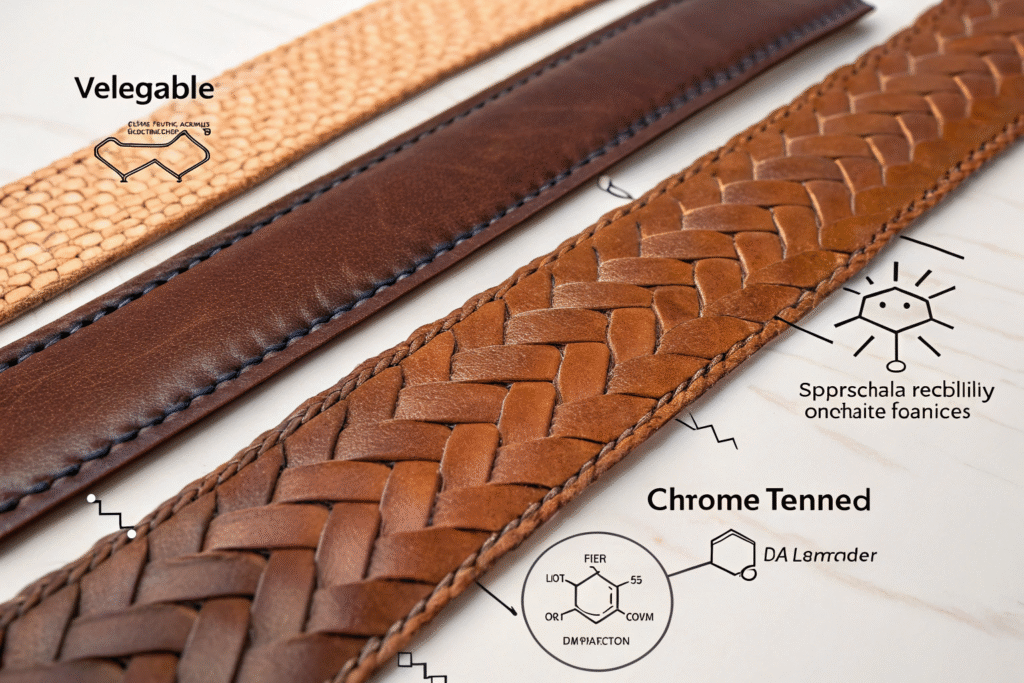
Different tanning approaches produce leather with markedly different flexibility characteristics. Vegetable tanning typically creates firmer leather that becomes more flexible with use, developing a personalized fit over time. Chrome tanning produces more immediately supple leather that maintains consistent flexibility but may lack the character development of vegetable-tanned alternatives. Combination tanning approaches can balance immediate comfort with long-term patina development, offering the best of both worlds for braided belt applications.
How Do Finishing Treatments Influence Suppleness?
The final treatments applied to braided belts can either enhance or restrict their natural flexibility. Oil and wax finishes typically maintain or improve flexibility by keeping leather fibers lubricated and preventing stiffness. Heavy surface coatings or plasticized finishes may create initial water resistance but can reduce natural flexibility and prevent the leather from developing its characteristic patina over time. The most flexible braided belts often use minimal surface treatments that protect without restricting the natural movement of leather fibers.
What Design Elements Contribute to Wearable Flexibility?
Beyond materials and construction, specific design choices significantly impact how braided belts feel and perform during daily wear.
How Do Clasp and Buckle Systems Impact Flexibility?
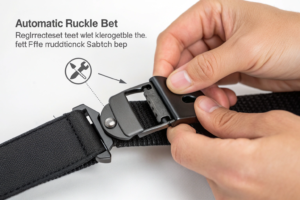
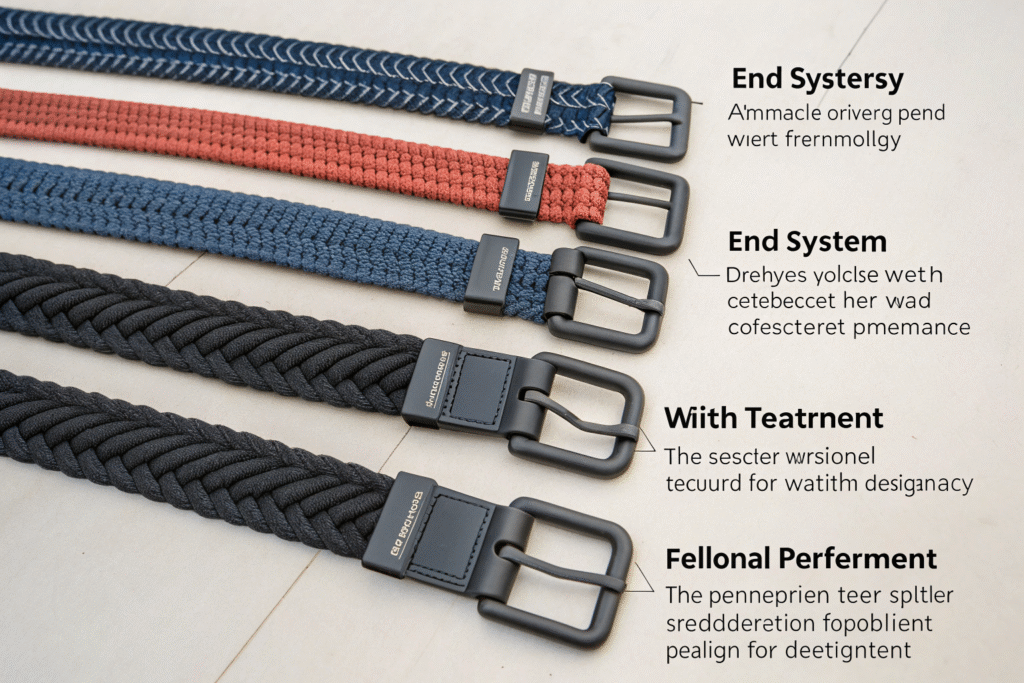
The hardware choices on braided belts significantly influence their overall flexibility and comfort. Traditional buckle systems with rigid metal components can create pressure points and restrict movement, particularly when sitting. Slide clasps and magnetic closures distribute tension more evenly across the braid, typically enhancing overall flexibility. The placement and size of hardware elements also matter—larger, heavier clasps may weigh down the braid and reduce its natural movement, while smaller, lighter options preserve flexibility.
What Role Does Belt Width and Pattern Play?
The physical dimensions and braiding pattern of a belt directly affect its flexibility characteristics. Narrower braided belts (1-1.5 inches) typically offer greater flexibility and comfort for most body types, conforming easily to waist contours. Wider designs (2+ inches) provide more dramatic style statements but may feel restrictive during movement. Complex braiding patterns with multiple crossing points generally create more rigid structures, while simpler patterns allow for greater natural movement and flexibility throughout daily activities.
Conclusion
The flexibility of braided leather belts emerges from a sophisticated interplay between material selection, construction techniques, tanning methods, and design choices. Understanding these factors allows manufacturers to create products that balance comfort, durability, and aesthetic appeal while meeting specific market needs.
The optimal flexibility profile depends on the intended use—whether for formal occasions requiring structured appearance or casual wear prioritizing comfort and adaptability. If you're interested in developing braided leather belts with specific flexibility characteristics for your target market, contact our Business Director, Elaine, at elaine@fumaoclothing.com to discuss how our expertise in leather selection and braiding techniques can create the perfect balance of comfort and style for your collection.