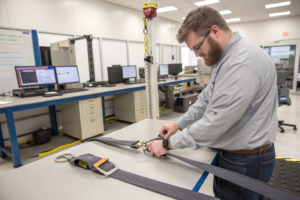
The demand for sustainable fashion has accelerated dramatically, with synthetic belts often marketed as eco-friendly solutions featuring recycled content. However, the gap between marketing claims and actual recycled content has become a significant concern for consumers, retailers, and environmentally conscious brands seeking genuine sustainability credentials.
Verifying recycled content in synthetic belts requires understanding certification systems, implementing supply chain transparency protocols, utilizing scientific testing methods, and developing comprehensive documentation trails that trace materials from waste source to finished product. This systematic approach separates genuine recycled products from those making unsubstantiated environmental claims.
The verification process involves multiple layers of investigation, from paper documentation to laboratory analysis. Let's explore the practical steps and tools available for authenticating recycled content claims in synthetic belt materials.
What Certification Systems Provide Reliable Verification?
Third-party certifications offer the most objective validation of recycled content claims, providing standardized frameworks for verification.

How Does the Global Recycled Standard (GRS) Work?
The Global Recycled Standard is currently the most comprehensive certification for verifying recycled content in textiles. GRS certification requires full supply chain traceability and third-party verification of recycled material content percentages. To earn GRS certification, manufacturers must provide documented evidence of recycled material input and maintain chain of custody throughout production. The standard specifies minimum recycled content thresholds (20% for GRS-labeled products) and includes social and environmental processing requirements that extend beyond simple material verification to address chemical use and labor practices.
What Role Does the Recycled Claim Standard (RCS) Play?
The Recycled Claim Standard provides a simpler, content-focused verification framework specifically designed for tracking recycled raw materials through the supply chain. RCS certification verifies the presence and amount of recycled material in a final product but doesn't include the additional environmental and social requirements of GRS. This makes RCS particularly useful for brands specifically focused on material content verification without broader sustainability certification. Both GRS and RCS use the same chain of custody requirements, ensuring material traceability from recycler to finished product.
How Can Supply Chain Transparency Be Established?
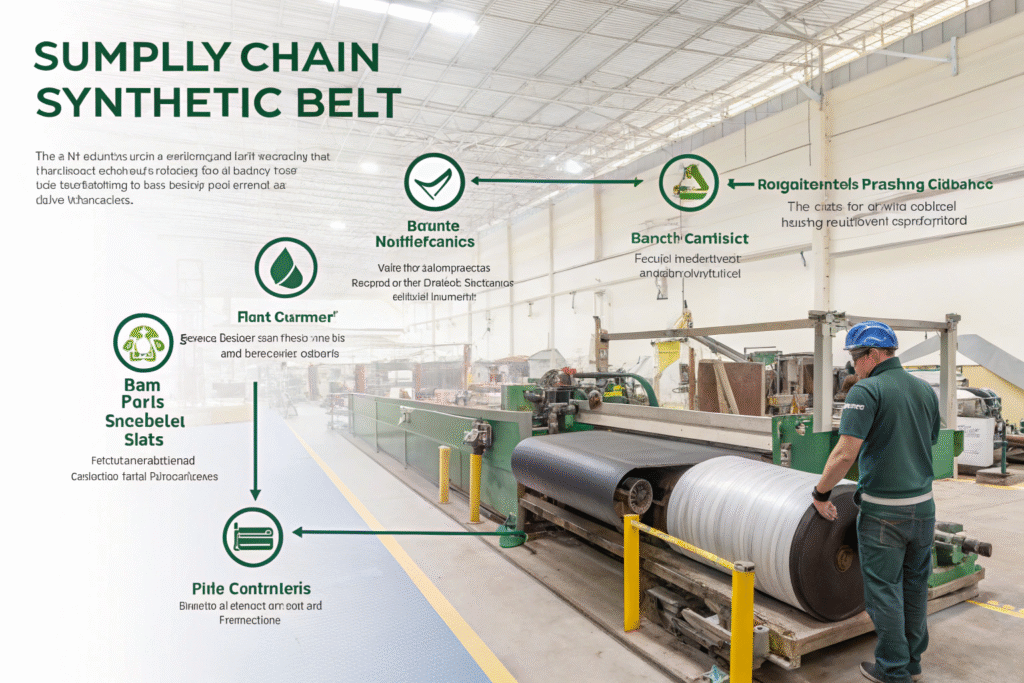
Building transparent supply chains is fundamental to verifying recycled content claims beyond certification paperwork.
What Documentation Should Manufacturers Provide?
Comprehensive documentation should include material certificates from recyclers, purchase records showing acquisition of recycled materials, production records demonstrating material usage ratios, and chain of custody documentation tracking materials through each processing stage. Reputable manufacturers will provide batch-specific documentation that allows verification of exactly which recycled materials went into specific production runs. This documentation should be readily available for inspection and should include details about the source of recycled materials (post-consumer vs. post-industrial) and the specific recycling processes used.
How Do Blockchain and Digital Tracing Technologies Help?
Advanced blockchain-based traceability systems create immutable records of material journeys that cannot be altered retroactively. These digital systems allow brands and consumers to scan QR codes on finished belts and view the complete history of recycled materials used in production. While not yet universally adopted, these technologies represent the future of transparent supply chain management for recycled materials, providing near-instant verification that complements traditional certification systems.
What Scientific Testing Methods Confirm Recycled Content?
Laboratory analysis provides physical verification that complements documentation-based certification.

How Does Chemical Analysis Differentiate Materials?
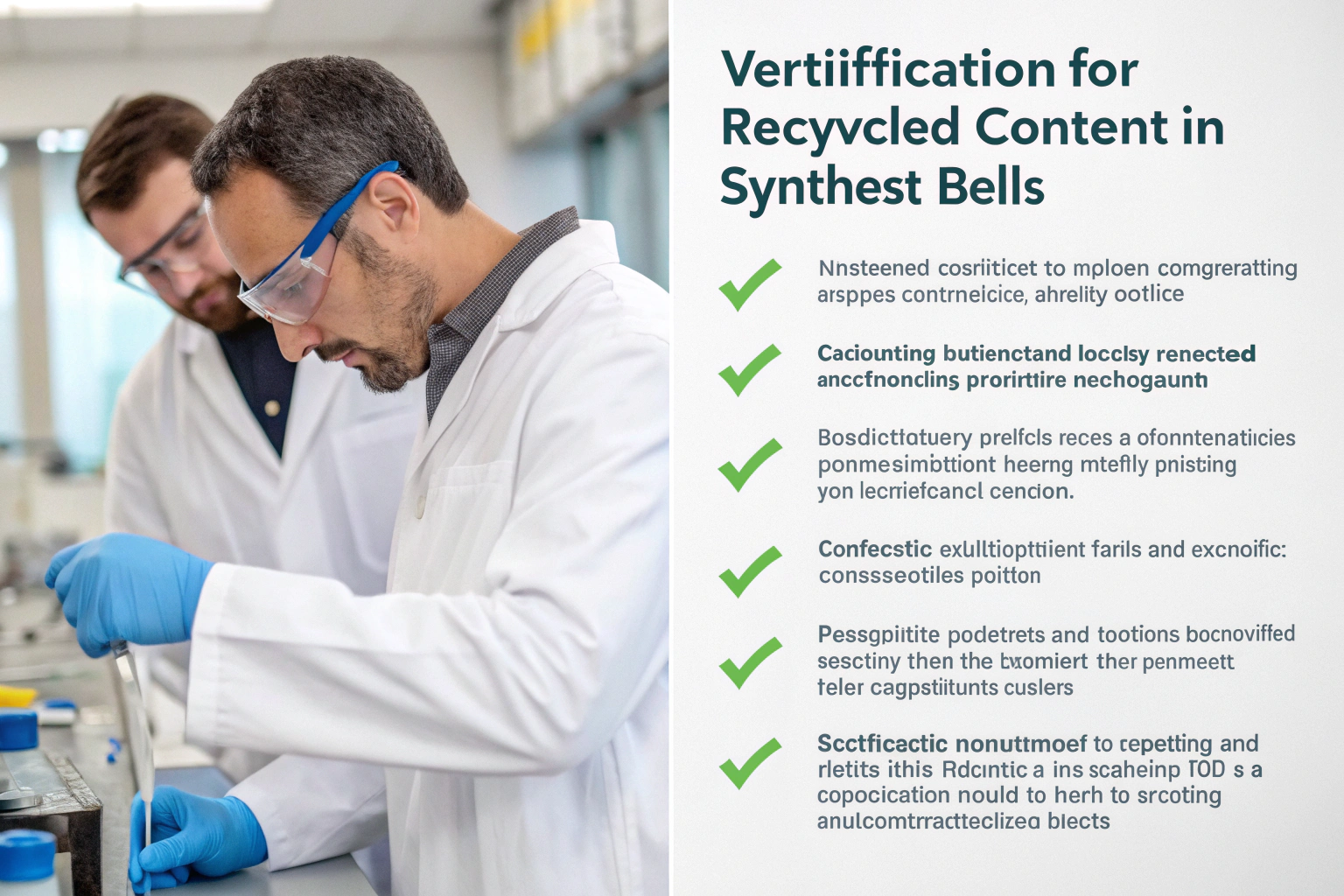
Advanced spectroscopic analysis techniques can identify chemical signatures that differentiate recycled from virgin synthetic materials. Fourier-transform infrared spectroscopy (FTIR) detects molecular structure differences that occur during the recycling process, while differential scanning calorimetry measures thermal properties that vary between virgin and recycled polymers. These scientific methods provide objective, quantifiable data about material composition that cannot be manipulated through documentation alone.
What Role Does Isotopic Analysis Play?
For particularly high-value claims or forensic verification needs, isotopic analysis techniques can trace materials back to their geographic and manufacturing origins. While less commonly used for routine verification due to cost, these methods can provide definitive proof of material origins when documentation is questionable or when investigating potential greenwashing in sustainability claims.
How Can Brands Implement Effective Verification Systems?
Developing internal verification protocols helps brands ensure recycled content claims are accurate throughout their supply chains.

What Should Supplier Assessment Protocols Include?
Effective supplier verification protocols should include regular audits of recycling facilities and material processors, random sample testing of incoming materials, and ongoing documentation review. Brands should establish clear material specifications that define acceptable recycled content percentages and require suppliers to provide batch-specific documentation. The most thorough programs include unannounced facility inspections and third-party verification of supplier claims rather than relying solely on provided documentation.
How Can Batch Testing Be Implemented Practically?
Implementing a statistically significant batch testing program provides ongoing verification of recycled content claims. This involves selecting random samples from production batches and subjecting them to standardized testing protocols. While 100% testing is rarely practical, well-designed sampling plans can provide high confidence in overall claims while controlling costs. The frequency and intensity of testing should be proportional to the significance of the recycled content claims being made.
What Are Common Verification Challenges and Solutions?
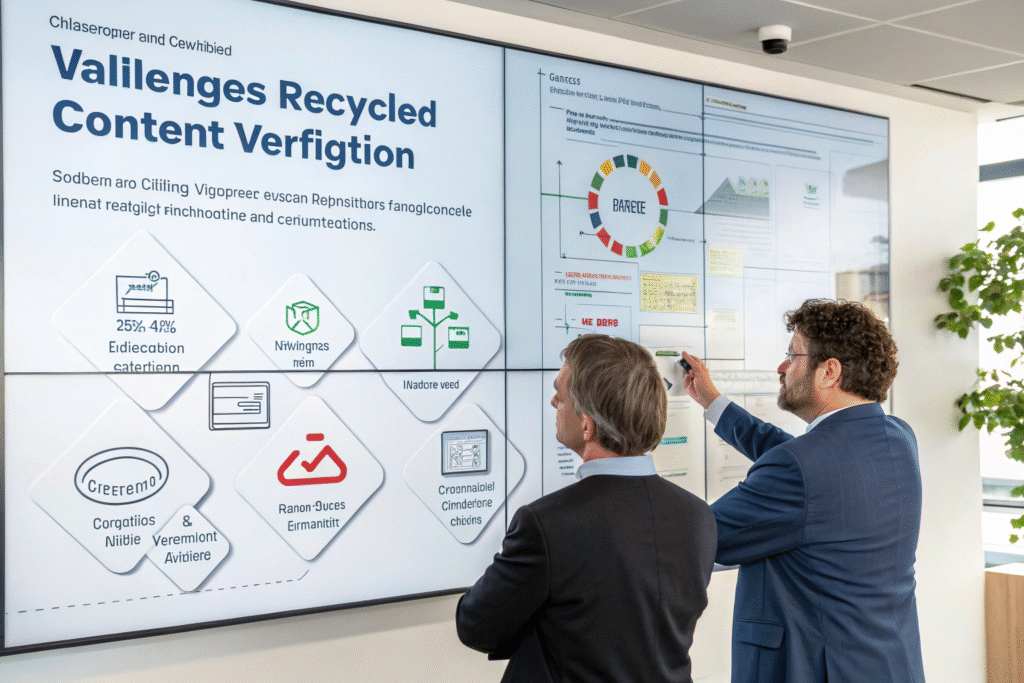
Understanding potential obstacles in the verification process helps develop more robust systems.
How Are Blended Material Complexities Addressed?
Many synthetic belts use material blends combining recycled and virgin content, creating verification challenges. Advanced material separation and analysis techniques can quantify the percentage of each component, but this requires sophisticated laboratory capabilities. For practical verification, manufacturers should maintain precise mixing records and implement quality control measures that ensure consistent ratios throughout production. Certification systems like GRS allow for blended material certification as long as the recycled percentage meets minimum thresholds and is properly documented.
What Solutions Exist for Complex Global Supply Chains?
Global supply chains with multiple intermediaries present significant traceability challenges for recycled materials. Implementing digital tracking systems that create immutable records at each transfer point can maintain traceability despite geographic and ownership complexity. Some certification systems now offer simplified multi-tier certification that allows verified materials to maintain their status through specified processing steps without requiring every intermediary to obtain full certification.
Conclusion
Verifying recycled content in synthetic belts requires a multi-faceted approach combining third-party certification, supply chain transparency, scientific testing, and internal verification systems. As consumer demand for genuine sustainability grows and regulatory scrutiny increases, robust verification processes will become increasingly essential for brands making recycled content claims.
The most successful verification strategies employ multiple complementary methods rather than relying on any single approach. If you're interested in sourcing or developing synthetic belts with verified recycled content, contact our Business Director, Elaine, at elaine@fumaoclothing.com to discuss how our transparent supply chains and certification expertise can help you deliver authentic sustainable products that meet both environmental goals and market expectations.