Finding a reliable belt manufacturer can feel like searching for a needle in a haystack. You have designs, a vision for your brand, and specific market needs. But who can translate that into a high-quality, cost-effective product delivered on time? The wrong choice can lead to delayed launches, poor quality, and unhappy customers. The stakes are high, especially when importing from overseas.
The right belt manufacturer for your fashion brand is one that seamlessly blends professional design capability with robust quality control, offers transparent and efficient communication, and provides a comprehensive service package that manages logistics and mitigates risks like tariffs. It's a partner that understands your market and helps you navigate the complexities of sourcing from China. As a factory owner, I've seen brands thrive when they find a supplier who is more than just a production unit.
Let's explore the key factors you must consider to make an informed decision and build a successful, long-term partnership with a belt manufacturer.
What Should You Look for in a Belt Manufacturer's Capability?
You have a brilliant idea for a new collection of genuine leather belts. You send your sketches to a potential supplier. Weeks pass with vague replies, and the final sample looks nothing like your design. This frustration stems from a mismatch in capability. The factory might produce belts, but can it develop them?
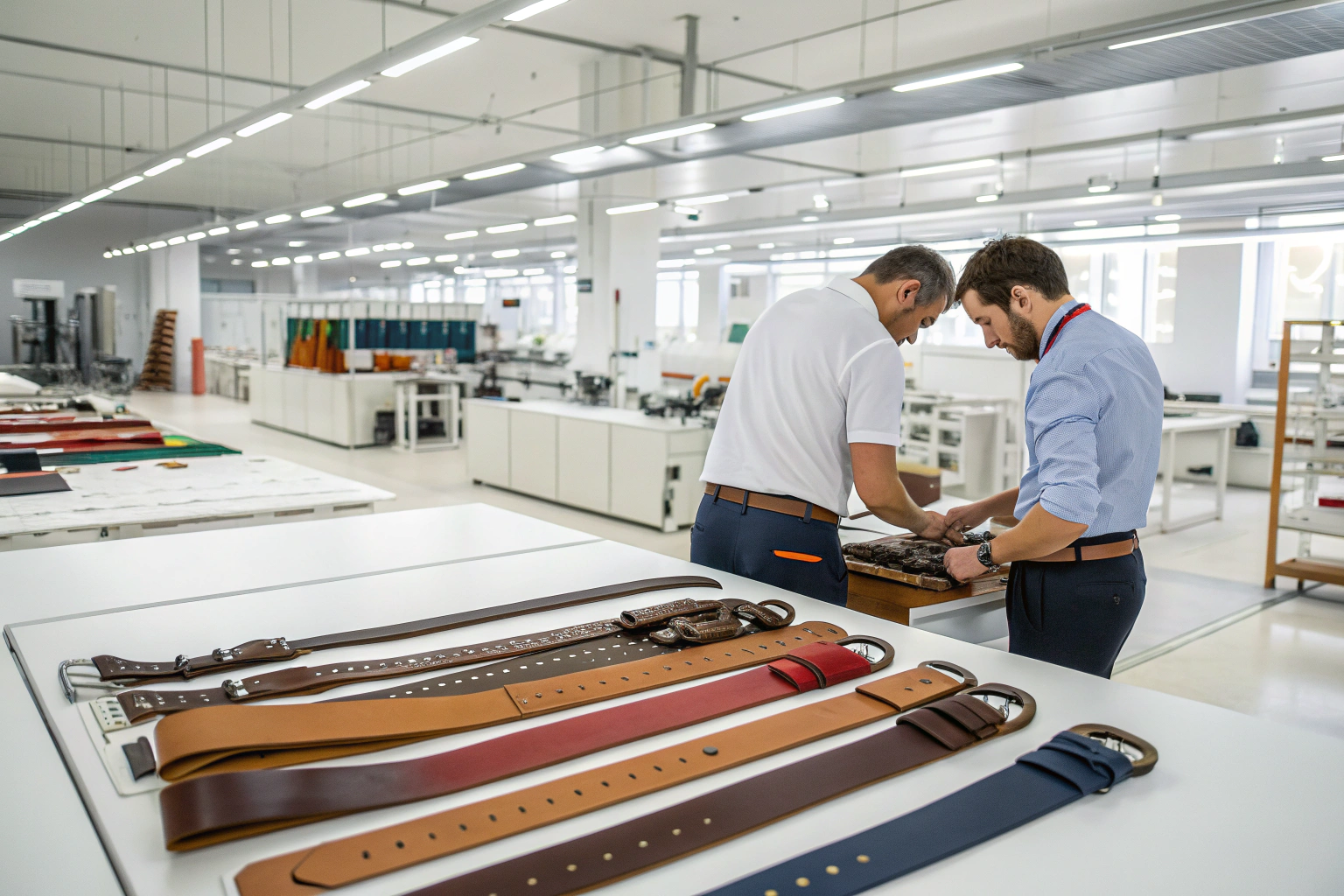
When evaluating a belt manufacturer's capability, focus on three pillars: the design and development team, the quality control infrastructure, and the project management system. A manufacturer with an in-house design team can offer valuable insights on material feasibility, cost-saving adjustments, and current trends. A dedicated QC team with clear inspection protocols ensures consistency. Experienced project managers act as your single point of contact, coordinating all steps from development to shipping.
How Important is an In-House Design and Development Team?
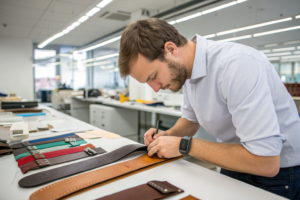
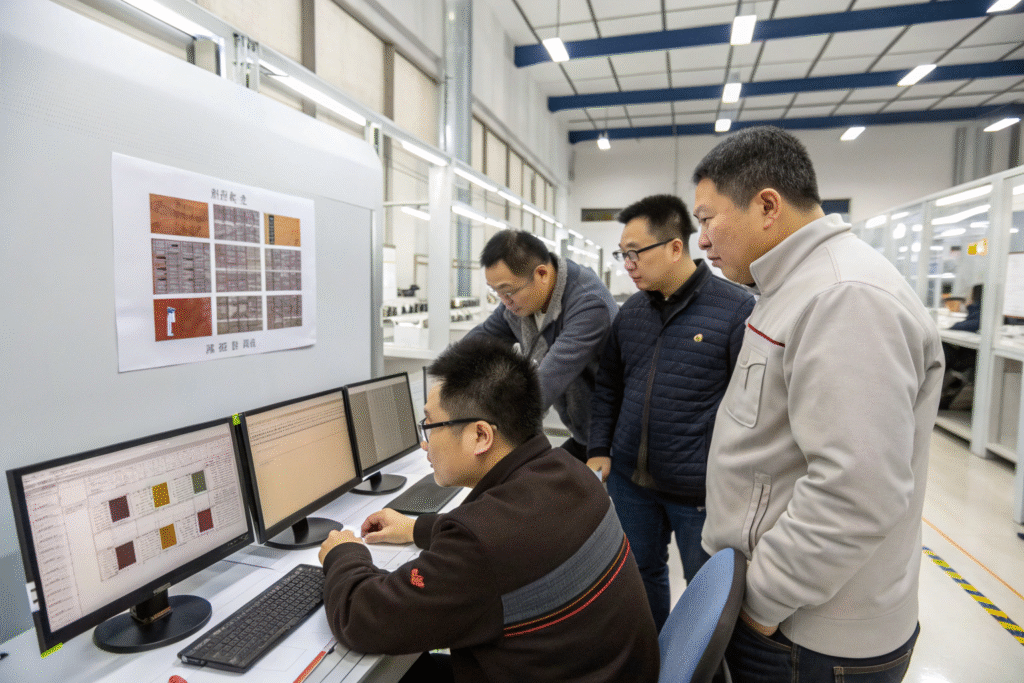
An in-house design team is your first line of defense against production issues. At StylishBelts, our designers don't just draw; they understand materials like full-grain cowhide leather and the limitations of PU belt constructions. They can advise if your design for a complex braided belt is technically feasible at your target price point. This collaborative development process saves time and money. For example, they might suggest an alternative buckle supplier that offers the same look but with better lead times. This early-stage partnership is crucial for brands that value innovation and need to adapt quickly to fashion trends.
Can Their Quality Control Process Guarantee Consistent Delivery?
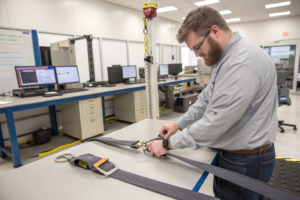
A promise of quality is empty without a systematic process to enforce it. You must ask about their QC checkpoints. Do they conduct in-process inspections during cutting, stitching, and finishing? What is their Acceptable Quality Limit (AQL) for final random inspection? We implement checks at every stage, from testing the tensile strength of nylon webbing for canvas belts to ensuring the plating on a plate buckle doesn't chip. Reliable manufacturers often have certifications like ISO 9001, which demonstrates a commitment to standardized processes. A transparent factory will even provide you with inspection reports, giving you peace of mind before shipment. Understanding global quality standards is key for any importer.
How to Ensure Smooth Communication and Project Management?
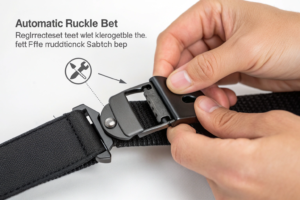
Imagine sending an urgent email about a last-minute change to your automatic buckle logo. Days go by without a response. Then, production finishes, and the order is wrong. This nightmare scenario highlights the critical role of project management and communication.
Effective communication with your belt manufacturer hinges on having a dedicated, experienced project manager (PM) and agreed-upon protocols. Your PM should provide regular updates, be proactive about potential delays, and facilitate clear communication between you and the factory floor. They manage the timeline, sample approvals, and documentation. Establishing fixed meeting times, using shared tracking sheets, and defining approval workflows are essential for smooth operations.

Why is a Dedicated Project Manager Non-Negotiable?
A dedicated project manager is your advocate inside the factory. They understand your order's specifics and long-term goals. Instead of contacting a generic sales email, you have one person responsible for your project's success. Our PMs, like our Business Director Elaine, provide "timely, professional, and reliable service." They send weekly progress reports with photos, immediately flag any material sourcing issues, and ensure your packaging instructions are followed precisely. This single point of contact eliminates confusion and builds a strong business relationship, which is vital for handling complex orders like a mixed SKU container of men's dress belts and women's fashion belts.
What Communication Tools and Protocols Prevent Misunderstandings?
Structure prevents chaos. At the project's start, agree on communication tools (e.g., email, WhatsApp for urgent messages, Zoom for reviews) and response time expectations. Use visual aids extensively. For a reversible belt, don't just describe the color switch; send Pantone codes and approve physical color swatches. For a studded belt, approve the placement of each stud via a digital mock-up. Creating a shared online folder for all technical drawings, sample photos, and packing list templates ensures everyone references the same version. This meticulous approach is especially important when dealing with intricate details on genuine leather accessories.
What Are the Key Logistics and Cost Considerations Beyond Unit Price?
You've negotiated a fantastic unit price on those trendy chain belts. But then you get hit with unexpected shipping fees, customs delays, and finally, a 25% US tariff on the landed cost. Your great deal is now a financial loss. Understanding the full supply chain is crucial.
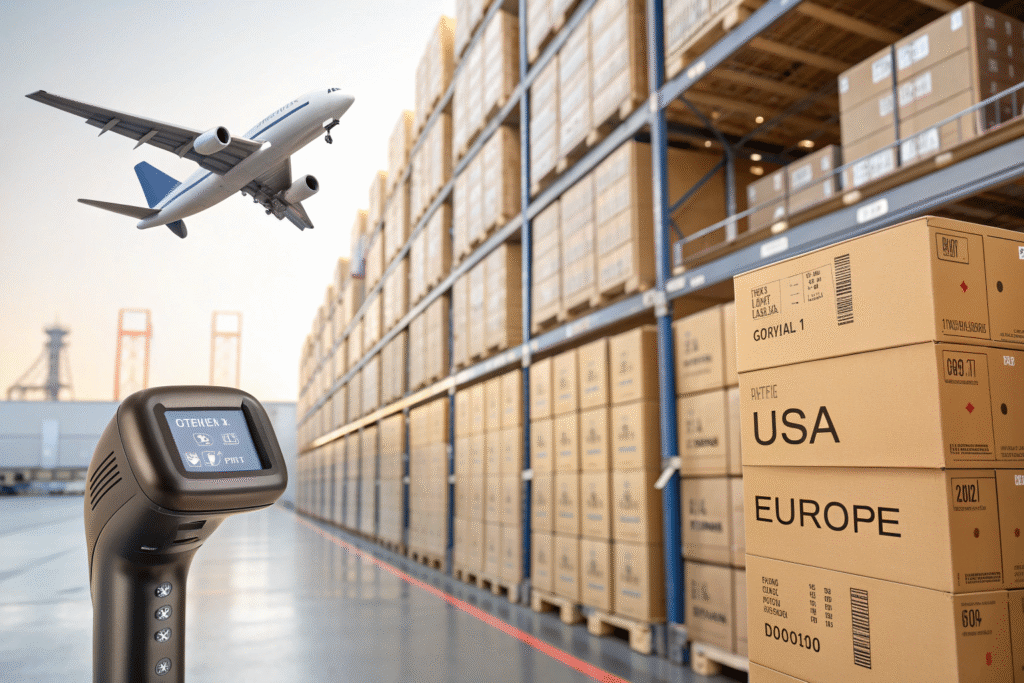
A comprehensive cost analysis with your belt manufacturer must include Incoterms, shipping methods, tariffs, and payment terms. Reputable factories offer FOB (Free On Board) or even EXW (Ex Works) terms, giving you control over choosing a freight forwarder. They should provide accurate packing dimensions and weight for shipping quotes. Crucially, some manufacturers, like us in Zhejiang, can structure shipments to legally minimize tariff impacts, such as using Section 321 de minimis for low-value shipments or advising on proper HS code classification.
How Can You Navigate Tariffs and Optimize Shipping Costs?
Tariffs are a major pain point for buyers like Ron. Work with a manufacturer knowledgeable in trade regulations. We advise clients on tariff engineering—for instance, how the classification and duty rate for a textile belt (like woven nylon) can differ from a leather belt. We provide all necessary documentation, like commercial invoices and packing lists, accurately completed to prevent customs clearance delays. Consolidating orders into Full Container Load (FCL) shipments is often cheaper than Less than Container Load (LCL). A good factory will help you plan production to maximize container utilization for your belts and accessories.
What Payment Terms and MOQs Balance Risk and Opportunity?
Payment terms and Minimum Order Quantities (MOQs) directly affect your cash flow and flexibility. Standard terms like 30% deposit and 70% before shipment are common. For new partners, consider using secure payment methods like Letter of Credit (L/C) or Alibaba Trade Assurance. Discuss MOQs honestly. While a lower MOQ per style allows for more variety, it may increase the unit cost. Some factories offer flexible MOQs by allowing you to mix different belt styles (e.g., kids belts, teen belts, and unisex belts) within a total container quantity. Transparency here builds trust and allows for scalable growth.
How to Verify a Manufacturer's Reliability and Reputation?
You find a manufacturer with a beautiful website and great prices. You place a deposit, and then they go silent. Unfortunately, stories like this are common. Verifying a supplier's legitimacy and track record is the most important step before any financial commitment.
To verify a belt manufacturer's reliability, conduct a multi-faceted check: request a virtual or in-person factory audit, ask for references from existing clients in your region, check their business licenses, and review their history on B2B platforms like Alibaba.com. Look for consistent transaction records and client reviews. A reliable factory will be transparent, willing to sign formal contracts including NDA and IP protection clauses, and open to third-party inspections from firms like SGS or Bureau Veritas.

What Does a Factory Audit Really Tell You?
A factory audit, even a virtual one via live video, reveals the truth behind the marketing. You can see the working conditions, the organization of the production lines for pin buckle versus automatic buckle assembly, the cleanliness of the leather cutting area, and the organization of the warehouse. It allows you to assess their capacity and ask real-time questions to workers and managers. Do they have dedicated stations for belt finishing and quality inspection? The audit confirms if their "modern, clean" claim matches reality. This firsthand view is invaluable for assessing their production capability.
Why are Client References and Online Reputation Critical?
Speaking directly to a manufacturer's current clients provides unbiased insights. Ask for references from brands similar in size to yours. Inquire about their experience with communication, problem-solving when issues arose, and on-time delivery rates. Also, meticulously analyze their online presence. A long-standing, active Alibaba storefront with a "Gold Supplier" status and years of transaction history is a positive signal. Read both positive and negative reviews to see how the factory responds to and resolves problems. This research helps you gauge their reputation in the global sourcing community.
Conclusion
Choosing the right belt manufacturer is a strategic decision that impacts every aspect of your fashion business. It requires looking beyond the unit price to deeply evaluate capability, communication, total cost logistics, and verifiable reputation. The ideal partner is not just a vendor but an extension of your team—one that offers professional design support, enforces rigorous quality control, provides transparent project management, and guides you through the complexities of international trade.
By asking the right questions and conducting thorough due diligence, you can find a manufacturer that helps you deliver high-quality, on-trend belts to your market reliably and profitably. This partnership becomes the foundation upon which you can build and scale your brand with confidence.
If you are looking for a reliable partner to produce your own belt line, from classic dress belts to the latest fashion accent belts, we invite you to discuss your project with us. For a professional consultation, you can contact our Business Director, Elaine, who can guide you through our process and provide a tailored quote. Reach out to Elaine at: elaine@fumaoclothing.com. Let's build something great together.