When envisioning a desert-themed fashion collection, traditional materials like suede, distressed leather, and earthy cottons come to mind. But what if you could capture the essence of the desert—its resilience, its stark beauty, its sustainability—in a material that is literally born from it? Enter cactus leather, an innovative biomaterial that is rapidly moving from niche curiosity to mainstream must-have for designers seeking authentic, compelling narratives.
Cactus leather is the premier choice for desert-themed collections because it offers an unparalleled authentic story rooted in the desert ecosystem, provides a genuinely sustainable and cruelty-free alternative with a low environmental footprint, and delivers a unique aesthetic of natural texture and durability that perfectly mirrors the rugged, elegant spirit of the desert landscape.
For brands looking to move beyond surface-level theming and embed a deeper ecological and ethical narrative into their products, cactus leather represents a powerful and timely opportunity. Let's explore the multifaceted reasons behind its rise.
What is Cactus Leather and How is it Made?
To understand why it's so fitting, you must first understand what it is. Cactus leather, specifically from the Nopal (or Prickly Pear) cactus, is not a plastic-based "vegan leather" like PU or PVC. It is a plant-based biomaterial, where the organic matter of the cactus is transformed into a durable, flexible fabric.
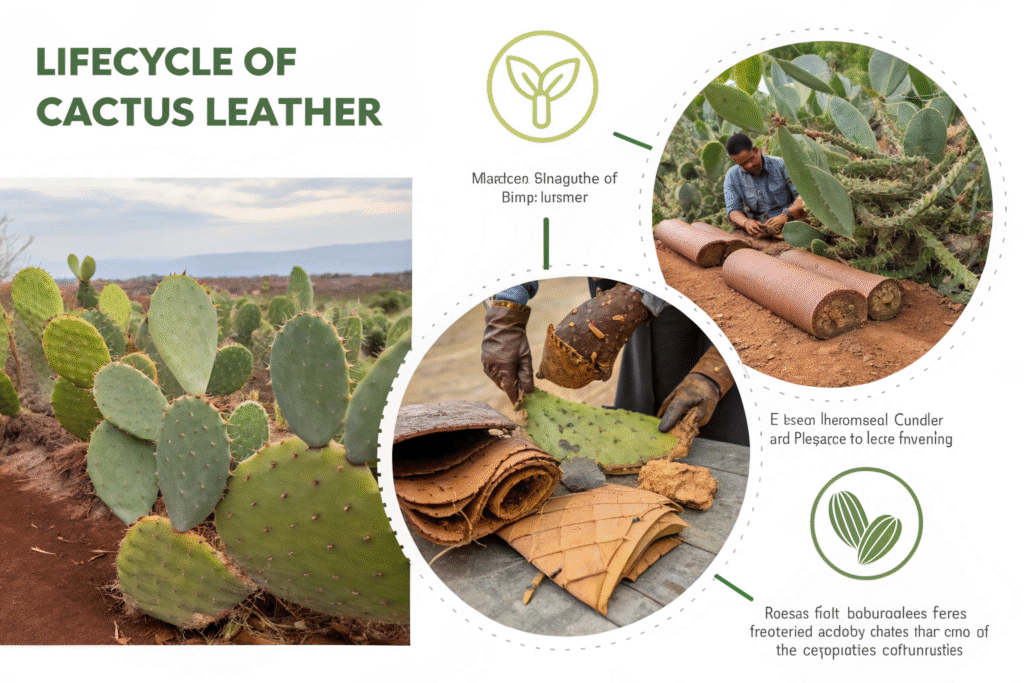
Cactus leather is made from the mature leaves (paddles) of the Nopal cactus. The leaves are harvested, cleaned, crushed, dried, and then combined with non-toxic binders to create a bio-resin. This resin is applied to a fabric backing and finished to achieve various textures, from smooth to pebbled. The process is designed to be low-impact, using minimal water (as the cactus is naturally drought-resistant) and often renewable energy.
Why is the Nopal Cactus Ideal for Material Production?
The Nopal cactus is a sustainability superstar. It thrives in arid, desert conditions with minimal water—it absorbs and stores CO₂ efficiently, and it doesn't require pesticides or herbicides to grow. Crucially, only the mature leaves are harvested, and the plant continues to grow and produce new leaves for years, making it a highly renewable resource. This closed-loop, agricultural model stands in stark contrast to the water-intensive farming of cattle for bovine leather or the petroleum-derived production of synthetic leather. For a desert-themed collection, using a material that actually belongs to that biome creates a profound and authentic connection.
How Does Its Production Compare to Traditional Leather?
The environmental contrast is dramatic. Consider this simplified impact table:
| Factor | Cactus Leather | Traditional Cowhide Leather |
|---|---|---|
| Water Usage | Extremely Low (Rainwater often sufficient) | Very High (cattle rearing & tanning) |
| Land Use | Non-arable, arid land; promotes biodiversity. | Deforestation for pasture; large land footprint. |
| Carbon Impact | Carbon negative during growth phase. | Significant GHG emissions from livestock. |
| Chemical Use | Can be made with non-toxic, organic binders. | Heavy use of chromium salts and toxic chemicals in tanning. |
| Source | Renewable plant (harvested leaves regenerate). | Animal by-product (dependent on meat industry). |
This data, aligned with Life Cycle Assessment (LCA) principles, shows cactus leather as a materially lower-impact choice. This narrative of regeneration and respect is a core part of the desert theme.
What Aesthetic and Functional Benefits Does It Offer?
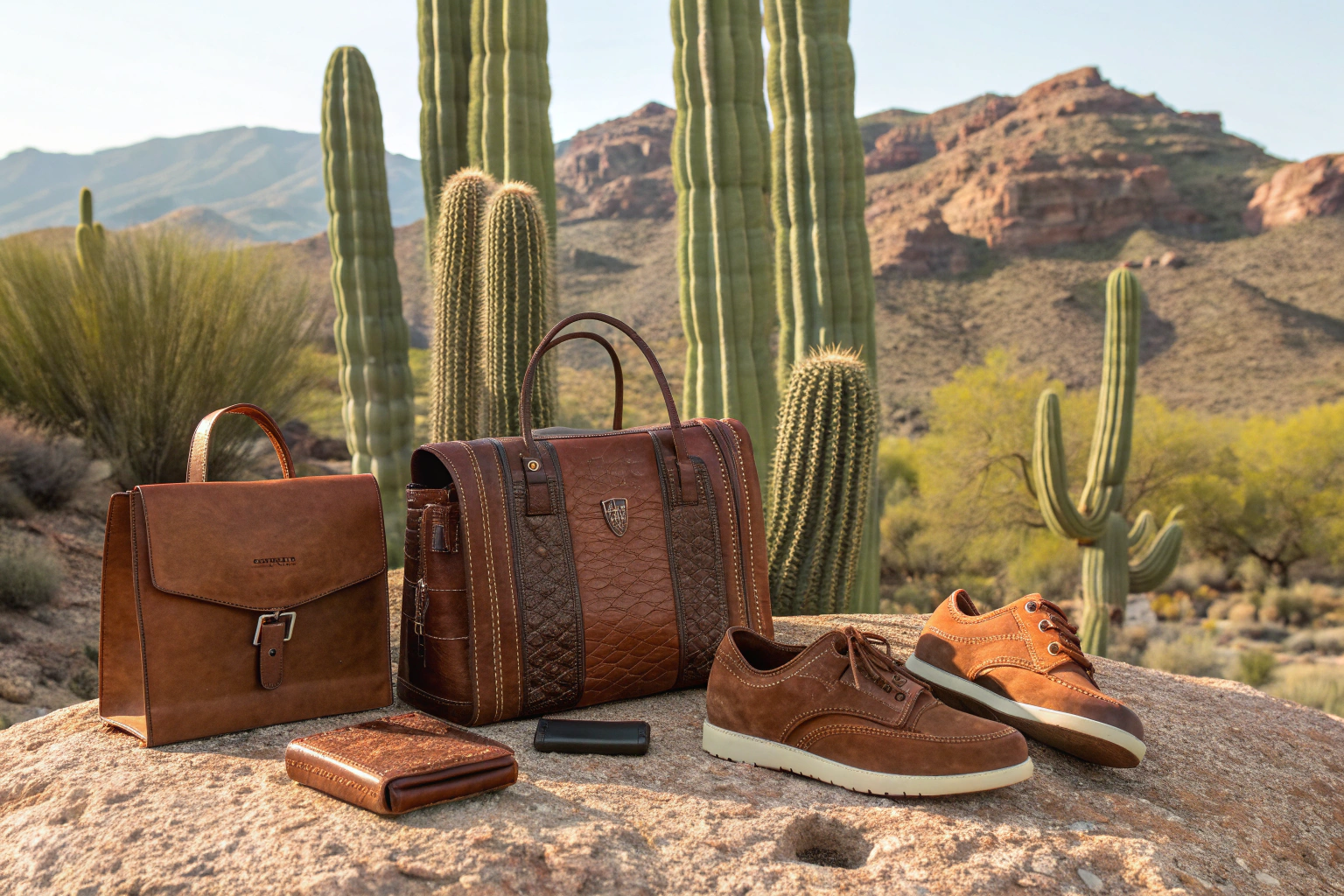
A material must perform. Beyond its story, cactus leather delivers a distinct visual and tactile character that directly evokes the textures of the desert—think of windswept dunes, cracked earth, and resilient plant life. It also meets the practical demands of accessory manufacturing.
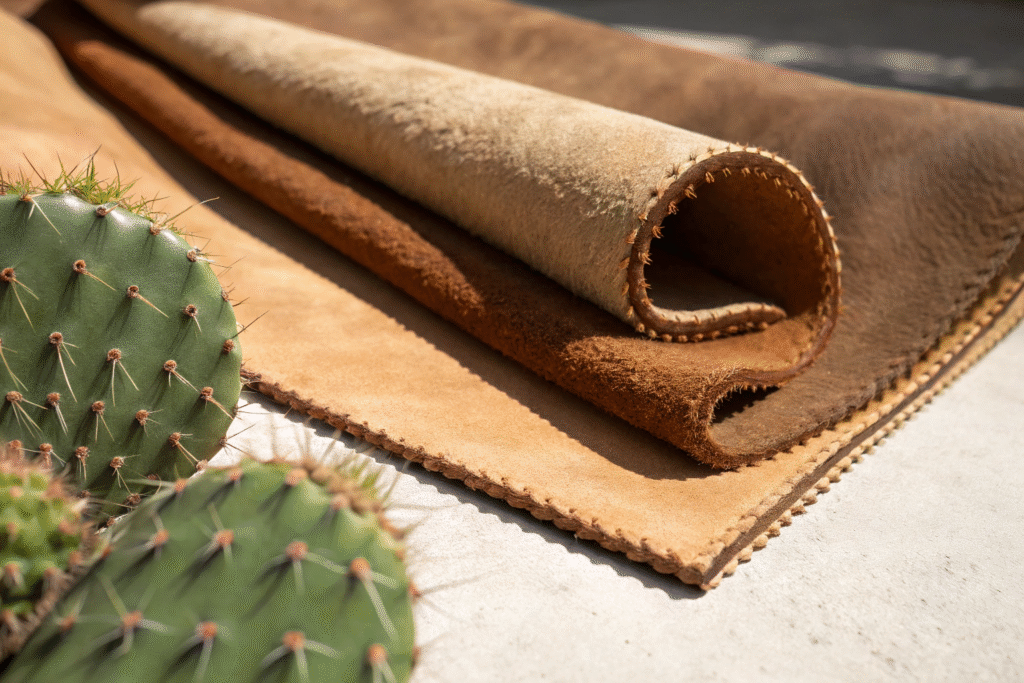
Cactus leather offers a soft, supple hand-feel with a distinctive natural grain, excellent durability and scratch resistance, good breathability, and the ability to be dyed with natural pigments into rich, earthy color palettes. It provides a premium, luxury aesthetic that aligns with high-end fashion, while its technical performance suits everyday accessories.
How Does the Aesthetic Enhance a Desert Theme?
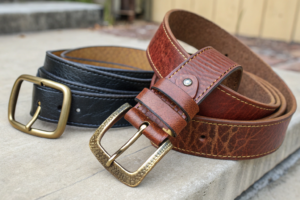
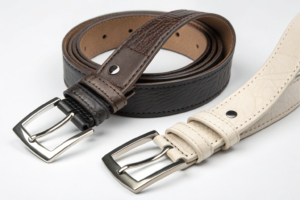
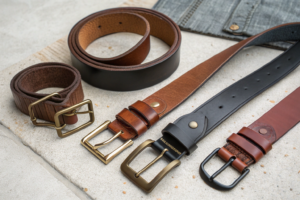
The surface of cactus leather is never perfectly uniform. It has a subtle, organic texture and a matte, almost pebbled finish that naturally echoes the patterns of desert sand and stone. When dyed, it absorbs color beautifully, producing deep terracottas, dusty ochres, sage greens, and sun-bleached neutrals that are the very colors of a desert palette. For a belt, this means each piece is unique. A cactus leather belt can be the centerpiece of a collection, embodying a worn-in, authentic feel that synthetic materials struggle to replicate. It pairs perfectly with other thematic elements like turquoise accents, hammered metal buckles, and woven textiles.
Is It Durable Enough for Belts and Accessories?
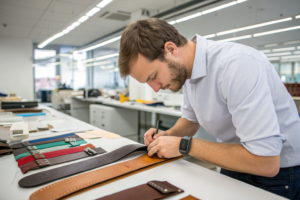
Absolutely. High-quality cactus leather has a strong tensile strength and is highly resistant to abrasion and peeling. Unlike some PU leathers that crack over time, cactus leather maintains its integrity with use, developing a beautiful patina. It is also partially breathable and water-resistant (not waterproof), making it suitable for daily wear. For a women's fashion belt or a men's casual belt, it offers the durability expected of a premium material. Manufacturers can work with it using standard techniques for cutting, stitching, and finishing, similar to working with thin to medium-weight animal leathers.
How Does It Strengthen Brand Sustainability Claims?
In today's market, "sustainability" is overused, leading to consumer skepticism. Brands need provable, tangible stories to back their claims. Cactus leather provides a specific, verifiable, and compelling narrative that goes beyond vague promises, making it a powerful tool for authentic brand building.
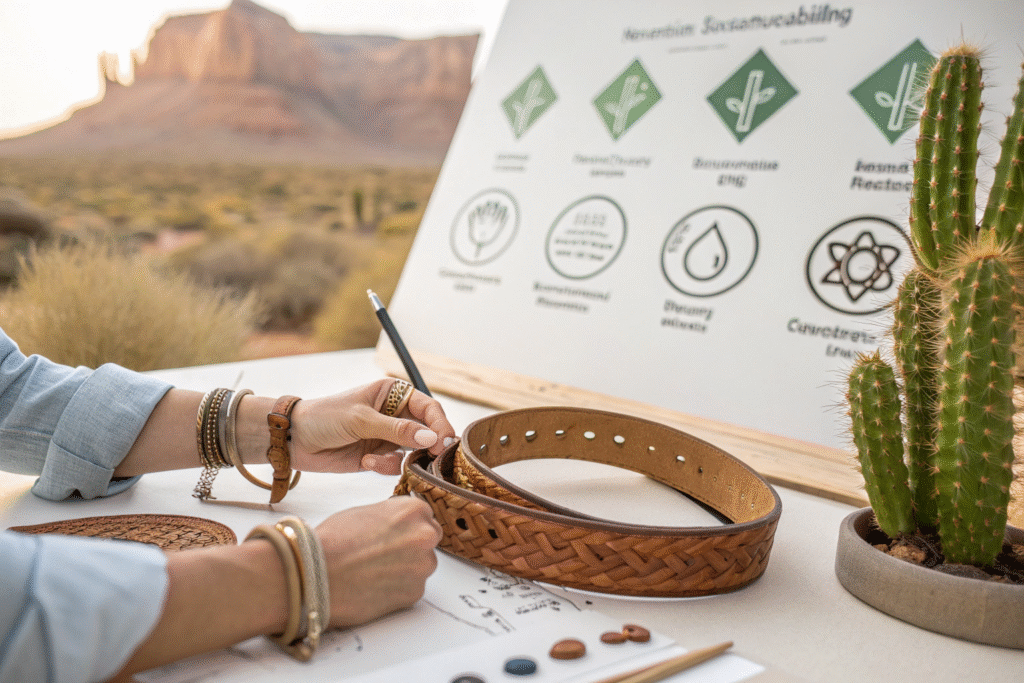
Cactus leather strengthens sustainability claims by being fundamentally biobased and vegan, having a transparent and traceable supply chain (often from a single farm or region), utilizing a regenerative agricultural model, and offering biodegradability at the end of its life under the right conditions. This allows brands to communicate clear, impactful facts rather than generic statements.
Why is Transparency and Traceability a Key Advantage?
Many cactus leather producers, such as Desserto, operate on a vertically integrated or tightly partnered model from farm to finished material. This allows brands to trace the material back to the specific farms in Mexico where the cacti are grown. You can tell the story of the farmers, the arid land being productively used, and the carbon sequestration happening at the source. This level of supply chain transparency is gold for marketing and builds immense consumer trust. It turns a material choice into a partnership with an ecosystem and a community.
How Does It Align with Circular Economy Principles?
While not all cactus leather is fully compostable, leading versions are developed to be biodegradable in industrial composting facilities, breaking down much faster than synthetic plastics or chrome-tanned leather. This addresses the growing problem of textile waste. For a brand, designing a desert-themed collection with a biodegradable material closes the loop beautifully: from desert, to product, back to earth. This narrative is incredibly powerful for the conscious consumer and positions the brand as a forward-thinking leader in circular design.
What Are the Sourcing and Cost Considerations?
For any brand or buyer, adopting a novel material involves practical considerations around availability, minimums, cost, and manufacturability. While cactus leather is becoming more mainstream, it operates on a different model than commodity leather.
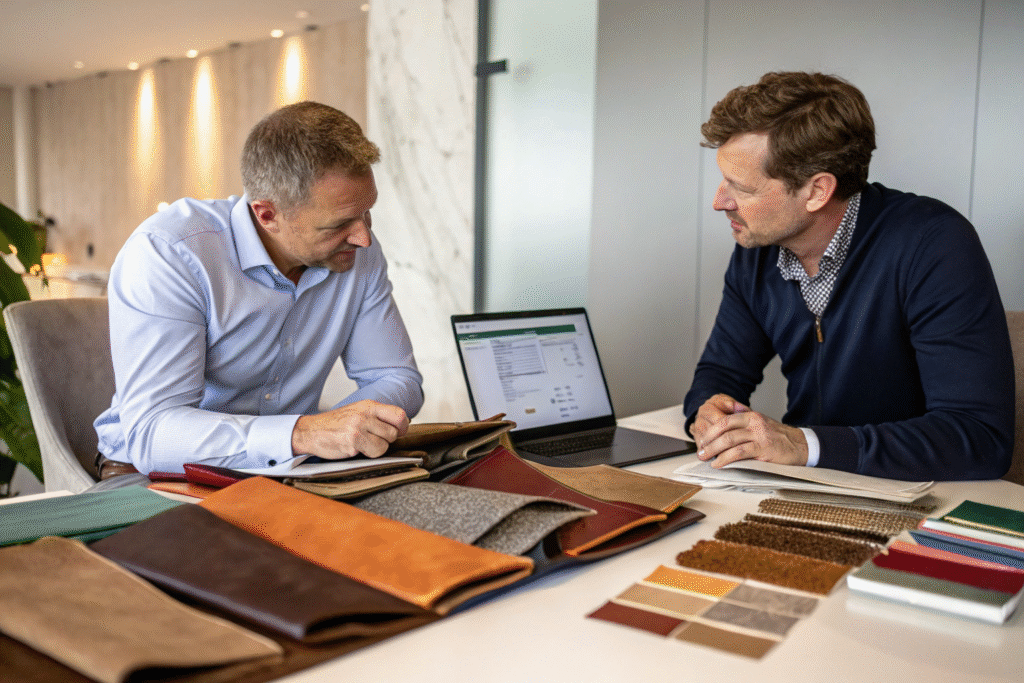
Key sourcing considerations include: longer lead times due to smaller-scale, batch production; higher minimum order quantities (MOQs) than standard stock materials but often lower than full bovine hides; a price premium over mid-tier leathers and PU, but competitive with premium leathers; and the need for supplier validation to ensure quality and ethical sourcing claims are accurate.
What is the Real Cost Comparison and Value Proposition?
Cactus leather is not the cheapest option. It typically costs more than standard cowhide and mass-produced PU, but it is often comparable to or less than premium lambskin or specially tainted vegetable-tanned leathers. The value proposition is not in the unit cost alone, but in the total value:
- Marketing Value: It provides a unique, ownable story that can justify a higher retail price.
- Brand Equity Value: It solidifies a brand's position as innovative and responsible.
- Risk Mitigation Value: It future-proofs the brand against tightening regulations on plastics (like PU/PVC) and growing consumer aversion to animal products.
A detailed cost-benefit analysis that includes these intangible benefits often makes the case for the investment.
How to Successfully Source and Integrate It?
- Partner with an Experienced Manufacturer: Work with a factory (like ours) that has already sourced and prototyped with cactus leather. We can navigate the supply chain, ensure consistent quality, and advise on design for manufacturability.
- Plan for Development Time: Allow extra time for sampling, as the material may behave differently during cutting, skiving, and stitching.
- Communicate the Story: Collaborate with your manufacturer on the technical and sourcing details needed to create authentic marketing content. Ensure your material supplier provides certifications and documentation.
- Start with a Capsule: Launch a desert-themed capsule collection to test market reception and operational flow before committing larger lines.
For a buyer concerned with quality control and certification, partnering with a factory that handles this due diligence is crucial.
Conclusion
Choosing cactus leather for a desert-themed collection is a decision that operates on multiple levels: aesthetic, ethical, narrative, and commercial. It is a material that doesn't just represent the desert visually but is materially and philosophically born from it, offering a story of resilience, regeneration, and responsible innovation.
For brands, it represents a chance to lead rather than follow, to create products with inherent meaning and reduced environmental impact. While it requires thoughtful sourcing and a commitment to authentic communication, the rewards—in terms of brand differentiation, customer loyalty, and alignment with a sustainable future—are substantial.
If you are developing a collection that seeks to capture the spirit of the desert with integrity and innovation, cactus leather is a compelling starting point. Our team can guide you through the sourcing, design, and production process to create stunning, story-rich belts and accessories. Contact our Business Director, Elaine, to explore how this remarkable material can define your next launch: elaine@fumaoclothing.com. Let's create something truly rooted in purpose.