Imagine this: with every subtle movement, a pleasant, personal scent is released from an unexpected accessory—your belt. Fragrance-infused belts are moving beyond simple novelty to become a sophisticated category in functional fashion. But with rapid advancements in material science and micro-encapsulation technology, what truly defines the cutting edge? The innovations are not just about adding scent; they're about controlled release, longevity, sensory integration, and creating a seamless user experience that redefines personal fragrance.
The top innovations in fragrance-infused belts revolve around three key areas: advanced micro-encapsulation for long-lasting, trigger-activated release; the integration of smart materials and responsive polymers for environment-triggered scent dispersion; and the development of hybrid fashion-tech designs that combine scent with other wellness or connectivity features. This transforms the belt from a passive accessory into an interactive, multi-sensory platform.
For brands looking to enter the lucrative fragrance and wellness space through accessories, understanding these innovations is crucial. Let's explore the technologies shaping the future of scented wearables.
How is Micro-Encapsulation Technology Evolving?
The core challenge for any scented product is longevity and control. Early methods involved simply coating materials in perfumed oils, leading to a strong initial burst that faded quickly. The breakthrough lies in micro-encapsulation—a technology borrowed from high-end cosmetics and functional textiles.
Modern micro-encapsulation for belts involves trapping fragrance oils in microscopic, polymer-based shells. These capsules are then embedded into the belt material—leather, fabric, or the backing—during the tanning or finishing process. The scent is only released when the physical shells are ruptured by specific triggers: friction from movement, body heat, or gentle pressure. This allows for a controlled, sustained release over weeks or even months of wear.

What Are the Different Trigger Mechanisms?
The innovation lies in engineering the capsule shell to respond to the desired trigger.
- Friction-Release Capsules: The most common for belts. The gentle abrasion between the belt and clothing or the buckle and belt loop during daily movement releases tiny amounts of scent. This creates a consistent, low-level aromatic presence.
- Heat-Release Capsules: The shell is designed to soften and release its payload at skin temperature (approx. 33-36°C). This makes the scent more personal and intimate, activating primarily when worn.
- Moisture-Release Capsules: Respond to humidity or light perspiration. Ideal for creating a fresh, cleansing scent experience during activity. The technology requires careful formulation to ensure stability.
How is Longevity and Scent Integrity Ensured?
Leading innovators use multi-layered or cross-linked polymer shells to protect the fragile fragrance molecules from oxidation and evaporation before activation. The capsules are not just sprayed on the surface but are embedded deep within the material's matrix during production. This bonding process, whether in leather tanning or textile coating, ensures they aren't rubbed off easily. The goal is a product that maintains its scent potential for 6-12 months in packaging and provides a consistent experience for the wearer throughout the product's lifespan. This level of durability is a result of advanced material engineering collaborations.
What Role Do Smart Materials and Responsive Polymers Play?
The next frontier moves beyond passive capsules to materials that actively respond to their environment. These are "smart" belts where the scent dispersion is not just a mechanical release but a programmed function of the material itself, allowing for more sophisticated and personalized scent experiences.
Smart materials in fragrance belts include phase-change polymers that release scent at specific temperatures, hydrogel matrices that swell with humidity to emit fragrance, and even electro-active materials that can be triggered by a small electrical impulse from a connected device. This allows for scent "on demand" or in response to specific biometric or environmental data.

Can Scent Release be Programmed or Controlled?
Yes, with responsive polymers. For instance, a belt could use a polymer with a glass transition temperature precisely set. Below this temperature, the polymer is rigid and locks in scent. At body temperature, it becomes rubbery and allows slow diffusion. More advanced concepts involve linking the material to a simple circuit within a smart buckle. A user could press a button on the buckle or use a smartphone app to send a small current through a conductive polymer patch, triggering a deliberate release of scent—perfect for a confidence boost before a meeting. This merges the fields of functional fashion and wearable tech.
What About Multi-Scent or Dynamic Scent Profiles?
The ultimate innovation is a belt that can offer more than one scent. This is achieved through zoning or layering. Different sections of the belt (e.g., the inside vs. the outside) could be infused with different fragrance capsules, activated by different triggers (friction on the outside, heat on the inside). More experimentally, researchers are looking at "scent cartridges"—small, replaceable modules that clip into a compartment on the buckle, allowing users to switch between essential oil blends or perfumes. This turns the belt into a personal, customizable scent diffuser.
How is Fashion-Tech Integration Expanding Functionality?
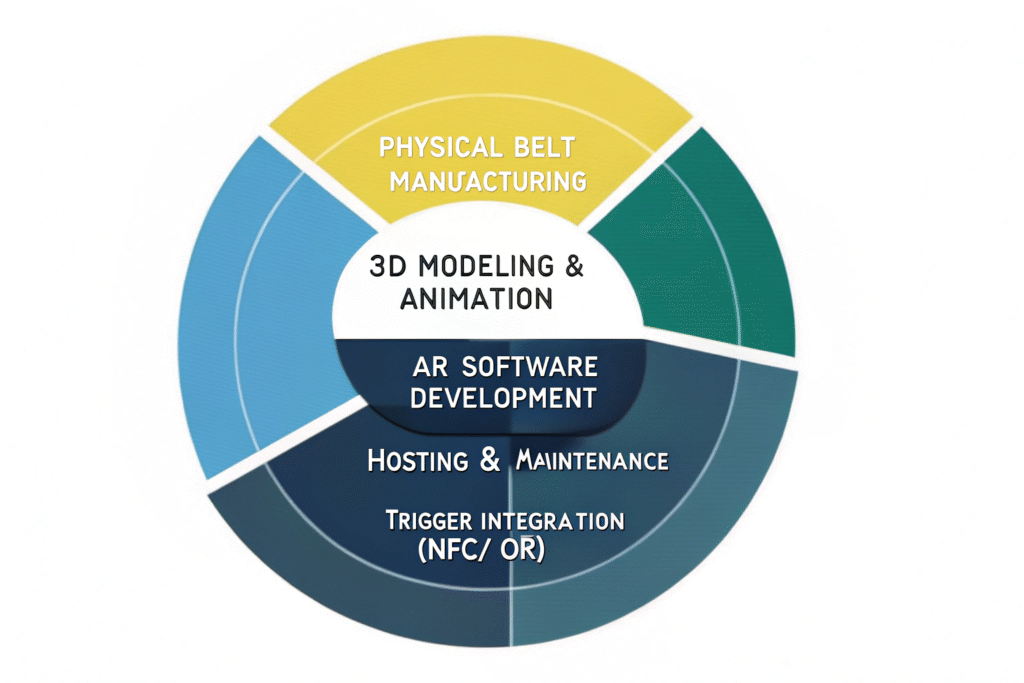
The most compelling innovations don't stop at scent. They integrate it into a holistic wearable device. The belt, being centrally located on the body and always in contact, is an ideal platform for biometric sensing. Pairing scent diffusion with wellness tracking creates a powerful product narrative focused on holistic well-being.
Fashion-tech integration expands functionality by embedding micro-sensors in the belt to monitor stress indicators (like skin temperature, heart rate variability), linking this data to an algorithm that triggers calming or energizing scents via smart materials, and incorporating low-energy connectivity (Bluetooth Low Energy) to sync with a wellness app. The belt becomes an active tool for mood management.
What Wellness Synergies Are Possible?
The synergy is profound. Consider these use-case integrations:
- Stress Management: Sensors detect increased perspiration or a rise in skin temperature associated with stress. The system responds by gently releasing a calming scent, like lavender or sandalwood, using a low-level heat or electrical trigger.
- Focus & Energy: During a workout or a long work session, the user can manually trigger an invigorating citrus or mint scent via a tap on their phone or the buckle.
- Sleep & Relaxation: A belt designed for loungewear or meditation could release chamomile or vanilla scents in conjunction with guided breathing exercises from a paired app.
This requires collaboration across wearable technology, fragrance chemistry, and textile design fields. For a brand, it positions the product in the high-growth "wellness tech" market.
What Are the Practical Design and Power Challenges?
Integrating electronics necessitates design solutions: the buckle must house a small battery and a PCB, the strap must contain conductive threads or flexible sensors without compromising comfort, and the entire assembly must be wash-resistant or have removable electronics. Power management is critical—scent release must be a very low-energy function to preserve battery life. The product architecture often involves a modular "tech buckle" that can be attached to different scented straps, allowing users to mix and match functionality and style. Overcoming these design for manufacturability challenges is key to moving from prototype to reliable mass production.
What Are the Market Applications and Sourcing Implications?
For buyers and brands, the question is: who buys this, and how do we make it? The applications extend far beyond a single consumer type, and sourcing such a multi-disciplinary product requires a new kind of supply chain partnership.
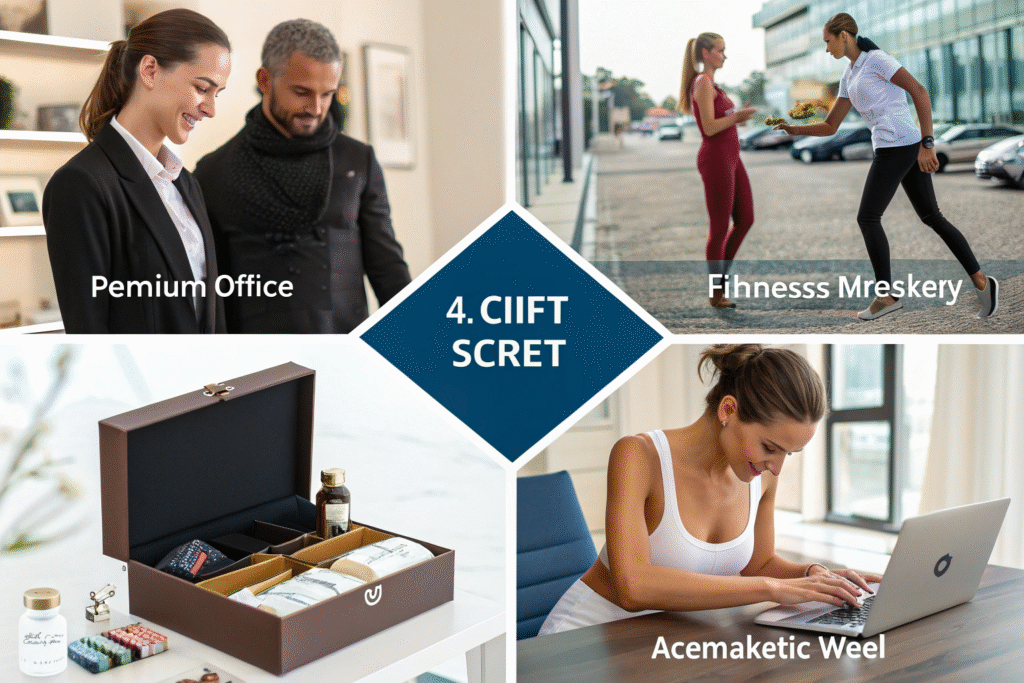
Key market applications include: premium fashion and luxury gifts (discreet, long-lasting scent), the athleisure and wellness sector (functional scent for performance/recovery), aromatherapy and alternative health markets, and corporate/ promotional branding (with custom signature scents). Sourcing requires a manufacturer that can coordinate between fragrance oil suppliers, micro-encapsulation specialists, smart textile vendors, and electronics assemblers.
Which Consumer Segments Show the Highest Potential?
- The Premium Fashion Consumer: Values discretion, luxury, and novelty. A genuine leather belt with a sophisticated, subtle scent like oud or vetiver appeals as a unique signature accessory.
- The Wellness & Fitness Enthusiast: Already invests in wearables and self-care. A belt that aids in post-workout recovery through targeted scent release fits their ecosystem.
- The Corporate Gifting Sector: Companies can embed their brand's "signature scent" into gifts for clients, creating a powerful and lasting sensory branding impression.
- The Alternative Therapy User: Interested in the benefits of aromatherapy for anxiety or sleep but wants a hands-free, continuous method.
How to Navigate the Complex Sourcing Process?
Sourcing this product is fundamentally different from a standard belt. It's a OEM/ODM project requiring systems integration. A brand must:
- Find an Integrator Manufacturer: Partner with a factory (like ours) that has experience managing hybrid tech-fashion projects. We act as the project lead, sourcing and qualifying the fragrance, capsule, and tech component suppliers.
- Define Clear Specifications: Precisely define scent profile, release mechanism (trigger, longevity), any tech features, and performance metrics.
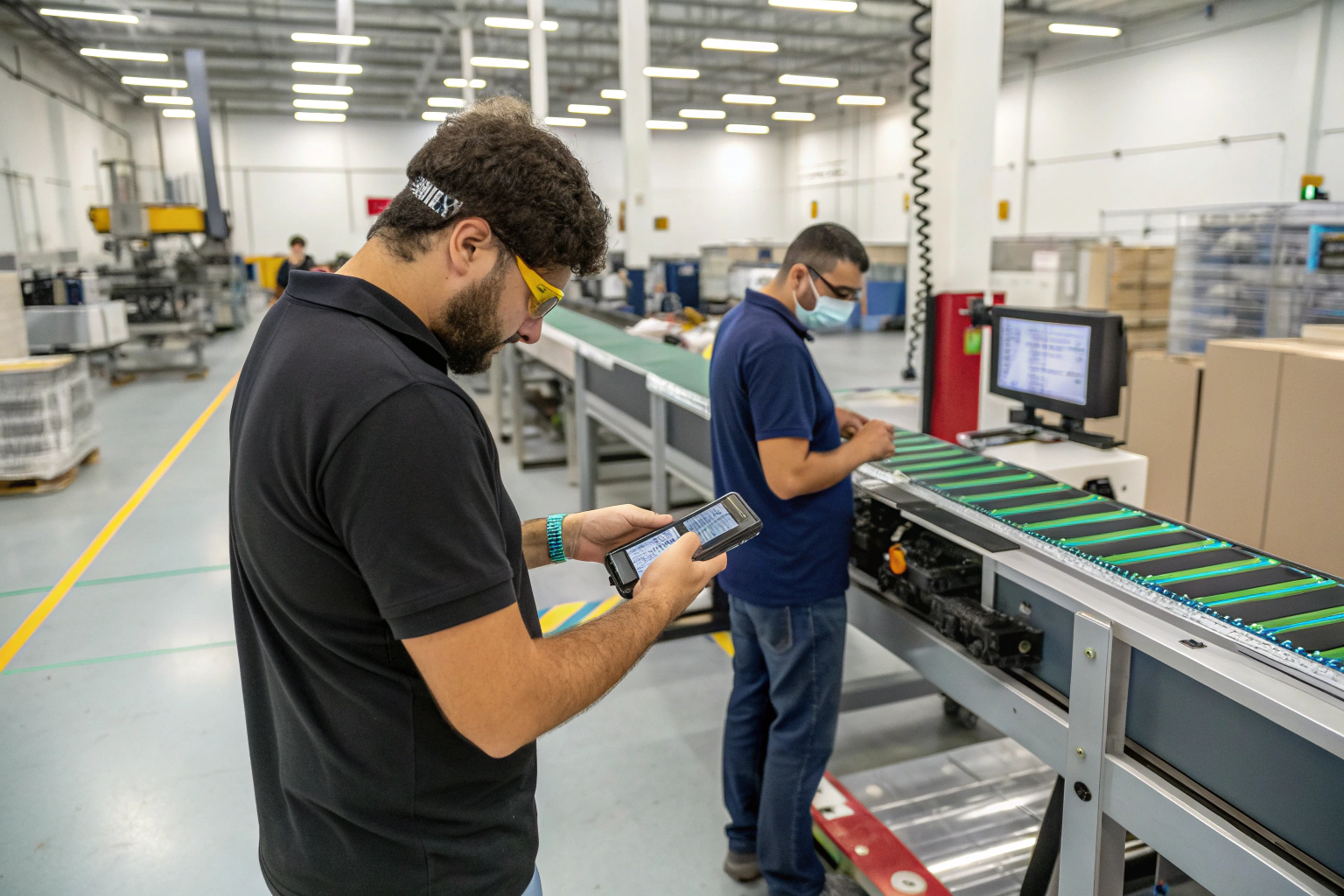
- Invest in Rigorous Testing: Prototypes must undergo wear-testing for scent longevity, skin-sensitivity testing, electronic reliability testing, and compliance checks (for batteries and electronics).
- Plan for Logistics: Fragranced goods may have specific shipping and storage requirements (temperature control). Electronics require proper DG certification for batteries.
The MOQs and lead times will be higher, but the product exclusivity and margin potential justify the effort for the right brand.
Conclusion
The innovations in fragrance-infused belts are transforming them from quirky novelties into sophisticated pieces of functional fashion and wearable wellness technology. The convergence of advanced micro-encapsulation, smart responsive materials, and seamless tech integration is creating products that offer personalized, long-lasting, and interactive scent experiences.
For forward-thinking brands, this represents a blue-ocean opportunity to differentiate in crowded markets, command premium pricing, and connect with consumers on a deeper, multi-sensory level. While the development and sourcing journey is more complex than for traditional accessories, the potential for creating a category-defining product is immense.
If you are looking to innovate with scent-infused accessories or explore the intersection of fashion, fragrance, and technology, our team specializes in managing these complex, cross-disciplinary product developments from concept to delivery. Contact our Business Director, Elaine, to begin a feasibility study for your visionary project: elaine@fumaoclothing.com. Let's design the future of fragrance, together.