For millions of office workers, students, and individuals recovering from injury, poor posture is a silent epidemic leading to chronic back pain, neck strain, and reduced productivity. While fitness trackers monitor steps and heart rate, they often ignore how we hold our bodies for hours at a time. This is where the innovative category of posture-correcting belts with integrated alarms comes in. But how do you, as a brand or buyer, source a product that blends wearable electronics, ergonomic design, and behavioral science into a reliable, manufacturable accessory?
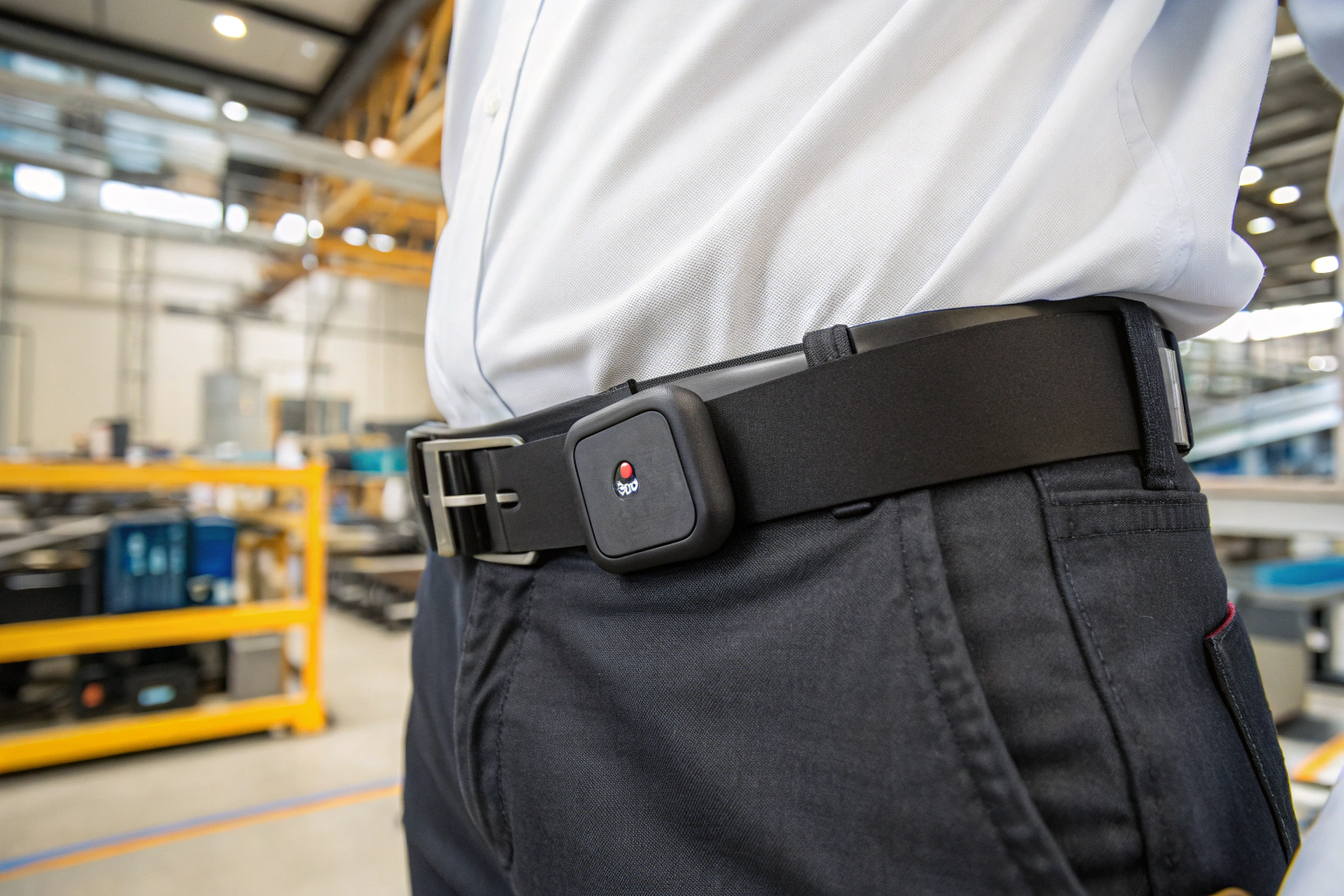
To source belts with integrated posture alarms, you must partner with a manufacturer that masters the integration of three systems: a sensor suite (typically an accelerometer/gyroscope) to detect spinal angle, a discreet alert system (vibration, sound, or light), and a comfortable, adjustable belt chassis. The sourcing process focuses on finding suppliers with expertise in wearable sensor integration, algorithm development for posture detection, and the production of ergonomic soft goods.
This is not a simple fashion accessory; it's a health-tech wearable. Success depends on navigating a hybrid supply chain that bridges the gap between electronics manufacturing and apparel production. Let's outline the critical path to bringing this innovative product to market.
What Core Technologies Power Posture Alarm Belts?
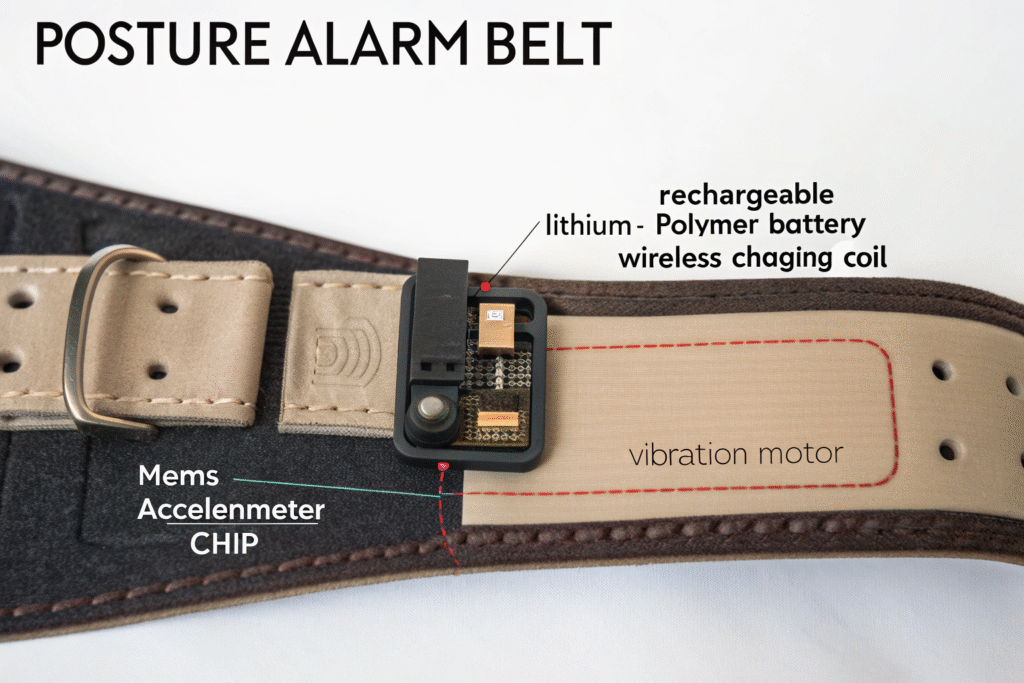
The magic of a posture alarm belt lies in its embedded electronics. Unlike a simple pedometer, it must accurately interpret the wearer's spinal position in real-time and provide a timely, effective cue to adjust. This requires a specific set of miniaturized, low-power components.
The core technologies are: a MEMS (Micro-Electro-Mechanical Systems) accelerometer and gyroscope to measure tilt and orientation; a microcontroller unit (MCU) to run the posture detection algorithm; a tactile vibration motor (the most common and discreet alert); a rechargeable battery with power management; and a data interface (like Bluetooth Low Energy) for app connectivity in advanced models.
How Do the Sensor and Algorithm Work Together?
The sensor, such as a common MPU-6050 chip, constantly measures the belt's angle relative to gravity. The raw data is noisy. The onboard MCU runs a filtering and classification algorithm. It is "trained" to recognize a slouching pattern—typically when the upper back tilts forward beyond a set threshold (e.g., 20 degrees from vertical) for a sustained period (e.g., 10 seconds). This prevents false alarms from brief movements. Upon detection, it triggers the alert. More sophisticated models allow users to calibrate their "good posture" angle via a smartphone app. This integration of sensor hardware and software firmware is the product's brain.
What Are the Alert Mechanism Options and Trade-offs?
- Vibration Motor (Most Common): Discreet, effective, works in noisy environments. Requires careful placement against the body to be felt. Can be patterned (e.g., one buzz for reminder, continuous for severe slouch).
- Miniature Buzzer (Audible Alarm): Very clear signal but can be embarrassing in public settings. Less common in consumer products.
- LED Light (Visual Cue): A small light on the buckle or strap can flash. Only useful if the user looks at it.
- App Notification: In Bluetooth-connected belts, the primary alert can be pushed to the user's phone. This is less immediate but allows for data tracking and personalized coaching.
The vibration motor is the industry standard for its balance of discretion and effectiveness. Sourcing requires specifying a motor with adequate amplitude (strength) and a low current draw to preserve battery life.
How to Find a Manufacturer with Wearable Tech Expertise?
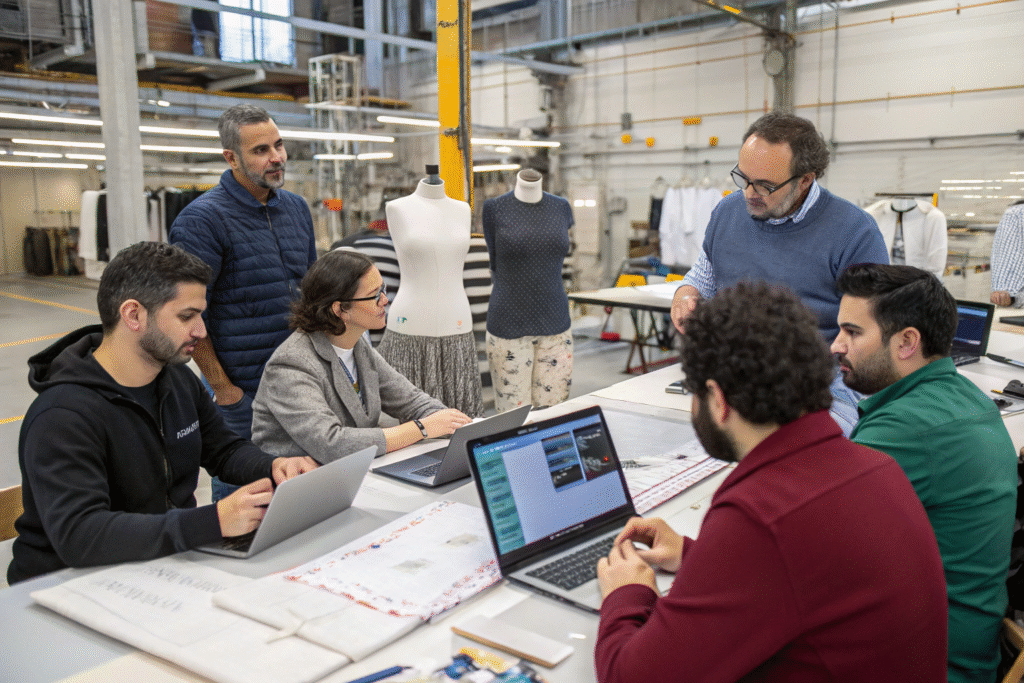
Most traditional belt factories lack the capability to design circuit boards or write firmware. Most electronics contract manufacturers (ECMs) lack experience with textiles and garment construction. The ideal partner is a hybrid: a wearables-focused OEM/ODM factory or a belt manufacturer with a strong, established partnership with an electronics design house.
Look for a manufacturer that demonstrates: in-house or deeply integrated electronics design and firmware development capability, experience with embedding electronics in flexible textiles (not just rigid casings), a proven quality control process for electronic assemblies (including waterproofing tests), and a portfolio that includes other sensor-based wearables, even if not belts specifically.
What Specific Capabilities to Vet During Supplier Selection?
During the RFQ (Request for Quotation) and factory audit process, ask these probing questions:
- "Walk me through your process for designing and testing a flexible printed circuit (FPC) for a wearable." They should discuss material choices (polyimide), connector strain relief, and testing for flex fatigue.
- "How do you handle firmware development and updates? Can we customize the posture algorithm?" They should have software engineers on staff or a dedicated partner.
- "What is your battery sourcing and certification process?" They must use certified cells (with UN38.3, IEC62133) from reputable vendors and have a robust BMS (Battery Management System).
- "How do you integrate the electronic module into the belt during assembly? Is it removable for washing?" This reveals their understanding of user needs and product lifecycle.
- "Can you provide a functional prototype within 4-6 weeks based on our specifications?" This tests their agility and technical readiness.
A supplier that can confidently answer these questions is likely a true wearables integrator, not just an assembler.
Why is the Prototyping Phase More Complex and Critical?
Prototyping for this product is multi-stage:
- Electronics Prototype (EVT - Engineering Validation Test): A working "breadboard" or rigid module that proves the sensor, MCU, and alert system function correctly. This tests the core technology.
- Mechanical Prototype (DVT - Design Validation Test): The electronics are packaged into a flexible, belt-like form factor. This stage tests wearability, comfort, button placement, and charging access.
- Pilot Production Prototype (PVT - Production Validation Test): Units from the first small production run, used to finalize assembly processes and quality tests.
Each stage requires feedback loops. For example, the DVT prototype might reveal that the vibration motor is placed over a hip bone and isn't felt; the design must then be adjusted. This iterative process is standard in new product introduction (NPI) for electronics but must be managed in tandem with soft goods development.
What Are the Key Design for Manufacturing (DFM) Challenges?
Taking a working prototype to reliable, cost-effective mass production is where many wearables fail. The Design for Manufacturing (DFM) phase is about anticipating and solving physical and logistical problems before tooling is cut. For a posture alarm belt, the challenges are unique due to the combination of hard electronics and soft, moving textiles.
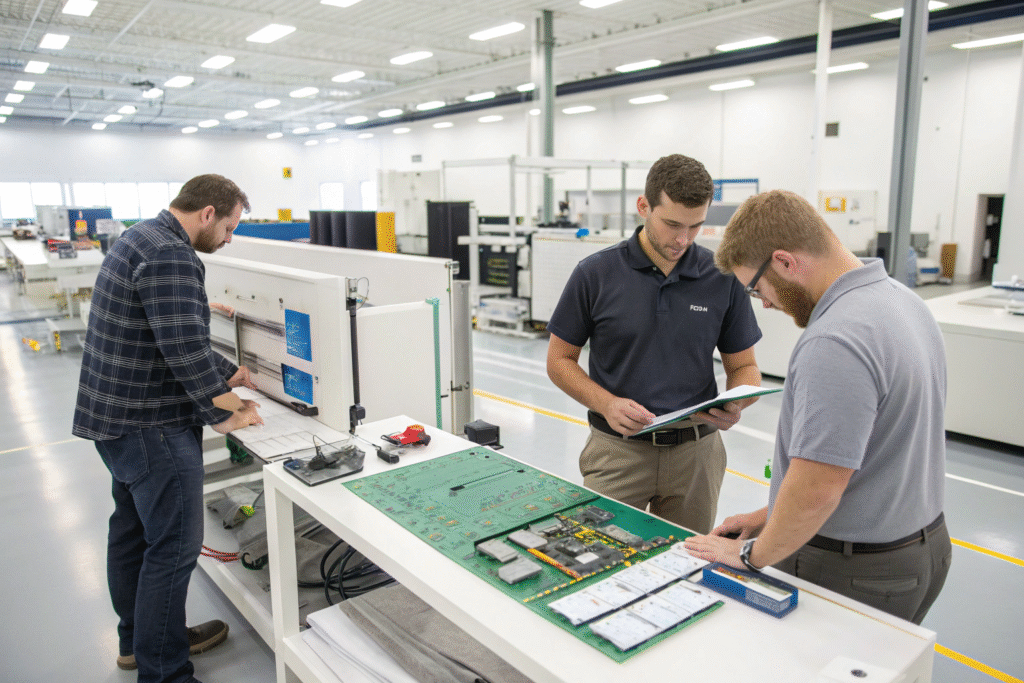
Key DFM challenges include: ensuring the flexible circuit and connections survive millions of bending cycles; achieving an IP rating for sweat and light splash resistance; designing a user-replaceable or easily rechargeable battery system; and creating an assembly process that is efficient, consistent, and maintains electronic integrity throughout.
How to Ensure Durability and Water Resistance?
The belt will be bent, twisted, and exposed to sweat daily. Solutions include:
- Strain Relief: The connection points between the rigid components (battery, motor) and the flexible circuit must have reinforced, coiled, or specially folded sections to absorb stress.
- Conformal Coating: The entire circuit board should be coated with a waterproof, flexible conformal coating to protect against moisture and corrosion.
- Encapsulation and Sealing: The electronic module is often housed in a soft TPU or silicone pouch that is then ultrasonically welded or bonded to create a seal. The charging port (if present) needs a robust rubber plug or magnetic charging connector that doesn't require an open port.
- Testing: Production units must undergo cyclic flex testing and IPX4 (splash resistance) or higher testing as a standard part of QC.
What Are the Trade-offs in Battery and Charging Design?
Power is a major constraint. The belt must last at least a full day (ideally multiple days) on a charge.
- Battery Type: A thin, flexible Li-Po pouch cell is the standard. It must be sized to fit the belt's profile while providing adequate capacity (e.g., 150-300mAh).
- Charging: Options include:
- Integrated USB Port: Lowest cost but creates a potential water ingress point.
- Magnetic Pogo-Pin Charger: More user-friendly and sealed, but adds cost for the proprietary cable.
- Wireless Qi Charging: Premium option; requires more space for the coil and is less efficient.
- Battery Life: The manufacturer should provide a detailed power budget, estimating daily usage and standby time. Features like adjustable sensitivity and alert frequency can help users extend battery life. Managing this power consumption is a core firmware task.
What Compliance, Testing, and Market Positioning Are Vital?
Bringing an electronic wearable to market, especially one sold as a wellness or postural aid, involves navigating a maze of regulatory compliance, rigorous pre-launch testing, and clear market positioning to distinguish it from simple fashion accessories or unverified health claims.
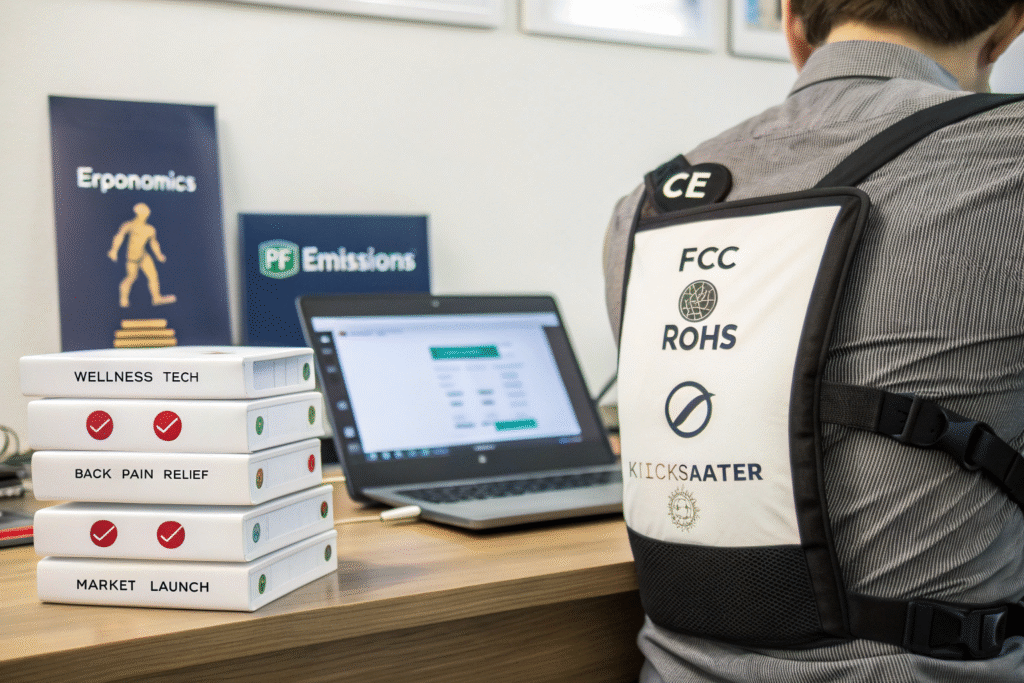
Critical steps include obtaining electronic emissions certifications (FCC/CE), safety certifications for the battery, conducting clinical or ergonomic validation to support posture improvement claims, and positioning the product within the health-tech or corporate wellness space rather than just as an accessory.
What Certifications Are Non-Negotiable?
Your manufacturer should manage or guide this process. Essential certifications include:
- FCC/CE (EMC): For electromagnetic compatibility. Proves the device doesn't interfere with other electronics. Mandatory for sale in the US and EU.
- RoHS/REACH: Restricts hazardous substances in electronics and materials. Mandatory in the EU.
- Battery Certifications: UN38.3 (transport safety), IEC62133 (safety standard), and possibly UL (for the US market).
- Medical Device Regulations: Be extremely careful. If you market the belt as a "device" to "treat" or "diagnose" a medical condition like scoliosis, it may fall under FDA Class I or II or EU MDR regulations, which are complex and costly. Most posture alarms are correctly positioned as "wellness" or "awareness" devices to avoid this. Your manufacturer's legal team should advise.
How to Validate and Market the Product's Efficacy?
To build trust and justify the price, you need evidence.
- Ergonomic Studies: Partner with a university or ergonomics lab to conduct a small study showing the belt effectively increases postural awareness and reduces slouching time among users.
- User Data & App Integration: For Bluetooth models, an app that tracks posture history, provides daily reports, and offers corrective exercises adds tremendous value and creates a sticky ecosystem.
- Clear Positioning: Market it as a "Posture Awareness & Training Belt." Avoid definitive medical claims. Target channels like: corporate wellness programs (for employees), physical therapy clinics (as an adjunct tool), e-commerce platforms focusing on health and productivity, and gaming/streaming communities (who sit for long periods). This positions the product at the intersection of consumer health technology and functional accessories.
Conclusion
Sourcing belts with integrated posture alarms is a complex but rewarding venture into the growing wearables-for-health market. It demands a hybrid manufacturing partnership, a deep understanding of micro-electronics DFM, and a strategic approach to compliance and marketing. The successful product will be one where the technology feels seamless and the benefit to the user's daily well-being is tangible and immediate.
For brands, this represents an opportunity to move beyond fast fashion into the meaningful and sticky realm of health-conscious consumer goods. By meticulously managing the integration of soft and hard technologies, you can create a product that genuinely improves quality of life and builds a loyal customer base.
If you are looking to develop a smart posture-correcting belt with reliable technology and ergonomic design, partnering with a manufacturer experienced in wearable tech integration is essential. Our facility is equipped with the cross-disciplinary teams and testing labs to guide you from concept to certified, market-ready product. Contact our Business Director, Elaine, to discuss your vision: elaine@fumaoclothing.com. Let's build technology that helps people stand tall.