Undergoing abdominal surgery—be it a C-section, hernia repair, appendectomy, or a more complex procedure—profoundly changes one's relationship with clothing. The simple act of wearing a belt, a staple for securing pants and providing structure, can become a source of pain, irritation, and even risk to healing incisions. Yet, many patients still need or want the functionality a belt offers. So, what belt styles can safely and comfortably bridge this critical recovery period? The answer lies not in traditional designs, but in adaptive, medically-informed innovations that prioritize gentle support, adjustability, and zero pressure on sensitive areas.
The best belt styles for post-surgery wear are soft, wide abdominal binders for direct support, adjustable hook-and-loop (Velcro) closure belts for easy fit modulation, elasticated pull-on belts with non-slip silicone grips for ultimate ease and comfort, and magnetic closure belts that eliminate pressure points. These styles avoid rigid structures, harsh buckles, and constricting pressure, focusing instead on accommodating swelling, providing gentle compression, and being effortlessly manageable with limited mobility or dexterity.
For brands operating in medical apparel, adaptive fashion, or recovery wellness, this represents a vital and often overlooked product category that demands empathy, research, and precise design. Let's explore the specific features that make a belt truly post-surgery friendly.
How Do Soft Abdominal Binders and Support Belts Function?
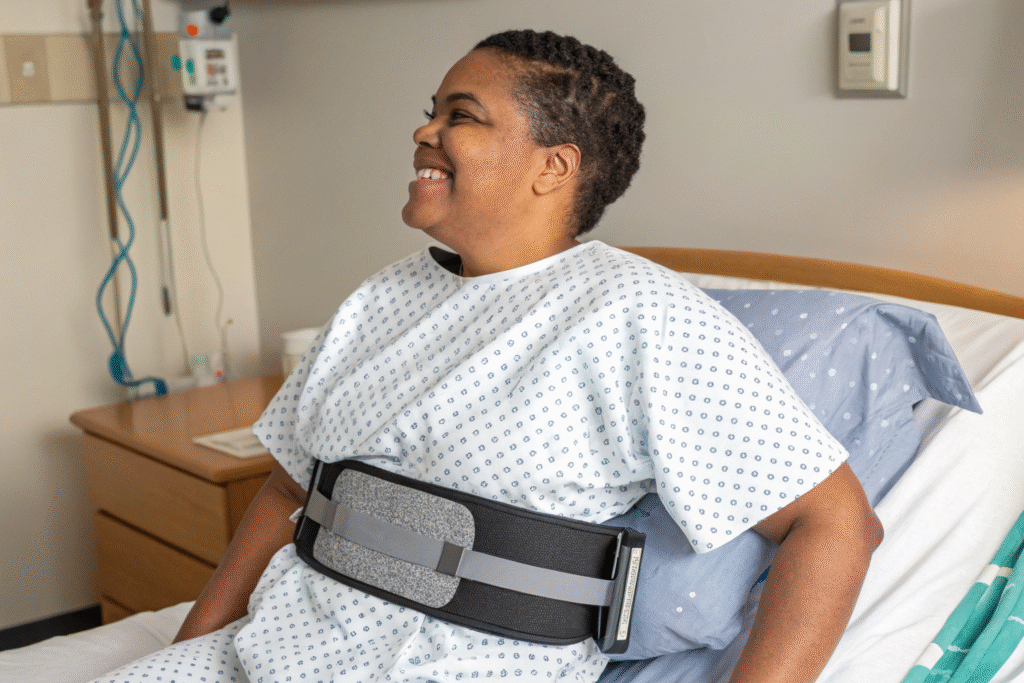
Following many abdominal surgeries, especially C-sections and hysterectomies, healthcare providers often recommend an abdominal binder. These are not belts in the traditional sense, but specialized medical-grade garments designed to provide structured yet gentle support to the core muscles and incision site, promoting healing and reducing pain.
Soft abdominal binders function by providing uniform, adjustable compression across the abdomen, which can reduce swelling (edema), stabilize the core to minimize pain during movement, and provide a protective layer over sensitive incisions. Unlike restrictive belts, they are designed to be wide (often 6-12 inches) to distribute pressure over a large area, preventing painful digging or pressure points. They are typically made from breathable, moisture-wicking fabrics like cotton blends or medical-grade foams with hypoallergenic linings.

What Design Features Are Medically Important?
- Adjustable Side Closures: Fasteners should be on the sides (hook-and-loop strips), allowing the user to adjust tightness without lying on their back and without placing any hardware or pressure directly over the midline incision.
- Seamless or Flat-Lock Seams: Internal seams must be flat and non-abrasive to prevent chafing against tender, potentially numb skin.
- Breathable and Moisture-Wicking: The material must manage perspiration to keep the incision area dry, reducing the risk of irritation and infection. Some feature medical-grade foam panels.
- Stretch Panels: Strategic stretch panels allow for expansion during breathing and sitting, ensuring the binder doesn't become overly restrictive.
These binders are often classified as Class I medical devices and should be designed in consultation with physical therapists or surgical recovery specialists.
How Do They Differ from Standard Compression Garments?
While both provide compression, post-surgery binders have a specific therapeutic intent: stabilization over reshaping. They are designed to be worn over dressings and are adjustable to accommodate day-to-day changes in swelling. Their primary goal is patient comfort and support during functional movement (walking, coughing), not aesthetic contouring. For brands, it's crucial to avoid marketing them with weight-loss or slimming claims, which could be dangerous and misleading during recovery.
Why Are Hook-and-Loop and Elastic Pull-On Belts Ideal?
For patients transitioning out of a full binder but not yet ready for traditional pants belts, or for those who have had surgery not requiring full abdominal support, adaptive belts with hook-and-loop (Velcro) closures or elastic pull-on designs offer the perfect balance of function, comfort, and independence. They address the core challenges of post-surgery dressing: variable swelling, tenderness, and often reduced dexterity.
Hook-and-loop belts are ideal because they offer infinite, micro-adjustability to accommodate swelling throughout the day, require only gross motor skills and palm pressure to fasten (no fine dexterity), and have no rigid parts to press into the abdomen. Elastic pull-on belts eliminate fastening altogether, relying on gentle, constant stretch and internal silicone grips to stay in place without constriction.
What Makes a Hook-and-Loop Truly Post-Surgery Friendly?
Standard Velcro belts can be problematic if the hook side is exposed and scratches the skin. An adaptive design refines this:
- Soft-Loop Exterior: The entire outer surface of the belt is the soft loop material, creating a smooth, snag-free face against clothing and skin.
- Strategic Hook Placement: The hook material is confined to a small area on the underside of the belt end. The user wraps the belt and presses the hooked end anywhere along the soft-loop length. This allows for millimeter-level adjustment, crucial for finding the exact comfortable tightness that provides security without pain.
- Wide, Flexible Webbing: The belt itself should be made from soft, flexible material (like a felted wool blend or soft nylon) at least 1.5 inches wide to distribute pressure. It should contain no rigid internal stiffeners.
How Do Elastic Pull-On Belts with Silicone Grips Work?
This style is the epitome of simplicity. It is essentially a wide, flat elastic band.
- Constant, Gentle Pressure: The elastic provides a secure fit that gently expands and contracts with movement and bloating, unlike a fixed-size belt.
- Silicone Grip Technology: A series of food-grade silicone dots or stripes are printed on the inner (skin-side) surface. This creates a high-friction interface that grips the clothing or skin beneath, preventing the belt from rolling over or sliding down—a common problem with simple elastic bands.
- Seamless Comfort: The best versions have no internal seams and are made from breathable, moisture-wicking elastic blends. They can be worn directly over incisions (once cleared by a doctor) or used simply to secure pants without any pressure on the surgical site.
What Safety and Comfort Features Are Non-Negotiable?
In a post-surgical context, a poorly designed belt is not just uncomfortable—it can be harmful. It can impede circulation, irritate incisions, cause pressure sores, or even compromise the healing of internal structures. Safety and comfort are inseparable and must be engineered into the product from the outset.
Non-negotiable features include: the complete elimination of rigid buckles, buttons, or zippers over the abdominal area; the use of hypoallergenic, breathable, and non-abrasive materials; designs that prevent rolling, pinching, or binding; easy donning and doffing with one hand or limited mobility; and clear guidance against over-tightening. The belt should facilitate healing, not hinder it.

Why is Material Choice and Skin Contact Paramount?
Post-surgery skin can be hypersensitive, numb, or prone to allergic reactions.
- Direct-Skin Materials: Must be Oeko-Tex Standard 100 certified or use medical-grade fabrics known for biocompatibility. Bamboo viscose, organic cotton, and silver-infused antimicrobial fabrics are excellent choices.
- Moisture Management: The material must wick moisture away from the skin to keep the incision area dry, preventing maceration and surgical site infections (SSI).
- Seamless Construction: Any seams must be flat-locked, bonded, or placed completely outside the area of contact with the healing abdomen.
- Edges: Should be softly finished with bias binding or laser-cut and sealed to prevent fraying and chafing.
How to Ensure Safe Adjustability and Avoid Complications?
The ability to adjust is a safety feature, but it must be guided.
- Clear Instructions: Packaging and tags must include guidelines: "Adjust for comfort and support, not for tight compression. You should be able to easily slide two fingers underneath."
- Quick-Release Capability: In case of sudden pain, nausea, or the need for medical examination, the closure must be instantly releasable. Hook-and-loop is perfect for this; magnetic closures can also be designed to separate with a firm, intentional pull.
- Monitoring for Compromise: The design should not obscure the incision site, allowing the wearer and caregivers to easily monitor for signs of infection (redness, swelling, discharge) without removing the entire garment.
This patient-centered design philosophy aligns with principles of universal design and empathetic product development.
How to Source and Develop Truly Empathetic Post-Surgery Belts?
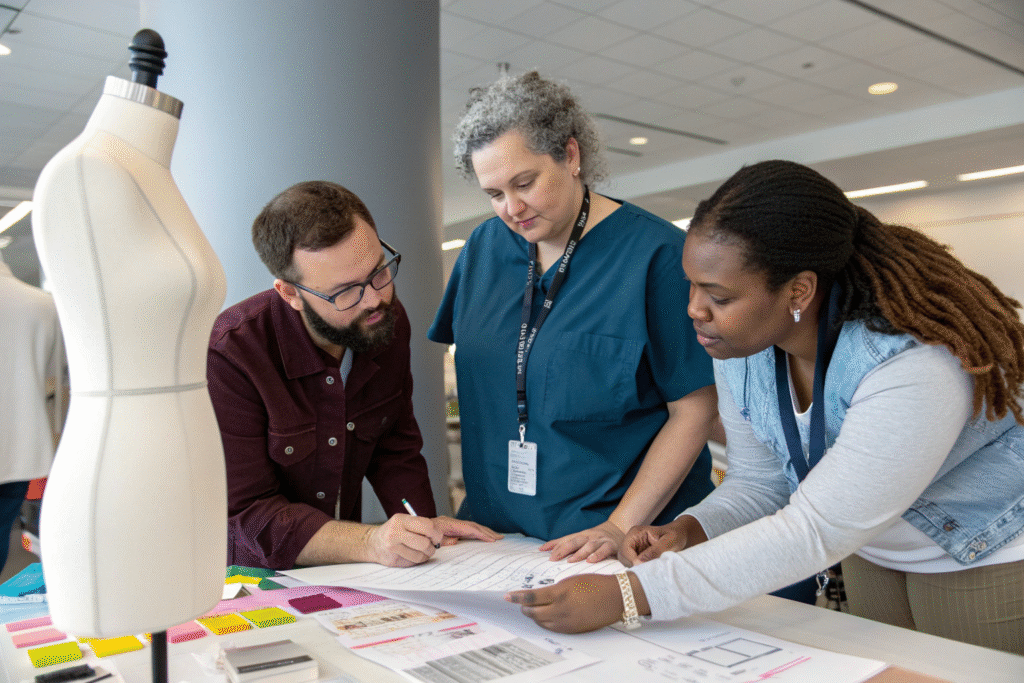
Creating effective post-surgery wear requires more than technical specifications; it requires deep empathy and user-centric research. The design process must be informed by the lived experiences of patients, as well as the clinical knowledge of healthcare professionals. Sourcing or manufacturing such products demands a partner who understands this nuanced, human-focused approach.
Empathetic development involves co-design with post-surgery patients and healthcare providers, rigorous wear-testing in real recovery scenarios, partnering with manufacturers experienced in medical textiles and adaptive apparel, and ensuring packaging and marketing is educational, reassuring, and free of stigmatizing language. The goal is to reduce patient anxiety, not add to it.
What Does a Co-Design and Testing Protocol Look Like?
- Assemble an Advisory Panel: Include individuals at various stages of recovery from different types of abdominal surgeries, as well as occupational therapists, physical therapists, and surgeons.
- Contextual Prototyping: Create low-fidelity prototypes early and have testers use them in real-life scenarios: getting in/out of bed, sitting in a chair, walking, using the bathroom.
- Feedback on Pain Points: Focus on questions like: "Where do you feel pressure?" "Is it difficult to put on/take off when you're alone and tired?" "Does the material feel irritating over your incision?"
- Iterate Based on Lived Experience: If a tester reports that a side closure digs into their hip when lying on their side, the design must be modified. This iterative process is central to human-centered design for healthcare.
How to Vet a Manufacturer for This Sensitive Product Category?
The factory must understand they are producing a product that impacts health and well-being.
- Ask About Compliance: "Are your facilities and materials compliant with relevant medical device regulations (even if not pursuing formal clearance)? Do you have ISO 13485 experience?"
- Inquire About Material Sourcing: "Can you provide certifications for hypoallergenic materials and medical-grade foams?"
- Evaluate Quality Control: "What is your process for 100% inspection of seams, closures, and material integrity? How do you test for allergen residues?"
- Assess Ethical Production: "What are the working conditions in your factory?" (A product promoting patient dignity should be made ethically).
A manufacturer that asks thoughtful questions in return—about intended use, patient needs, and safety thresholds—is likely a true partner, not just a contractor.
Conclusion
The best belt styles for post-surgery wear—soft abdominal binders, adjustable hook-and-loop belts, and elastic pull-on designs with silicone grips—are more than accessories; they are therapeutic tools that restore a sense of normalcy, security, and independence during a vulnerable time. Their success hinges on a fundamental shift away from traditional belt design towards principles of adaptive fashion, medical empathy, and user-centric innovation.
For brands, this category offers a profound opportunity to make a tangible, positive difference in people's lives. By committing to co-design with the recovery community, adhering to the highest standards of safety and comfort, and communicating with sensitivity, companies can build immense trust and loyalty. In the end, a post-surgery belt that is embraced by patients is one that understands not just the anatomy of healing, but the psychology of recovery.
If you are looking to develop a line of thoughtful, recovery-focused apparel that genuinely supports healing and dignity, partnering with a manufacturer that shares your empathetic and rigorous approach is essential. We specialize in adaptive clothing and medically-informed soft goods, with processes built on collaboration and quality. Contact our Business Director, Elaine, to begin a conversation about creating products that care: elaine@fumaoclothing.com. Let's design for healing.