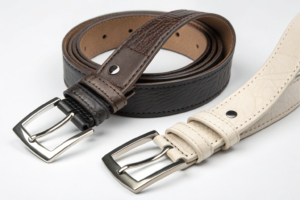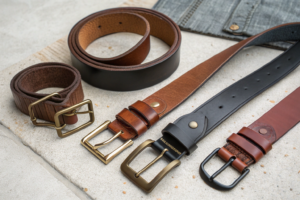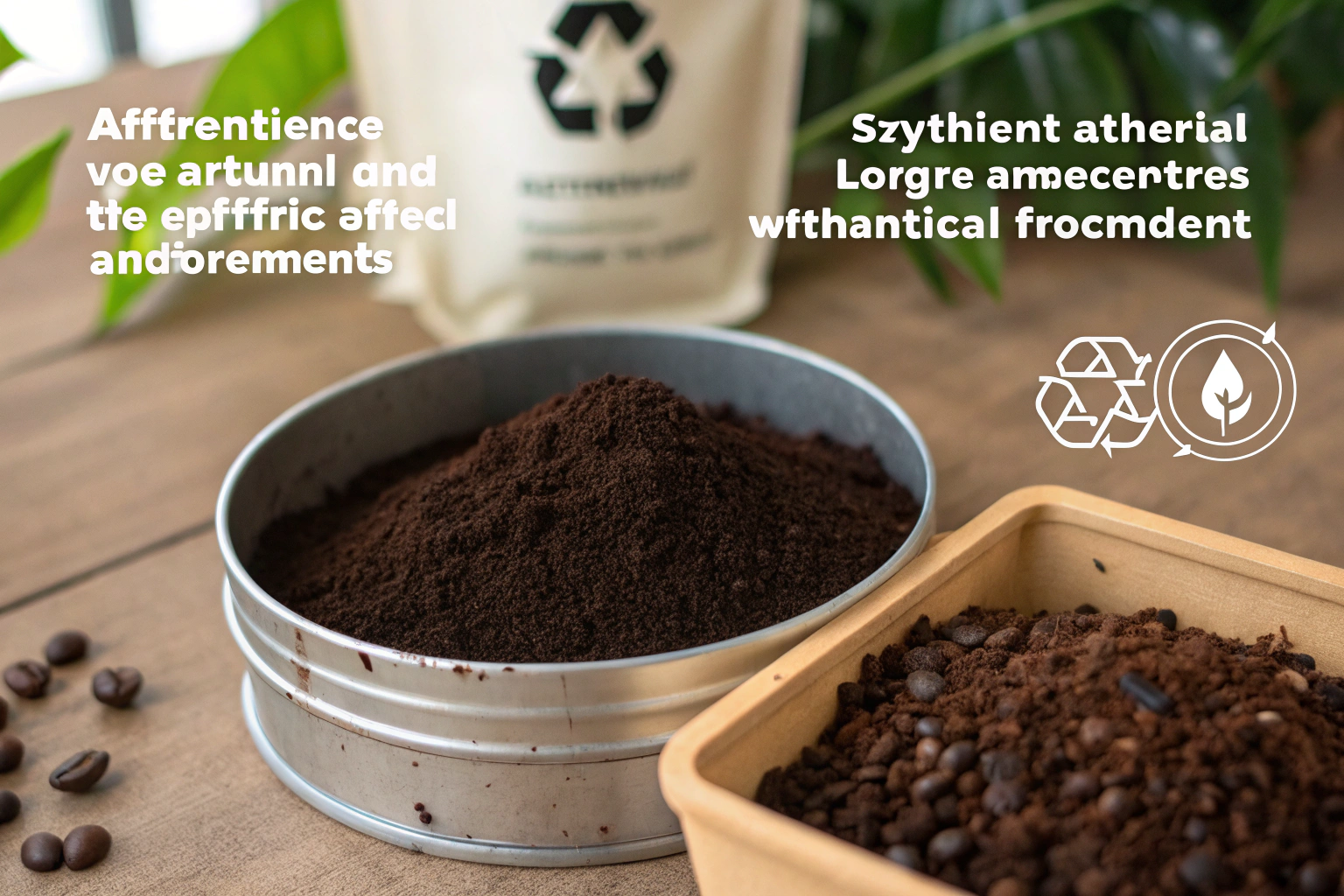
In the quest for functional, sustainable fashion, an unlikely hero is emerging from our morning routine: coffee grounds. Beyond their aromatic role in brewing, spent coffee grounds possess remarkable natural properties that are now being harnessed in advanced textiles, including belts. But why would a brand choose to infuse belt leather or webbing with coffee waste, specifically for odor control? This innovation goes far beyond a novelty “coffee scent”; it’s a scientifically-grounded, eco-conscious solution to a universal problem—the persistent odor caused by sweat and bacteria in close-wearing accessories.
Coffee ground-infused belts are chosen for odor control because the porous carbon structure of spent coffee grounds acts as a highly effective, natural adsorbent, trapping and neutralizing odor-causing molecules (like those from sweat) before they can be released. This provides a long-lasting, chemical-free alternative to synthetic antimicrobial treatments, while simultaneously upcycling a major waste stream and creating a product with a compelling sustainability story. It’s performance driven by circular economy principles.
For brands focused on active lifestyles, sustainable innovation, or natural wellness, this material offers a tangible point of differentiation that is both functional and philosophically aligned with modern consumer values. Let’s dive into the science, benefits, and sourcing of this ingenious application.
What is the Science Behind Coffee's Odor-Absorbing Power?
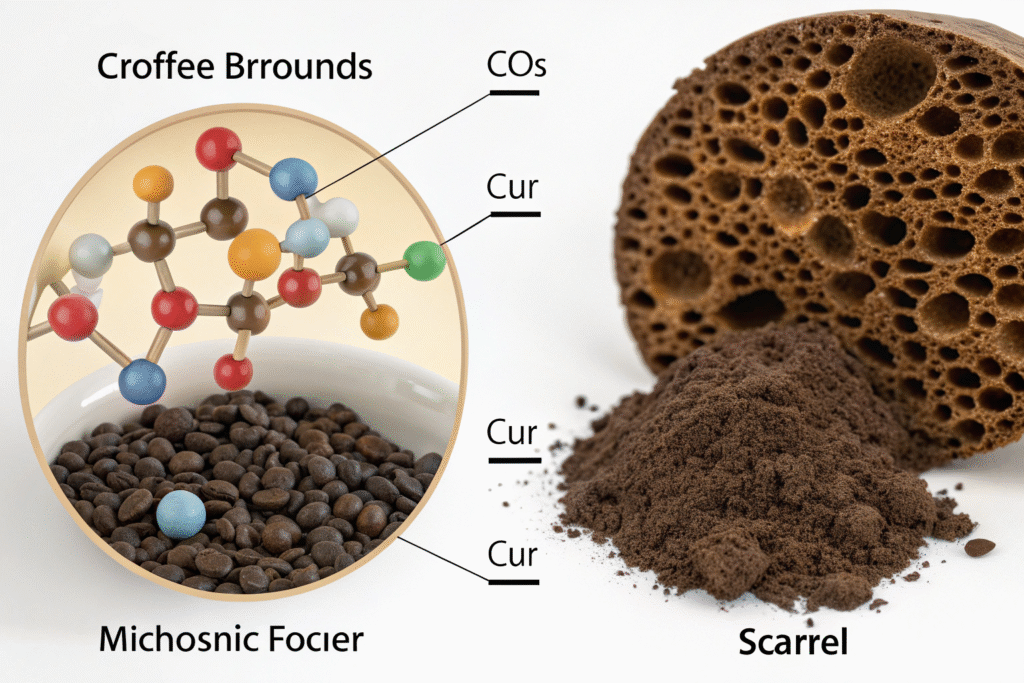
The magic lies not in the coffee aroma, but in the physical and chemical structure of the grounds after brewing. When coffee is made, hot water extracts the solubles, leaving behind a cellulose-rich matrix that is incredibly porous at a microscopic level. This structure is primed to capture unwanted molecules.
Spent coffee grounds are a form of activated carbon precursor. Their vast network of micro-pores and high surface area provides countless binding sites for odor molecules—a process known as adsorption (where molecules adhere to a surface). Unlike masking scents, this physically removes odor-causing compounds like ammonia, acetic acid, and sulfur-based thiols from sweat. Furthermore, the polyphenols and other antioxidant compounds remaining in the grounds may have mild antimicrobial properties that inhibit the bacteria whose metabolic processes create odors in the first place.
How Does Adsorption Differ from Antimicrobial Treatments?
Most synthetic odor-control in apparel uses antimicrobial agents (like silver ions or triclosan) that kill bacteria. This has raised concerns about antibiotic resistance and environmental impact. Coffee grounds take a different, physical approach:
- Adsorption (Coffee Grounds): Traps the odor molecules themselves, as well as moisture that bacteria need to thrive. It doesn't kill bacteria; it removes their food source and waste products. This is a passive, non-toxic, and broad-spectrum method.
- Antimicrobial (Synthetics): Uses biocides to kill microorganisms. Can lead to “superbugs” and may cause skin irritation for some users.
The adsorption method is akin to how activated charcoal filters work in water and air purification—a proven, safe, and effective technology. Coffee grounds are a renewable, waste-based source of this adsorbent material.
What is the Role of Moisture-Wicking and Drying Speed?
Odor thrives in damp environments. Coffee-infused materials often exhibit improved hydrophilic (water-attracting) properties. The cellulose in the grounds can help pull moisture (sweat) away from the skin and into the belt material, where it can evaporate more quickly. By keeping the micro-environment drier, the belt becomes less hospitable to odor-causing bacteria. This combined effect—adsorption + accelerated drying—creates a powerful one-two punch against odor. This is especially valuable for belts worn during physical activity or in hot climates, where traditional leather can become pungent.
What Are the Tangible User Benefits?
For the end-user, the value proposition of a coffee-infused belt is immediate and practical. It solves a common, often embarrassing problem with a solution that feels both intelligent and natural. The benefits extend beyond just a lack of smell to encompass comfort, skin-friendliness, and alignment with personal values.
User benefits include: all-day freshness without the need for sprays or frequent washing; hypoallergenic and skin-friendly properties, free from harsh chemical treatments; reduced washing frequency, which extends the life of the belt (especially leather); and the positive psychological association with using a sustainable, innovative product. It’s a feature that works silently in the background to boost confidence.

How Does This Enhance the Experience for Active Users?
For athletes, gym-goers, or anyone with an active job, belt odor is a real issue. Sweat-soaked leather or nylon can become a persistent problem.
- Post-Activity Confidence: A coffee-infused belt will not carry strong odors after a workout, allowing the user to transition seamlessly to other activities without feeling self-conscious.
- Travel & Packing: Belts packed in luggage or gym bags won't transfer odors to other items. This is a major convenience for frequent travelers.
- Long-Term Wearability: The belt remains pleasant to wear and handle day after day, increasing user satisfaction and product attachment. This aligns with the performance wear trend where every item is expected to perform under stress.
Why is the "Chemical-Free" Claim a Powerful Differentiator?
Growing consumer awareness about skin health and ingredient transparency makes "free from" claims highly attractive. A belt that markets itself as "free from synthetic antimicrobials, nano-silver, and chemical odor masks" appeals to:
- Individuals with sensitive skin or eczema.
- Parents concerned about children's products.
- The "clean living" and wellness communities.
This positions the product not just as an accessory, but as a considered, health-conscious choice. It taps into the broader clean beauty and materials movement.
How Does This Align with Circular Economy and Sustainability?
The fashion industry is under immense pressure to reduce waste and carbon footprint. Using spent coffee grounds—a global waste product generated at a scale of over 20 million tons annually—is a brilliant example of upcycling. It transforms a linear waste stream (brew -> landfill) into a valuable technical input for a new product, closing the loop.
This application directly supports a circular economy by valorizing a ubiquitous organic waste, reducing reliance on virgin synthetic adsorbents (like polyester derived from petroleum), and potentially lowering the environmental impact of the belt's life cycle through reduced cleaning needs. It provides a concrete, consumer-facing story about resourcefulness and waste reduction that is easy to understand and support.

What is the Full Environmental Lifecycle Benefit?
- Waste Diversion: Coffee grounds in landfills produce methane, a potent greenhouse gas. Diverting them for material use mitigates this.
- Reduced Chemical Load: By replacing synthetic odor-control chemistries, the process avoids the environmental burden of producing and eventually leaching those chemicals.
- Water and Energy Savings: If the belt requires less frequent washing (a common recommendation for treated leather), it saves water, energy, and detergent over its lifetime.
- Biodegradability: The coffee grounds themselves are fully biodegradable. When infused into a natural material like leather or cotton, they do not hinder its end-of-life compostability (unlike plastic-based treatments).
This holistic impact allows brands to make a robust Life Cycle Assessment (LCA) claim, showing a net-positive environmental effect compared to conventional alternatives.
How Can Brands Communicate This Story Authentically?
Transparency is key. The narrative should be specific:
- Source Tracing: "Our coffee grounds are sourced from [Named Local Roastery/Cafe Chain], diverting X kg of waste per month."
- Process Explanation: "We dry and micronize the grounds before embedding them into a polymer layer, locking in the adsorbent power."
- Impact Quantified: "Each belt contains the equivalent of 5 espressos worth of upcycled grounds."
This builds a powerful, authentic connection with eco-conscious consumers who value traceability and real impact over vague "green" claims.
What Are the Sourcing and Manufacturing Considerations?
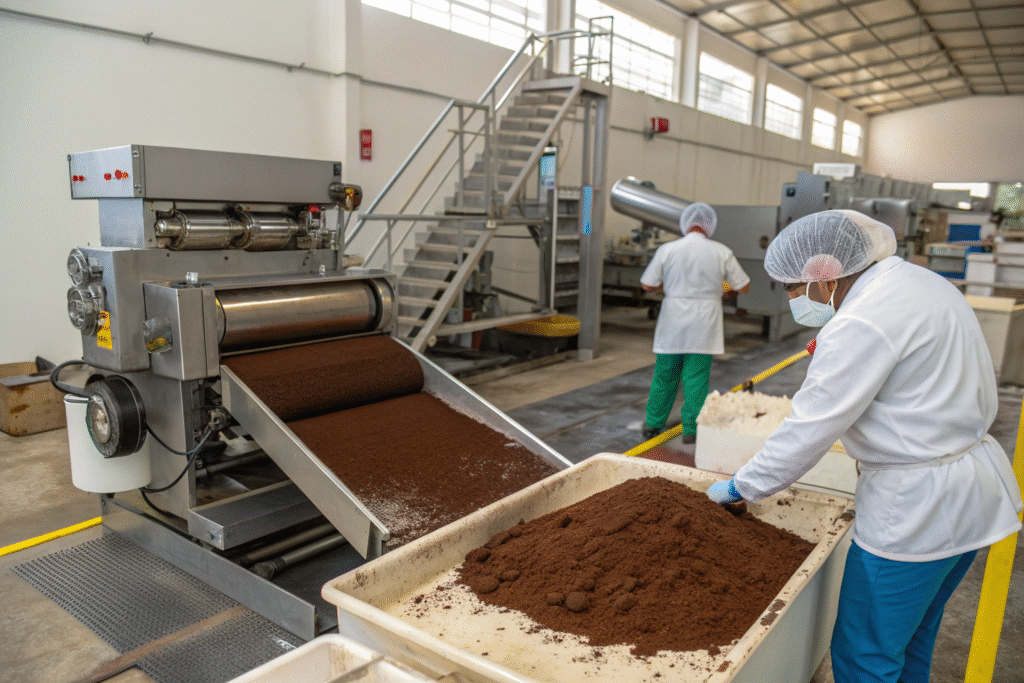
Integrating coffee grounds into a durable material like belt leather or webbing is not a simple matter of sprinkling grounds onto fabric. It requires a specialized supply chain for the raw waste material and specific composite manufacturing techniques to ensure performance, durability, and consistency.
Key considerations include: establishing a reliable, clean supply of spent grounds (free from mold, contaminants); a controlled drying and micronization process to create a consistent powder; a binding medium (like water-based PU, latex, or a bio-resin) to fix the grounds to the textile without washing out; and testing for durability (abrasion, wash fastness, colorfastness). The belt factory must be adept at working with these coated or composite materials.
How is the Coffee Composite Applied to Belts?
There are two primary methods:
- Coating/Lamination: The micronized coffee grounds are suspended in a binder to create a slurry or paste. This is then coated onto the back (flesh side) of leather or onto a fabric webbing, and then dried/cured. This creates a direct, skin-facing odor-control layer.
- Melt-Spinning into Fibers: For synthetic belts (nylon, polyester), the coffee powder can be incorporated into the polymer melt before the yarn is extruded. This method, used by companies like Singtex with their S.Cafe® fabric, embeds the coffee particles throughout the fiber itself, making the odor control a permanent property of the material, not just a coating.
For leather belts, the coating method is more common. It's crucial that the binder is flexible, durable, and does not compromise the leather's breathability.
How to Vet a Supplier for This Specialty Material?
When sourcing, ask targeted questions:
- "What is your source for spent coffee grounds, and what is your process for sterilization and quality control?"
- "What binder system do you use, and is it water-based and free from harmful solvents (e.g., DMFa-free)?"
- "Can you provide test reports for odor reduction efficacy (e.g., using the ISO 17299 standard for odor adsorption)? What about wash durability (after 5, 10, 20 washes)?"
- "How does the application affect the hand-feel, drape, and breathability of the base material?"
- "What are the MOQs for custom development and production?"
A credible supplier will have a clear technical dossier, including Material Safety Data Sheets (MSDS) for all components and independent lab test results. They should view the coffee grounds as a technical ingredient, not a marketing filler.
Conclusion
Choosing coffee ground-infused belts for odor control is a decision that operates on multiple levels of intelligence. It harnesses sophisticated materials science for a genuine performance benefit, addresses a universal consumer pain point in an elegant way, and anchors itself in a powerful, authentic narrative of sustainability and circular innovation. For the wearer, it offers daily, tangible value in freshness and comfort. For the brand, it provides a defensible, story-rich innovation that stands out in a crowded market.
This technology exemplifies the future of functional fashion: where waste becomes a resource, where biology-inspired solutions replace harsh chemicals, and where every product detail can be an expression of both performance and principle. As consumers increasingly vote with their wallets for products that are good for them and the planet, coffee-infused belts represent a smart, forward-looking investment in product development.
If you are looking to develop a belt line that combines cutting-edge natural performance with a compelling eco-narrative, exploring coffee ground technology is a strategic move. We have experience in sourcing and working with innovative composite materials and can guide you through the development process. Contact our Business Director, Elaine, to discuss how to brew up your next innovative collection: elaine@fumaoclothing.com. Let's turn waste into worth.