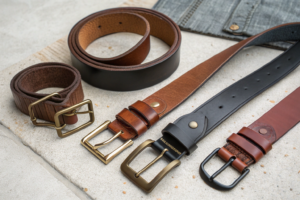
In the world of premium accessories, "gluten-free" might seem like an unusual specification. Yet for individuals with celiac disease or severe gluten sensitivity, this is a critical health consideration that extends far beyond food. Traditional leather production has historically used wheat-based glues, starches, and fillers throughout tanning and finishing processes, creating potential cross-contact risks. This has sparked a specialized revolution in material science: the development of truly certified gluten-free leather. But what constitutes genuine innovation in this niche field, and why does it matter for premium belt manufacturers and their discerning customers?
The top innovations in gluten-free leather revolve around three key areas: complete supply chain re-engineering to eliminate gluten-containing inputs at every stage, advanced testing and certification protocols that exceed food-grade standards, and material science breakthroughs that deliver luxury performance without compromise. These innovations address both critical health safety concerns and the expectations of premium quality in high-end accessories.
For manufacturers serving specialized markets or prioritizing inclusive design, understanding these advancements is essential. Let's examine the specific innovations defining this important category.
How Has Supply Chain Engineering Eliminated Gluten Contamination?
The fundamental innovation in gluten-free leather isn't a single ingredient replacement but a complete re-engineering of the supply chain. Traditional leather production involves numerous stages where gluten-containing materials have been standard: from beamhouse operations to retanning, fatliquoring, and finishing. True innovation requires systematic elimination at every touchpoint.
Modern gluten-free leather innovation begins with ingredient substitution at the molecular level: replacing wheat-derived enzymes with microbial or fungal alternatives in the beamhouse; substituting wheat flour fillers with rice bran, potato starch, or cellulose fibers; and reformulating finishes with gluten-free biopolymers or synthetic polymers. This requires close collaboration between tanneries and specialty chemical suppliers to develop performance-equivalent alternatives that maintain leather's essential qualities.

What Are the Key Biochemical Replacements in Processing?
The most significant innovations occur in the early processing stages:
- Microbial Enzyme Systems: Traditional proteolytic enzymes derived from wheat or barley have been replaced by highly specific bacterial or fungal enzymes (from Bacillus or Aspergillus species). These not only eliminate gluten but often offer more consistent and controllable processing, improving quality consistency.
- Alternative Tanning and Filling Systems: Vegetable tanning agents themselves are typically gluten-free (derived from tree bark), but the fillers and auxiliaries have been reformulated. Innovative systems use combinations of mineral fillers, modified alternative starches (tapioca, corn), and synthetic polymers that provide the same bulking and softening effects without gluten proteins.
- Advanced Binder Chemistry: The finishing layers that give leather its surface characteristics have been redeveloped using gluten-free acrylic copolymers, polyurethane dispersions, and bio-based binders that maintain durability, flexibility, and aesthetic qualities.
How Do Dedicated Production Facilities Prevent Cross-Contamination?
Beyond ingredient substitution, physical production innovation is crucial:
- Dedicated Production Lines: Leading innovators operate completely segregated production facilities or designated production periods with rigorous cleaning protocols validated by ATP swab testing.
- Supplier Qualification Programs: Comprehensive vetting of all chemical and raw material suppliers, requiring gluten-free statements and independent verification for every component.
- Documentation and Traceability Systems: Digital tracking from raw hide through every processing step, ensuring complete chain of custody documentation. This level of traceability meets standards comparable to pharmaceutical GMP practices.
What Certification and Testing Protocols Ensure Safety?
For individuals with celiac disease, even trace gluten exposure can trigger immune responses. Therefore, the most significant innovation in gluten-free leather is the development and implementation of testing protocols that meet or exceed food safety standards. This represents a paradigm shift for the leather industry, which traditionally hasn't been subject to such stringent allergen controls.
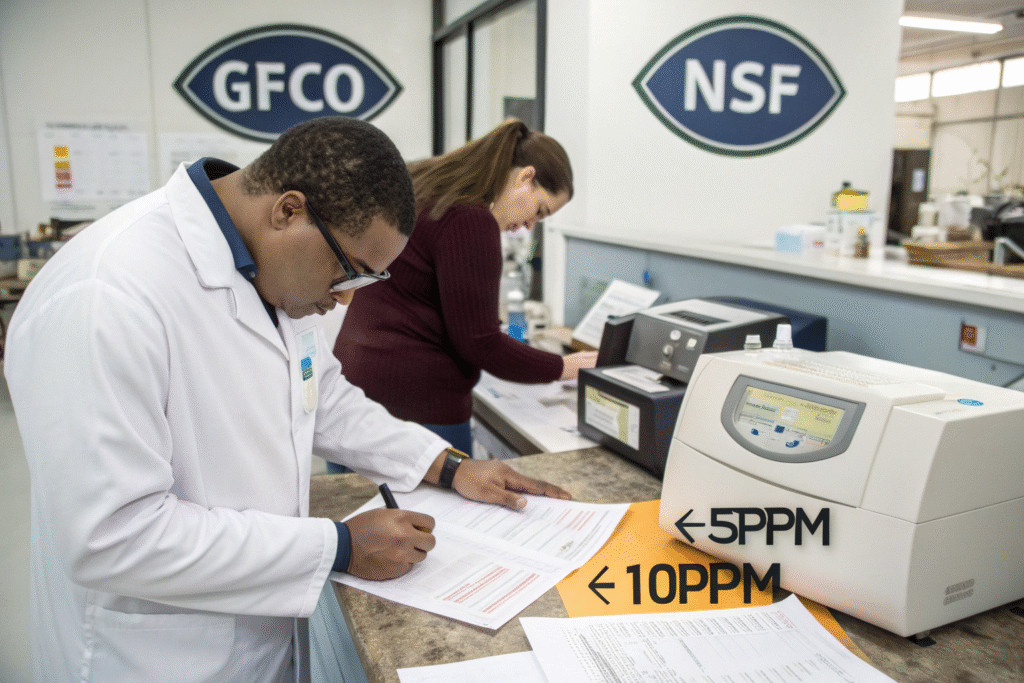
The gold standard in gluten-free leather certification involves third-party validation through organizations like the Gluten-Free Certification Organization (GFCO) or NSF International, batch-level testing using sensitive ELISA (R5 Mendez) methods capable of detecting gluten below 10 parts per million (ppm), and ongoing facility audits that verify both ingredient controls and production practices. These protocols provide the objective assurance necessary for medical-grade claims.
Why Are ELISA Testing and Sensitivity Levels Critical?
The innovation lies in applying food allergen testing methodology to materials:
- Validated Extraction Methods: Unlike food testing, leather requires specialized extraction protocols to solubilize potential gluten proteins from the matrix. Innovators have developed and validated methods that effectively recover gluten from tanned and finished leather.
- Enhanced Sensitivity: While the Codex Alimentarius standard for gluten-free foods is <20 ppm, leading gluten-free leather manufacturers often test to <10 ppm or even <5 ppm thresholds, providing an additional safety margin.
- Batch Consistency Verification: Regular testing isn't limited to final products but includes incoming raw materials and intermediate processing stages. This comprehensive approach ensures consistent safety across production runs.
The R5 ELISA method has become the internationally recognized standard, with monoclonal antibodies specific to the gliadin fraction of gluten that's toxic to celiac patients.
How Do Certification Bodies Audit Leather Facilities?
The certification process represents a significant innovation in itself:
- Documentation Review: Auditors examine everything from chemical supplier specifications to cleaning logs and employee training records.
- Risk Assessment: Facilities must demonstrate a thorough HACCP-style analysis identifying all potential gluten introduction points and implementing control measures.
- On-site Testing: Auditors may conduct their own sample collection and testing during inspections to verify internal controls.
- Annual Re-certification: Unlike one-time testing, certification requires ongoing compliance with regular audits, ensuring sustained safety standards.
This level of scrutiny was previously unheard of in leather manufacturing and represents a substantial innovation in quality assurance practices.
How Does Performance Innovation Maintain Luxury Standards?
The greatest challenge in gluten-free leather innovation has been maintaining—or enhancing—the performance characteristics expected of premium leather. Early alternatives sometimes resulted in stiff, boardy leather with poor aging characteristics. Contemporary innovations have overcome these limitations through advanced material science.
Performance innovations in gluten-free leather include next-generation fatliquoring systems that optimize fiber lubrication without gluten-containing additives, advanced polymer finishing technologies that provide enhanced durability and aesthetics, and precision-controlled processing that delivers consistent hand-feel and drape. The most successful innovations are invisible to the consumer—the leather performs identically to premium conventional leather while meeting stringent safety standards.

What Advances in Fatliquoring and Softening Have Been Achieved?
The suppleness of premium leather comes from effective fatliquoring—the introduction of oils and fats into the fiber structure:
- Novel Emulsion Systems: Advanced emulsifiers and surfactants create stable, penetrating fatliquor emulsions without traditional gluten-based stabilizers.
- Combination Softening Approaches: Using precise combinations of synthetic lubricants, natural oils (like neatsfoot or fish oil), and silicone derivatives to achieve target softness values.
- pH and Penetration Optimization: Fine-tuning processing parameters (time, temperature, mechanical action) to ensure uniform distribution of softening agents throughout the leather matrix.
These technical refinements ensure that gluten-free leather maintains the characteristic "hand" that defines luxury leather goods.
How Do Finishing Innovations Enhance Durability and Aesthetics?
The surface characteristics of leather are largely determined by finishing:
- Multi-Layer Polymer Systems: Innovative water-based polyurethane and acrylic finishes build durable, flexible films that resist cracking and peeling while maintaining breathability.
- Enhanced Grain Characteristics: Special finishing techniques can emphasize or create desirable grain patterns without masking defects—an important consideration for premium products.
- Consistent Color Application: Advanced dye systems and application methods ensure uniform, penetrating coloration that develops rich patina over time, matching the aging characteristics of traditional premium leather.
These finishing innovations ensure that gluten-free leather meets the aesthetic expectations of luxury consumers while providing practical durability.
What Are the Sourcing and Market Implications?
The innovations in gluten-free leather have created a specialized, high-value niche with distinct sourcing requirements and market opportunities. For manufacturers, this represents both a challenge in supply chain management and an opportunity to serve underserved markets with premium products.
Sourcing implications include limited supplier availability (only a handful of tanneries worldwide offer certified gluten-free leather), premium pricing due to specialized ingredients and testing, longer lead times for certification validation, and higher minimums due to batch production requirements. Market-wise, it addresses specific medical necessity while also appealing to luxury consumers who value purity, transparency, and innovative material science.

How Should Manufacturers Vet Gluten-Free Leather Suppliers?
Due diligence for gluten-free materials requires specific focus:
- Certification Verification: Request current certificates from recognized bodies (GFCO, NSF) and review the scope of certification.
- Testing Protocol Review: Ask for detailed information on testing frequency, detection limits, and whether testing is conducted in-house or by third-party laboratories.
- Supply Chain Transparency: Require full disclosure of chemical suppliers and verification of their gluten-free status.
- Sample Validation: Conduct independent testing on received materials, especially during initial sourcing and periodically thereafter.
- Audit Rights: Establish contractual rights to audit the tannery's facilities and processes.
This comprehensive approach ensures that the gluten-free claims are substantiated throughout the supply chain.
What Market Opportunities Does This Innovation Create?
Gluten-free leather opens several strategic market avenues:
- Medical/Allergy Specialty Market: Direct marketing to celiac communities, allergy specialists, and hospitals for patient-safe accessories.
- Premium Inclusive Design: Positioning as a luxury brand that thoughtfully accommodates all customers without compromising quality.
- Material Innovation Leadership: Showcasing technical prowess in overcoming complex material science challenges.
- Transparency and Trust Building: Demonstrating commitment to ingredient transparency and consumer safety.
The marketing narrative should emphasize both the technical achievement and the human benefit, avoiding clinical terminology while conveying the seriousness of the innovation.
Conclusion
The top innovations in gluten-free leather represent a significant convergence of material science, medical safety, and luxury craftsmanship. They demonstrate that addressing specialized health needs doesn't require compromising on quality, aesthetics, or performance. For premium belt manufacturers, these innovations offer a pathway to serve discerning customers who require assurance beyond conventional material specifications.
The journey from traditional to certified gluten-free leather involves re-engineering supply chains, implementing rigorous testing protocols, and advancing material performance—all while maintaining the essential characteristics that define luxury leather. As consumer awareness of material ingredients grows, and as inclusive design becomes increasingly valued, gluten-free leather stands as both a practical solution and a symbol of thoughtful, precision manufacturing.
For brands committed to excellence that serves all customers, gluten-free leather represents an important frontier in material innovation. We have developed expertise in sourcing and working with certified gluten-free leathers and can guide you through the specific considerations for incorporating these materials into your premium collections. Contact our Business Director, Elaine, to explore how gluten-free innovation can enhance your product offerings: elaine@fumaoclothing.com. Let's craft excellence that everyone can experience with confidence.