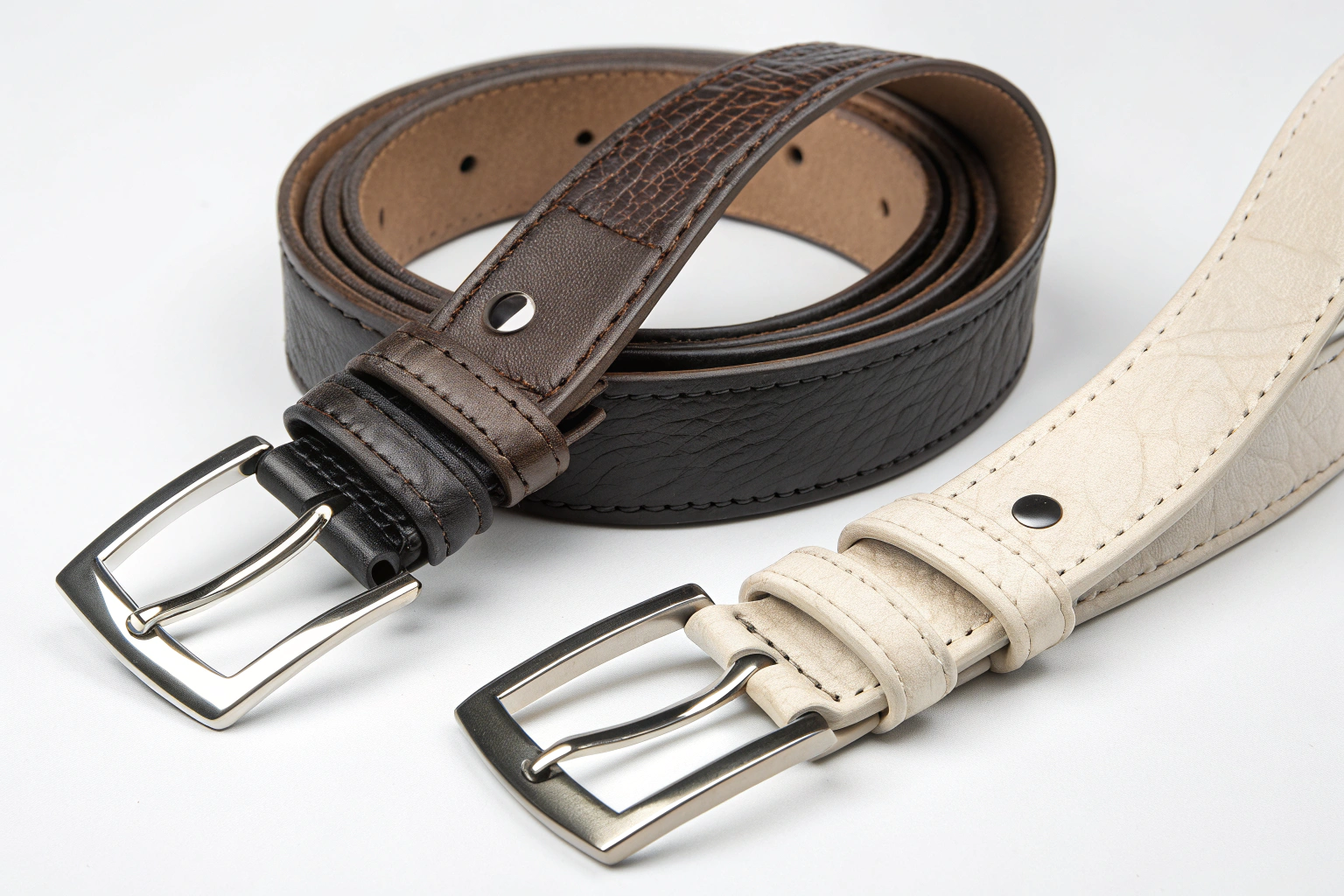
For fashion brands, accessory designers, and product managers, building a cohesive and successful belt line requires foundational decisions about materials. Two of the most popular and distinct leathers—cowhide and lambskin—offer vastly different value propositions. Choosing between them isn't just about cost; it's about defining your brand's identity, target customer, and product lifecycle. A rugged, durable cowhide belt and a soft, luxurious lambskin belt serve different masters. Understanding their intrinsic properties and market fit is crucial to making an investment that aligns with your business goals and resonates with your audience.
The choice between cowhide and lambskin for your belt line hinges on your brand's positioning, price point, target use case, and desired customer perception. Cowhide is the choice for durability, classic structure, and value-driven longevity, ideal for everyday wear, work belts, and rugged styles. Lambskin is the choice for luxury, exceptional softness, and lightweight draping, perfect for high-fashion statements, delicate dress belts, and premium, tactile experiences.
Making the right choice means looking beyond the leather itself to the entire story you want to tell and the experience you want to deliver. Let's dissect the key factors to guide this critical decision.
What are the fundamental differences in durability and texture?
The core distinction lies in the physical structure of the leather, which dictates how the belt will look, feel, and wear over time. This is the most immediate factor influencing customer perception and product longevity.
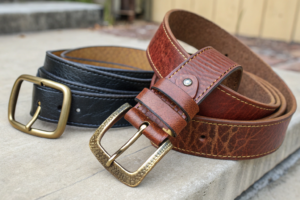
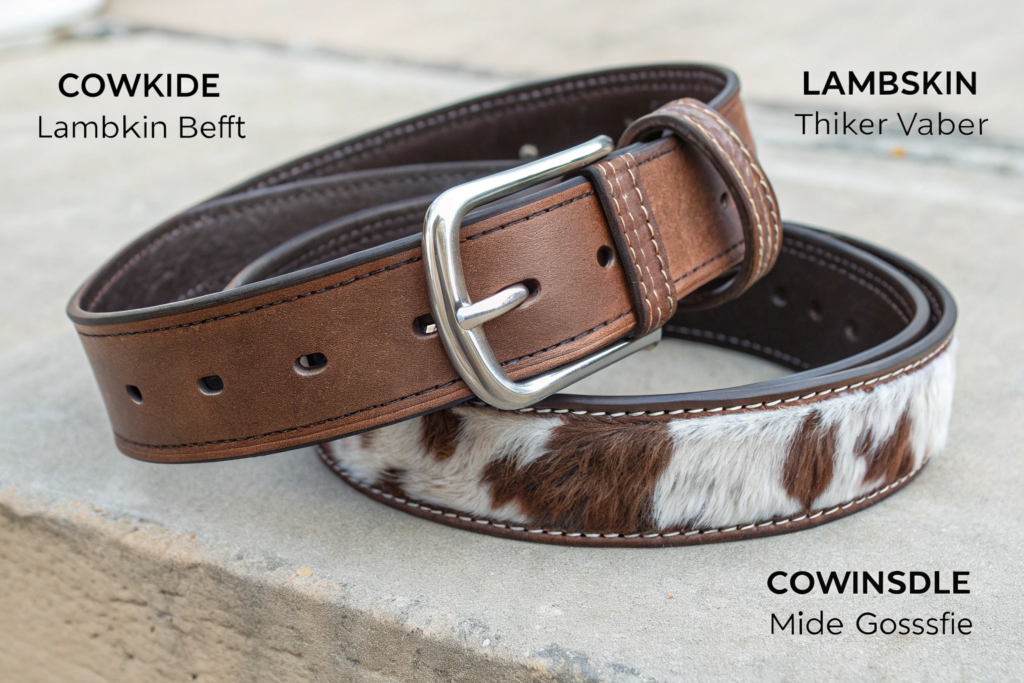
Cowhide leather is denser and thicker, with a more pronounced grain pattern, resulting in a belt that is highly durable, scratch-resistant, and maintains its shape rigidly. Lambskin leather is significantly finer and softer, with a smooth, almost velvety nap, resulting in a belt that is lightweight, pliable, and drapes elegantly but is more susceptible to scuffs and surface wear.
This isn't a matter of one being "better" than the other; it's about suitability. A cowhide belt is built like a workhorse; a lambskin belt is crafted like a piece of fine apparel.
How does grain structure impact the belt's lifespan and "break-in" period?
The grain structure is the leather's top layer and is a key indicator of quality and performance.
- Cowhide (Full-Grain/Top-Grain): Tight, dense fiber structure. A full-grain cowhide belt will have a long, tough "break-in" period but, once molded, will last for decades, developing a rich patina that enhances its character. It resists deformation and tearing.
- Lambskin: Looser, finer fiber structure. It has virtually no "break-in" period—it is soft and comfortable from the first wear. However, its lifespan is shorter. The delicate grain is prone to marking, and the belt may stretch more over time, requiring careful handling. It is the epitome of "luxury" but not "hard use."
For a product line, this means positioning: cowhide for heirloom quality and durability, lambskin for immediate comfort and seasonal or occasion-focused fashion.
Which leather offers more versatility in finishing and embossing?
This affects your design possibilities.
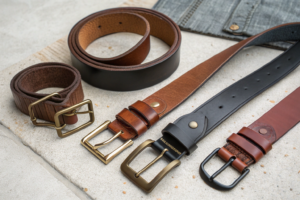
- Cowhide: Its robust nature makes it an excellent canvas for various finishes. It can be heavily embossed with patterns (like crocodile or lizard), sanded to create nubuck, polished to a high gloss, or oiled for a rugged look. It holds textures and dyes very well.
- Lambskin: Its delicate surface is best suited to subtle aniline dyes that enhance its natural softness and slight sheen. Deep embossing can damage the fragile grain. It is often used in its natural, smooth state or with very light printing. Its versatility lies in color and drape, not in textured effects.
If your line relies on bold textures and treatments, cowhide is the necessary foundation. If it relies on sublime color and a buttery hand-feel, lambskin is superior.
How do cost and sourcing considerations differ?
The financial and supply chain implications of your choice are substantial and will affect your margins, pricing strategy, and inventory management. This is a critical business decision, not just an aesthetic one.
Cowhide is generally more cost-effective and easier to source consistently in large quantities. Its widespread use in various industries creates a stable market. Lambskin is a premium material, often 2-4 times more expensive per square foot, with more limited and variable supply due to smaller hide sizes and specific rearing conditions, leading to higher minimum order quantities and cost.
Your target price point is a decisive factor here. A mass-market or mid-tier brand will find cowhide aligns with accessible pricing. A luxury or contemporary fashion brand can leverage lambskin's cost to justify a higher retail price and exclusivity.
What drives the price premium for high-quality lambskin?
The price premium for lambskin is driven by scarcity, processing complexity, and perceived luxury.
- Scarcity & Size: Lambs are much smaller than cattle, yielding far less usable leather per animal. To produce a belt, more hides are needed, increasing material and handling costs.
- Tanning & Handling: The delicate nature of lambskin requires more careful, often manual handling during the tanning and finishing processes to avoid tears or marks, which adds labor cost.
- Quality Tiers: The finest lambskin comes from specific breeds and is graded for flawless, supple skins. This "first pick" commands top dollar, much like the finest grades of cashmere.
- Luxury Association: Its use by premier fashion houses in gloves, jackets, and high-end accessories cements its luxury status, allowing brands to command higher prices.
When sourcing, you must work with a supplier who can provide transparency on the grade and origin of the lambskin, as quality variations significantly impact the final product's look and cost.
Is cowhide more sustainable due to its by-product status?
Both leathers are typically by-products of the meat industry. The sustainability argument often favors cowhide from a yield-efficiency perspective. One cowhide can produce many belts, maximizing the use of the animal. The larger scale of cattle farming also means there are more established, auditable supply chains for sustainable leather initiatives, such as those certified by the Leather Working Group (LWG).
However, "sustainability" is multifaceted. Some luxury brands argue that using the full skin of lambs raised for meat in a responsible, traceable system is also a form of ethical sourcing. The key for your brand is traceability and transparency, regardless of leather type. Consumers increasingly demand to know the story behind the material.
Which target markets and styles align with each leather?
Your choice of material sends a direct signal to your customer. It pre-qualifies the user and defines the appropriate occasion for wear. Aligning leather with market expectation is essential for commercial success.
Cowhide belts align with markets seeking durability, heritage, and classic style: professionals needing a reliable dress belt, outdoor/rugged lifestyle consumers, fans of heritage and workwear brands, and value-focused shoppers. Lambskin belts align with fashion-forward, luxury, and comfort-driven markets: contemporary fashion retailers, luxury accessory brands, consumers seeking "second-skin" softness for high-fashion silhouettes, and those purchasing for special occasions.
Mismatching material and market leads to customer dissatisfaction—a delicate lambskin belt will disappoint someone looking for a tough daily driver, and a thick cowhide belt will feel out of place in a luxury eveningwear context.
What styles are inherently suited to cowhide's robust nature?
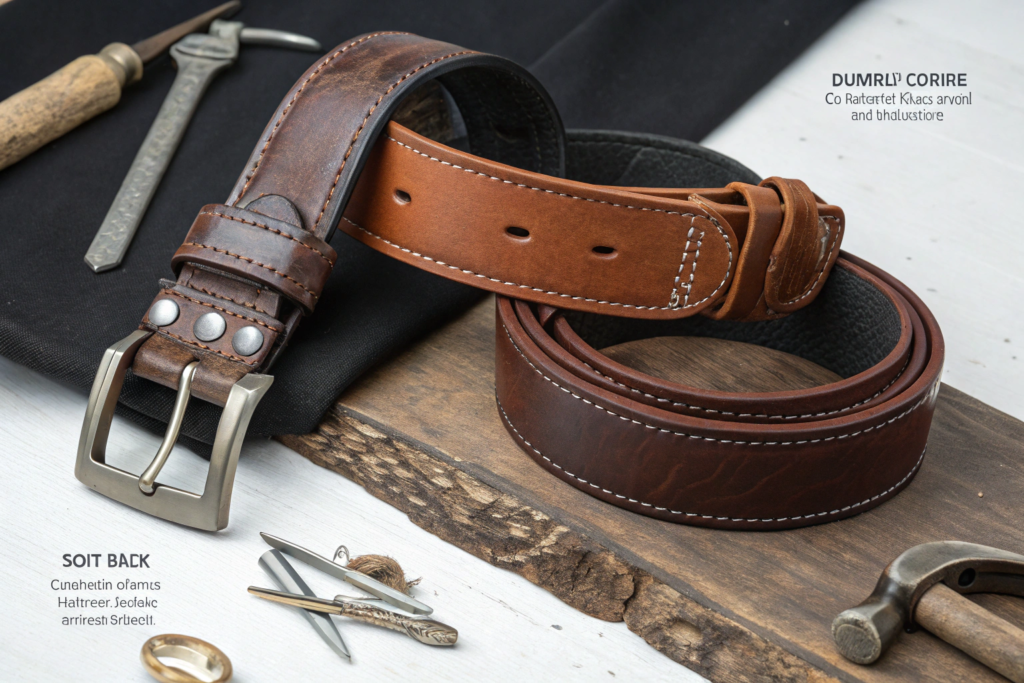
Cowhide's robustness makes it the undisputed king for specific styles:
- Dress Belts (Business): Especially in polished calfskin (a younger cowhide), it provides the sharp, structured look required for formal wear.
- Casual & Work Belts: Thick, oil-tanned or waxed cowhide is perfect for jeans, chinos, and actual work environments.
- Western/Heritage Belts: Tooling, embossing, and heavy buckle styles require the strength of cowhide.
- Reversible Belts: The need for durability on both sides makes sturdy cowhide a practical choice.
These styles benefit from cowhide's ability to hold a sharp edge, support heavy buckles, and withstand frequent use. It's the default choice for core product lines that form the backbone of a brand's offering.
How does lambskin cater to contemporary and high-fashion aesthetics?
Lambskin is a darling of the fashion world for good reason:
- Minimalist & Sleek Belts: Its ability to drape and conform creates a flawless, seamless look with the body, perfect for slim-fit trousers and minimalist aesthetics.
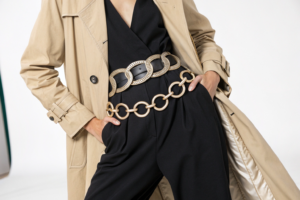
- Statement Fashion Belts: Used in wide belt styles or unusual colors, its luxurious drape creates a dramatic, apparel-like effect.
- Women's Fashion Belts (and unisex): Its softness and flexibility have made it a long-time favorite in women's accessories, and this is crossing over into avant-garde men's fashion.
- Luxury Packaging: The unboxing experience of a lambskin belt feels inherently premium, enhancing perceived value.
For brands featured in publications like Vogue Business or targeting high-end department stores, lambskin provides the material pedigree and tactile sensation that justifies a premium position.
How should care, maintenance, and marketing messaging differ?
The post-purchase experience and the story you tell are radically different for each leather. Your customer education and brand communication must be tailored accordingly to manage expectations and ensure satisfaction.
Cowhide belt marketing should emphasize longevity, heritage, and developing a personal patina. Care instructions focus on occasional conditioning and brushing. Lambskin belt marketing should emphasize luxury, instant comfort, and exquisite texture. Care instructions must be detailed, warning against moisture, abrasion, and recommending professional cleaning, positioning it as a delicate investment piece.
Selling a lambskin belt without proper care guidance is a recipe for returns and negative reviews. Selling a cowhide belt without celebrating its evolving character misses a key emotional selling point.
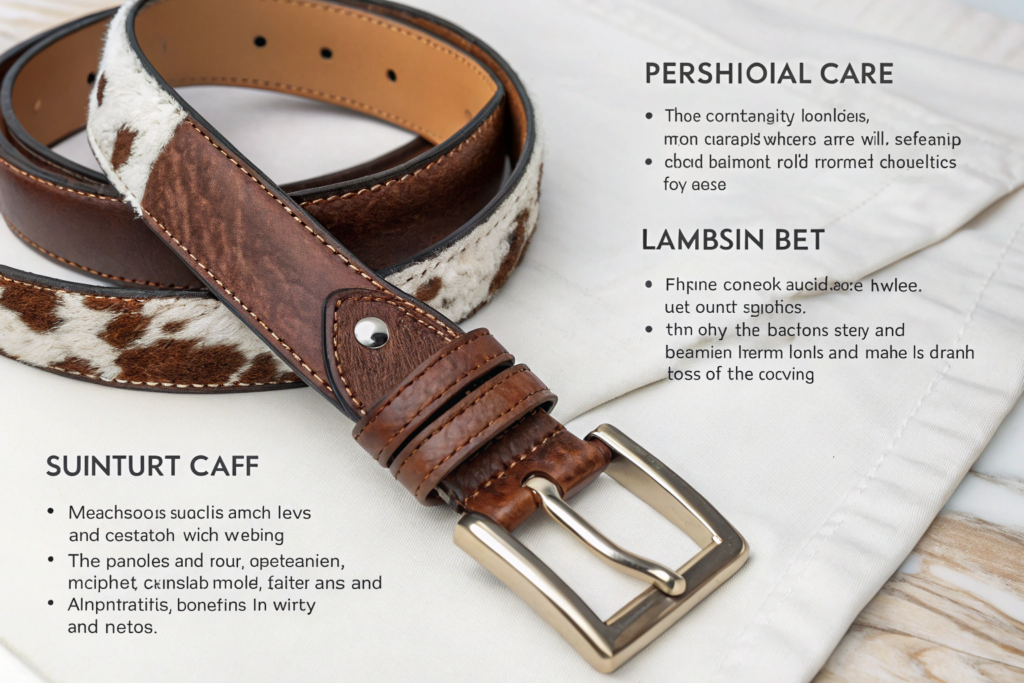
What are the key care instructions for each to ensure customer satisfaction?
Providing clear care instructions is a critical part of your product's success.
- For Cowhide Belts:
- "Condition with a leather cream every 6-12 months to maintain suppleness."
- "Use a soft brush to remove dirt. Allow to dry naturally if wet."
- "The belt will develop a unique patina over time, which adds to its character."
- For Lambskin Belts:
- "Avoid contact with water, oils, and denim to prevent dye transfer."
- "Store flat or rolled, not on a tight hanger, to prevent creasing."
- "Clean only with a soft, dry cloth. For stains, consult a professional leather cleaner immediately."
- "This is a delicate leather; handle with care to preserve its beautiful surface."
Including a branded care card with specific, illustrated steps reduces post-purchase friction and positions your brand as conscientious and professional.
How does the "story" or brand narrative change with the material?
The brand narrative you craft is inherently tied to your material choice.
- The Cowhide Story: This is a story of resilience, craftsmanship, and timelessness. It's about sourcing the best hides, traditional tanning methods, and creating a product meant to be a loyal companion for years. It connects to values of authenticity and substance.
- The Lambskin Story: This is a story of luxury, sensuality, and modern refinement. It's about selecting the most supple skins, expert tailoring, and creating an object of desire that feels incredible against the skin. It connects to values of indulgence and sophisticated taste.
Your website copy, packaging, and social media content should consistently reflect this chosen narrative. It's not just selling a belt; it's inviting the customer into a specific world defined by the material at its core.
Conclusion
Choosing between cowhide and lambskin for your belt line is a strategic decision that defines your product's character, cost structure, target audience, and brand story. Cowhide offers the reliable, durable foundation for a broad, everyday collection, appealing to customers who value longevity and classic style. Lambskin offers a gateway to the luxury and high-fashion segments, appealing to customers who prioritize supreme comfort, tactile luxury, and contemporary design.
There is no universally correct answer, but there is a correct answer for your brand's vision. By carefully weighing durability needs, cost parameters, target market desires, and the narrative you wish to tell, you can select the leather that will become the authentic heart of your product line. As a factory with deep expertise in both materials, we can guide you through sourcing, development, and positioning. To discuss which leather is the right foundation for your next collection, contact our Business Director, Elaine, at elaine@fumaoclothing.com. Let's build a line that is not only beautiful but built on the right choice.