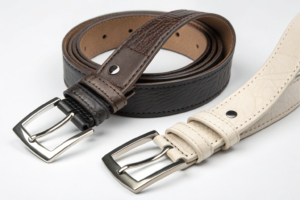
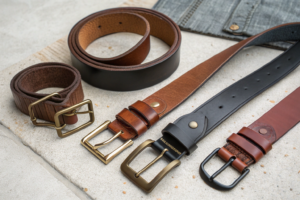
In the cyclical world of fashion, silhouettes rise, fall, and return with new context. A striking example of this revival is the resurgence of wide belts and obi belts in women's fashion. These are not the skinny, discreet belts of the minimalist 2010s; they are bold, architectural accessories that command attention and redefine the female form. For designers, retailers, and style-conscious consumers, this comeback is more than a nostalgic trend—it's a powerful response to contemporary desires for empowerment, versatility, and sustainable styling. So, what is driving this renewed embrace of the dramatic waist-cincher?
Wide belts and obi belts are making a comeback because they directly address current fashion and cultural priorities: the celebration of defined silhouettes and "waist training" aesthetics, the rise of "quiet luxury" that values transformative accessories over logos, the need for versatile pieces that refresh existing wardrobe staples, and a broader movement towards gender-fluid and architectural shapes borrowed from traditional dress. They offer instant structure, proportion play, and a touch of ceremonial elegance to modern outfits.
This trend signifies a shift from clothing that simply drapes to clothing that sculpts. It’s about intentionality, transforming the body into a canvas for silhouette and statement. Let's cinch in on the reasons behind this powerful return.
How do these belts cater to the modern desire for silhouette definition?
In an era dominated by oversized "boyfriend" blazers, slouchy trousers, and sack dresses, there is a countervailing craving for definition and shape. Wide and obi belts are the ultimate tools for creating this contrast, offering instant waist emphasis and proportion control.
These belts cater to the modern desire for silhouette definition by acting as an architectural element that interrupts fluid silhouettes, creating a focal point at the narrowest part of the torso. They visually "train" the waist, offering the satisfaction of a sharp, tailored look without the permanence of structured undergarments. This play between loose and tight, soft and hard, is a cornerstone of contemporary high-fashion styling.
This is not about restrictive corsetry but about choice and control. The wearer can decide to define her shape dramatically on any given day, turning an androgynous or forgiving outfit into one that is powerfully feminine or sculpturally interesting.
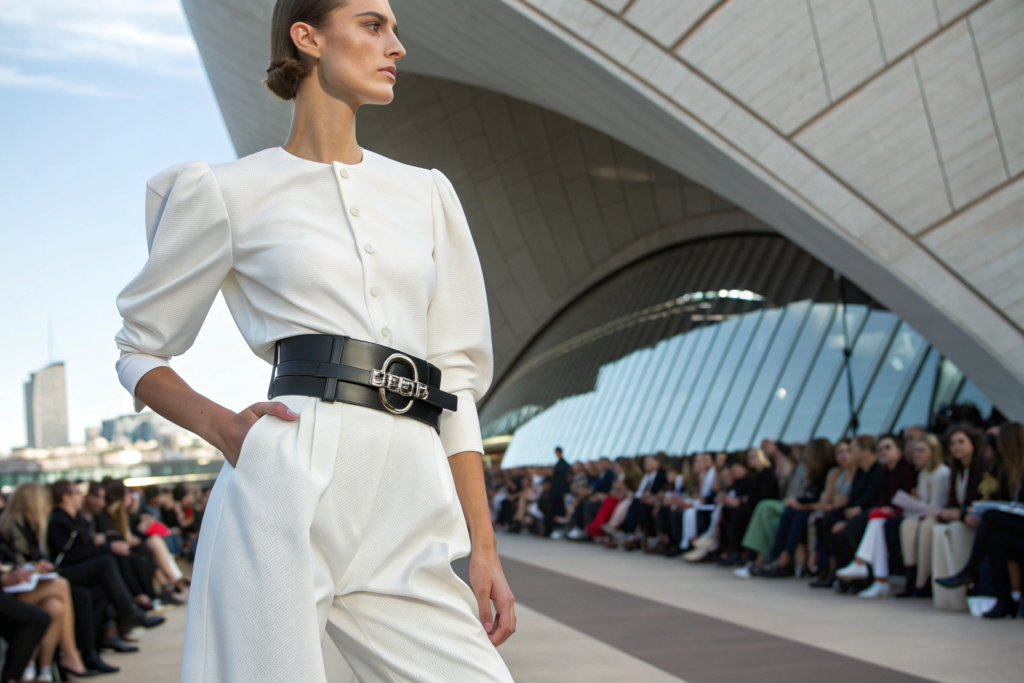
Why is the "hourglass moment" so resonant in current trends?
The "hourglass moment" resonates because it represents a celebration of overtly feminine, confident shaping at a time when body positivity and self-defined beauty standards are central to cultural conversations. It’s a reclaiming of a classic silhouette on new terms.
- Nostalgia with a Twist: It references powerful style eras like the 1940s and 1950s (think Dior's New Look) or the power-dressing 1980s, but without the rigidity. The modern take is often over contemporary fabrics like knits or technical fabrics, making it feel fresh.
- Social Media Visual Impact: A cinched waist creates a highly photogenic, dramatic silhouette that performs exceptionally well on visual platforms like Instagram and TikTok. The "before and after" effect of adding a wide belt is instantly gratifying and shareable.
- Empowerment Through Shape: For many, creating this defined shape is an act of sartorial empowerment, a way to command space and presence. This aligns with broader movements in women's fashion towards dressing for oneself.
Can wide belts work with today's relaxed, oversized clothing?
Absolutely. This is where their magic is most potent. The key to modern styling is juxtaposition.
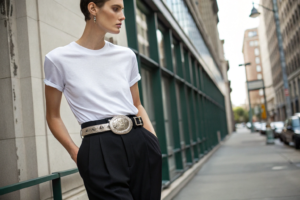
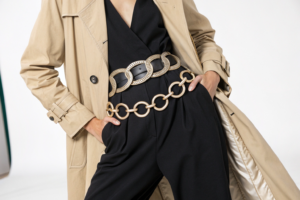
- Over Oversized Blazers or Shirts: A wide leather belt cinched over a long, slouchy blazer transforms it into a chic, belted dress or a sharp tunic-and-leggings look.
- With Slip Dresses and Knits: A wide belt adds structure to soft, drapey materials, preventing them from looking shapeless and elevating them from loungewear to high-fashion.
- Over Sweaters and T-shirts: This simple trick adds intentionality to basic casual wear, creating a polished, put-together outfit with minimal effort.
This versatility makes the wide belt a wardrobe hero, a single accessory that can redefine multiple items already in one's closet, aligning perfectly with a more sustainable, "buy less, style more" philosophy.
What is driving the specific revival of the obi belt?
The obi belt—a wide, sash-like belt inspired by the traditional Japanese obi worn with kimono—brings a distinct cultural and aesthetic layer to the trend. Its revival is tied to a deeper appreciation for global craftsmanship, gender-fluid design, and minimalist ceremony.
The obi belt revival is driven by the fashion world's enduring fascination with Japanese design principles (minimalism, architectural shape, and artisanal detail), the blurring of lines between East-West aesthetics, and the desire for belts that feel more like wearable art or sculptural pieces rather than mere fasteners. Their wrap-and-tie or buckle closure offers a unique, adjustable, and often softer alternative to rigid Western belt styles.
It represents a more poetic, less hardware-driven approach to waist definition.
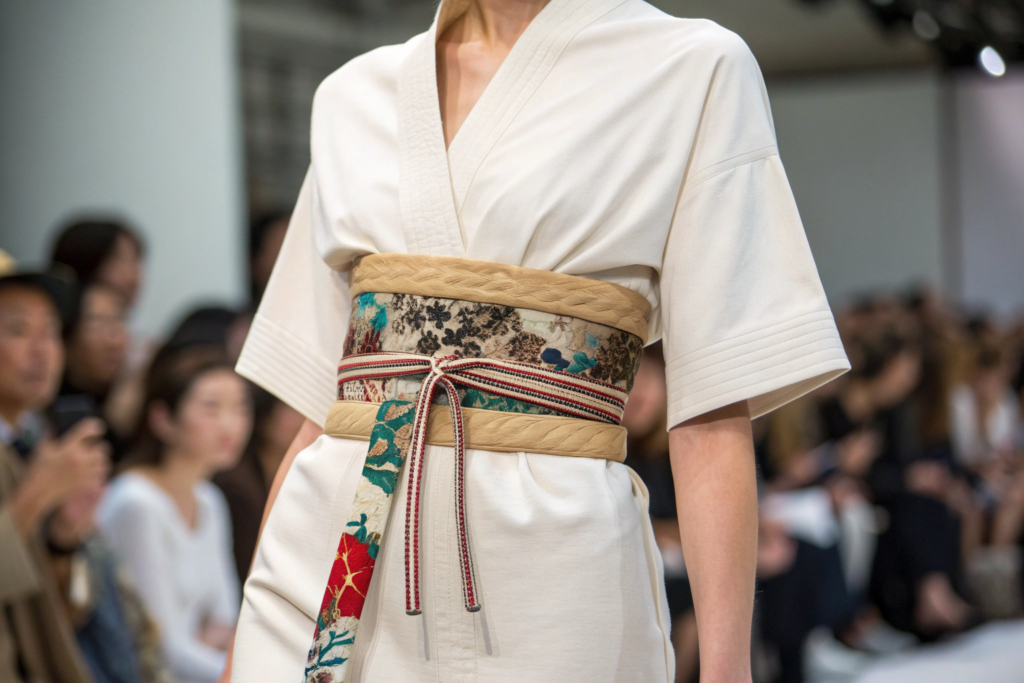
How does the obi belt's design philosophy differ from a typical wide belt?
While both cinch the waist, their design languages differ:
- Typical Wide Belt: Often relies on a prominent buckle (a statement plate, a large clasp) as its focal point. It is structured, often made of stiff leather or heavy fabric, and creates a very defined, geometric interruption.
- Obi Belt: The focus is on the wrap, the knot, or a simple hook closure. It is often made of softer, pliable materials like silk, suede, or a wide woven fabric. Its aesthetic is more about fluidity, draping, and the artistry of the tying method itself. It can create a softer, more organic silhouette.
The obi belt often carries connotations of ceremony, mindfulness, and artisan textile appreciation, appealing to a consumer interested in the story and origin of their accessories.
Is the obi trend an example of cultural appreciation or appropriation?
This is a crucial consideration for brands. The line hinges on respect, context, and credit.
- Appreciation: Using the obi silhouette as inspiration in a way that honors its origins—perhaps through collaboration with Japanese artisans, using traditional dyeing techniques (like shibori), or clearly referencing the inspiration in marketing materials. It treats the form as a starting point for respectful dialogue.
- Appropriation: Mass-producing a cheap, diluted version of a sacred or ceremonial garment without context, credit, or understanding, purely for profit and trend.
The most responsible approach for brands is to engage deeply with the inspiration, ensure designs are not replicating sacred or specific ceremonial items, and communicate the cultural reference with respect and transparency. This thoughtful approach aligns with the values of the conscious consumer driving much of this trend.
How are sustainability and versatility linked to this trend?
In a market increasingly wary of fast fashion, accessories that offer high impact with low environmental cost are king. Wide and obi belts are sustainability champions in several key ways.
Their sustainability and versatility are linked through the "style refresh" principle. A single, well-made wide belt can transform dozens of existing garments in a woman's wardrobe—turning a dress into a two-piece set, defining a shapeless coat, or updating last season's tunic—delaying the need for new clothing purchases. This "accessory-led" approach to style is inherently more sustainable than buying entirely new outfits.
Investing in one high-quality, timeless belt made from durable materials (like vegetable-tanned leather or deadstock fabric) has a lower long-term environmental impact than purchasing multiple low-quality, trend-specific tops or dresses.
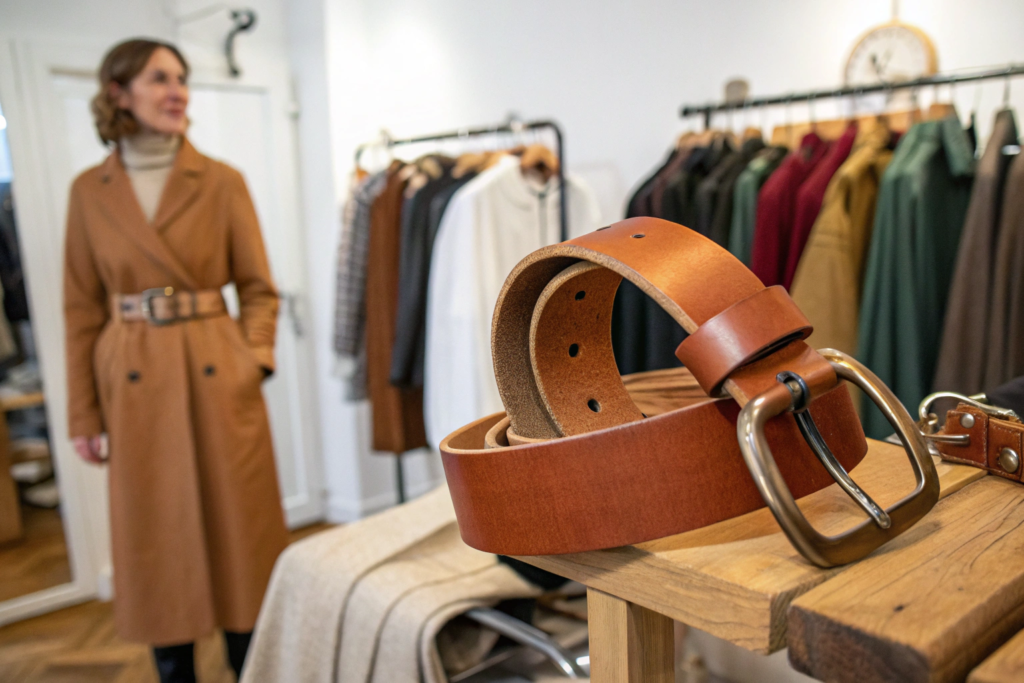
Why does this trend encourage a "capsule wardrobe" mentality?
The wide belt is a quintessential capsule wardrobe tool. It acts as a style multiplier.
- Maximizes Outfit Options: With a core wardrobe of neutral basics (a black dress, white shirt, tailored trousers, denim), adding a statement belt creates distinct, new looks from the same pieces.
- Reduces Decision Fatigue: Having a go-to accessory that instantly polishes and defines an outfit simplifies the dressing process.
- Encourages Quality Over Quantity: It shifts the purchasing focus from numerous disposable garments to a few, high-impact, durable accessories.
This mentality is economically and environmentally sensible, and it resonates deeply with consumers seeking to curate a more intentional personal style.
How can brands market these belts as sustainable investments?
Marketing should focus on long-term value and transformative power.
- "One Belt, Many Looks" Campaigns: Showcase the same belt styled with 5-7 different outfits in a customer's existing wardrobe (e.g., over a dress, with jeans and a sweater, cinching a blazer).
- Material Storytelling: Highlight the use of sustainable materials—upcycled leather, organic cotton, GOTS-certified fabrics, or eco-friendly dyes.
- Craftsmanship and Durability: Emphasize artisanal construction meant to last for years, not seasons. Position the belt as a future heirloom.
- Educational Content: Create blog posts or social media content teaching customers how to style wide belts to refresh their wardrobe, positioning the brand as a style partner in sustainable living.
This approach builds brand loyalty by selling a solution (versatility, sustainability) rather than just a product.
What should you look for when sourcing or buying a quality wide or obi belt?
Whether you're a brand building a collection or a consumer making an investment, recognizing quality is key to ensuring the belt is both beautiful and functional, not a fleeting trend piece that falls apart.
When sourcing or buying, prioritize: the material's durability and drape (sturdy yet flexible leather for wide belts, dense woven fabric for obi belts), the integrity of the hardware (buckles, hooks, or eyelets should be solid metal and securely attached), the quality of construction (reinforced stitching, finished edges, neat lining), and the versatility of the design (a neutral color or classic pattern will have more styling longevity than an overly trendy one).
A well-made belt will lie flat, hold its shape when fastened, and adjust comfortably without buckling or twisting.
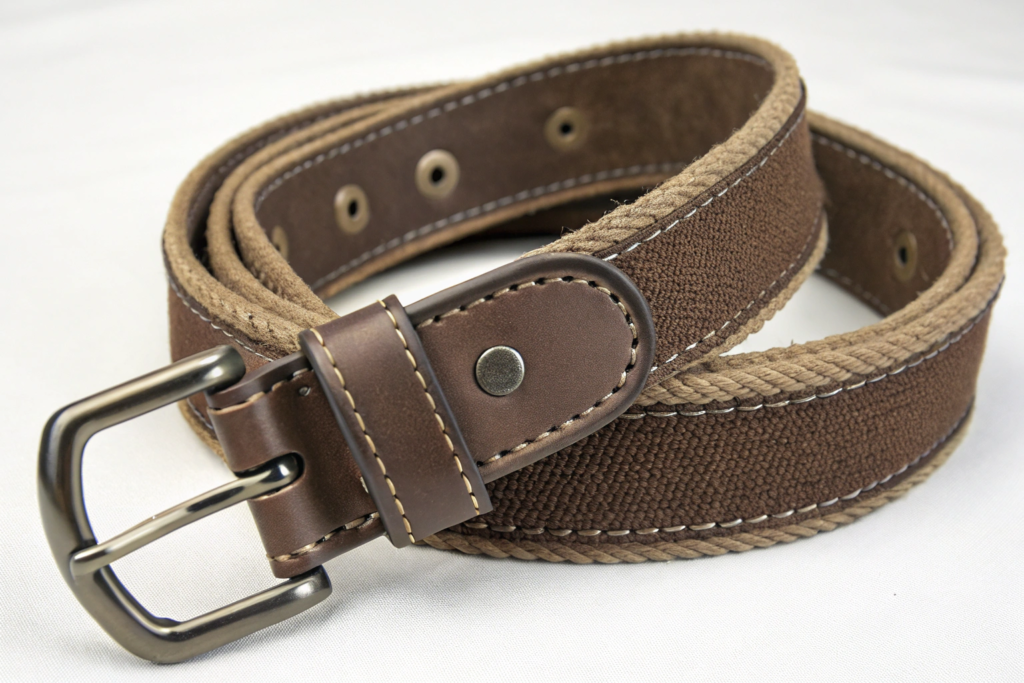
How is the closure mechanism critical for function and aesthetics?
The closure mechanism defines both usability and style.
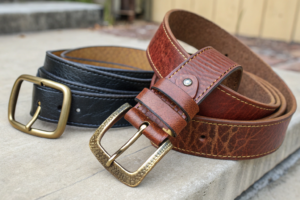
- Buckle Closures (for Wide Belts): Look for a robust mechanism. A pin buckle offers a classic look but limited adjustability. A plate buckle or adjustable slide buckle (common on obi-style belts) offers more flexibility for a perfect fit. The buckle should be proportional to the belt's width.
- Hook-and-Eye or Tie Closures (for Obi Belts): Hooks should be strong and smoothly finished to not snag clothing. For tie closures, the length of the ties must be sufficient to create a secure, aesthetic knot or bow. The closure should feel secure and lay flat when fastened.
The mechanism should feel substantial and operate smoothly—a sign of good manufacturing quality.
What are the key signs of poor construction to avoid?
Be wary of belts that exhibit:
- Flimsy Materials: Leather that feels like painted paper, or fabric that is thinly woven and prone to fraying.
- Poor Stitching: Uneven, loose, or already unraveling stitches, especially at stress points like the buckle attachment or the ends of the belt.
- Cheap Hardware: Lightweight, plastic-feeling buckles or hooks that are painted (the paint will chip) rather than solid metal or quality plating.
- Unfinished Edges: Rough, raw, or glued edges on the leather or fabric that will degrade quickly with wear.
- Warping: The belt does not lie flat when unfastened, indicating poor material quality or improper curing.
For brands, sourcing from factories with expertise in leather goods or structured accessories, not just general apparel, is crucial to avoid these pitfalls.
Conclusion
The comeback of wide belts and obi belts in women's fashion is a meaningful convergence of style, substance, and self-expression. It answers a call for defined silhouettes in an oversized world, offers a tool for sustainable wardrobe revitalization, and incorporates global design influences with (when done respectfully) depth and beauty. This trend empowers the wearer to architect her own look daily, transforming the mundane into the magnificent with a single, intentional cinch.
For brands, this represents an opportunity to create high-value, versatile accessories that customers will keep and use for years. For the fashion-conscious individual, it’s an invitation to play with proportion and rediscover the power of a defined waist. The trend is a reminder that sometimes, the most impactful style innovations are not new garments, but new ways of wearing what we already have. If you are looking to source or develop a collection of high-quality, on-trend wide or obi belts, our design and manufacturing expertise can help bring your vision to life. Contact our Business Director, Elaine, at elaine@fumaoclothing.com to define the future of your accessory line.