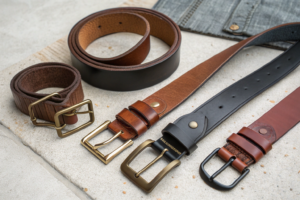
In the world of belts, few customer pain points are as universal and frustrating as sizing. The struggle between "one hole is too tight, the next is too loose" is a daily annoyance for millions. This sizing imprecision leads to discomfort, a compromised silhouette, and often, product returns. For brands, this translates into lost sales, increased operational costs, and customer dissatisfaction. Enter the automatic buckle belt, commonly known as the ratchet belt—a simple yet revolutionary design that doesn't just address sizing issues; it obliterates them. By replacing traditional holes with a precision micro-adjustment system, it offers a tailored fit for every body, every day.
Automatic buckle belts solve customer sizing issues by eliminating fixed hole spacing, allowing for millimeter-perfect, incremental adjustments (typically every ¼ inch or 6mm). This provides a truly customized fit that adapts to changes in bloating, clothing layers, and weight fluctuations throughout the day, ensuring consistent comfort and a polished look without the need for an exact pre-determined belt size.
This innovation transforms the belt from a static, one-size-fits-some accessory into a dynamic, responsive tool for personal comfort and style. Let's explore the mechanics and benefits that make this a game-changer for both consumers and brands.
What is the core mechanism behind the precise fit?
The magic of the ratchet belt lies in its elegantly simple engineering, which swaps the age-old pin-and-hole system for a more precise, gear-like engagement. Understanding this mechanism is key to appreciating its problem-solving power.
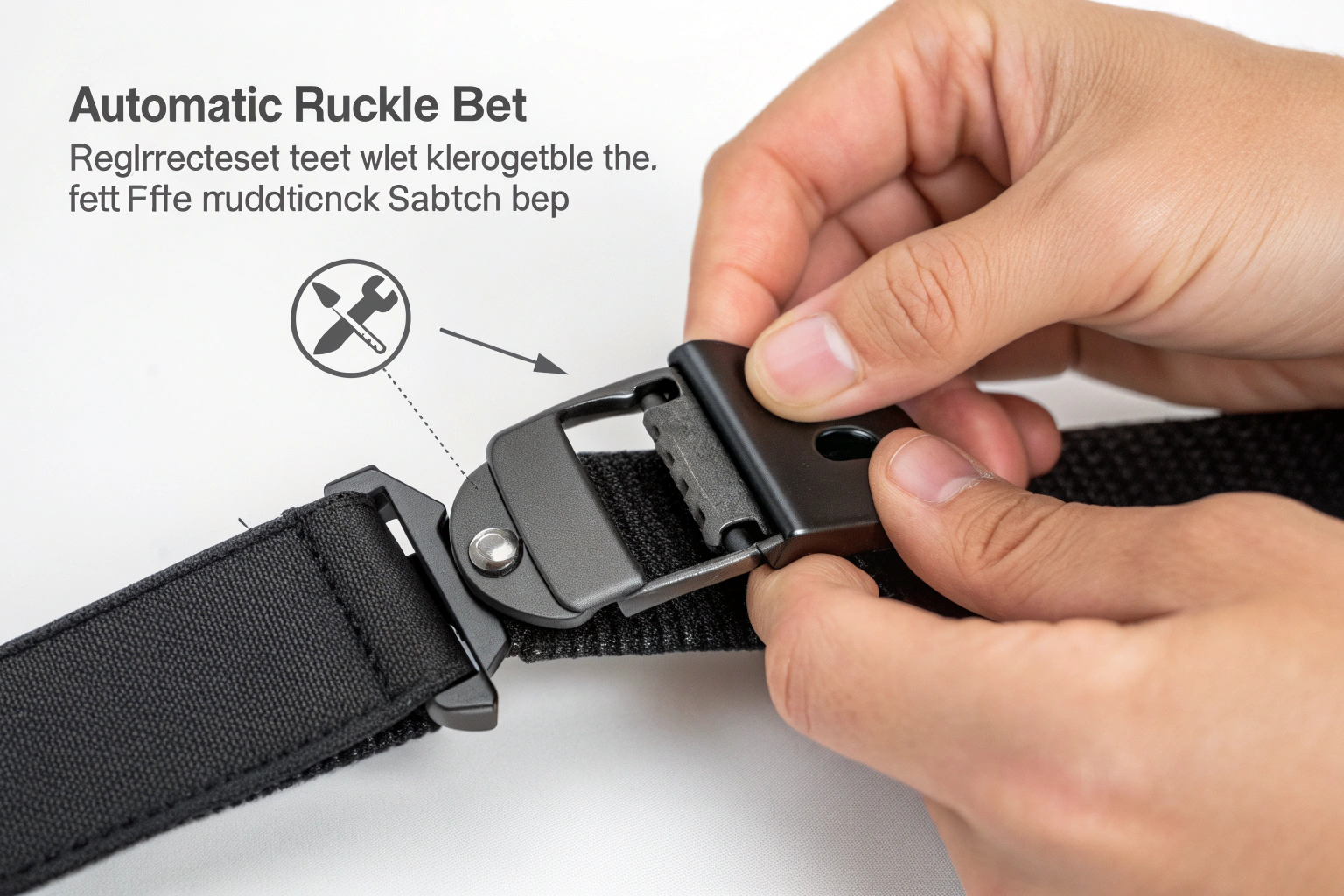
The core mechanism is a ratchet and pawl system integrated into the buckle. The belt strap has a track of fine, evenly-spaced teeth or ridges along its length. Inside the buckle, a spring-loaded metal pawl clicks into these teeth. To tighten, the user simply pulls the free end of the belt—the pawl clicks forward over the teeth, holding the belt securely at that exact spot. To loosen, a button or lever on the buckle retracts the pawl, allowing the belt to slide freely.
This system creates a continuous spectrum of secure fit points, not just 5 or 7 discrete options. The adjustment is as fine as the spacing of the teeth, offering a level of customization previously impossible with traditional belts.
How does the tooth spacing compare to traditional hole spacing?
This is where precision is quantified.
- Traditional Hole Belt: Holes are typically spaced 1 inch (25mm) apart. This large gap is the root of the sizing problem.
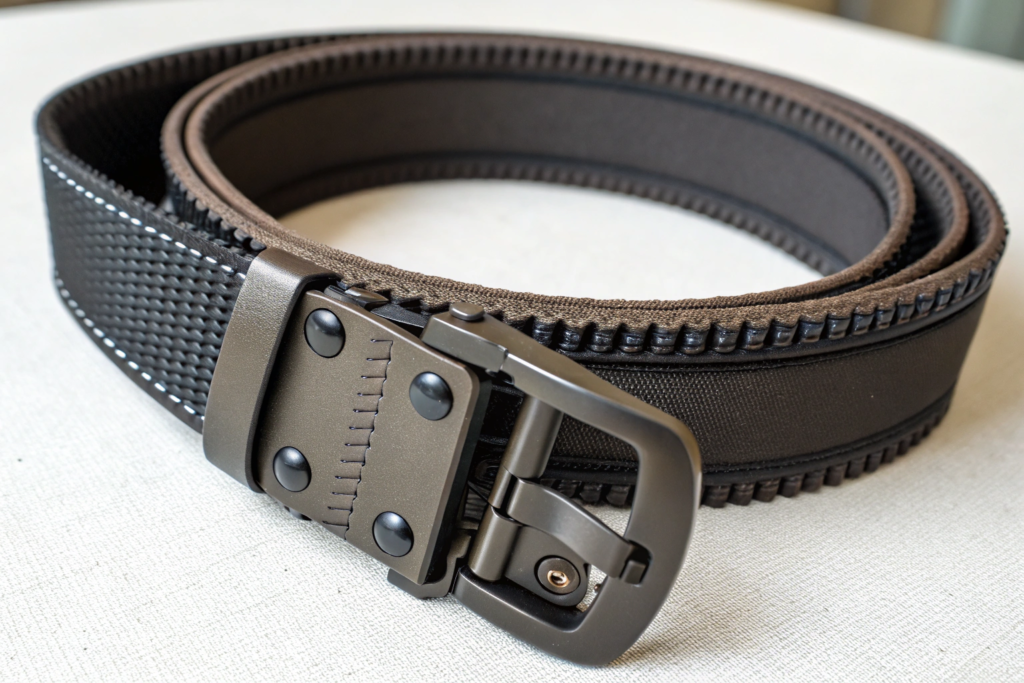
- Automatic Ratchet Belt: Teeth are spaced as closely as ¼ inch (6mm) or even 5mm apart. This creates 4x to 5x more adjustment points within the same length of strap.
The practical impact is profound. Instead of choosing between two uncomfortable positions, the wearer can find the single, perfect position that offers ideal tension. This is especially critical for dress belts where a clean, smooth drape over the hip is essential for a professional appearance.
Why is the release mechanism crucial for user experience?
A secure hold is worthless if it's difficult to release. The release mechanism—usually a button or a lever—must be intuitive, reliable, and require minimal force.
- Ergonomics: The button should be easy to locate by touch and press without pinching the finger.
- Audible & Tactile Feedback: A satisfying "click" on engagement and disengagement confirms the action to the user.
- Safety: The mechanism should prevent accidental release, ensuring the belt stays fastened during daily activities.
A well-designed release mechanism makes the belt feel high-tech and dependable, building user trust. A poorly designed one can feel cheap and frustrating, negating the core benefit. This is a critical focus in product development and quality control.
How does this solve common customer pain points?
The ratchet system directly attacks the most frequent complaints associated with belt ownership, turning points of frustration into features of superiority.
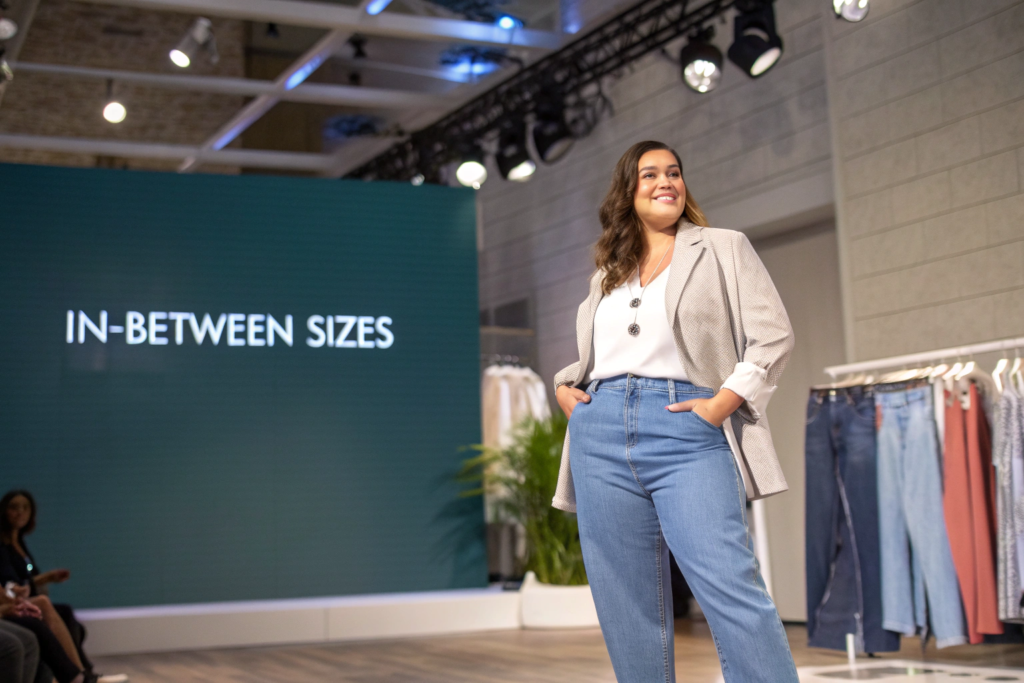
It solves pain points by: 1) Eliminating the "in-between sizes" dilemma entirely. 2) Accommodating daily fluid weight and bloating changes effortlessly. 3) Providing a perfect fit over different pant fabrics and layers (e.g., a thin suit pant vs. thick denim). 4) Drastically reducing the likelihood of returns due to incorrect size ordering. 5) Offering a consistent, comfortable fit that doesn't dig in or sag.
For the customer, it removes guesswork and anxiety from the buying and wearing process. For the brand, it builds loyalty and reduces costly reverse logistics.
Can it truly accommodate weight fluctuations and different clothing layers?
Absolutely, and this is one of its most appreciated everyday benefits. The body's circumference changes throughout the day due to meals, hydration, and posture. Seasonally, clothing layers change from a thin shirt to a thick sweater.
- Micro-Adjustment in Action: After a large lunch, the wearer can discreetly loosen the belt by one or two clicks (a 6-12mm adjustment) for comfort. When wearing a heavy winter coat over jeans, they can add a click for a secure fit over the bulkier layers.
- Long-Term Flexibility: For individuals on a fitness journey, losing or gaining 10-15 pounds may not require buying a new belt. The ratchet system's range can often accommodate this change within a single strap, making it a more sustainable and cost-effective choice.
This adaptability makes the automatic buckle belt an ideal travel belt and a versatile everyday belt, as it seamlessly fits into a dynamic lifestyle.
How does it reduce sizing-related returns and increase customer satisfaction?
Sizing-related returns are a major e-commerce headache. Ratchet belts combat this in two ways:
- Simplified Size Selection: Instead of choosing from 10+ precise waist sizes (32, 34, 36, etc.), customers often only need to choose between Small, Medium, Large based on a range. The ratchet mechanism handles the fine-tuning. This reduces pre-purchase anxiety and incorrect selections.
- Guaranteed Post-Purchase Fit: Even if the initial setting isn't perfect, the customer can easily adjust it to perfection at home. They are not stuck with a belt that is fundamentally the wrong size.
The result is a dramatic reduction in "Doesn't Fit" returns. Furthermore, the "wow" moment of experiencing a perfect fit for the first time generates powerful positive reviews and word-of-mouth referrals, directly boosting customer satisfaction and lifetime value.
What are the style and design implications for brands?
Adopting automatic buckle technology doesn't mean sacrificing style. On the contrary, it opens up new design avenues and allows brands to cater to previously underserved markets with both innovation and aesthetic appeal.
The style implications are significant: the buckle design becomes a modern, clean focal point, often with a sleek, low-profile silhouette. It allows for the creation of truly unisex belts due to its adjustable nature. Brands can also innovate with interchangeable buckle systems, where customers can swap different buckle faces onto a single ratcheting strap, creating multiple looks from one core product.
The ratchet buckle itself can be crafted from various materials—brushed stainless steel for a tech-forward look, matte black PVD for tactical style, or even polished brass for a modern-dress hybrid—allowing it to fit into diverse collections.
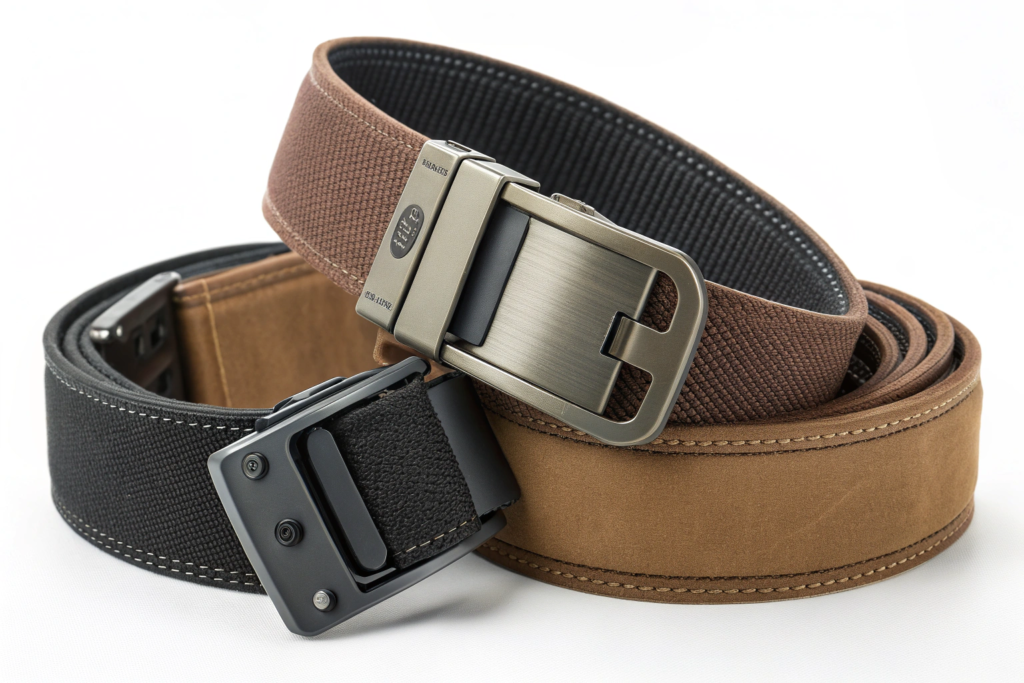
Are ratchet belts suitable for formal and dress wear?
This was once a barrier, but no longer. Modern automatic buckle belts for dress wear are designed with elegance in mind.
- Low-Profile Buckles: The ratchet mechanism is engineered to be incredibly slim, allowing the buckle to sit flush against the body, mimicking the sleek look of a traditional plate buckle.
- Premium Materials: The strap is made from high-quality calfskin leather or suede, and the buckle is finished in polished silver, gold, or gunmetal.
- Hidden Mechanism: The release button is often subtly integrated into the buckle's side or bottom, maintaining a clean, minimalist face.
These design choices make ratchet belts perfectly acceptable and even preferred in business and formal settings, as they offer superior comfort and a perpetually neat appearance without a protruding prong. Brands like Andar have successfully positioned high-end ratchet belts in the premium dress accessory market.
How does this technology enable better inclusive sizing?
Inclusive sizing is a major challenge with hole belts, as the linear spacing doesn't account for diverse body shapes. Ratchet belts are inherently more inclusive.
- Body Shape Agnostic: Whether a customer carries weight in their abdomen or hips, the continuous adjustment can find the exact comfortable circumference without pressure points.
- Bridging Size Gaps: It easily accommodates individuals who fall between standard sizing charts.
- Adaptive Fashion: For people with mobility issues or arthritis, the easy-pull tightening and button-release can be much easier to manage than threading a pin through a stiff hole.
By offering a product that genuinely fits more people more comfortably, brands send a powerful message of inclusivity and practical customer care, tapping into a wider and more loyal audience.
What should you look for when sourcing quality ratchet belts?
Not all ratchet belts are created equal. The market has both poorly made imitations and engineered marvels. To ensure your brand offers a reliable product, you must scrutinize the mechanism's quality and the overall construction.
When sourcing, prioritize: 1) A metal (stainless steel or zinc alloy) ratchet pawl and track for durability, not plastic. 2) A robust and smooth release mechanism tested for thousands of cycles. 3) High-quality strap material (full-grain leather, robust woven nylon) that won't stretch or warp, compromising the tooth engagement. 4) Precise molding of the teeth on the strap to ensure consistent, reliable clicks without slippage.
A failure in any of these points leads to a belt that slips, jams, or breaks, destroying customer trust. The investment in a superior mechanism is non-negotiable.
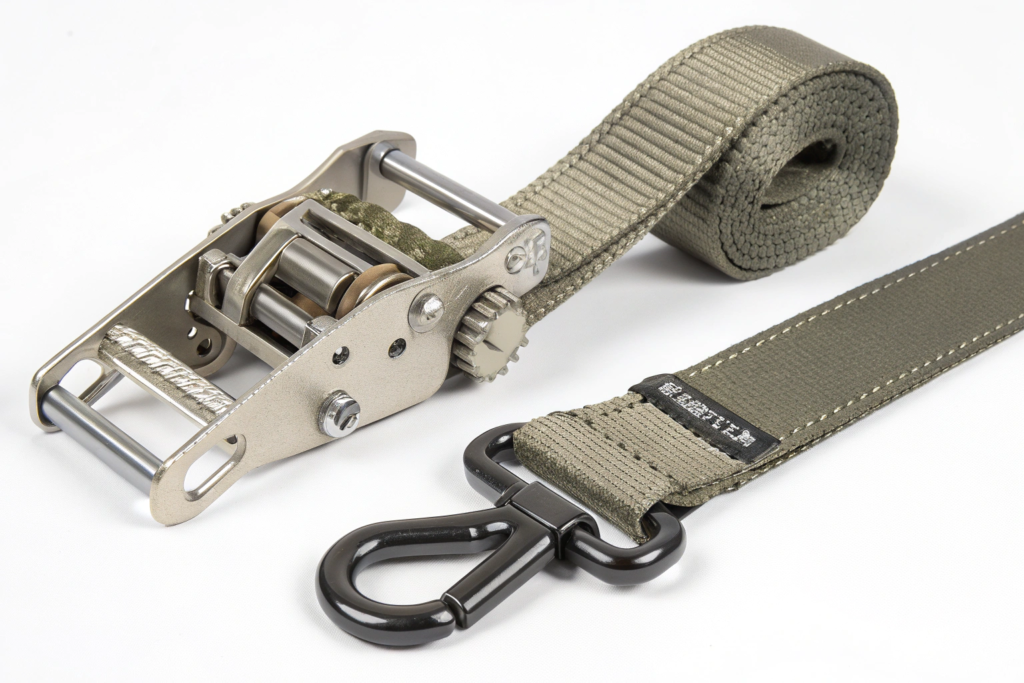
How to test the durability of the ratchet mechanism?
Conduct or request these durability tests:
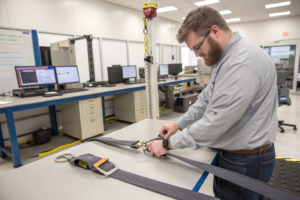
- Cycle Test: The buckle should be mechanically tested to engage and disengage at least 10,000 times without failure or significant wear on the pawl or teeth.
- Pull Test: The engaged belt should withstand a significant static pull force (e.g., 50+ pounds) without the pawl jumping teeth or the strap tearing.
- Fatigue Test: The spring in the release button should be tested to ensure it doesn't lose tension over time and repeated use.
Reputable manufacturers will have these test reports from their component suppliers or conduct them in-house. This data is part of professional quality assurance and should be part of your sourcing decision.
What are the common failure points in low-quality versions?
Be wary of belts that exhibit:
- Slippage: The belt loosens on its own during wear because the pawl doesn't fully engage or the teeth are poorly formed.
- Jamming: Dirt, lint, or minor deformation prevents the pawl from retracting, making the belt impossible to loosen.
- Strap Deformation: The leather or nylon around the teeth stretches or compresses, preventing clean engagement.
- Button Failure: The release button's spring breaks or becomes misaligned, leaving the belt permanently locked.
Sourcing from a factory with expertise in precision metal stamping and assembly, not just leather cutting, is crucial to avoid these issues. It's a blend of accessory manufacturing and light mechanical engineering.
Conclusion
Automatic buckle (ratchet) belts represent a genuine innovation in a centuries-old product category. They solve the fundamental, universal problem of imprecise sizing by offering a tailored, adaptable fit that enhances daily comfort, supports a polished appearance, and simplifies the customer journey from purchase to wear. For brands, this translates into a powerful competitive advantage: reduced returns, increased customer satisfaction, access to broader markets, and a clear narrative of innovation and customer-centric design.
Embracing this technology is not just about following a trend; it's about fundamentally improving a core product. By partnering with a manufacturer that masters the precision engineering of the ratchet mechanism and couples it with high-quality materials and elegant design, you can offer a belt that customers will appreciate, recommend, and repurchase. If you are ready to upgrade your belt line with this problem-solving technology, contact our Business Director, Elaine, at elaine@fumaoclothing.com to develop a collection that fits your customers—perfectly.