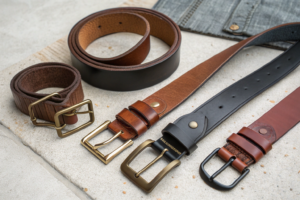
You've successfully shipped your belt order to Russia. The belts left your factory on time, but now they're stuck at Moscow customs. The documentation is being questioned, the classification seems wrong, and your Russian client is getting impatient. Days turn into weeks, storage fees accumulate, and your payment gets delayed. This scenario is frustratingly common for companies new to the Russian market.
Avoiding customs delays for belt shipments to Russia requires thorough preparation of documentation, accurate product classification, understanding of labeling requirements, and working with experienced logistics partners. The key is anticipating Russian customs' specific requirements and preparing your shipment accordingly before it ever leaves your factory.
This guide will provide a practical framework for smooth customs clearance. We'll explore documentation requirements, classification systems, labeling rules, and partnership strategies that prevent delays.
What Documentation Prevents Customs Clearance Issues?
Russian customs authorities are notoriously meticulous about documentation. Missing, incomplete, or incorrect paperwork is the primary reason for belt shipment delays. The documents must be in Russian or have certified Russian translations, and they must contain specific, required information.
Complete documentation creates a clear trail that customs officials can quickly verify. When documents are perfect, clearance happens rapidly. When they're lacking, shipments can be held for weeks while requirements are fulfilled.
What Are the Essential Documents for Belt Shipments?
These eight documents are non-negotiable for Russian customs clearance:
- Commercial Invoice: Must include detailed product descriptions, materials, prices in USD/EUR, and HS codes
- Packing List: Detailed by carton with weights, dimensions, and contents
- Certificate of Origin: Often required, indicating where the belts were manufactured
- Shipping Documents: Bill of Lading or Air Waybill properly completed
- Customs Declaration: Completed using Russian customs forms
- Certificate of Conformity: Proof products meet Russian technical standards
- Power of Attorney: Authorizes your customs broker to act on your behalf
- Import Licenses: Required for certain materials or product types
Particularly for leather belts, the Certificate of Origin must clearly state the leather source and tanning process to comply with Russian agricultural import regulations.
How Can You Ensure Documentation Accuracy?
Accuracy is measured by Russian standards, not international norms:
- Descriptions Must Match Exactly: "Men's genuine leather belt with steel buckle" on invoice, packing list, and customs declaration
- Values Must Be Consistent: Same prices across all documents
- Units Must Use Russian Standards: Metric measurements only
- Language Requirements: All documents must be in Russian or have certified translations
Working with a knowledgeable shipping partner who understands these nuances prevents documentation rejections.
How Does Correct Classification Prevent Delays?
Russia uses its own commodity classification system (TN VED) based on the Harmonized System but with Russian-specific modifications. Using incorrect codes or applying EU/US classifications automatically triggers customs inspections and delays.
The TN VED code determines duty rates, certification requirements, and import restrictions. Getting it right from the beginning streamlines the entire process.
What Are the Correct TN VED Codes for Belts?
Belts generally fall under these TN VED codes:
| Belt Type | TN VED Code | Duty Rate | Additional Requirements |
|---|---|---|---|
| Leather Belts | 4203 30 000 0 | 5-10% | Veterinary certificate for leather |
| Textile Belts | 4203 30 500 0 | 6.5-10% | Certificate of conformity |
| Plastic Belts | 4203 30 300 0 | 6.5-10% | Certificate of conformity |
For fashion belts with mixed materials, classification depends on the predominant material by value. Detailed product descriptions in your technical documentation help customs officials verify your classification.
What Happens When Classification Is Wrong?
Incorrect classification creates multiple problems:
- Immediate Inspection: Shipment automatically flagged for detailed examination
- Duty Recalculation: Potential for higher duties and penalties
- Documentation Revision: Need to resubmit all customs documents
- Storage Costs: Accruing daily while issues are resolved
These delays typically add 7-21 days to clearance time and increase costs by 15-40%.
What Labeling Requirements Must You Follow?
Russian labeling laws are strict and non-negotiable. Products without proper Russian labeling will be rejected at customs or, if cleared, cannot be legally sold in Russian stores.
Labeling requirements apply to both the products and their packaging. The information must be permanent, legible, and in Russian language using Cyrillic script.

What Information Must Appear on Labels?
These labeling elements are mandatory for belts sold in Russia:
- Product Name: Clear description in Russian
- Country of Origin: Manufacturing country
- Manufacturer Details: Name and address
- Size Information: Belt length and width in metric units
- Material Composition: Percentage of each material in Russian
- Care Instructions: In Russian language
- Date of Manufacture: Production date
- Importers Information: Russian importer details
For custom belt orders, these labels must be applied during production rather than added later in Russia.
How Can You Implement Compliant Labeling?
Successful labeling strategies include:
- Bilingual Labels: Russian plus original language
- Sewn-In Labels: For textile components on canvas belts and nylon belts
- Printed Tags: For leather products
- Packaging Labels: Russian text on retail packaging
Our factory has experience creating Russia-compliant labeling that speeds customs clearance for our clients.
Why Do Logistics Partnerships Matter?
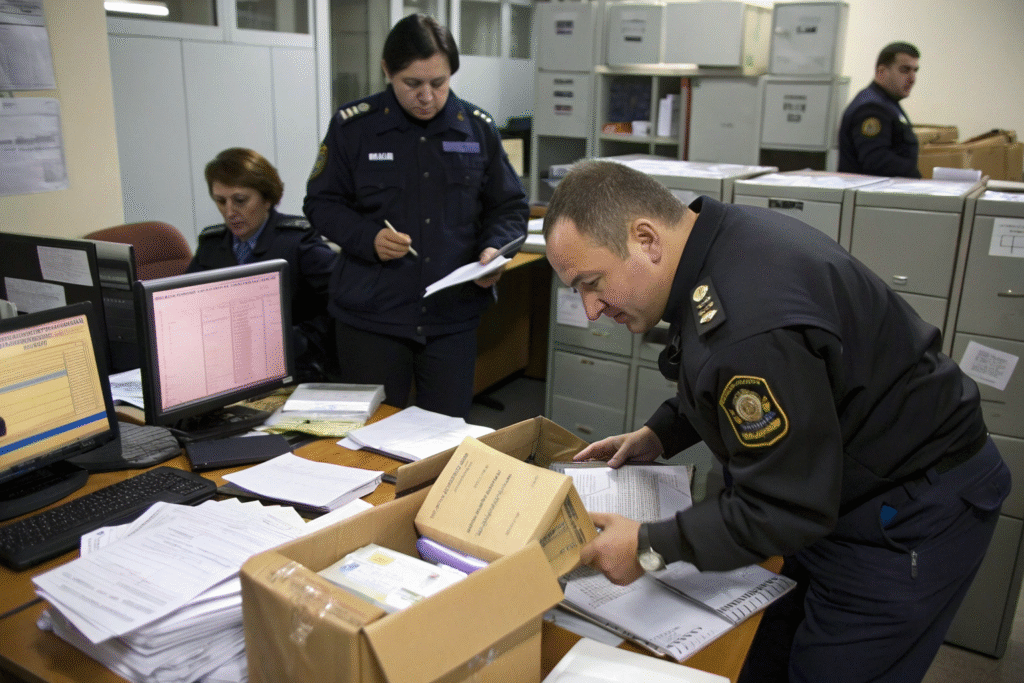
Navigating Russian customs requires specialized knowledge that most international shippers lack. The regulations change frequently, interpretation varies by customs office, and the process involves significant bureaucracy.
Experienced Russian logistics partners understand the unwritten rules, have relationships with customs officials, and know how to navigate the system efficiently.
What Should You Look for in a Russian Partner?
Effective partners offer these critical capabilities:
- Russian-Language Capability: Native Russian speakers on staff
- Customs Brokerage License: Authorized to operate in Russian customs
- Multiple Office Locations: Coverage across major entry points
- Proven Track Record: Specific experience with fashion accessories
- Financial Stability: Ability to handle duty payments and guarantees
The right partner can reduce clearance time from weeks to days, even for complex shipments of multiple belt styles.
How Can You Verify Partner Reliability?
Due diligence prevents partnership problems:
- Check References: Contact their current clients
- Verify Licenses: Confirm customs brokerage credentials
- Visit Offices: Physical presence in Russia matters
- Review Processes: Understand their clearance methodology
- Test Communication: Ensure responsive, clear communication
Establishing these partnerships before shipping prevents emergencies and builds reliable supply chains for the Russian market.
Conclusion
Avoiding customs delays for belt shipments to Russia requires meticulous documentation preparation, accurate TN VED classification, compliant Russian-language labeling, and experienced local partnerships. By addressing these areas proactively—preparing perfect paperwork, classifying products correctly, implementing proper labeling, and working with knowledgeable Russian partners—you can transform a typically problematic process into a smooth, predictable supply chain operation. The investment in understanding and complying with Russian requirements pays dividends through reliable delivery, satisfied customers, and sustainable business growth in this important market.
If you're looking for a belt manufacturer with proven experience shipping to Russia and understanding of Russian customs requirements, our factory has successfully supplied Russian partners for years. Contact our Business Director, Elaine, at elaine@fumaoclothing.com to discuss how we can help you navigate Russian customs successfully.