International trade has become increasingly complex with fluctuating tariff regulations and trade policies. For fashion importers and accessories brands, these additional costs can significantly impact profitability and competitive pricing. Many companies struggle with unexpectedly high duties that erase their margin calculations.
Strategic belt classification using precise HS codes, material composition analysis, and design feature categorization can legally minimize tariff exposure. By understanding how different materials, constructions, and technical features are classified, importers can optimize their product designs and sourcing strategies to qualify for lower duty rates or tariff exclusions.
The key to successful tariff optimization lies in proactive planning rather than reactive compliance. With careful classification strategies implemented during product development, companies can maintain competitive pricing while fully complying with international trade regulations.
What HS Codes Offer the Most Favorable Duty Rates?
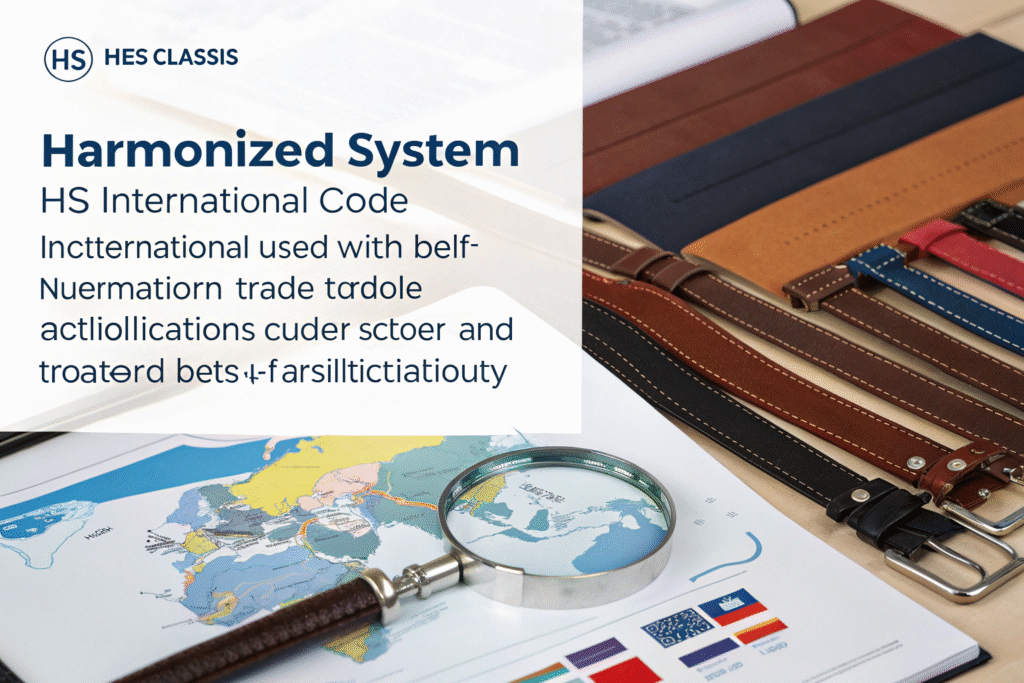
Harmonized System (HS) codes serve as the universal language for international trade, determining the duty rates applied to imported goods. Understanding the nuances within belt classifications can reveal significant duty savings opportunities.
Belts typically fall under HS code 4203, but specific subcategories carry dramatically different duty rates. The critical differentiators include material composition (leather vs. textile vs. plastic), value thresholds, and specific construction features that can shift classification to more favorable categories.
How does material composition impact HS code classification?
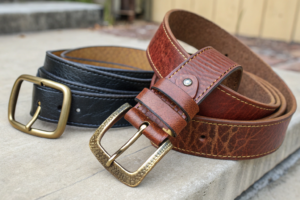
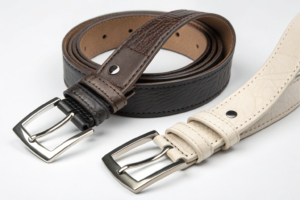
Material composition is the primary factor in belt classification. Genuine leather belts typically classify under 4203.30.00 with varying duty rates, while textile belts fall under 4203.30.00 with potentially different rates. Plastic or rubber belts may classify elsewhere entirely. The key is identifying which materials qualify for preferential treatment under various trade agreements. For example, certain synthetic materials might face lower duties than genuine leather in specific markets, allowing for strategic material selection during product development.
What value thresholds affect duty calculations?
Many HS codes contain value thresholds that trigger different duty rates. For instance, some classifications differentiate between belts above and below certain price points. Understanding these de minimis thresholds allows importers to structure their product lines and pricing strategies accordingly. This might involve creating tiered product lines where certain items are specifically designed to fall under favorable value categories, legally minimizing the duty burden across the entire product assortment.
How Can Material Selection Reduce Tariff Exposure?
Strategic material selection represents one of the most effective approaches to tariff optimization. Different materials not only classify under different HS codes but may also qualify for various duty exemptions and preferential trade agreements.
The global trade landscape includes numerous free trade agreements and special duty programs that offer reduced or eliminated tariffs for specific materials and manufacturing scenarios. Aligning product materials with these programs can yield substantial savings.
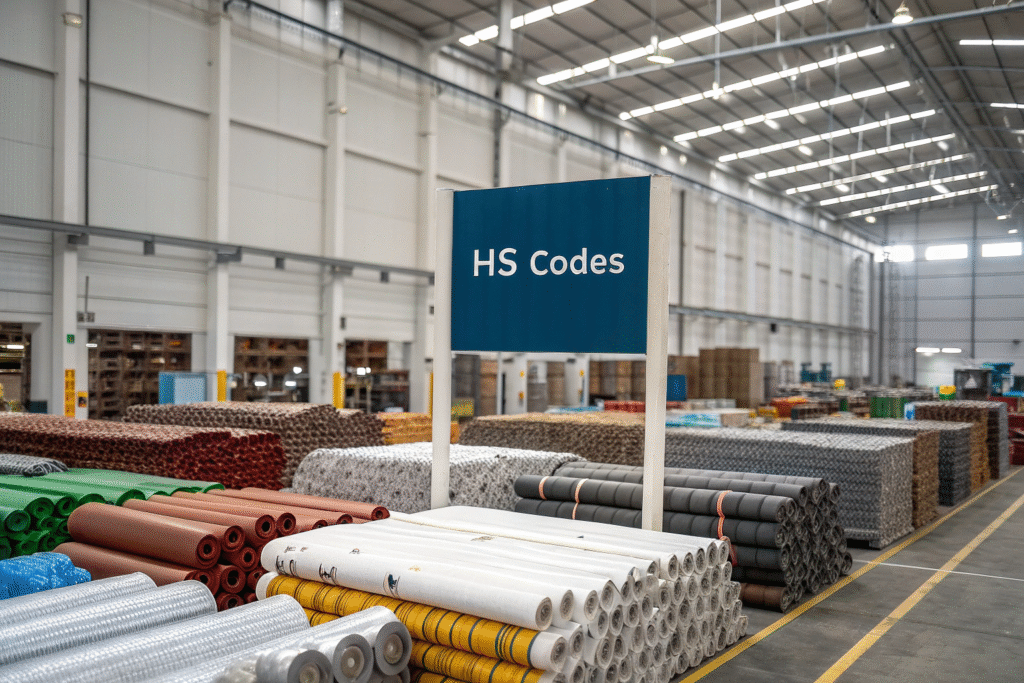
Which materials qualify for preferential trade agreements?
Materials sourced from FTA partner countries often qualify for reduced or eliminated duties. For example, belts manufactured with materials from countries with active trade agreements with the importing country may benefit significantly. Additionally, certain renewable or eco-friendly materials may qualify for special environmental tariff programs in some markets. Our factory maintains detailed records of material origins to support these preferential claims, ensuring clients maximize available duty savings.
How does material percentage affect classification?
The percentage of different materials in a belt's construction can determine its final classification. For mixed-material belts, the substantial transformation and essential character doctrines determine classification. A belt with a textile body and leather trim might classify differently than one with a leather body and textile trim. By carefully calculating material percentages during design, manufacturers can create products that qualify for more favorable classifications while maintaining aesthetic and functional qualities.
What Design Modifications Can Optimize Classification?
Strategic design modifications offer another powerful approach to tariff optimization. Sometimes, minimal changes to product design can result in significantly different classifications and corresponding duty rates.
The key is understanding which specific design features trigger classification changes and incorporating this knowledge during the product development phase. This proactive approach is far more effective than attempting to reclassify existing products.

How do technical features influence classification?
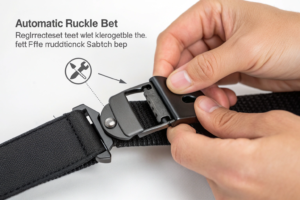
Technical features beyond basic fastening can shift classification. Belts with integrated electronic components might classify as electronic devices rather than accessories. Similarly, belts with specialized sporting features might qualify as sporting equipment with different duty rates. Even the type of buckle mechanism can impact classification in some jurisdictions. Documenting these technical features precisely in product specifications ensures proper classification according to the most favorable available categories.
Can packaging and presentation affect duty assessment?
In some cases, how a product is packaged and presented can influence its classification. For example, belts packaged as part of complete outfits might classify differently than those sold separately. Special holiday packaging or promotional bundling can sometimes create classification opportunities. While this approach requires careful documentation and consistency, it represents another strategic option for optimizing duty assessment through thoughtful product presentation strategies.
How Does Country of Origin Impact Tariff Strategies?
The concept of "substantial transformation" determines a product's country of origin, which directly impacts which trade agreements and duty programs apply to imported goods.
Understanding and documenting the manufacturing process thoroughly enables importers to legally establish the most advantageous country of origin for their products, potentially qualifying them for preferential duty treatment under various trade agreements.
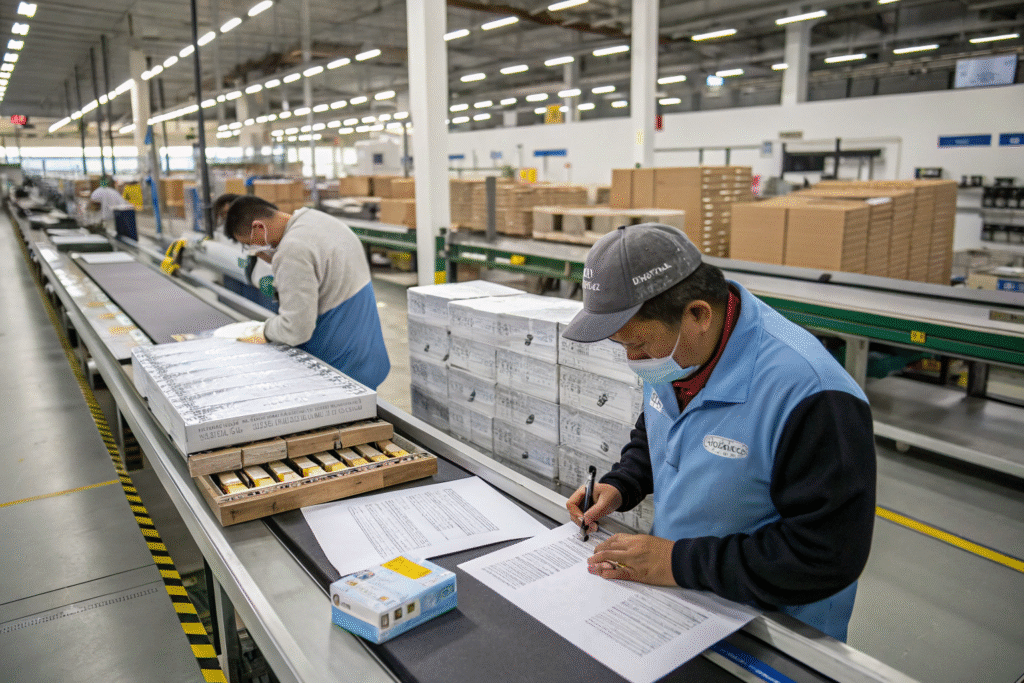
What constitutes substantial transformation for belts?
Substantial transformation occurs when a manufacturing process creates a new and different article of commerce with a distinct name, character, or use. For belts, this typically happens when cutting and assembly of materials creates the finished product. Documenting each manufacturing step is crucial for supporting country of origin claims. Our factory maintains detailed production records that clearly establish substantial transformation, supporting the most favorable country of origin designations for our clients' products.
How can free trade agreements be leveraged?
Various free trade agreements offer duty reduction or elimination for qualifying goods. The United States-Mexico-Canada Agreement (USMCA), for example, provides specific rules of origin for textile and leather products. Similarly, the Generalized System of Preferences (GSP) offers duty-free treatment for eligible products from designated developing countries. By aligning sourcing and manufacturing with these agreements, importers can legally avoid significant tariff expenses while maintaining compliant supply chains.
Conclusion
Strategic belt classification requires a comprehensive approach that integrates trade knowledge with product design and sourcing decisions. By understanding HS code nuances, selecting materials strategically, modifying designs purposefully, and leveraging country of origin benefits, companies can significantly reduce their tariff exposure while maintaining full compliance with international trade regulations.
If you're looking to optimize your belt imports for favorable tariff treatment, our factory has extensive experience developing classification-friendly products and maintaining the documentation necessary to support these strategies. Contact our Business Director, Elaine, at elaine@fumaoclothing.com to discuss how we can help structure your belt production for optimal customs treatment.