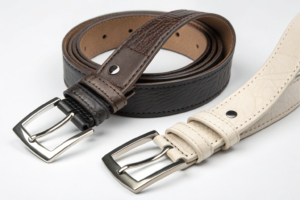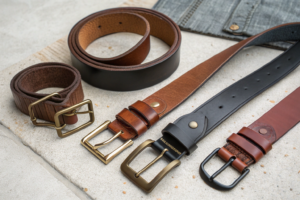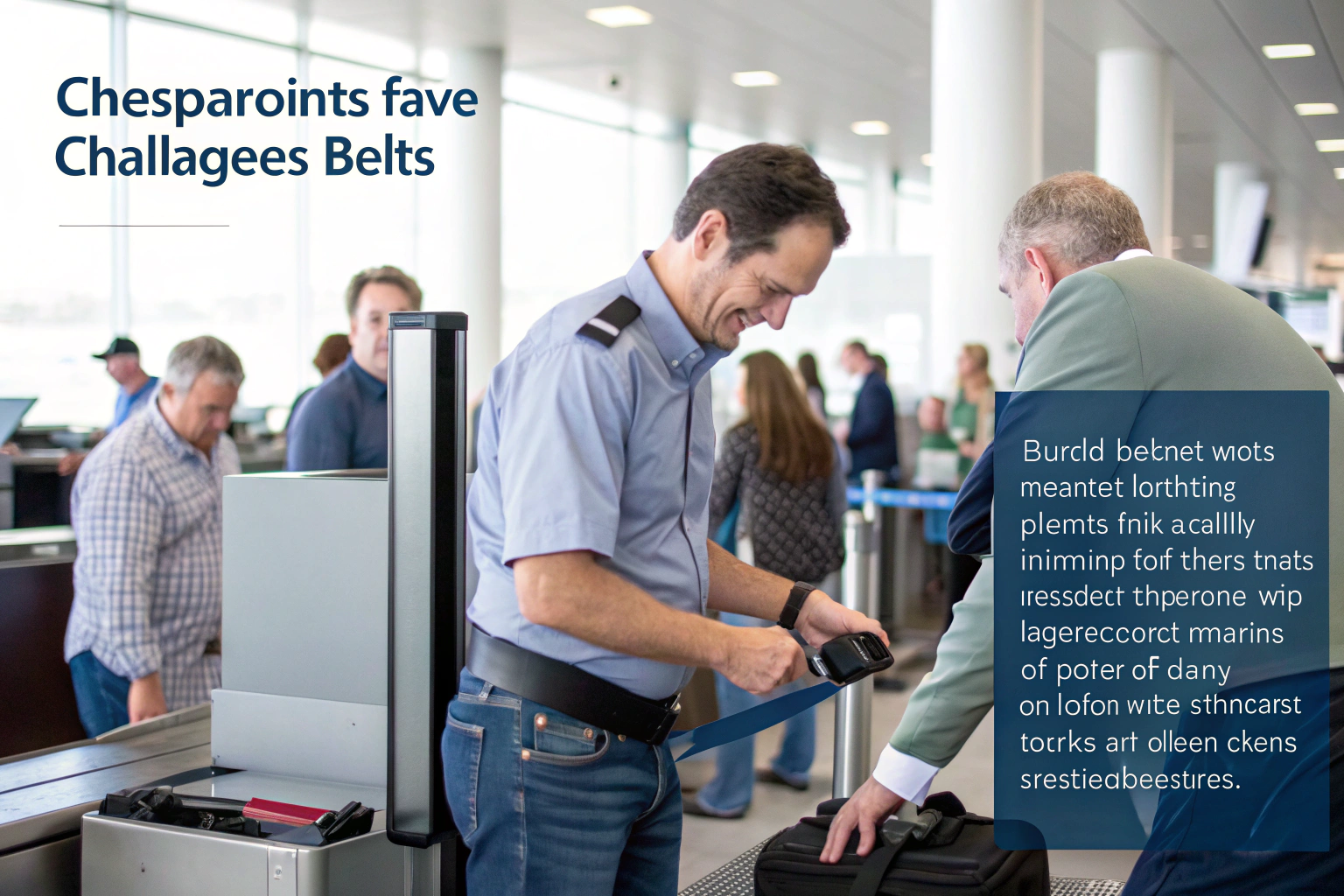
The modern travel experience has become increasingly complex, with airport security checkpoints presenting particular challenges for belt wearers. The familiar routine of removing belts, passing them through scanners, and reassembling them on the other side creates frustration, delays, and potential loss or damage to accessories. This pain point represents a significant opportunity for innovative belt designers and manufacturers.
Designing belts for airport security convenience requires integrating quick-release mechanisms, using security-friendly materials, implementing streamlined buckle designs, and incorporating travel-specific features. The most successful security-friendly belts eliminate metal components that trigger scanners while maintaining style, durability, and ease of use. These designs prioritize speed and simplicity during security screening without compromising the belt's primary function or aesthetic appeal.
As global travel continues to recover and expand, the market for travel-optimized accessories grows accordingly. Understanding how to design belts that enhance rather than complicate the airport experience provides competitive advantage in this specialized segment.
What Buckle Designs Simplify Security Screening?
The buckle represents the primary challenge in airport security belt design, as traditional metal components consistently trigger metal detectors. Innovative alternatives must balance security compliance with reliable fastening.
How Do Quick-Release Mechanisms Work?
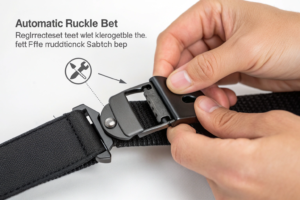
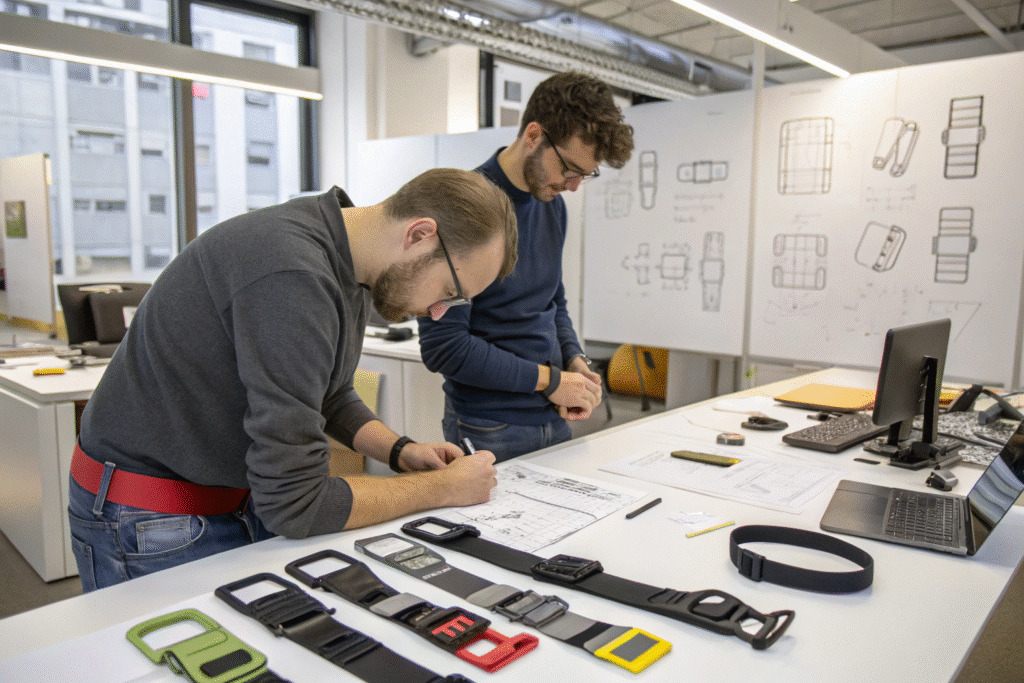
Quick-release buckle systems utilize security-friendly materials and innovative fastening mechanisms that require no metal components. The most effective designs incorporate magnetic clasps using non-ferrous materials, snap-fit systems that engage securely with audible confirmation, or slide-lock mechanisms that provide adjustable tension without metal parts. These systems allow travelers to remove and replace their belts in seconds rather than minutes.
The engineering challenge lies in creating mechanisms that are both secure during normal wear and easily operable when needed. Successful designs typically use high-strength polymers, advanced composites, or non-metallic ceramics that provide the necessary durability while remaining completely transparent to security scanners. The best systems offer one-handed operation, allowing travelers to manage their belt while handling luggage and documents in crowded security areas.
What Materials Replace Traditional Metal Buckles?
Advanced polymers and composites now offer viable alternatives to metal buckle components without sacrificing strength or aesthetics. Liquid crystal polymers (LCPs) provide exceptional tensile strength and dimensional stability, while polyether ether ketone (PEEK) offers metal-like durability with complete radar transparency. These materials can be molded into sophisticated buckle designs that mimic the appearance of metal while avoiding security detection.
For brands seeking premium aesthetics, ceramic composites offer weight and feel similar to traditional buckles with zero metal content. Zirconia ceramics particularly excel in scratch resistance and can be finished to resemble brushed steel, polished chrome, or even gold tones. These materials withstand daily wear while ensuring seamless security passage, making them ideal for frequent travelers who refuse to compromise on style for convenience.
How Do Material Choices Affect Security Processing?
Beyond buckles, the belt materials themselves impact security experience through detection characteristics, handling requirements, and durability under frequent removal and replacement.
Which Materials Are Most Security-Friendly?
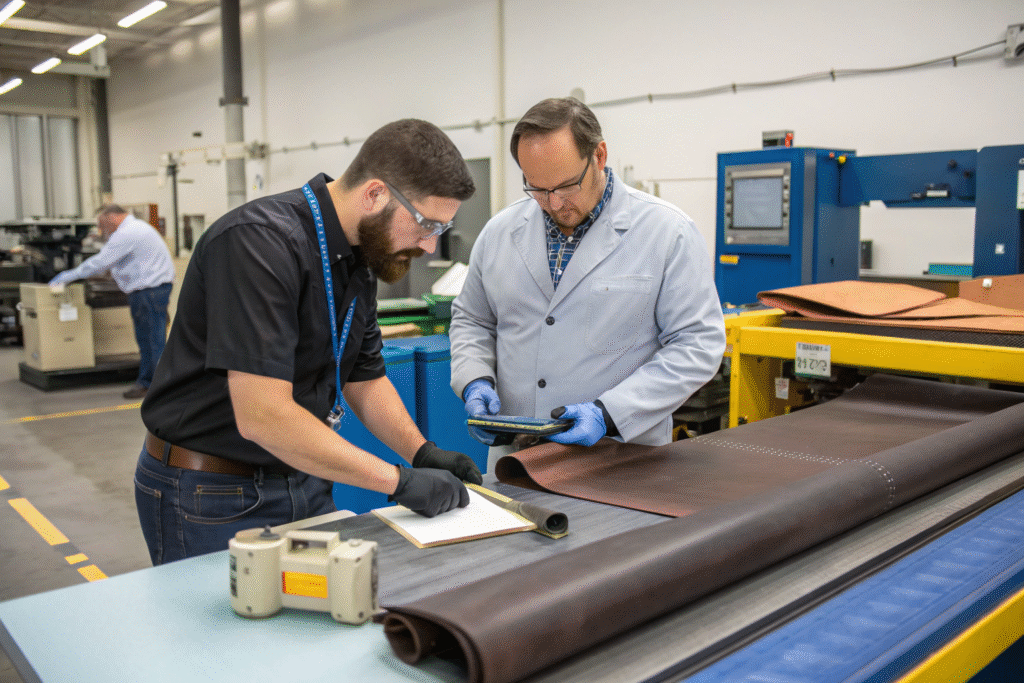
The ideal security-friendly belt materials combine flexibility with durability and contain zero metal components. Woven nylon and polyester webbing excel in this category, as their construction naturally incorporates no metal elements. These materials withstand repeated rolling, folding, and handling at security checkpoints without creasing or damage. Advanced versions incorporate memory characteristics that help the belt return to its original shape after being packed in luggage.
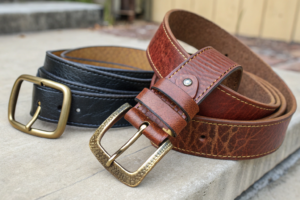
For leather alternatives, synthetic materials using polymer-based stiffeners rather than metal reinforcement provide the structure and feel of traditional leather without detection issues. These advanced synthetics often outperform genuine leather in consistency and security compliance, as natural leather occasionally contains trace metal elements from tanning processes or environmental exposure during the animal's life.
How Can Integrated Metal Detection Be Avoided?
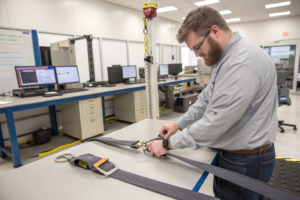
Comprehensive material traceability and supply chain control prevent accidental metal incorporation in belt materials. Even small metal fragments in stitching threads, decorative elements, or reinforcement materials can trigger sensitive detection equipment. Successful security belt manufacturers implement rigorous quality control using handheld metal detectors to scan all incoming materials before production.
The most thorough manufacturers extend this scrutiny to every production component, including dyes (which can contain metal-based catalysts), adhesives, and even packaging materials. This comprehensive approach ensures complete security compliance while maintaining design integrity. For brands offering both security and conventional belts, clear labeling and distinct product lines prevent confusion and ensure travelers select appropriate products for their journeys.
What Design Features Enhance Travel Experience?
Airport-friendly belt design extends beyond security compliance to encompass features that improve the overall travel experience through convenience, comfort, and functionality.
What Additional Travel Features Add Value?
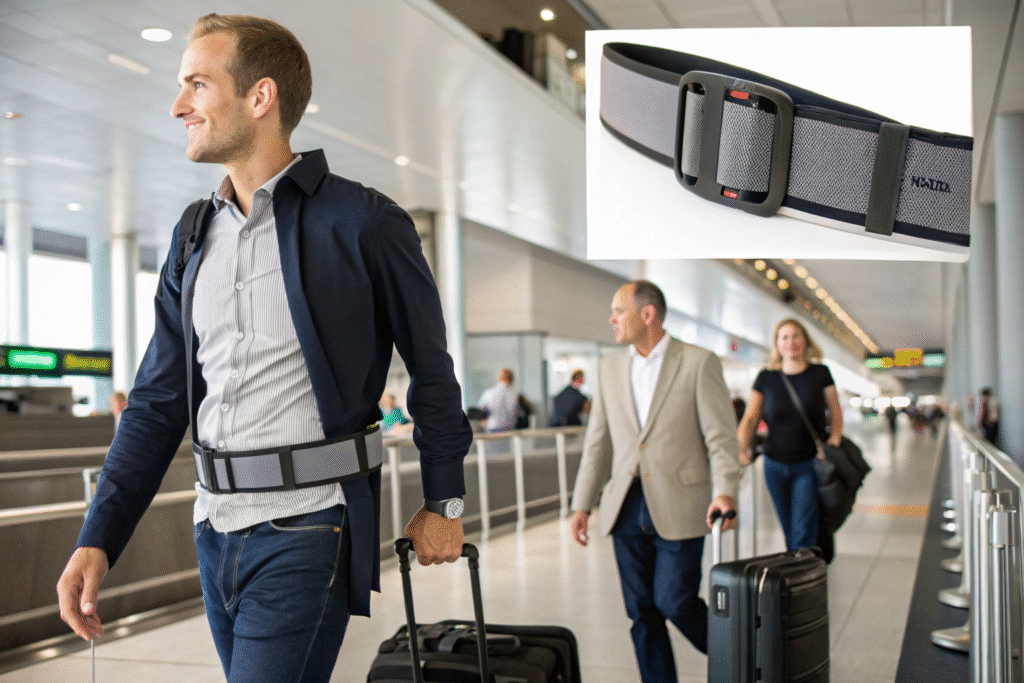
Integrated travel-specific enhancements significantly increase a belt's utility and appeal to frequent travelers. Hidden pockets for emergency cash or SIM cards provide practical security, while quick-adjust systems accommodate changing comfort needs during long flights. Some innovative designs incorporate RFID blocking materials that protect passport and credit card information from electronic theft in crowded airports.
The most appreciated travel features address common pain points beyond security screening. Magnetic tip retention systems prevent belt ends from flapping during hurried airport movement, while moisture-wicking materials maintain comfort during stressful travel situations. For international travelers, designs incorporating multiple sizing systems (both US and EU measurements) eliminate confusion when purchasing replacements abroad.
How Does Ergonomic Design Improve Comfort?
Travel-specific ergonomic considerations address the unique physical demands of modern air travel. Seated comfort becomes crucial during long flights, where traditional rigid belts can dig into the abdomen when seated. Advanced travel belts incorporate flexible inserts that maintain structure while standing but accommodate seated positions comfortably. This thoughtful design prevents the need for constant adjustment between standing and sitting.
Weight distribution represents another critical ergonomic factor, particularly for travelers who wear belts throughout extended journeys. Lightweight materials combined with balanced buckle designs prevent hip strain and discomfort. The most sophisticated designs incorporate graduated stiffness, with more rigid sections around buckle attachment points and increased flexibility in areas contacting the body directly. This nuanced approach to comfort demonstrates deep understanding of travelers' needs.
How Can Brands Market Security-Friendly Belts Effectively?
Successful marketing of airport-friendly belts requires educating consumers about both the problem and the solution while building trust in the product's security compliance and durability.

What Marketing Messages Resonate With Travelers?
Effective marketing emphasizes time savings and reduced stress rather than technical specifications. Travelers respond to messages about bypassing inconvenience and maintaining dignity during security screening. Demonstrations showing the speed difference between traditional belt removal and security-friendly designs make compelling visual content that clearly communicates the benefit.
Testimonials from frequent business travelers provide powerful social proof, particularly when they describe specific scenarios where security-friendly belts prevented missed connections or reduced travel anxiety. Marketing that highlights the product's dual benefit—airport convenience combined with everyday usability—addresses the practical concern that travelers won't wear a "special" belt except when flying. Positioning these products as primary belts with travel advantages rather than travel-specific items broadens their appeal.
How Important Is Third-Party Verification?
Independent testing and certification significantly enhances consumer confidence in security claims. Verification from recognized laboratories confirming the absence of metal components provides assurance that goes beyond manufacturer promises. Some brands pursue certification from travel industry organizations or partnerships with airline crew programs, leveraging these endorsements in marketing materials.
Transparent communication about testing methodologies and results builds trust with knowledgeable consumers. Detailed information about which specific security technologies the belts have been tested against (walk-through metal detectors, handheld wands, millimeter wave scanners) demonstrates thoroughness and expertise. For global brands, confirming compliance with international security standards rather than just US TSA requirements addresses the needs of international travelers.
Conclusion
Designing belts for airport security convenience requires thoughtful integration of materials science, mechanical engineering, and deep understanding of traveler needs. The most successful designs eliminate security delays while enhancing overall travel experience through comfort, functionality, and style. As air travel continues to evolve, security-friendly accessories will transition from niche products to mainstream expectations.
Brands that master this category demonstrate innovative thinking and customer-centric design, building loyalty among the valuable frequent traveler demographic. The convergence of convenience, security, and style represents the future of travel accessories.
Ready to develop airport-friendly belt collections? Contact our Business Director, Elaine, at elaine@fumaoclothing.com to discuss how our security-compliant belt designs can enhance your travel product offerings and provide competitive advantage in this growing market.