Competing on Amazon means facing thousands of belt listings. Many sellers struggle with low visibility and poor conversion rates despite having quality products. The challenge isn't just making good belts - it's designing products that Amazon's algorithm favors and customers can't resist clicking. What separates best-selling belts from the rest of the pack?
Designing belts for Amazon's best seller rankings requires optimizing for both algorithm preferences and customer conversion. Successful sellers combine SEO-optimized listings with conversion-focused design elements, competitive pricing strategies, and review generation systems. The best-performing belts aren't necessarily the highest quality - they're the ones that best meet Amazon's ranking criteria while solving specific customer problems.
Achieving best seller status requires a systematic approach across multiple dimensions. Let's examine how to optimize your product listings, design for conversion, implement effective pricing, and leverage Amazon's advertising tools to climb the rankings.
How to Optimize Amazon Listings for Belt Products?
Amazon's A9 algorithm determines visibility based on relevance and performance. An optimized listing signals to both the algorithm and customers that your product deserves attention. Proper optimization forms the foundation for best seller potential.
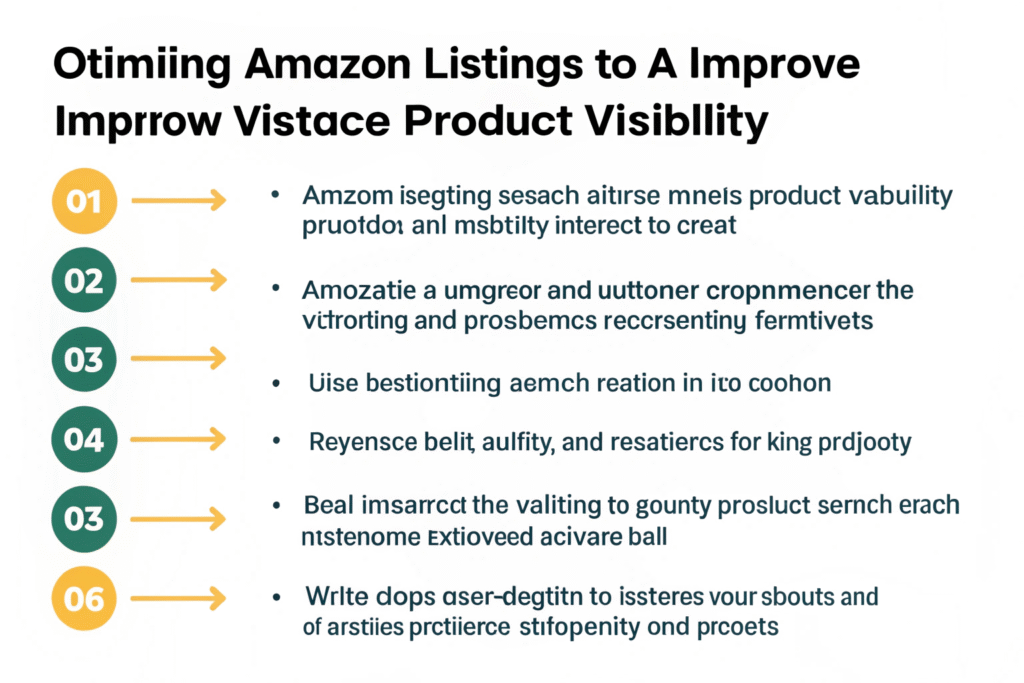
Optimize Amazon listings by conducting thorough keyword research specific to belt categories, creating compelling product titles with primary keywords, and writing feature-rich bullet points that address customer pain points. Use backend search terms effectively and select the most specific product category possible. High-quality images and video content significantly impact conversion rates, which in turn improves search ranking position.
What Keywords Drive Belt Sales on Amazon?
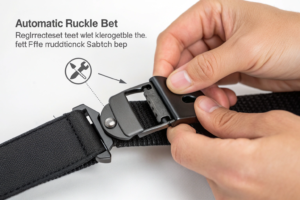
The keywords that drive belt sales include specific style terms ("genuine leather belt," "automatic buckle belt"), use case terms ("dress belt," "work belt"), and problem-solving terms ("ratchet belt for exact fit," "reversible belt two styles"). Long-tail keywords like "black leather belt for men wedding" often convert better than generic terms. Use tools like Amazon's Own Search Suggestions by typing partial phrases into the search bar to see what customers are actually searching for. Additionally, Helium 10 provides comprehensive keyword research specifically for Amazon sellers, showing search volume and competition data.
How Should You Structure High-Converting Listings?
Structure listings with the primary keyword in the title, followed by secondary keywords and key benefits. The title should be "Brand + Primary Keyword + Key Feature + Material + Size Range." Bullet points should focus on benefits, not just features - "Lifetime warranty" instead of "Durable construction." Use all available image slots with professional photos showing the product from multiple angles, in context, and with size comparisons. According to Amazon's A9 Algorithm documentation, conversion rate is a primary ranking factor, making listing quality directly tied to search visibility.
What Design Elements Convert Belt Browsers to Buyers?
Visual design directly impacts conversion rates on Amazon. Customers can't touch or try on your product, so your design must communicate quality, functionality, and value through images and description. Conversion-optimized design addresses customer hesitations before they form.
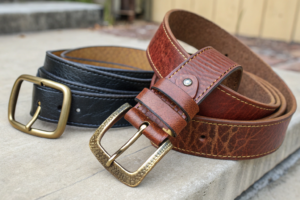
Design elements that convert include professional lifestyle images showing the belt being worn, detailed close-ups of materials and craftsmanship, infographics highlighting unique features, and size guide visuals. Video content demonstrating the buckle mechanism, flexibility, and real-world usage significantly increases conversion. The design should answer all potential customer questions visually before they reach the product description.
Which Visual Elements Increase Conversion Rates?
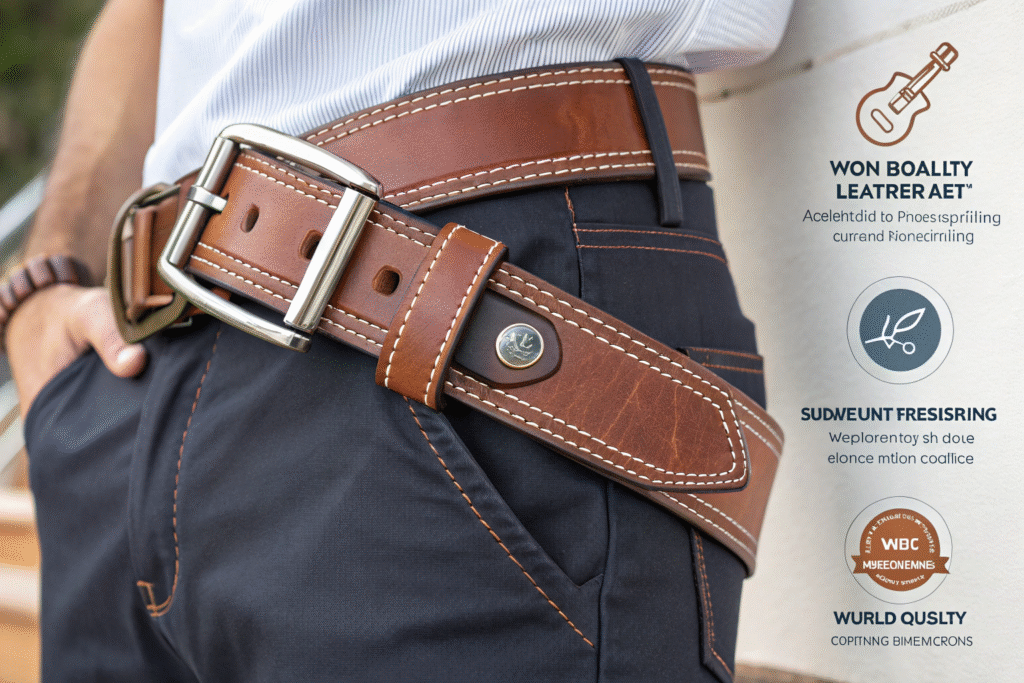
Visual elements that increase conversion include multiple angle shots, scale comparisons (coin, hand), lifestyle context images (worn with suits, casual wear), material texture close-ups, and infographics showing features like "water resistance" or "easy adjustment." Images showing the product in use help customers visualize ownership. Videos demonstrating unique features like automatic buckles or reversible functionality can increase conversion by up to 80%. The Amazon Brand Analytics dashboard provides insights into which visual assets drive the highest conversion rates for similar products in your category.
How Can Design Address Common Customer Concerns?
Design can address concerns by including size comparison charts showing the belt against common objects, fit demonstration videos, and detailed images of stress points like buckle attachments and stitching. For leather belts, close-ups of genuine leather grain patterns reassure quality-conscious buyers. For functional belts like ratchet systems, step-by-step usage visuals reduce hesitation. Including images of the packaging communicates an premium experience. Research from Consumer Reports indicates that detailed product visuals significantly reduce perceived purchase risk for online shoppers.
How to Price Belts for Amazon's Competitive Landscape?
Pricing strategy directly impacts both sales velocity and profitability on Amazon. The platform's competitive environment requires careful positioning that balances perceived value against actual costs. Smart pricing can dramatically improve best seller ranking potential.
Price belts by analyzing competitor pricing within your subcategory, understanding Amazon's fee structure for your specific belt type, and implementing strategic pricing that allows for promotional activities. The sweet spot typically sits slightly above the budget options but below premium brands, positioning your product as the "value quality" choice. Dynamic repricing tools can automatically adjust prices based on competitor movements and inventory levels.

What Pricing Strategies Work Best on Amazon?
The most effective pricing strategies include penetration pricing for new products to gain initial reviews, value-based pricing once social proof is established, and bundle pricing for multiple belt offerings. Time-limited discounts create urgency while improving conversion velocity. Amazon's algorithm favors products with strong sales momentum, so initial pricing may need to be aggressive to trigger ranking improvements. Tools like Keepa provide historical pricing data that reveals competitors' pricing strategies and seasonal patterns.
How Do Amazon Fees Impact Pricing Decisions?
Amazon fees including referral fees (typically 15% for clothing accessories), FBA fulfillment fees, storage fees, and optional advertising costs must be factored into pricing. For belts, FBA fees vary by weight and dimensions, making compact packaging advantageous. Calculate all costs before determining minimum profitable pricing. The Amazon Revenue Calculator provides precise fee projections based on your product specifications. Understanding the complete fee structure ensures your pricing maintains profitability while remaining competitive.
How to Leverage Amazon Advertising for Belt Products?
Organic ranking alone rarely achieves best seller status in competitive categories like belts. Strategic advertising accelerates visibility, sales velocity, and review generation - all key factors in Amazon's ranking algorithm. Properly managed advertising creates a virtuous cycle of improved organic positioning.
Leverage Amazon Advertising by starting with automatic campaigns to discover converting keywords, then building targeted campaigns based on performance data. Use Sponsored Products for individual belt listings, Sponsored Brands for product collections, and Display Ads for retargeting. Allocate budget based on ACOS (Advertising Cost of Sale) targets, focusing on keywords and products with proven conversion history.

Which Advertising Strategies Deliver Best ROI?
The highest ROI strategies include keyword targeting on specific belt types with moderate competition, product targeting against complementary products (buckles with pants or formal shoes), and automatic campaigns optimized for converting search terms. Start with conservative bids and increase investment in well-performing keywords. Sponsored Brands campaigns featuring multiple belt styles often achieve lower ACOS by spreading costs across products. Amazon's Advertising Console provides detailed analytics on campaign performance and recommendations for optimization.
How Should You Structure Belt Advertising Campaigns?
Structure campaigns by separating automatic, keyword-targeted, and product-targeted campaigns for clear performance analysis. Group similar belt types together - dress belts, casual belts, reversible belts - to create tightly themed ad groups. Use negative keywords to prevent mismatched searches and budget waste. Monitor search term reports regularly to identify new converting keywords to add and poor performers to negative match. According to Amazon Advertising best practices, campaign structure directly impacts quality score, which influences ad placement and cost-per-click.
Conclusion
Designing belts for Amazon's best seller rankings requires a holistic approach that combines product design, listing optimization, strategic pricing, and data-driven advertising. Success comes from understanding both Amazon's algorithm preferences and customer buying behaviors, then designing specifically for this unique marketplace.
The path to best seller status begins with products designed for conversion and listings optimized for discovery. If you're ready to develop belt products specifically engineered for Amazon success, our manufacturing expertise can help create winning products from concept to fulfillment. Contact our Business Director, Elaine, to discuss how we can develop Amazon-optimized belt collections for your business. Reach out to Elaine at elaine@fumaoclothing.com. Let's build your Amazon best seller together.