The rapid growth of e-commerce and advances in warehouse automation have fundamentally transformed how products move through fulfillment centers. Traditional belt designs that worked perfectly in manual handling environments often create significant inefficiencies, jams, and damage in automated systems. Designing belts specifically for automated fulfillment requires understanding both the technical requirements of automation equipment and the economic imperatives of modern logistics.
Designing belts for automated fulfillment systems requires implementing scannable surfaces, standardized dimensions, protective packaging, balanced weight distribution, and orientation-neutral shapes. These design characteristics enable smooth passage through automated sorters, robotic pickers, conveyor systems, and automated storage/retrieval systems while minimizing handling exceptions that require manual intervention. The most successful designs treat the entire belt and packaging as an integrated system optimized for machine handling rather than human interaction.
As automation penetrates deeper into fulfillment operations, understanding how to design products for these environments becomes increasingly crucial for reducing handling costs, minimizing damage, and maintaining competitive shipping times in demanding e-commerce markets.
What Packaging Characteristics Enable Automated Handling?
The outer packaging represents the first point of interaction with automated systems and must be designed specifically for machine handling rather than retail presentation.

How Do Standardized Dimensions Improve Automation Efficiency?
Implementing standardized packaging dimensions across belt collections creates handling efficiencies that compound throughout automated systems. By designing all belt packaging to fit modular storage and transport footprints (e.g., fitting cleanly into standard totes, cartons, or conveyor widths), manufacturers enable predictable automated handling without custom adjustments. The most effective dimensional strategies coordinate primary product packaging with secondary shipping containers to create nested dimensional relationships that maximize both storage density and handling reliability.
The automation advantage extends to robotic picking systems where consistent dimensions enable reliable gripper operation without recalibration between SKUs. Packages with predictable weight distribution, rigid construction that prevents shifting during movement, and surfaces that accommodate vacuum or mechanical grippers all contribute to successful robotic handling. These characteristics allow fulfillment centers to maintain high throughput rates without manual exception handling that destroys automation economics.
What Scanning Requirements Must Packaging Address?
Automated fulfillment depends on reliable barcode scanning at multiple points throughout the process, requiring specific packaging design considerations. Successful implementations feature scannable surfaces on multiple sides (typically 3-6 sides) to ensure visibility regardless of package orientation. The most effective designs use high-contrast barcodes with sufficient quiet zones, printed on flat surfaces that prevent distortion, and positioned to avoid shadows from handling equipment.
Advanced implementations incorporate both human-readable and machine-readable identifiers, with some systems adding RFID tags that enable bulk scanning without line-of-sight requirements. These redundant identification systems prevent the processing delays that occur when automated systems cannot identify packages and route them to manual exception stations. The most sophisticated approaches include verification processes during packaging to ensure scannability before products enter fulfillment streams, preventing automation failures at the source rather than detecting them downstream.
What Product Characteristics Minimize Handling Issues?
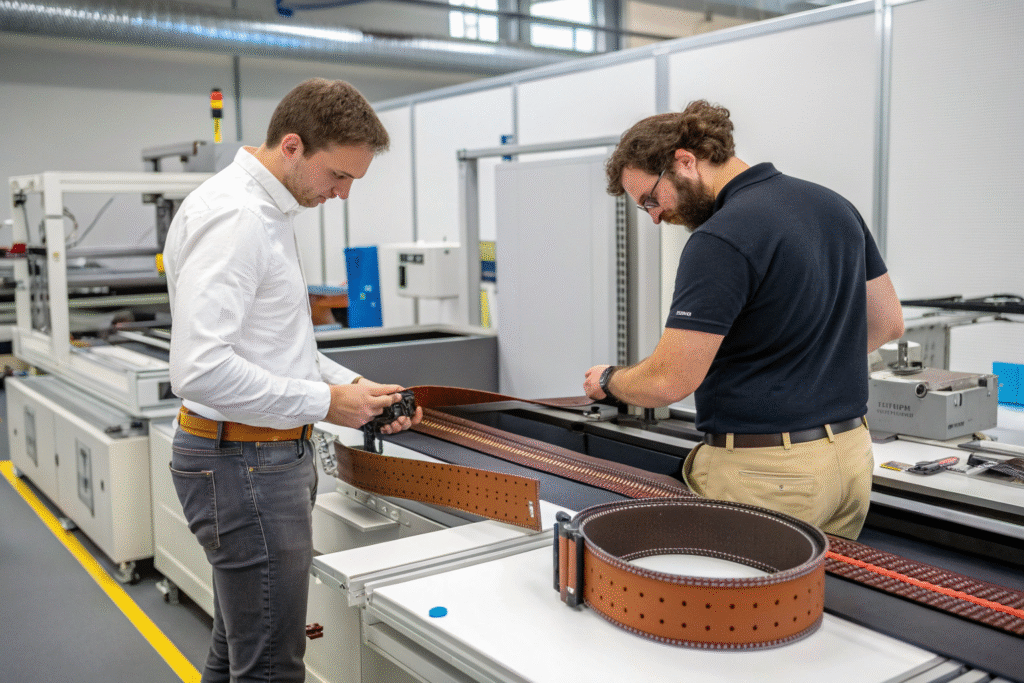
Physical belt characteristics significantly influence how smoothly they move through automated systems, requiring design considerations beyond traditional retail requirements.
How Does Weight Distribution Affect Automated Handling?
Belts with balanced weight distribution prevent the orientation problems that plague automated systems. Designs that concentrate weight in buckles create top-heavy packages that tip during high-speed conveyor transfers, jam in sortation equipment, or require special handling in robotic systems. The most automation-friendly designs distribute weight evenly throughout the package or position heavier elements in protected locations that don't affect stability during mechanical handling.
The weight distribution advantage extends to automated storage systems where unbalanced products can cause retrieval errors or require manual intervention. Belt designs that maintain consistent density and center of gravity work reliably with automated guided vehicles, autonomous mobile robots, and automated storage/retrieval systems that increasingly dominate modern fulfillment operations. This compatibility with diverse automation technologies represents a significant competitive advantage as operations increasingly mix different automated systems.
What Role Does Product Rigidity Play in Automation?
Packages with consistent rigidity prevent the jams and handling errors that occur when items compress, deform, or shift during automated handling. Belt packaging must maintain structural integrity under the compression forces of automated stacking, the impact forces of sortation transfers, and the pressure of robotic grippers. The most successful designs use internal supports that prevent belt buckles from damaging packaging, create consistent package density that behaves predictably in automation systems, and maintain shape through the entire fulfillment process.
The rigidity requirement extends beyond simple protection to encompass the precise dimensions needed for automated handling. Packages that bulge, compress, or change shape under handling forces create dimensional inconsistencies that cause jams in equipment designed for specific size parameters. The most effective solutions treat the belt and its packaging as an integrated system designed to withstand automated handling forces while protecting the product and maintaining consistent external dimensions.
How Can Design Prevent Automated System Jams?
Specific design features can prevent the jams and disruptions that destroy automation efficiency and require costly manual intervention.
| Design Feature | Automation Benefit | Implementation Approach |
|---|---|---|
| Rounded Corners | Prevents catching on conveyor transfers | Radius edges on both product and packaging |
| Low-Friction Surfaces | Enables smooth movement through systems | Use of HDPE or polypropylene packaging materials |
| Consistent Cross-Section | Prevents orientation issues in sortation | Avoid tapered shapes that behave unpredictably |
| Jam-Resistant Profiles | Eliminates catching points | Internal securement preventing component shift |
| Impact-Resistant Construction | Withstands automated handling forces | Strategic reinforcement at stress points |

What Structural Features Prevent Conveyor Jams?
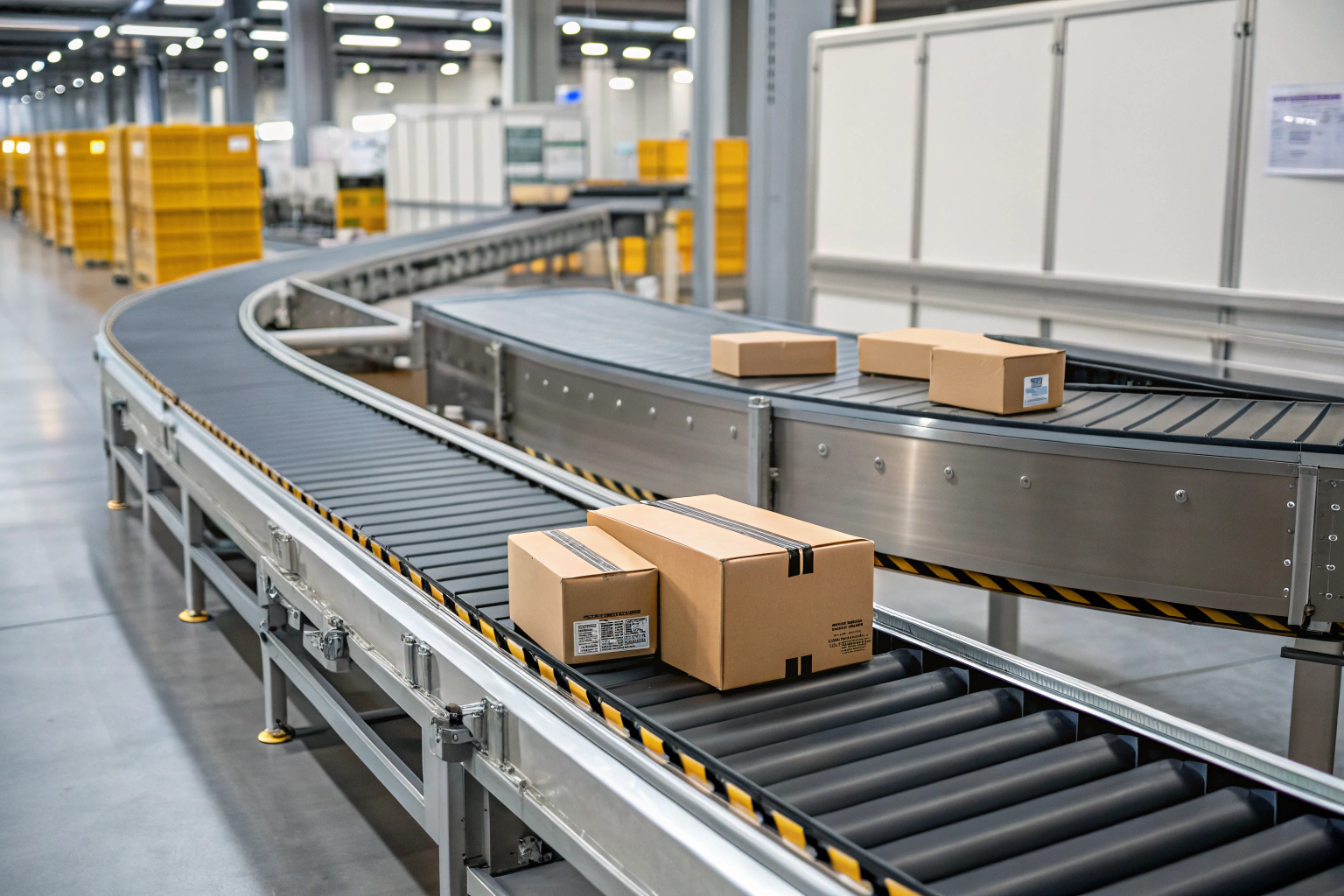
Products designed with jam-resistant profiles prevent the disruptions that plague automated conveyor systems. Successful implementations feature smooth surfaces without protrusions that can catch on conveyor transfers, consistent cross-sections that don't wedge in equipment, and secure internal packaging that prevents components from shifting and creating unpredictable geometries. These characteristics ensure smooth passage through the numerous transfers, merges, and sortation points in modern fulfillment centers.
The most effective structural designs incorporate rounded corners that prevent catching, rigid construction that maintains shape under pressure, and low-friction surfaces that slide easily through guided paths. Additionally, designs that prevent belt buckles from contacting packaging surfaces eliminate the puncture risks that can cause product damage and create debris that jams automation equipment. This comprehensive approach to jam prevention recognizes that automated systems have minimal tolerance for products that deviate from expected handling characteristics.
How Can Orientation Issues Be Designed Out?
Products designed for orientation-neutral handling eliminate the need for complex orientation systems that add cost and failure points. The most successful implementations create packages that handle identically regardless of which side faces up, with scannable surfaces on multiple sides, consistent weight distribution, and handling characteristics that don't depend on specific orientation. This approach dramatically simplifies automation requirements while improving reliability.
The orientation advantage extends to robotic picking where orientation-neutral packages don't require vision systems to determine proper gripping approach. Packages with symmetrical designs, balanced weight distribution, and consistent surfaces allow simpler, more reliable robotic handling without the complex programming needed for orientation-sensitive items. This simplification becomes increasingly valuable as fulfillment centers handle higher volumes with less tolerance for individual item attention.
What Information Systems Support Automated Fulfillment?
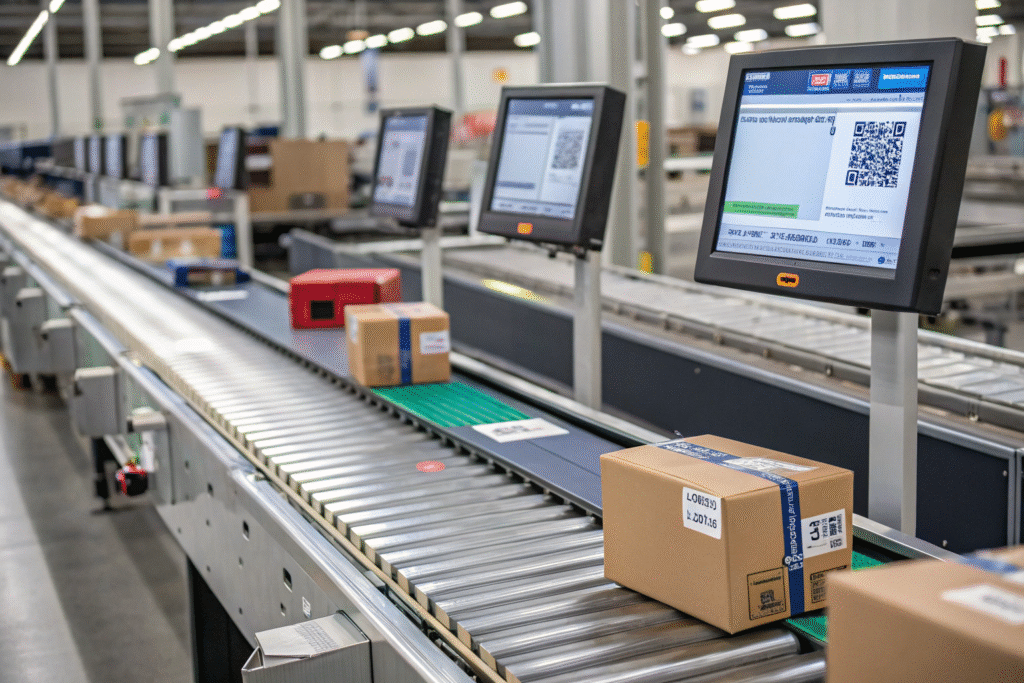
Embedded information and identification systems enable the data flow that automated fulfillment requires to function efficiently.
How Do Machine-Readable Identifiers Enable Automation?
Comprehensive machine-readable identification forms the foundation of automated fulfillment by allowing systems to identify and route products without human intervention. The most effective implementations include barcodes on multiple surfaces, RFID tags for bulk reading, and sometimes even QR codes that can contain additional product information. These identifiers must survive the entire fulfillment process without becoming damaged, obscured, or detached, requiring durable printing or embedding methods.
The identification system must work harmoniously with warehouse management systems, with codes that conform to standards that automation equipment can process reliably. This includes sufficient contrast for vision systems, appropriate size for reading distances, and data formats that integration systems can interpret correctly. The most sophisticated approaches verify scannability during production, preventing automation failures caused by identification problems that could have been detected earlier.
What Role Does Digital Product Information Play?
Beyond simple identification, digital product attributes enable advanced automation by providing systems with the information needed to make handling decisions. Dimensions, weight, center of gravity, fragility factors, and compatibility with specific automation systems all help automated equipment handle products appropriately. This metadata allows systems to automatically select proper handling methods without manual configuration for each new product.
The most advanced implementations include this digital product information in standardized formats that integrate directly with warehouse management systems. This enables features like automatic cartonization (selecting optimal shipping containers), dynamic routing based on product characteristics, and automated compliance with handling requirements for specific products. This data-driven approach represents the next evolution in automated fulfillment, where systems adapt to products rather than requiring products to conform to fixed handling parameters.
Conclusion
Designing belts for automated fulfillment systems requires a fundamental shift from designing for human handling to designing for machine interaction. The most successful implementations treat the entire product and packaging as an integrated system optimized for automated environments, with characteristics that enable reliable, efficient handling without manual intervention.
The significant operational advantages—reduced handling costs, minimized damage, improved shipping accuracy, and compatibility with evolving automation technologies—create compelling business cases for automation-conscious design. As e-commerce continues growing and automation becomes increasingly sophisticated, products designed for these environments will maintain competitive advantages through superior operational performance.
Ready to develop belt designs optimized for automated fulfillment? Contact our Business Director, Elaine, at elaine@fumaoclothing.com to discuss our design approaches that reduce handling costs while maintaining product appeal and protection.