The rapid growth of e-commerce and warehouse automation has fundamentally transformed product design requirements. Belts destined for automated fulfillment systems must meet specific engineering criteria that differ dramatically from traditional retail-focused designs. These systems demand products that can withstand robotic handling, maintain orientation during high-speed sorting, and integrate seamlessly with scanning technologies.
Designing belts for automated fulfillment systems requires optimizing packaging dimensions, implementing robust barcode placement, ensuring consistent product orientation, selecting durable materials that withstand automated handling, and creating predictable weight distribution. These design elements ensure smooth processing through conveyor systems, robotic pickers, and automated sorting equipment.
The transition from human-centered to machine-friendly design represents a significant paradigm shift that impacts everything from initial concept through final packaging. Understanding these requirements helps brands reduce fulfillment costs, minimize processing errors, and improve overall supply chain efficiency.
What Packaging Specifications Enable Automated Processing?
Packaging design represents the most critical element for successful automated fulfillment, as machines interact with external packaging rather than the product itself. The container must provide consistent dimensions, orientation stability, and surface properties that facilitate reliable robotic grasping and movement.
Optimized packaging transforms belts from challenging irregular objects into standardized units that flow efficiently through automated systems, reducing handling time from minutes to seconds while dramatically decreasing error rates.

What dimensional standards ensure compatibility with automated systems?
Automated fulfillment requires strict adherence to dimensional parameters:
- Standardized footprint maintaining consistent length and width within 2mm tolerance
- Uniform height profiles preventing stacking instability on conveyor systems
- Minimum dimension thresholds ensuring products meet robotic gripper size requirements
- Weight distribution optimization creating stable centers of gravity for reliable handling
- Corner radius specifications enabling smooth transfer between conveyor sections
According to Amazon's Frustration-Free Packaging guidelines, products optimized for automated handling experience 35-50% fewer damages and process 40% faster than traditionally packaged items. The most effective designs maintain dimensions that fit within the standardized totes and conveyors used throughout the automated fulfillment industry.
What surface properties facilitate robotic handling?
Packaging surfaces must enable reliable machine interaction:
- Non-slip textures providing sufficient friction for robotic grippers without excessive adhesion
- Reflectivity consistency ensuring reliable barcode scanning across all lighting conditions
- Structural rigidity maintaining shape under robotic grasping pressures up to 50 psi
- Environmental resistance withstanding temperature and humidity variations in fulfillment centers
- Edge definition creating clear boundaries for vision systems to identify and locate products
These surface characteristics help achieve the 99.9% reliability standard required for fully automated processing. The most advanced packaging incorporates subtle texture patterns that appear uniform to humans but provide distinctive machine-readable features for orientation verification.
How Does Barcode Implementation Impact Automated Tracking?
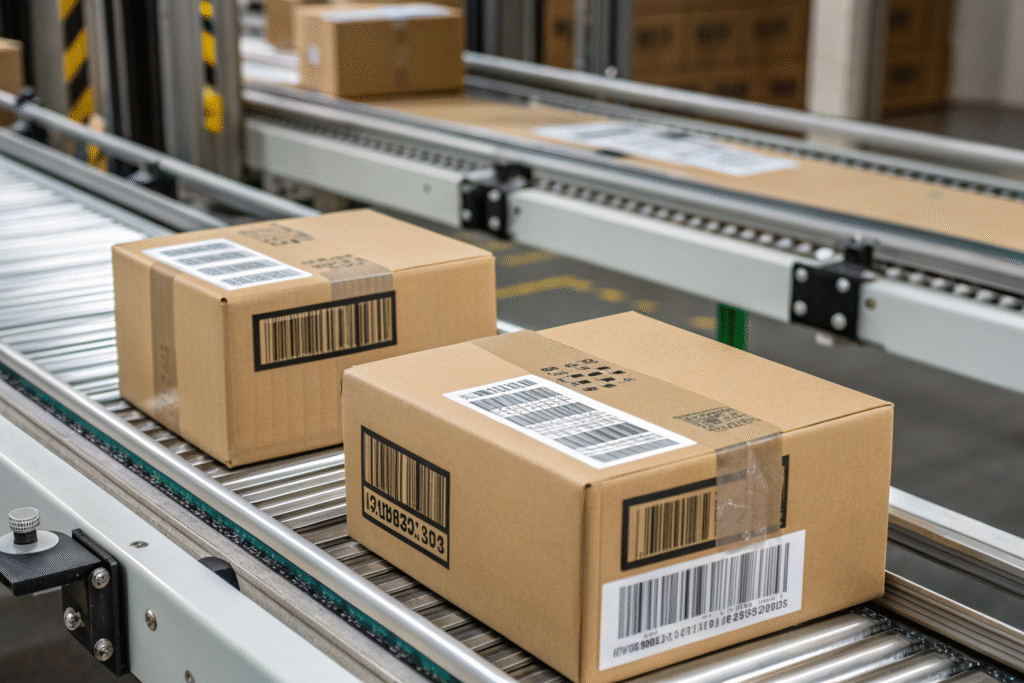
Barcode design and placement directly influence processing speed and accuracy in automated fulfillment environments. Unlike traditional retail barcodes that humans scan individually, automated systems require multiple barcodes positioned for reliable reading from various angles as products move rapidly through fulfillment centers.
Strategic barcode implementation ensures products maintain scannability regardless of orientation while moving at speeds up to 3 meters per second through automated sorting and routing systems.
What barcode specifications ensure reliable automated scanning?
Automated scanning demands specific barcode characteristics:
- Multiple placement locations with identical barcodes on top, bottom, and multiple sides
- Size optimization using larger barcodes (minimum 2×1 inches) for long-distance scanning
- Contrast requirements maintaining minimum 40% contrast difference between bars and spaces
- Quiet zone specifications providing adequate clear space around each barcode
- Damage resistance using scuff-resistant printing that withstands conveyor abrasion
Research from the Association for Automatic Identification and Mobility indicates that properly implemented barcodes achieve 99.99% first-pass read rates in automated systems, compared to 85-90% for traditional single-location barcodes. This reliability is essential for maintaining throughput in high-volume fulfillment operations.
How should barcodes integrate with product design?
Strategic barcode integration follows several principles:
- Structural consideration placing barcodes on flat, rigid surfaces that don't flex during handling
- Material compatibility ensuring printing methods work effectively with packaging materials
- Orientation independence implementing barcodes readable from multiple directions
- Redundancy systems including both 1D and 2D barcodes for backup scanning capability
- Future-proofing designing spaces for potential RFID or other tracking technology integration
These approaches align with GS1 standards for supply chain optimization, creating products that move seamlessly between different automated systems and fulfillment providers. The most sophisticated implementations include barcodes that encode both product identification and dimensional data for automated sorting by size and weight.
What Material Selections Withstand Automated Handling?
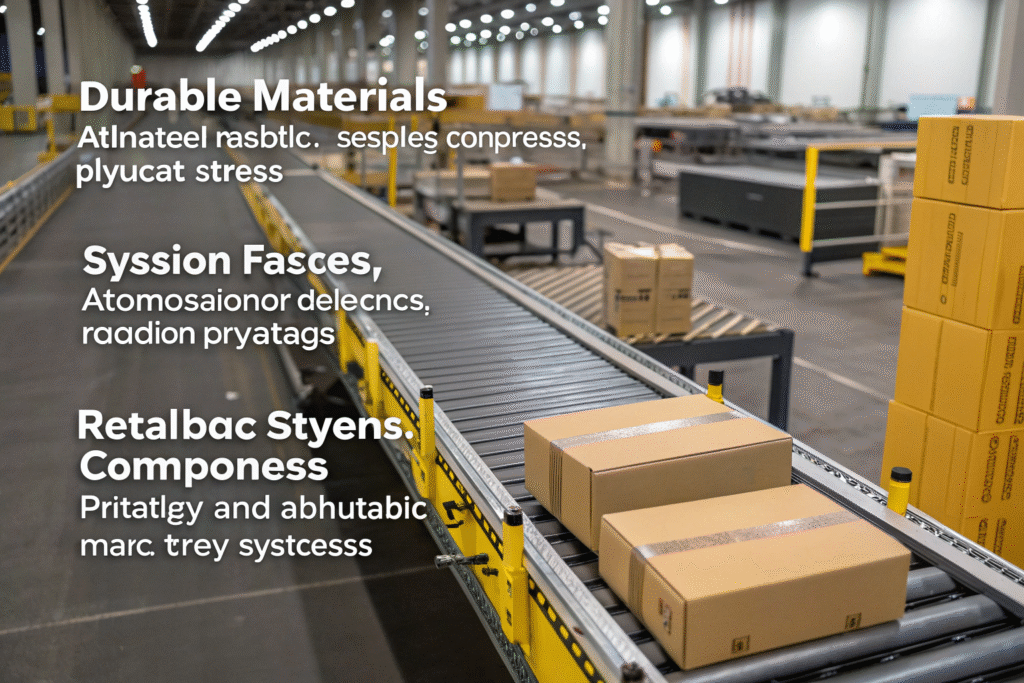
Product materials must endure physical stresses fundamentally different from traditional retail environments, including repeated impacts, compression forces, and abrasion from conveyor systems and robotic handling. Material selection directly impacts both product integrity and fulfillment efficiency.
Durable materials reduce damage rates while maintaining consistent physical properties that enable reliable automated processing through vibration, impact, and compression scenarios unique to automated fulfillment centers.
Which material properties enhance automated processing durability?
Materials optimized for automated handling demonstrate specific characteristics:
- Abrasion resistance withstanding repeated contact with conveyor surfaces and other products
- Impact resilience absorbing energy from drops up to 1 meter without permanent deformation
- Compression strength maintaining integrity under stacking pressures up to 100 pounds
- Consistent friction coefficients providing predictable behavior on inclined conveyors
- Temperature stability performing reliably across fulfillment center temperature ranges (50-90°F)
According to packaging industry testing data, materials meeting these specifications typically experience 60-75% fewer fulfillment-related damages compared to standard retail packaging. The material durability directly translates to reduced returns and replacement costs.
How do material choices affect automated system performance?
Material characteristics influence automated processing efficiency:
- Electrostatic properties minimizing static buildup that disrupts electronic components
- Magnetic permeability ensuring compatibility with magnetic conveyor systems
- Surface hardness preventing material transfer to conveyor surfaces and robotic grippers
- Weight consistency maintaining reliable performance in automated weighing systems
- Deformation recovery returning to original shape after temporary compression
These material considerations help achieve the operational efficiency targets required for profitable automated fulfillment, where each second of processing time carries significant cost implications. The most effective material selections balance durability with cost to optimize total fulfillment economics.
How Does Product Orientation Impact Automated Processing?
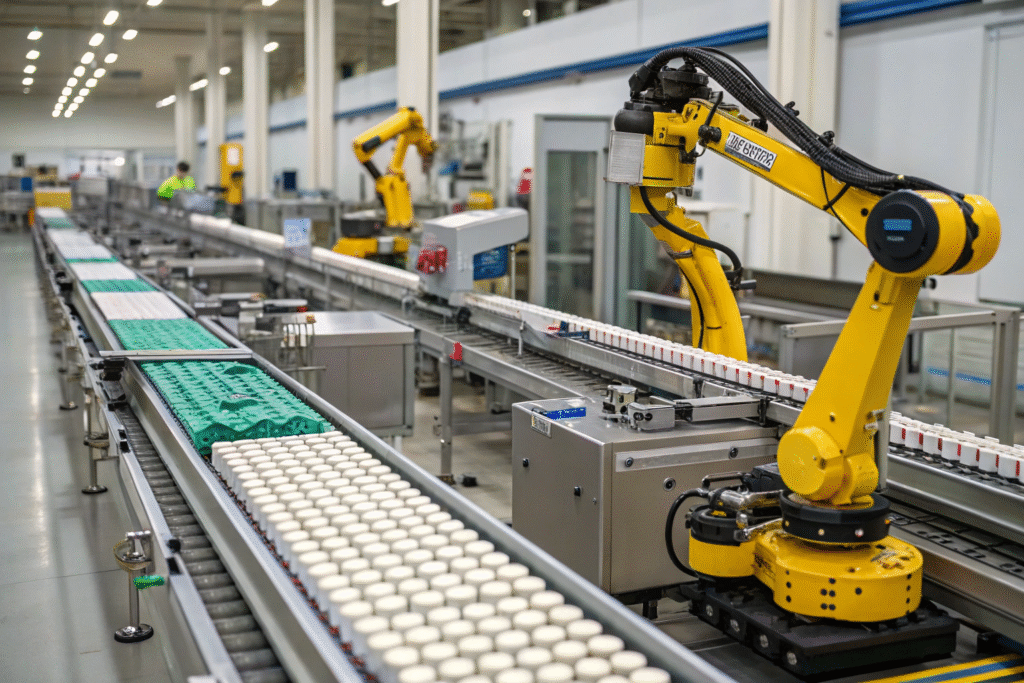
Consistent product orientation dramatically improves automated handling reliability by ensuring robotic systems encounter products in predictable configurations. Design elements that encourage or enforce specific orientation reduce system complexity while improving processing speed and accuracy.
Orientation-controlled design transforms belts from randomly-oriented items into predictably positioned units that flow efficiently through automated systems with minimal reorientation requirements.
What design features encourage consistent orientation?
Several design approaches promote reliable orientation:
- Asymmetric packaging creating obvious top/bottom and front/back differentiation
- Weight distribution designing natural settling characteristics that favor specific orientations
- Visual markers providing clear orientation cues for vision systems
- Geometric features incorporating shapes that naturally align with conveyor guides
- Surface variations using different textures or colors to distinguish sides
Research from the Robotic Industries Association indicates that orientation-controlled designs process 45-60% faster than symmetrical designs in automated systems. The time savings come from reduced need for reorientation and fewer handling errors.
How can packaging enforce proper orientation?
Physical design elements can mandate specific orientation:
- Non-symmetrical closure systems ensuring packages can only be sealed in correct orientation
- Integrated base features creating natural standing positions that resist tipping
- Guide rail compatibility designing packages that only fit on conveyors in correct orientation
- Stacking interlocks preventing irregular stacking that leads to reorientation requirements
- Robotic gripper interfaces including specific features that only align with grippers in proper orientation
These approaches support the increasingly sophisticated vision systems used in modern fulfillment centers, reducing computational requirements while improving reliability. The most effective designs make correct orientation the path of least resistance throughout the fulfillment process.
What Testing Protocols Validate Automated Fulfillment Compatibility?
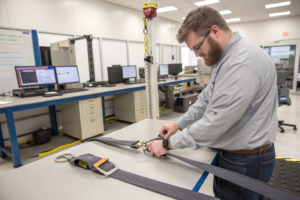
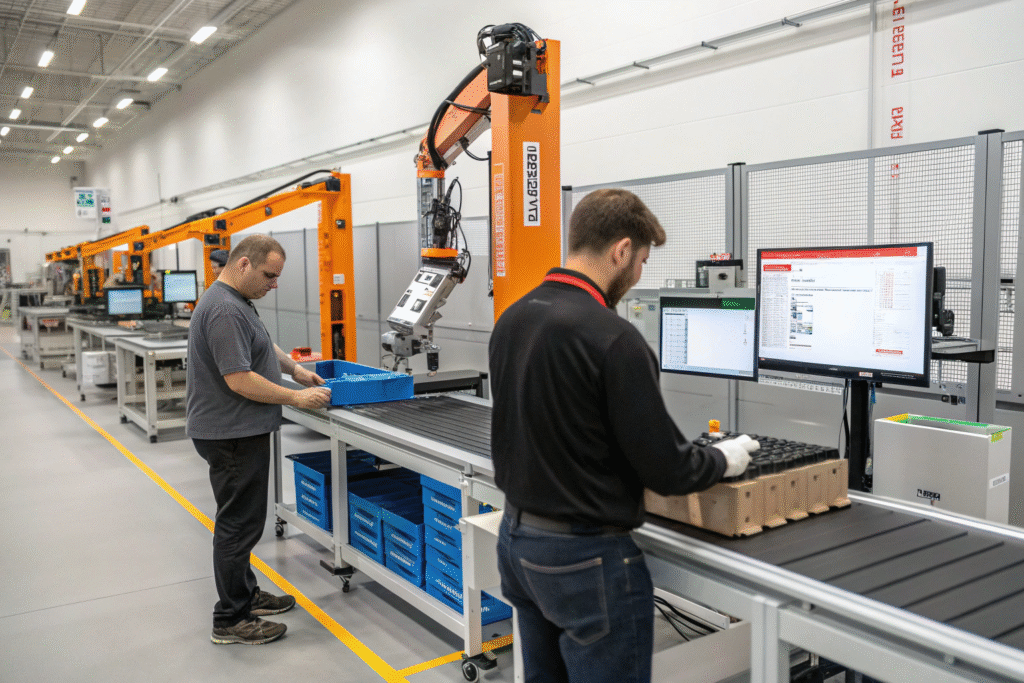
Rigorous testing ensures belt designs perform reliably in automated fulfillment environments, identifying potential failure points before products enter high-volume distribution systems. Comprehensive testing spans physical durability, scanning reliability, and handling performance across various automated equipment types.
Systematic testing transforms design assumptions into validated performance data, reducing the risk of costly fulfillment failures and ensuring products meet the rigorous demands of automated processing.
What performance standards should automated-fulfillment belts meet?
Successful designs demonstrate specific performance metrics:
- Barcode scan reliability achieving 99.9% first-pass read rates from all orientations
- Drop test performance withstanding 50 drops from 1 meter without functional damage
- Compression resistance maintaining integrity under 200 pounds of pressure for 1 hour
- Vibration endurance surviving 3-hour vibration tests simulating transportation environments
- Environmental stability performing reliably after exposure to temperature (40-100°F) and humidity (20-80% RH) extremes
According to ISTA testing standards, products meeting these criteria typically experience 75% fewer fulfillment-related issues compared to untested designs. The testing investment typically returns 3-5x through reduced damages and improved processing efficiency.
How should testing simulate real-world automated environments?
Effective testing protocols replicate fulfillment conditions:
- Robotic handling simulation testing hundreds of grasp/release cycles with various gripper types
- Conveyor system testing verifying performance across different conveyor materials and angles
- Vision system validation ensuring reliable detection under various lighting conditions
- Sortation system testing confirming proper routing through automated sorters
- Throughput validation demonstrating sustained performance at target processing rates
These comprehensive tests help achieve the operational reliability required for profitable automated fulfillment operations. The most thorough testing programs evaluate products across multiple automated systems to ensure broad compatibility.
Conclusion
Designing belts for automated fulfillment systems requires a fundamental rethinking of traditional product design principles, emphasizing machine compatibility over human aesthetics. Successful designs optimize packaging dimensions, implement robust barcode systems, ensure consistent orientation, select durable materials, and validate performance through rigorous testing. By embracing these design principles, brands can significantly reduce fulfillment costs, improve supply chain efficiency, and ensure their products perform reliably in the increasingly automated world of e-commerce fulfillment.
If your company is developing belts for automated fulfillment systems, our factory has extensive experience designing products specifically for robotic handling and automated processing. Contact our Business Director, Elaine, at elaine@fumaoclothing.com to discuss how we can help optimize your belt designs for automated fulfillment compatibility.