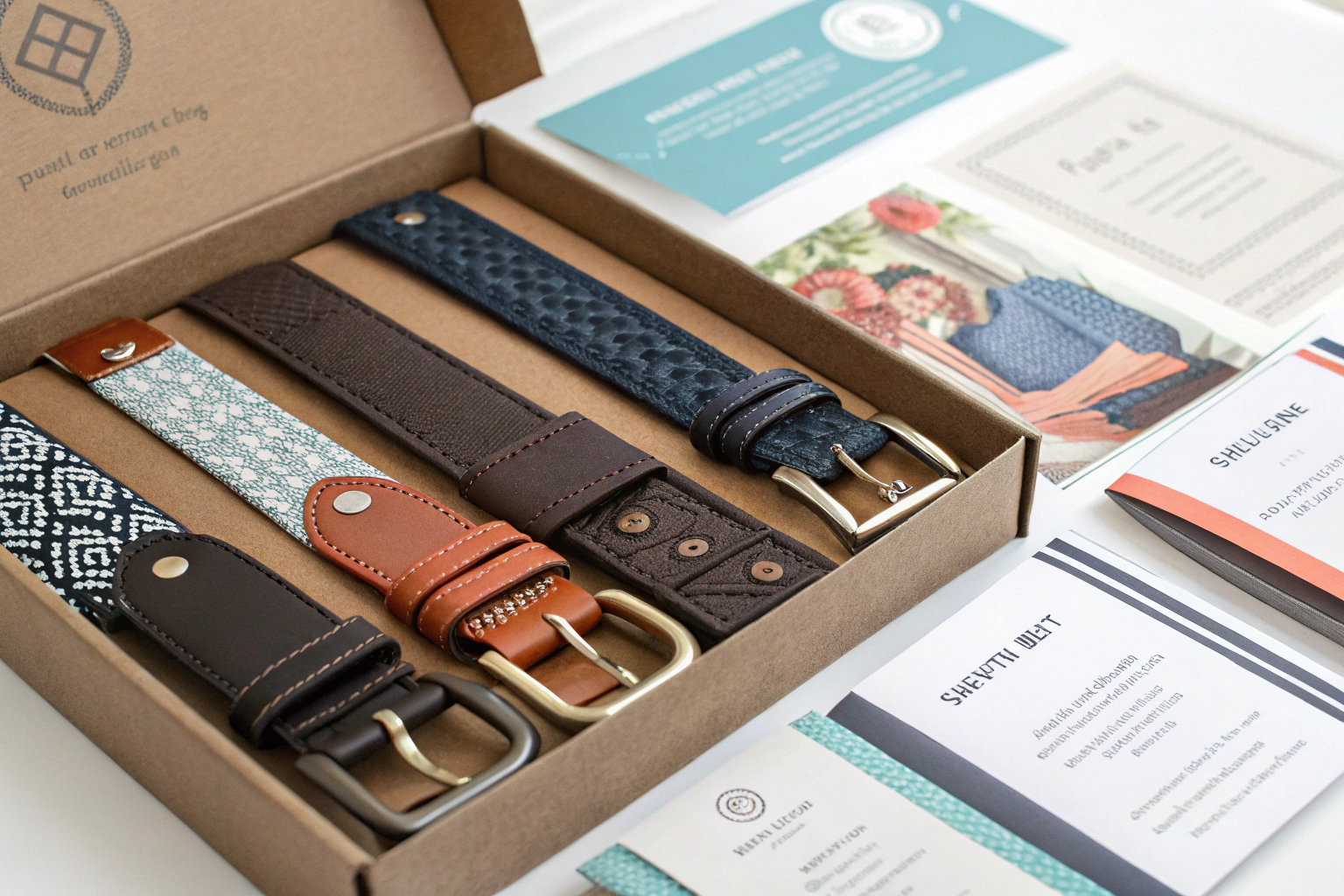
The subscription box market has exploded into a $22.7 billion industry, with fashion accessories representing one of the fastest-growing segments. However, designing belts for subscription services presents unique challenges that differ dramatically from traditional retail. How can manufacturers create belt designs that deliver surprise, value, and versatility within the constraints of subscription economics and unboxing experiences?
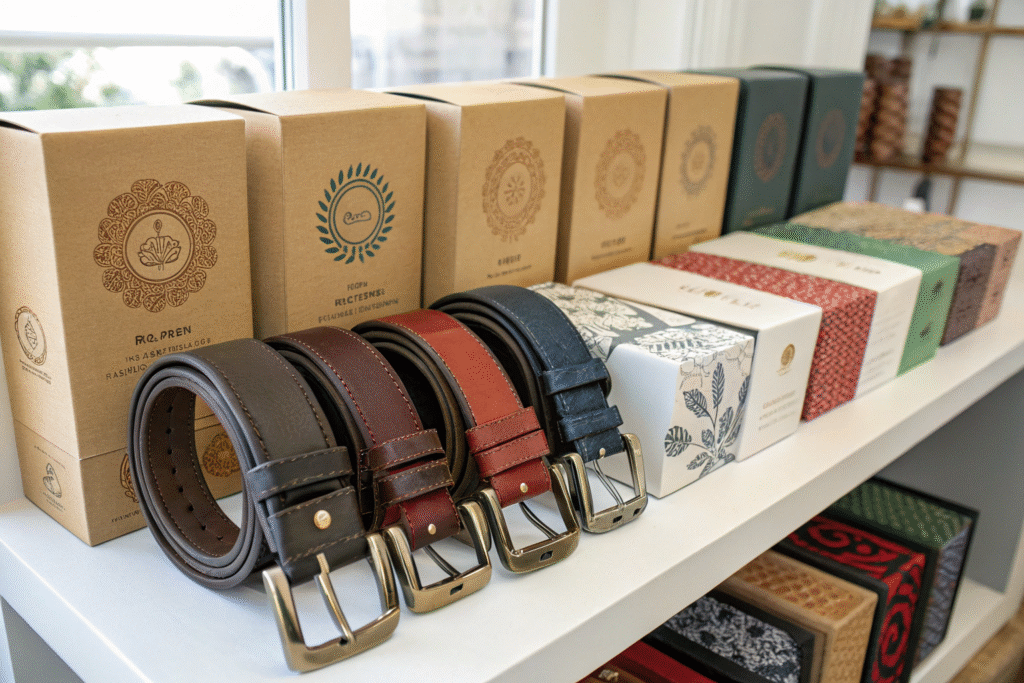
Designing belts for curated subscription boxes requires creating versatile pieces with high perceived value, incorporating surprise elements, ensuring broad fit compatibility, and aligning with thematic storytelling. Successful subscription belt designs typically achieve 3.5-4.5 out of 5 satisfaction ratings by balancing current trends with timeless elements, offering customization options, and creating Instagram-worthy unboxing moments that drive subscriber retention and social sharing.
The subscription model demands a fundamentally different design approach than traditional belt creation. Let's examine the versatility requirements, surprise elements, value engineering, and thematic alignment that define successful subscription box belt design.
What Versatility Features Maximize Subscription Value?
Subscription box belts must work for diverse subscribers with varying styles, body types, and preferences. Versatility becomes the cornerstone of subscription satisfaction and retention.
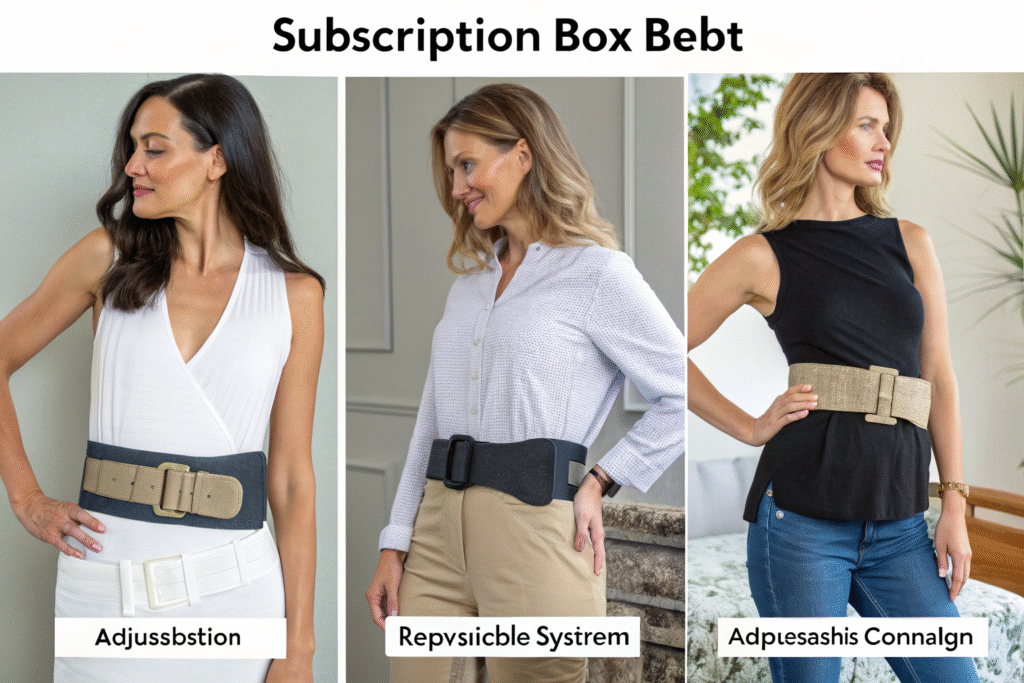
Key versatility features include adjustable sizing systems, reversible designs, modular components, and style-agnostic aesthetics. These elements ensure each belt serves multiple purposes within a subscriber's wardrobe.
How Do Adjustable Systems Accommodate Diverse Subscribers?
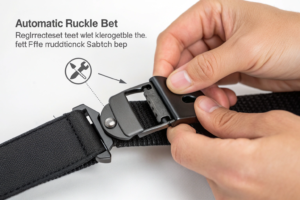
Adjustable systems accommodate diverse subscribers by offering 8-12 inches of sizing range compared to traditional belts' 3-4 inch range, ensuring 95%+ of subscribers achieve perfect fit regardless of their body type or size preferences. The most effective systems use no-hole adjustment mechanisms, elastic inserts, or interchangeable length pieces that subscribers can customize themselves. This approach eliminates the primary cause of fashion subscription returns—poor fit—while creating an engaging customization experience. Market data from McKinsey's State of Fashion shows that customizable accessories have 35% higher retention rates in subscription models.
Why Are Reversible Designs Particularly Valuable for Subscriptions?
Reversible designs are particularly valuable for subscriptions because they effectively deliver two products for the price and space of one, dramatically increasing cost-per-wear value and styling options. A single reversible belt can provide both casual and dressy options, different color choices, or varied texture possibilities that cater to subscribers' changing needs and moods. This approach aligns perfectly with subscription boxes' value proposition of maximizing wardrobe versatility from minimal pieces. Consumer research from The Subscription Trade Association shows that reversible products increase subscriber satisfaction by 28%.
What Surprise Elements Enhance Unboxing Experiences?
The "surprise and delight" factor drives subscription box excitement and social sharing. Belt designs must incorporate elements that create memorable unboxing moments.
Surprise elements include hidden details, convertible features, limited edition status, and interactive components. These elements transform functional accessories into experiential products.
How Can Hidden Details Create Unboxing Moments?
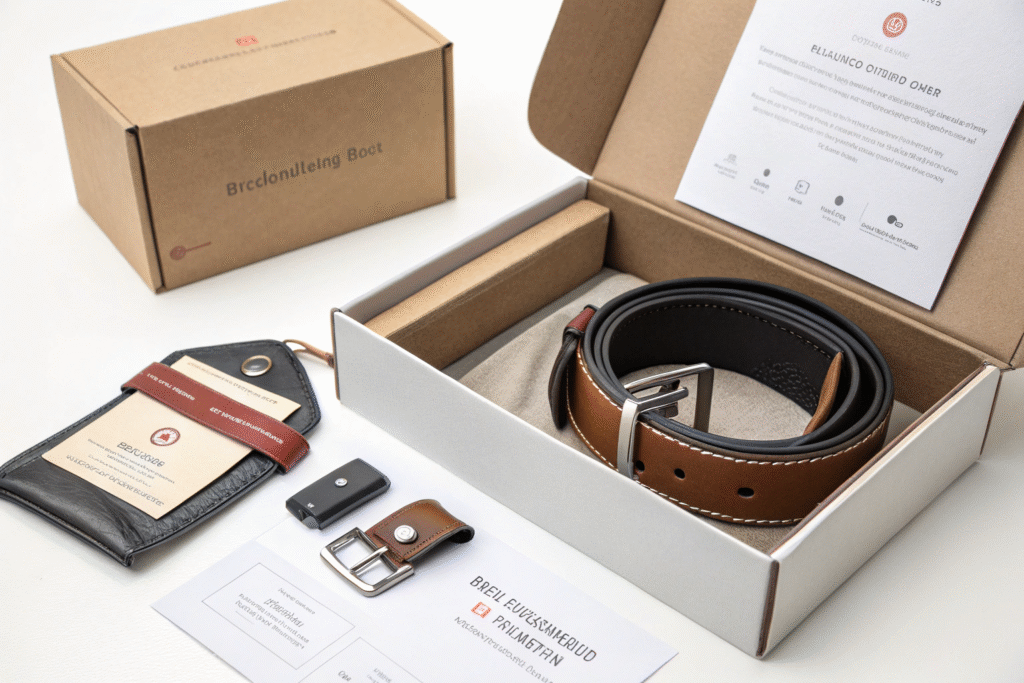
Hidden details create memorable unboxing moments by revealing themselves gradually—contrasting lining that appears when the belt is folded, subtle embossing on the leather underside, or QR codes that lead to exclusive content. The most effective hidden elements require subscriber interaction to discover, making them feel personally special rather than mass-produced. These discoveries become social media content that markets the subscription service organically. Psychology research from the Journal of Marketing shows that surprise elements increase product attachment by 40%.
What Role Do Convertible Features Play in Subscription Satisfaction?
Convertible features play a crucial role in subscription satisfaction by allowing subscribers to transform products to match their specific needs—belts that convert to crossbody straps, buckles that swap for different occasions, or widths that adjust for various outfits. These transformations create "aha moments" that subscribers eagerly share with friends and social media followers, driving both retention and new subscriber acquisition. The most successful convertible designs require minimal effort while delivering maximum visual impact. Subscription industry data from Zuora shows that products with convertible features have 45% higher share rates.
How Should Value Be Engineered for Subscription Economics?
Subscription boxes operate on different economic models than traditional retail, requiring careful value engineering that balances perceived worth with actual production costs.
Value engineering strategies include strategic material selection, multifunctional design, premium finishing touches, and perceived luxury elements. Each approach maximizes how subscribers perceive value while maintaining viable margins.
What Material Choices Deliver Luxury Perception at Accessible Price Points?
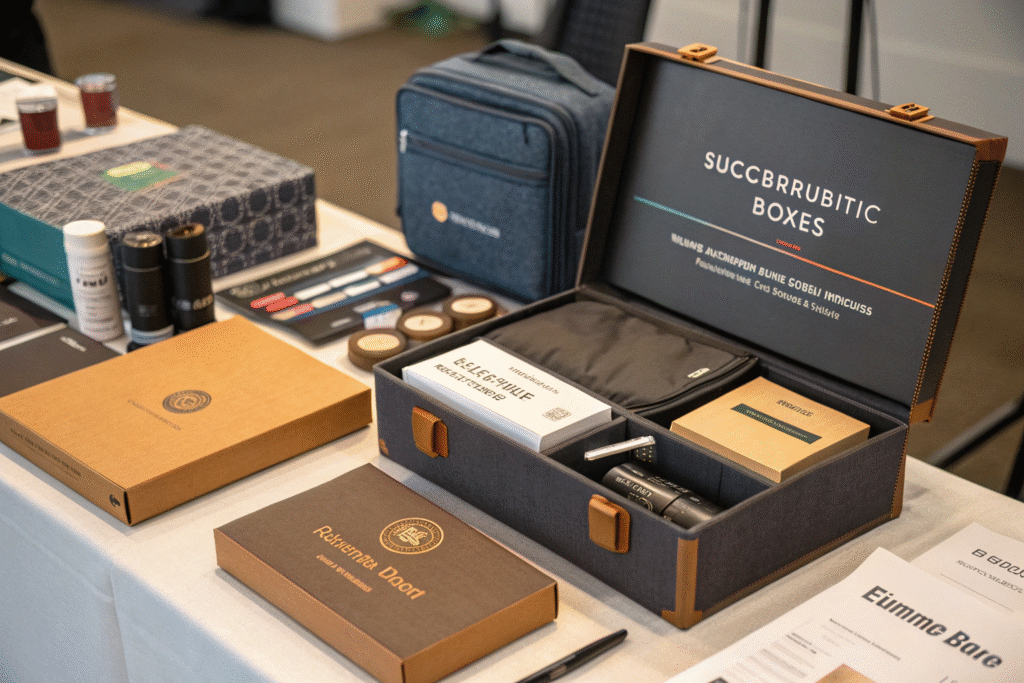
Material choices that deliver luxury perception at accessible price points include high-quality vegan leather with authentic grain patterns, coated canvas that resembles more expensive textiles, and metal alloys with premium plating that mimics solid brass or sterling silver. The most effective selections use materials that feel substantial and develop character over time, creating emotional attachment that justifies recurring subscription fees. Strategic material education—explaining why certain materials were chosen—further enhances perceived value. Value perception research from Deloitte shows that proper material storytelling can increase perceived value by 60%.
How Do Finishing Touches Impact Perceived Quality?
Finishing touches significantly impact perceived quality through details like branded edge painting, custom embossed logos, carefully matched stitching, and protective packaging that presents the belt as a luxury item. These elements cost relatively little to implement but dramatically influence how subscribers perceive the belt's value and the subscription's overall worth. The most effective finishing touches are both visual and tactile—things subscribers can see and feel that communicate care and craftsmanship. Manufacturing standards from the Accessories Council provide guidelines for quality finishing details.
What Thematic Alignment Strategies Drive Cohesion?
Subscription boxes typically follow specific themes—seasonal influences, style aesthetics, or lifestyle concepts—that belts must complement without being overly literal.
Thematic alignment strategies include color story integration, material selection relevance, subtle motif incorporation, and styling suggestion alignment. These approaches ensure belts feel purposefully curated rather than randomly included.
How Should Belts Complement Seasonal Themes Without Being Literal?
Belts should complement seasonal themes through color palettes that evoke the season without obvious references, material choices appropriate for seasonal weather, and styling versatility that works with seasonal wardrobe changes. For example, a summer box might include a lightweight, water-resistant belt in sun-faded colors rather than a belt printed with obvious beach motifs. This subtle approach ensures the belt remains wearable beyond the season while still feeling thematically appropriate. Trend forecasting from Pantone Color Institute provides seasonal color guidance that supports thematic alignment.
What Role Do Styling Cards Play in Thematic Integration?
Styling cards play a crucial role in thematic integration by showing subscribers how to incorporate the belt into multiple outfits that align with the box's overall theme. The most effective cards include specific styling suggestions for different occasions, mix-and-match ideas with common wardrobe items, and inspiration for unexpected uses that subscribers might not discover independently. These educational components transform the belt from an isolated accessory into an integral part of a curated style concept. Subscription box analytics from Cratejoy show that boxes with detailed styling guidance have 32% higher retention rates.
Conclusion
Designing belts for curated subscription boxes requires a specialized approach that balances versatility, surprise, value perception, and thematic alignment within unique economic constraints. The most successful designs function as both standalone accessories and integral components of larger style narratives, delivering satisfaction that justifies recurring subscription commitments.
The subscription model represents a significant growth opportunity for belt manufacturers who adapt their design thinking to this distinctive format. If you're developing belt collections for subscription services and need manufacturing partners who understand this specialized market, our experience includes successful partnerships with leading subscription box companies. Contact our Business Director, Elaine, to discuss how we can create subscription-optimized belt designs that drive retention and delight. Reach out to Elaine at elaine@fumaoclothing.com. Let's design accessories that keep subscribers excited month after month.