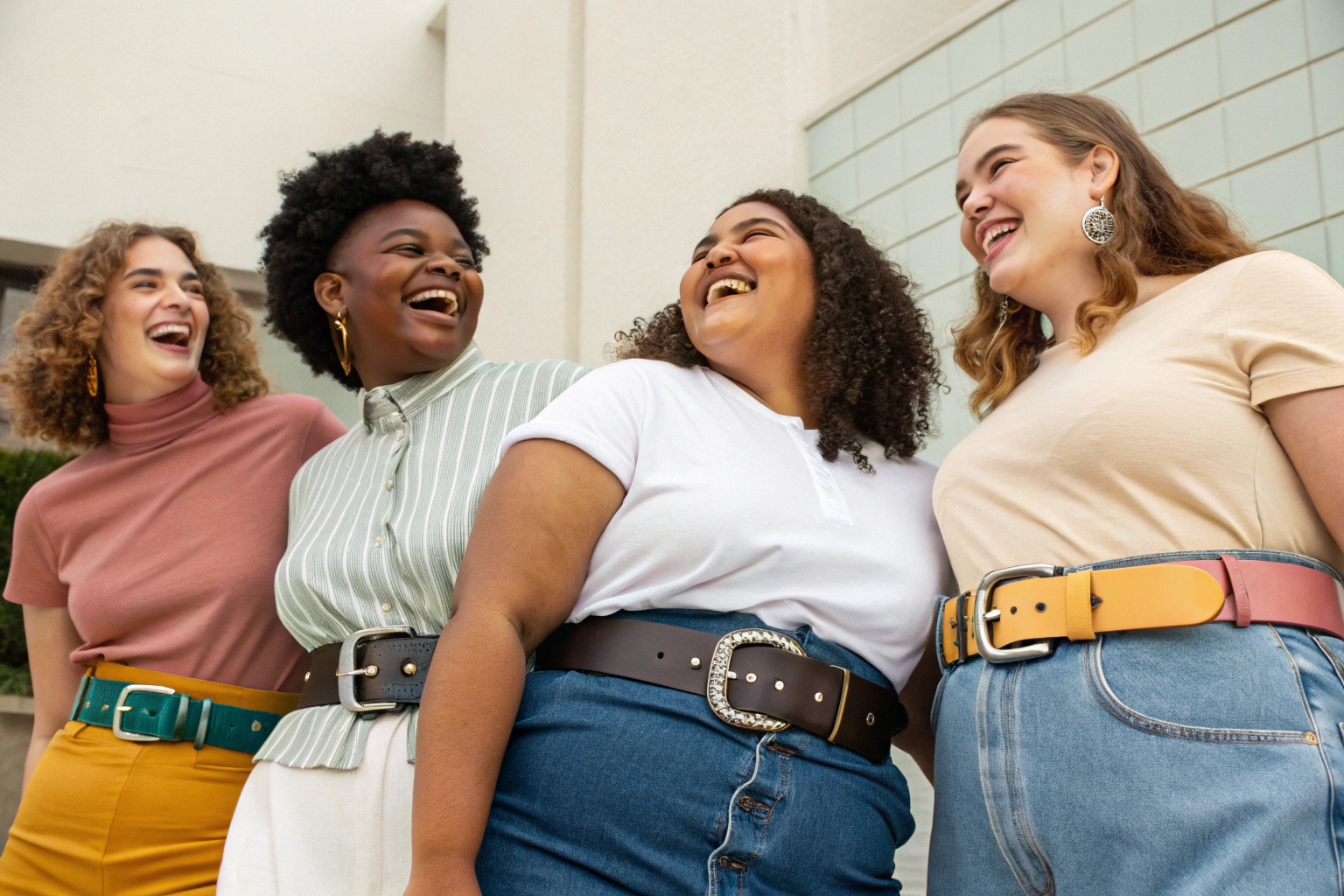
Are you losing customers because your belt sizes don't fit them properly? The fashion industry often overlooks people at both ends of the size spectrum. This exclusion means missed sales opportunities and frustrated customers who can't find belts that work for their bodies. As a manufacturer working with diverse global brands and retail partners, we've seen how inclusive design drives customer loyalty.
Designing belts for extended size inclusivity involves creating extended size ranges, implementing adjustable fastening systems, selecting appropriate materials that accommodate different body types, and ensuring consistent style across all sizes. The goal is to create belts that are functional, fashionable, and accessible to people of all shapes and sizes.
Inclusive design isn't just about social responsibility—it's smart business that expands your market reach. We will explore practical strategies for creating belts that truly work for every body. Continue reading to learn how to transform your sizing approach and capture this underserved market.
What Size Range Truly Qualifies as Inclusive?
Many brands claim inclusivity but only offer minimal size extensions. True inclusivity means covering the full spectrum of adult waist sizes without compromising on style or quality. Customers notice when sizing feels like an afterthought.
A truly inclusive size range should span from approximately 20 inches to 60 inches in waist circumference, covering both straight and plus-size markets. This range ensures that petite belts through extended size belts are available, representing the actual diversity of consumer body types.
How Should You Segment Your Size Range?
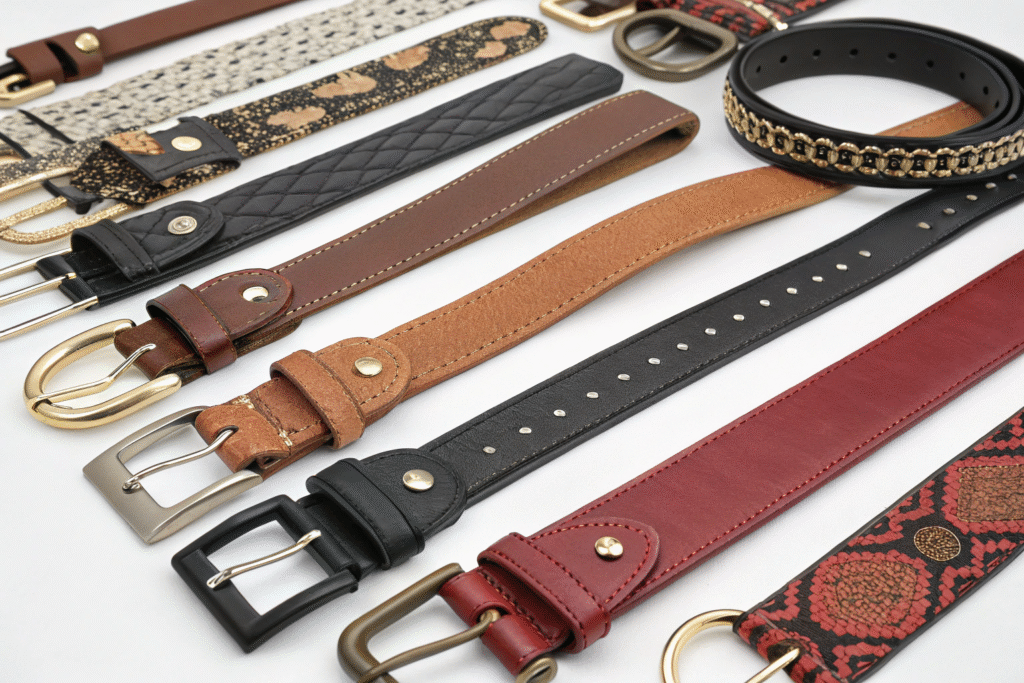
Rather than one continuous range, consider creating size categories: XS-S (20-32"), M-L (30-42"), and XL-4XL (40-60+"). This segmentation allows for proportional scaling of belt width, buckle size, and hole placement. For fashion belts, this means the visual impact remains consistent regardless of size. Each category should feature specifically designed belt buckles that are proportionally appropriate for the belt width and wearer's frame.
What Measurement Standards Ensure Proper Fit?
Use standardized body measurements rather than arbitrary size labels. Work from comprehensive anthropometric data that considers how waist shape changes with size. For plus-size belts, remember that proportion and weight distribution affect how a belt sits and functions. Consistent quality control across all sizes ensures that a size 52 belt offers the same premium experience as a size 28.
Which Fastening Systems Offer Maximum Flexibility?
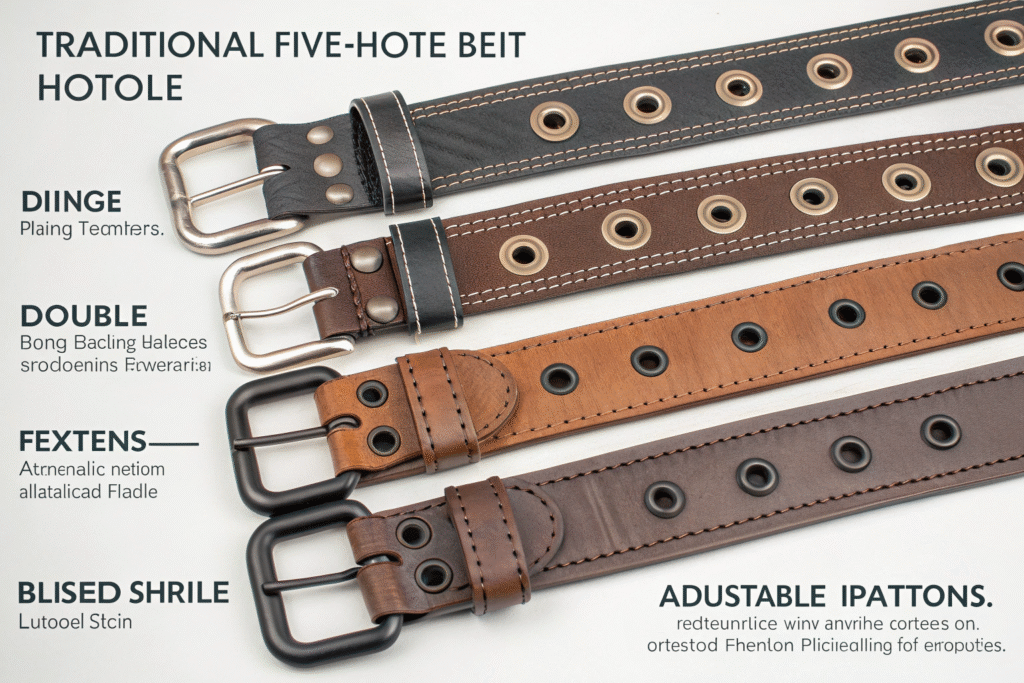
Traditional five-hole belt systems fail to provide the precise fit needed across diverse body types. Limited adjustment options leave customers between sizes, causing discomfort and dissatisfaction.
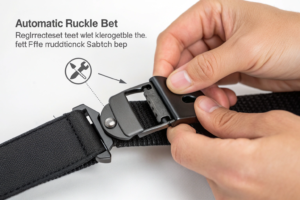
The most flexible fastening systems for inclusive belts include ratchet mechanisms, double-ring designs, extended hole patterns, and adjustable slide buckles. These systems provide micro-adjustability that accommodates weight fluctuations and different body shapes throughout the day.
How Do Ratchet Mechanism Belts Enhance Inclusivity?
Ratchet belt systems like those used in no-hole belts offer up to 40 adjustment points versus the standard 5 holes. This allows for precise fit without being limited to predetermined hole placements. For extended sizing, this technology is revolutionary—the same belt can comfortably fit a wider range of waist sizes without compromising style or requiring multiple belt purchases during weight changes.
What Are the Benefits of Double-Ring and Slide Buckles?
Double-ring systems (D-ring buckles) and slide buckles provide continuous adjustability within the belt's length parameters. These adjustable belts are particularly effective for casual styles and fashion-forward designs where traditional buckles might not scale appropriately for larger sizes. Their flexibility makes them ideal for unisex belts that need to accommodate different body shapes with a single design.
How Should Materials Differ Across Size Ranges?
Using identical materials across all sizes creates functional and aesthetic problems. Larger belts require different material considerations to ensure comfort, durability, and proportional aesthetics.
Material selection should vary by size category to account for different stress points, flexibility requirements, and visual proportions. This thoughtful approach ensures that genuine leather belts in larger sizes perform as well as standard sizes without appearing bulky or stiff.

What Leather Considerations Apply to Extended Sizes?
For leather belts in extended sizes, select hides with appropriate thickness and flexibility. Thinner, more supple leathers often work better for larger sizes as they conform comfortably to the body without excessive stiffness. The finishing process should ensure consistent color and texture across all sizes, which requires special attention during production quality checks for larger pieces.
How Do Synthetic Materials Support Inclusivity?
High-quality synthetic leather and reinforced webbing materials offer consistent performance across extended sizes without the natural variations found in leather. These materials can be engineered for specific flexibility and strength requirements, making them ideal for active wear belts and larger sizes where material integrity is crucial. Their uniformity also helps maintain consistent pricing across the size range.
What Design Elements Must Scale Proportionally?
Simply extending belt length without adjusting other elements creates products that look and feel wrong. Proportional scaling ensures that every size looks intentionally designed rather than just made bigger or smaller.
Design elements that must scale proportionally include belt width, buckle size, hole placement (if using traditional systems), tip length, and overall hardware proportions. This attention to detail separates truly inclusive design from simple size extension.
How Should Buckle Size Relate to Belt Width?
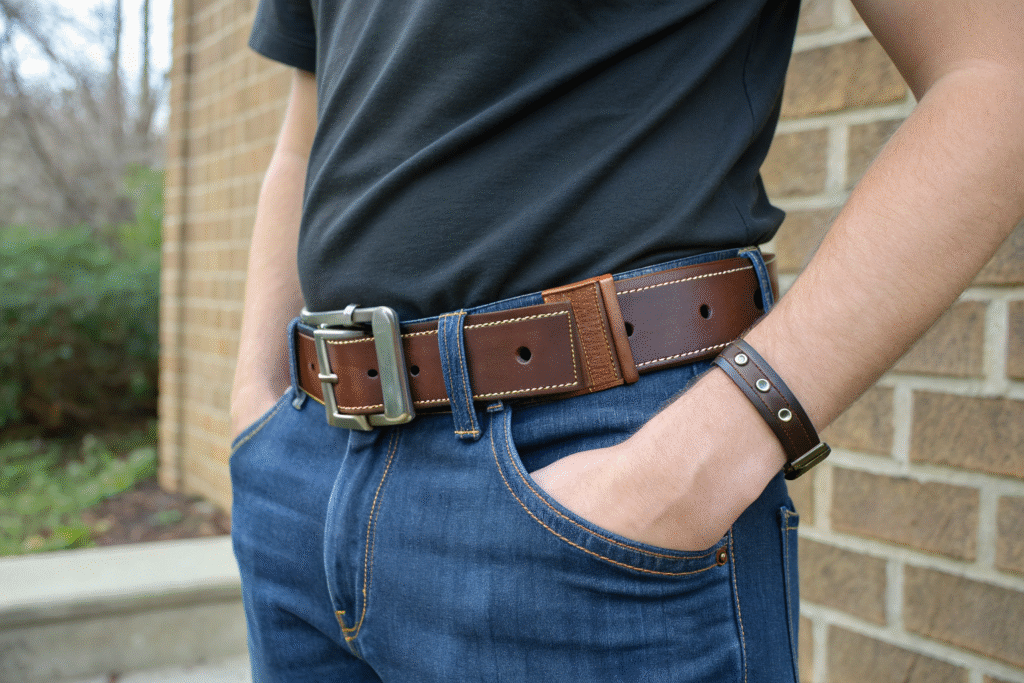
Buckle width should generally be 1.5 to 2 times the belt width for visual balance. As belt width increases for larger sizes, buckle size should increase accordingly. For example, a 1.5-inch wide dress belt might feature a 2.5-inch buckle, while a 2-inch wide plus-size belt would need a 3.5 to 4-inch buckle. This proportional approach ensures the belt buckle complements rather than overwhelms the wearer's frame.
Why Does Hole Placement Matter in Extended Sizes?
Traditional equal hole spacing doesn't work across extended size ranges. For larger sizes, the distance between holes should increase slightly to account for the greater circumference each increment represents. Additionally, the number of holes should increase—while a standard belt might have 5 holes, an extended size belt might need 7-9 holes to accommodate the same percentage of adjustability. This detailed approach to belt manufacturing demonstrates genuine understanding of diverse fitting needs.
Conclusion
Designing belts for extended size inclusivity requires thoughtful consideration of size ranges, adjustable fastening systems, appropriate materials, and proportional scaling of all design elements. This approach not only serves underserved markets but also creates better products for all customers. By implementing these strategies, you can transform your belt line into truly inclusive fashion accessories that celebrate body diversity while driving business growth through expanded market reach.
If you're ready to create inclusive belt collections that truly work for every body, our manufacturing expertise can help. We specialize in proportional design and extended sizing across all belt categories. Contact our Business Director, Elaine, to discuss your inclusive design needs and explore our sample options. Reach her at elaine@fumaoclothing.com. Let's work together to create belt lines that welcome every customer with perfect fit and style.