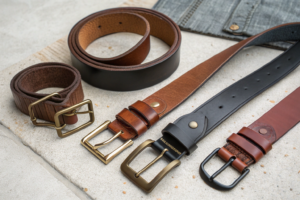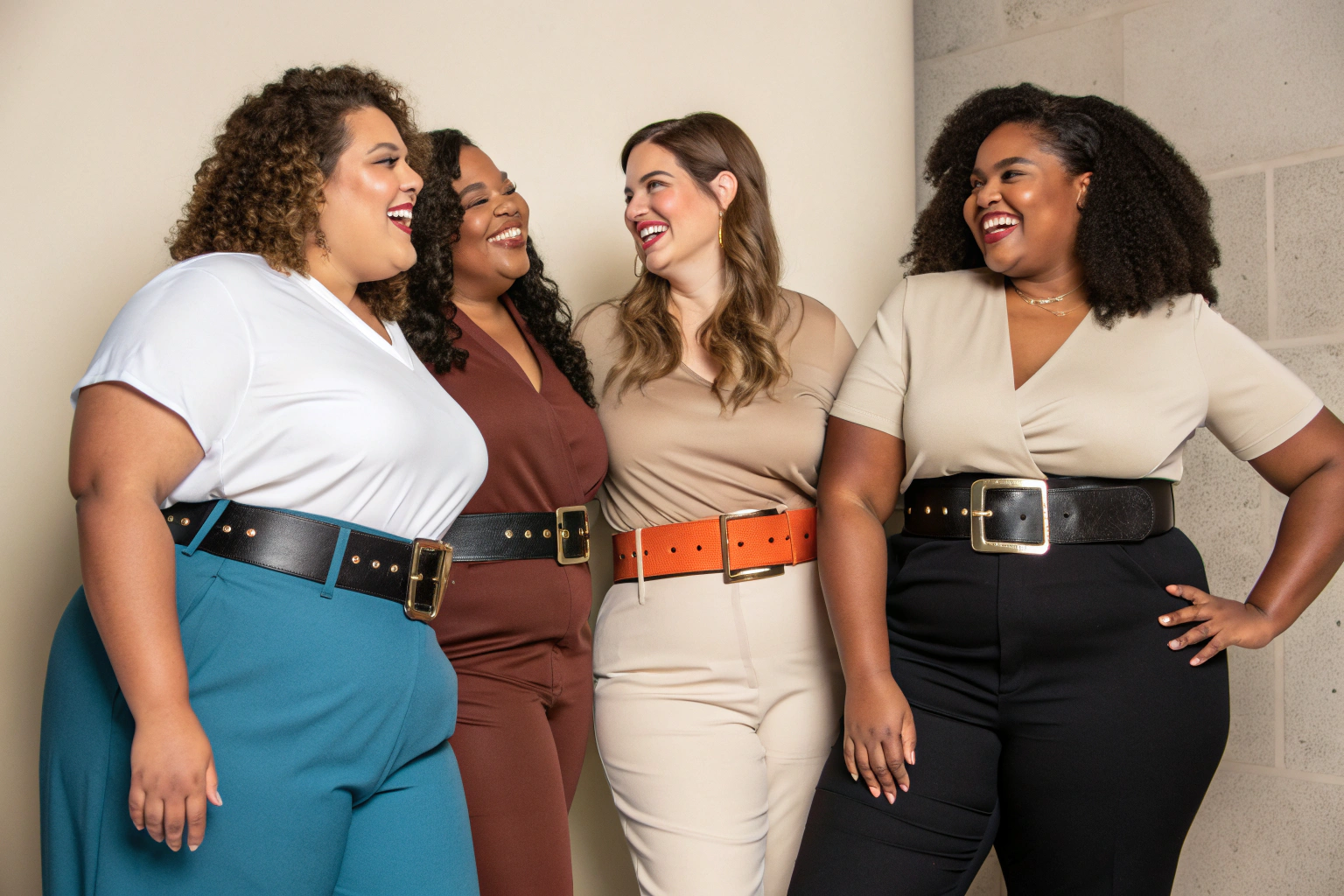
The fashion industry has made significant strides in clothing inclusivity, but accessories like belts often remain an afterthought. Plus-size individuals frequently encounter belts that are simply scaled-up versions of standard designs, failing to address their unique proportions, comfort needs, and style preferences. This oversight creates products that gap, dig, or simply don't function properly for larger body types.
Designing belts for plus-size fashion inclusivity requires understanding proportional scaling beyond simple length extension, creating shapes that follow natural curves, selecting materials that accommodate soft tissue, and implementing adjustment systems that handle weight fluctuations. Successful designs must address both physical comfort and psychological confidence, creating accessories that enhance rather than constrict the wearer's natural shape.
The plus-size market represents a substantial opportunity for brands willing to invest in proper research and design. This guide explores the technical considerations, material choices, and fit solutions that make belts work for larger figures while maintaining style and comfort.
What Structural Adaptations Ensure Proper Fit for Curves?
Standard belt construction assumes a relatively cylindrical torso shape, but plus-size bodies feature more pronounced differences between waist and hip measurements, softer tissue distribution, and varied fat distribution patterns. This fundamental shape difference requires specific structural adaptations to prevent common fit issues.
Structural adaptations for plus-size proportions include graduated width tapering, strategic curvature in the belt body, reinforced stress points, and flexible core materials. These modifications work together to create belts that follow natural body contours rather than fighting against them.
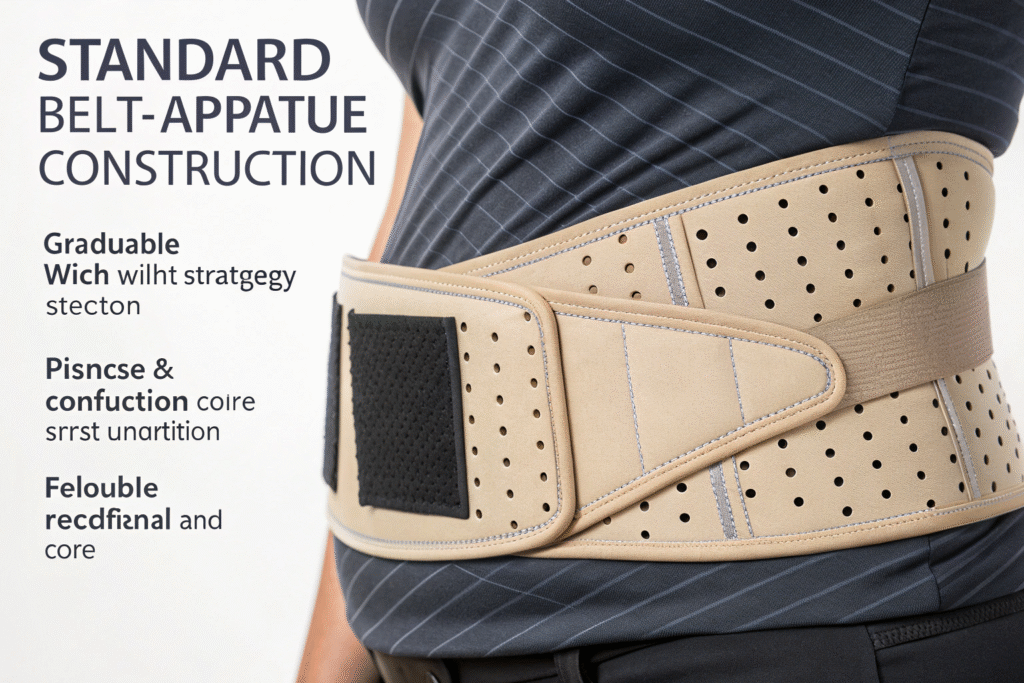
Why Does Graduated Width Tapering Improve Comfort?
Standard uniform-width belts create excessive pressure at the waist while providing insufficient support at the hips. Graduated tapering that widens toward the back distributes pressure more evenly and prevents the digging sensation common with straight belts. This approach acknowledges that different areas of the body require different levels of support and containment, with wider sections providing stability over softer tissue areas.
How Does Strategic Curvature Prevent Gaping?
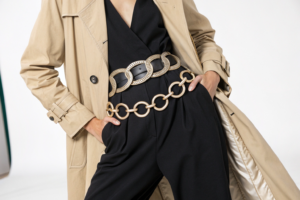
Straight belts inevitably gap at the back on curvy figures because they cannot simultaneously contact both the waist indentation and hip curvature. Incorporating pre-shaped curvature that mirrors the body's natural silhouette maintains consistent contact throughout the waistline. This eliminates the unsightly gaping that makes many plus-size individuals avoid belts entirely while providing better weight distribution.
Which Materials Best Accommodate Plus-Size Proportions?
Material selection dramatically impacts how belts perform on plus-size figures. Stiff materials resist conforming to natural shapes, while overly flexible materials may not provide sufficient structure. The ideal materials balance flexibility with enough body to maintain the designed shape.
Moderately flexible leathers, specialized elastics, multi-layer constructions, and advanced technical fabrics provide the ideal combination of give and structure for plus-size bodies. These materials move with the wearer while maintaining their shape integrity throughout daily activities.
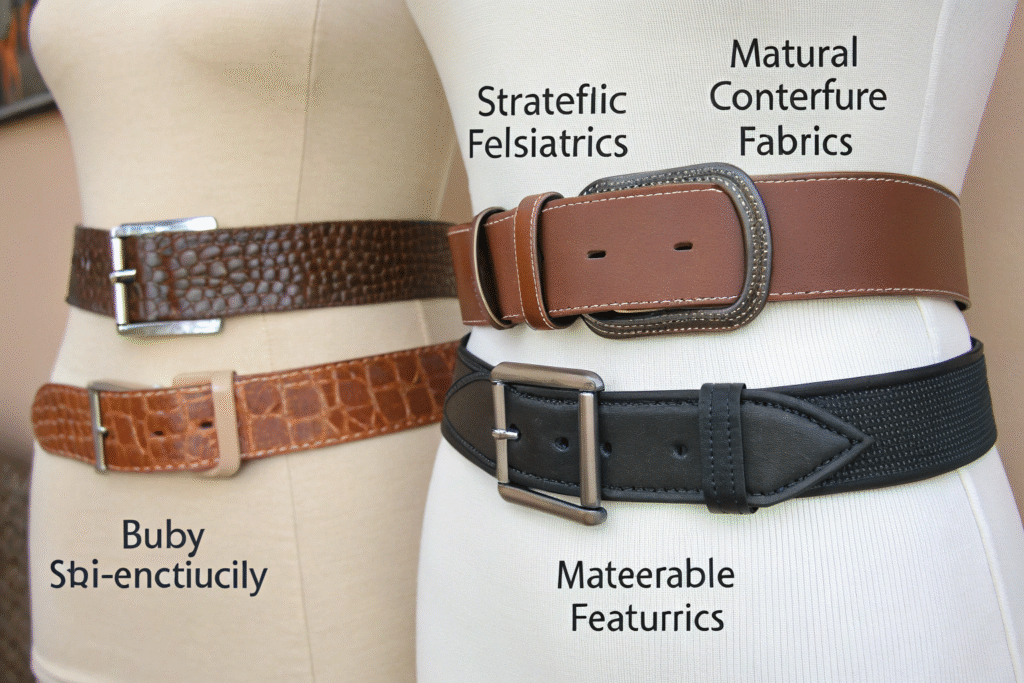
Why Do Multi-Layer Constructions Provide Superior Performance?
Single-layer materials often compromise between flexibility and structure, but multi-layer belt construction allows different properties in different zones. A firm outer layer maintains appearance while a flexible inner layer conforms to body contours, creating comfort without sacrificing the belt's visual integrity. This approach solves the common dilemma between comfort and appearance that plagues many plus-size accessories.
How Do Strategic Elastic Inserts Enhance Movement?
Incorporating elastic sections at key stress points allows the belt to expand and contract with body movements like sitting and bending. Unlike fully elastic belts that may lose their shape, strategic inserts maintain the belt's overall structure while providing flexibility where needed most. This targeted approach addresses the specific movement patterns and size fluctuations common among plus-size individuals.
What Buckle Systems Work Best for Plus-Size Figures?
The buckle represents a critical fit point that can create uncomfortable pressure or dig into soft tissue. Standard buckle designs often fail to account for the greater abdominal curvature and softer tissue common in plus-size body types.
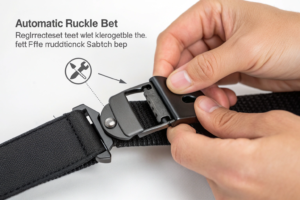
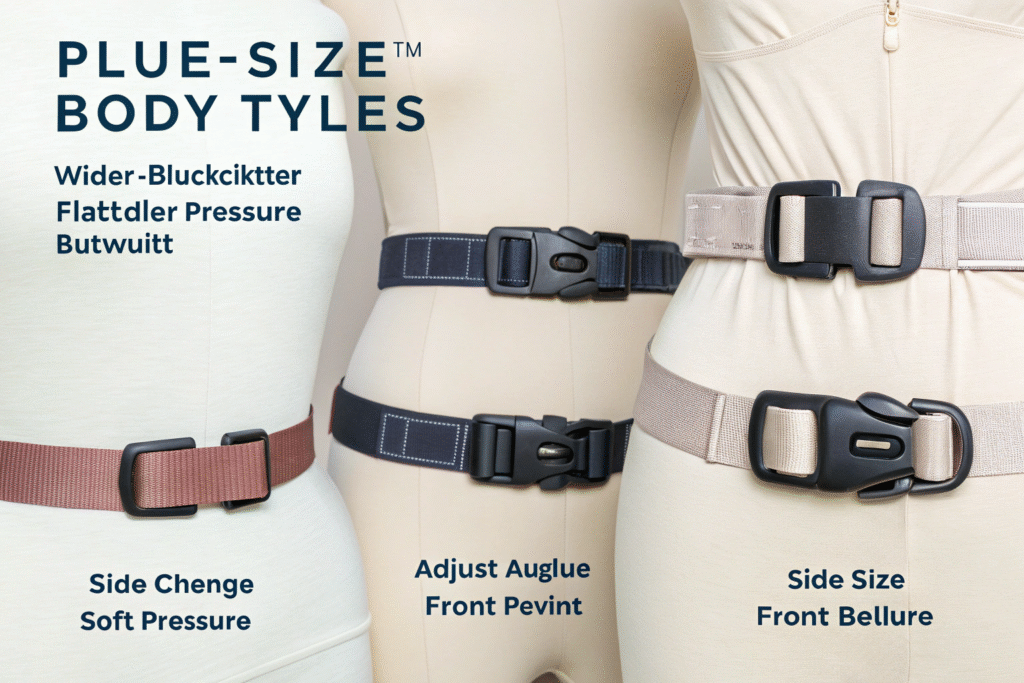
Wider, flatter buckles that distribute pressure, swivel mechanisms that adjust to angle changes, and side-release designs that avoid front pressure points work best for plus-size proportions. These specialized systems address the specific challenges that standard buckles create for fuller figures.
Why Do Swivel Mechanisms Improve Angle Accommodation?
Fixed buckles create pressure points because they cannot adjust to the changing angles of a curved torso. Swivel buckle systems that rotate to maintain flush contact with the body distribute pressure evenly regardless of how the belt sits on the waist. This simple mechanical adjustment prevents the digging that makes traditional buckles uncomfortable for many plus-size individuals, particularly those with prominent abdominal curves.
How Do Offset Buckle Placements Enhance Comfort?
Centered front buckles often create unflattering emphasis on the stomach area and can dig during sitting. Asymmetric buckle placement toward the side or hip creates a more flattering visual line while moving hardware away from areas where it might cause discomfort during movement. This strategic positioning addresses both aesthetic concerns and physical comfort for plus-size wearers.
How Should Sizing Systems Accommodate Size Variations?
Traditional belt sizing that only considers total circumference fails to address the proportional differences that define plus-size body types. Effective sizing systems must account for both circumference and the relationship between different body measurements.
Comprehensive sizing for plus-size proportions includes ratio-based categories, multiple length options within size categories, and adjustable ranges that accommodate fluctuation. This multi-dimensional approach recognizes that "plus-size" represents diverse shapes rather than just larger circumferences.
Why Do Ratio-Based Categories Outperform Simple Circumference?
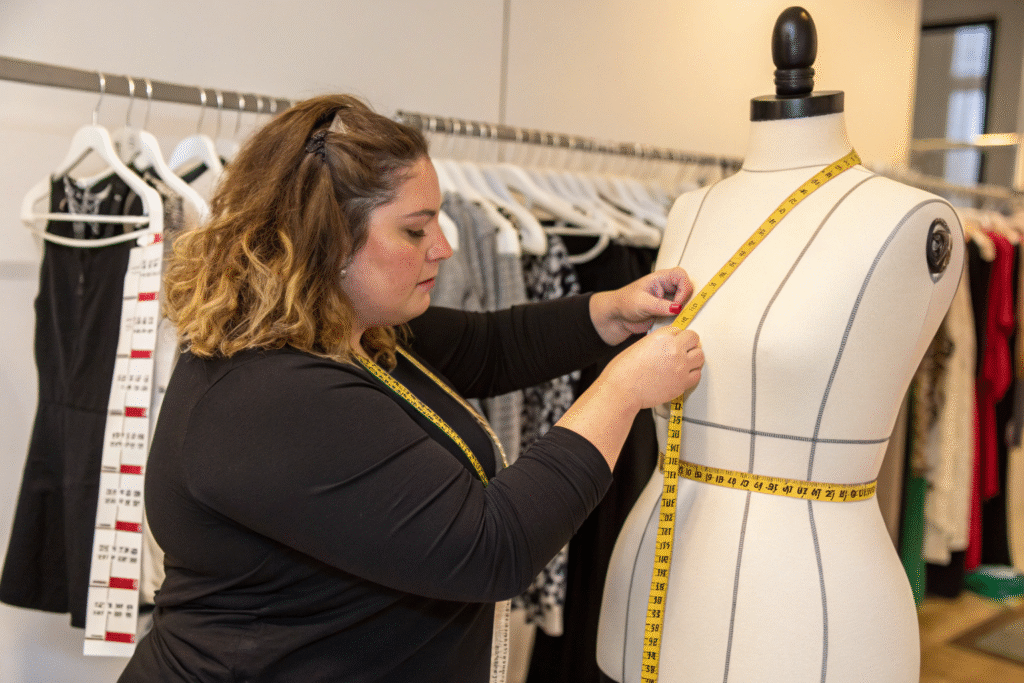
Two people with the same waist measurement may have dramatically different hip measurements and torso shapes. Ratio-based sizing systems that categorize by waist-to-hip difference create more consistent fit than circumference alone. This approach acknowledges that proportion, not just measurement, defines how a belt will fit and function on different body types.
How Can Extended Adjustment Ranges Accommodate Fluctuations?
Bodies naturally change shape throughout the day, across menstrual cycles, and with weight changes. Extended adjustment ranges with more hole options or innovative sliding mechanisms accommodate these normal fluctuations without requiring multiple belts. This flexibility is particularly valuable for plus-size figures where small changes are more noticeable in how clothing and accessories fit.
| Design Element | Standard Belt Issue | Plus-Size Solution |
|---|---|---|
| Length Scaling | Simply extends length without shape changes | Proportional scaling with graduated width |
| Buckle Size | Standard width creates pressure points | Wider base distributes pressure |
| Material Flexibility | Uniform stiffness throughout | Zoned flexibility with reinforced areas |
| Hole Placement | Even spacing doesn't account for curve | Strategic clustering at common waist points |
Conclusion
Designing belts for plus-size fashion inclusivity requires moving beyond simply scaling up standard designs to fundamentally rethinking how belts interact with diverse body shapes. By addressing structural shape, material flexibility, specialized buckling systems, and comprehensive sizing, manufacturers can create products that truly serve this substantial market segment. The result is belts that provide both comfort and confidence to individuals who have historically struggled to find accessories that work with their natural proportions rather than against them.
Ready to develop belt collections specifically designed for plus-size proportions? At StylishBelts, we specialize in inclusive design that addresses the full range of body types with thoughtful engineering and fashion-forward styling. Contact our Business Director Elaine today at elaine@fumaoclothing.com to create belts that combine flawless fit with style for the plus-size market.