International shipping faces increasing customs complexity, with belts often triggering inspections due to material classifications, valuation disputes, and compliance uncertainties. These delays create supply chain disruptions, additional costs, and frustrated customers. The root problem often lies in product design and documentation that doesn't align with customs regulations and automated screening systems.
Designing belts for reduced customs scrutiny requires strategic material selection, clear classification alignment, simplified component structures, and comprehensive documentation systems. By proactively addressing common customs triggers during the design phase, manufacturers can create products that flow smoothly through international borders while maintaining design integrity and market appeal.
Understanding customs from a design perspective transforms how products navigate global trade. This guide explores practical design strategies that minimize inspection triggers while delivering products customers want.
What Design Elements Trigger Customs Scrutiny?
Certain design characteristics frequently raise flags during customs screening processes. Understanding these triggers allows designers to create products that appear straightforward and compliant to customs officials and automated systems.
Complex classifications, ambiguous materials, and suspicious component arrangements represent the most common design-related scrutiny triggers. Each element can be addressed through thoughtful design choices and clear documentation.
How Does Hardware Complexity Create Classification Issues?
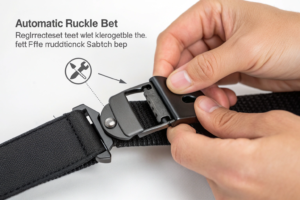
Belts with multiple metal components, intricate buckles, or mixed materials often face classification disputes that delay shipments. Customs officials must determine whether to classify the product as a textile article, metal good, or composite product—each with different duty rates and restrictions. Simplified buckle designs using single-material construction and minimal separate components create clearer classification pathways that reduce inspection probability.
Why Do Material Combinations Increase Inspection Risk?
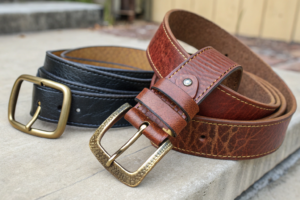
Products incorporating multiple material types without clear dominance trigger manual inspections to determine proper classification and value assessment. Mixed material belts (leather with metal, fabric with plastic) require customs officials to identify the predominant material by weight, value, or character—a subjective process that invites scrutiny. Design strategies that establish clear material dominance simplify this determination.
What Material Choices Simplify Customs Processing?
Material selection significantly impacts customs outcomes through classification clarity, valuation straightforwardness, and restricted substance compliance. Strategic material choices can transform belts from inspection targets to smooth-passage products.
The most customs-friendly materials offer clear classification, established valuation history, and minimal regulatory restrictions. Each characteristic contributes to automated processing rather than manual intervention.
How Does Material Classification Certainty Reduce Delays?
Materials with unambiguous Harmonized System (HS) codes pass through customs more efficiently because classification requires minimal human judgment. Full-grain leather belts typically classify under 4203.30.00, while plastic or textile belts have equally clear classifications. Materials falling into "other" categories or requiring complex material analysis invite inspection. Designers should select materials with established, specific classifications rather than novel materials requiring interpretation.
Why Do Established Materials Have Clearer Valuation?
Materials with transparent, documented market values simplify customs valuation processes that determine duty calculations. Exotic materials, novel composites, or proprietary blends lack established valuation precedents, requiring additional documentation and potential appraisal. Sticking to well-documented materials with clear supply chain pricing creates straightforward customs valuation that avoids lengthy verification processes.
What Documentation Design Supports Smooth Clearance?
Product design should facilitate easy, accurate documentation creation rather than complicating it. The relationship between physical product characteristics and required paperwork significantly impacts customs efficiency.
Design choices that align with standard documentation requirements prevent discrepancies that trigger inspections. Each design element should have a clear documentation counterpart that customs systems can process automatically.
How Can Design Simplify Country of Origin Determination?
Products with clearly identifiable origin characteristics and simplified supply chains support accurate origin documentation that reduces scrutiny. Complex global sourcing with components from multiple countries creates origin determination challenges that often require manual review. Designs utilizing materials and components primarily from single sourcing regions support straightforward origin claims with clear supporting documentation.
What Design Features Support Accurate Description?
Products with clear, unambiguous physical characteristics enable precise customs descriptions that match automated screening parameters. Vague product descriptions or characteristics that don't match declared classifications trigger manual reviews. Design elements should be easily describable using standard customs terminology rather than marketing language that doesn't align with regulatory categories.
What Packaging and Labeling Strategies Prevent Issues?
Packaging design represents the first point of customs inspection and significantly influences whether shipments receive detailed examination. Strategic packaging and labeling create positive first impressions that support smooth processing.
Clear, compliant packaging that aligns with regulatory requirements demonstrates professionalism and preparation that customs officials recognize and appreciate. This perceived compliance reduces inspection likelihood.
How Does Transparent Packaging Reduce Inspection Rates?
Packaging that allows visual product verification without opening satisfies many initial inspection requirements. Customs officials can quickly verify that contents match documentation when products are visibly accessible. Opaque packaging that prevents visual confirmation often requires opening for physical inspection. Strategic window placement or transparent materials can prevent package compromise.
Why Do Professional Labels Signal Compliance Preparedness?
Clear, comprehensive labeling with legible regulatory information demonstrates attention to compliance details that customs officials recognize. Labels should include material composition, country of origin, manufacturer information, and any required safety certifications in standardized formats. Sloppy, incomplete, or confusing labeling suggests broader compliance issues that warrant deeper inspection.
| Design Element | Customs Concern | Design Solution |
|---|---|---|
| Complex Hardware | Classification uncertainty | Simplified, single-material buckles |
| Mixed Materials | Valuation complexity | Clear material dominance |
| Novel Composites | Regulatory uncertainty | Established, documented materials |
| Opaque Packaging | Content verification need | Strategic visibility elements |
Conclusion
Designing belts for reduced customs scrutiny requires viewing products through a regulatory lens rather than solely a consumer perspective. By selecting materials with clear classifications, simplifying component structures, ensuring straightforward valuation, and supporting accurate documentation, designers can create products that navigate international borders efficiently. The most successful approaches integrate customs considerations during initial design phases rather than attempting to retrofit compliance into finished products, creating seamless global trade experiences that benefit both businesses and customers.
Ready to develop belt designs that minimize customs delays while maintaining market appeal? At StylishBelts, we specialize in creating products that balance design excellence with global trade efficiency. Contact our Business Director Elaine today at elaine@fumaoclothing.com to discuss how our customs-optimized design approach can streamline your international shipping.