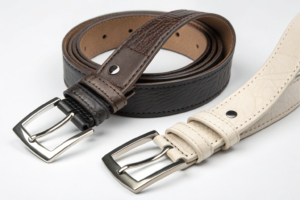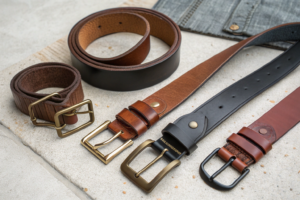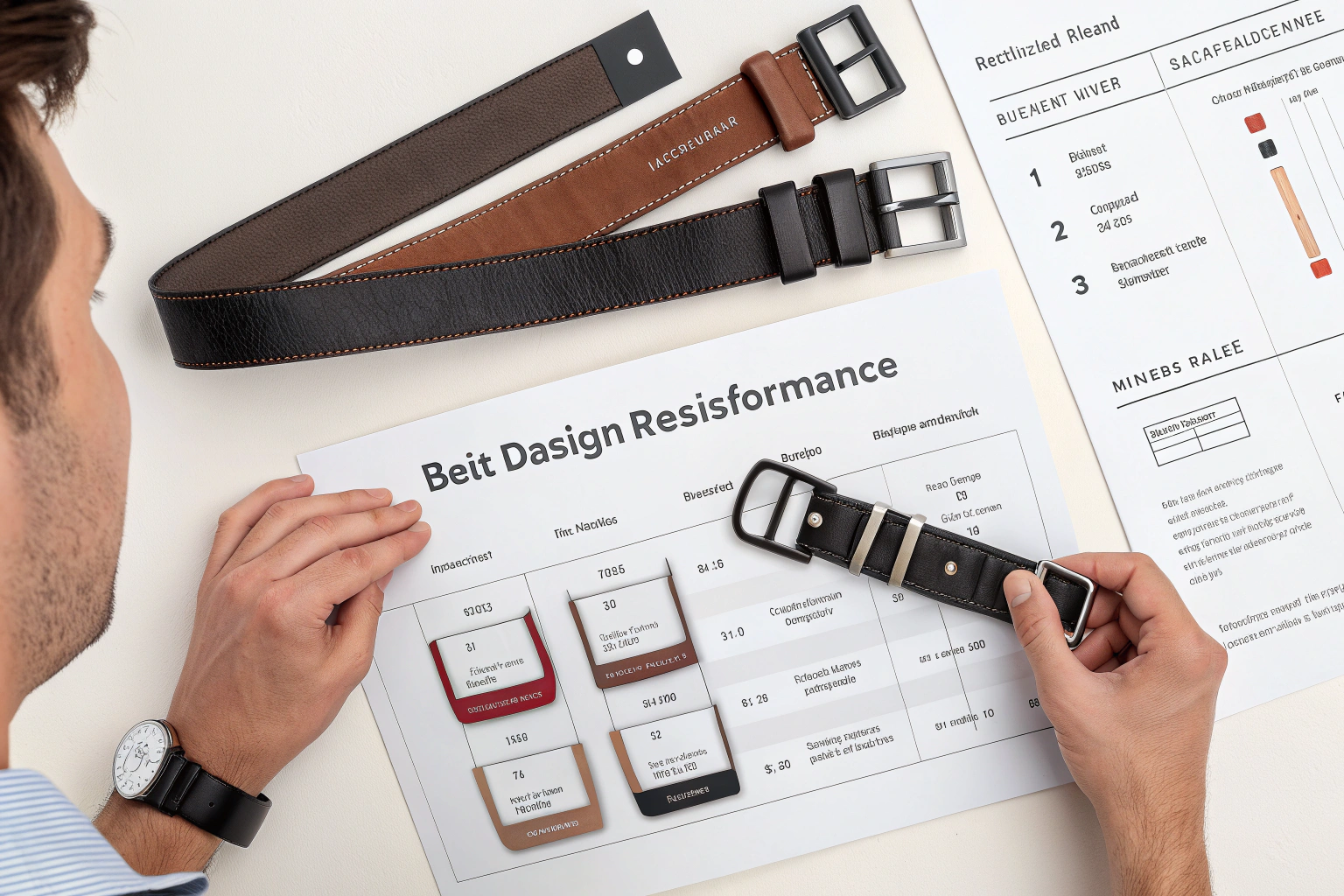
E-commerce belt returns cost retailers 20-30% of their revenue and damage customer relationships. Customers order multiple sizes hoping one fits, then return the rest. Others receive belts that look different from product images or don't match their expectations. The fundamental problem lies in design decisions that ignore online shopping limitations.
Designing belts for reduced e-commerce returns requires focusing on universal fit systems, accurate visual representation, clear sizing education, and packaging that enhances the unboxing experience. The most successful approaches incorporate adjustable mechanisms, standardized sizing with comparison tools, realistic product imagery, and educational content that helps customers select the right product the first time.
The e-commerce apparel return rate averages 25%, with fit issues causing 70% of these returns. For belts specifically, sizing confusion, material misunderstandings, and buckle functionality represent the primary return drivers. Addressing these through intentional design significantly impacts profitability and customer satisfaction in the direct-to-consumer channel.
How Can Universal Fit Systems Minimize Size-Related Returns?
Traditional belt sizing forces customers to guess their correct size without trying products first. The standard hole system provides limited adjustment range, often leaving customers between sizes. Universal fit systems address this fundamental e-commerce challenge by accommodating a wider range of body types with fewer SKUs.
Adjustable slide buckles, ratchet systems, and elastic inserts can accommodate 6-10 inch ranges within a single belt, replacing multiple traditional sizes. This approach reduces customer decision fatigue while ensuring the product fits when it arrives. The reduced SKU count also simplifies inventory management and decreases the likelihood of shipping errors.

What Adjustable Mechanisms Work Best for E-commerce?
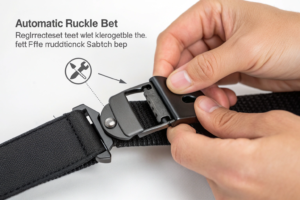
Ratchet buckle systems like those from Arcade Belts provide micro-adjustability with no holes, fitting waist sizes spanning up to 8 inches. Slide buckle systems using nylon webbing offer similar range in casual styles. For dress belts, reversible designs with dual buckle options effectively serve customers who need both traditional and modern sizing in one product.
Elasticated sections or stretch panels accommodate weight fluctuations and different wearing positions (hips vs waist). These designs particularly reduce returns for customers between standard sizes or those who prefer different tightness levels throughout the day. The key is selecting adjustment mechanisms that feel secure while providing genuine size flexibility.
How Does Reduced SKU Count Impact Return Rates?
Consolidating 10 traditional sizes into 3 adjustable sizes typically reduces size-related returns by 40-60%. Fewer choices mean customers are less likely to order multiple sizes "just in case." This psychological effect, combined with the genuine fit flexibility, addresses the root cause of sizing uncertainty in online shopping.
The paradox of choice in e-commerce demonstrates that too many options increase anxiety and post-purchase doubt. By offering fewer, more versatile products, brands simplify the decision process while actually delivering better fit outcomes. This approach also reduces the operational complexity of managing returns and exchanges.
How Does Visual Design Impact Perceived Quality and Accuracy?
Online shoppers rely entirely on visual information to assess products. When received items don't match their expectations based on product images, returns inevitably follow. The most successful e-commerce belt designs consider how materials, colors, and details translate through digital media.
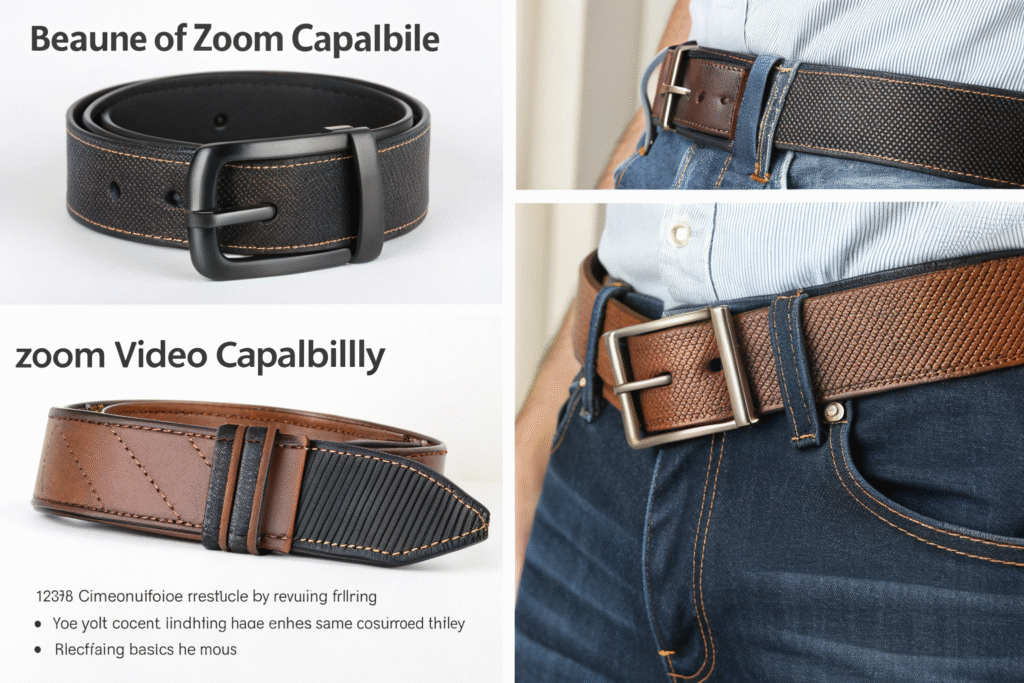
High-quality product photography with multiple angles, zoom capability, and video demonstrations significantly reduces "not as described" returns. Showing belts being worn, detailing the buckle mechanism in operation, and providing accurate color representation under different lighting conditions all contribute to setting accurate expectations.
What Material Choices Photograph Most Accurately?
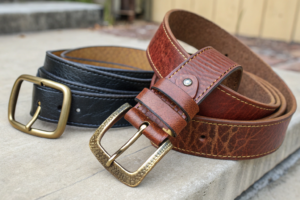
Full-grain leather with natural markings photographs consistently across different devices and lighting conditions. Heavily corrected leathers and synthetic materials often appear different in person than in professional product shots. Matte finishes generally photograph more accurately than high-gloss surfaces that reflect studio lighting unpredictably.
For accurate online representation, avoid materials with metamerism (colors that appear different under various light sources). Test how materials photograph under fluorescent, LED, and natural lighting before finalizing designs. Providing multiple context shots (worn with jeans, with business attire, etc.) helps customers visualize how the belt will look in their own wardrobe.
How Can Buckle Design Reduce Functional Returns?
Buckles that appear straightforward in product images but prove confusing to operate account for significant returns. Designs should prioritize intuitive operation with clear visual cues. For innovative mechanisms, include tutorial videos directly on product pages showing the buckle in operation from multiple angles.
Standardize buckle operation across your product line where possible. Customers who understand how one belt functions will feel confident ordering additional styles. The principles of universal design suggest that intuitive products require minimal instruction—apply these principles to buckle mechanisms to reduce frustration and returns.
What Role Does Sizing Education Play in Return Prevention?
Even with perfectly sized belts, customers who measure incorrectly or misunderstand sizing systems will order the wrong products. Comprehensive sizing education integrated throughout the shopping experience significantly reduces these preventable returns. The most effective approaches make sizing guidance impossible to miss.
Interactive sizing tools that calculate recommended size based on waist measurement or existing belt length outperform static size charts. Visual comparisons showing where a belt should sit on the body and how much tail length should remain help customers select appropriate lengths beyond basic numerical sizing.

What Sizing Tools Most Effectively Guide Customers?
The virtual fitting room technology market has grown significantly, with solutions ranging from augmented reality try-ons to simple measurement calculators. For belts, a straightforward calculator that converts pants size or existing belt length to recommended size provides the best balance of accuracy and accessibility.
Visual size guides showing belts photographed next to common objects (dollar bills, smartphones) help customers understand dimensions more intuitively than numerical measurements alone. Including photos of each size being worn by models with documented measurements provides realistic expectations of how belts will fit different body types.
How Should Packaging Reinforce Sizing Confidence?
Packaging that includes reminder measurements and fit instructions reduces "buyer's remorse" returns. Simple printed guides showing how to measure for future purchases or adjust the belt properly reinforce that customers made the correct choice.
Including a soft measuring tape in initial orders represents a minimal cost that significantly reduces repeat purchase returns. Customers appreciate the practical tool and are more likely to use their own measurements for subsequent orders rather than guessing. This unboxing experience enhancement builds brand loyalty while reducing future returns.
How Can Product Information Design Set Accurate Expectations?
Beyond physical design, how you present product information dramatically impacts return rates. Customers who fully understand what they're ordering—including potential limitations—make more appropriate selections and experience fewer surprises upon delivery. Transparency builds trust and reduces returns simultaneously.
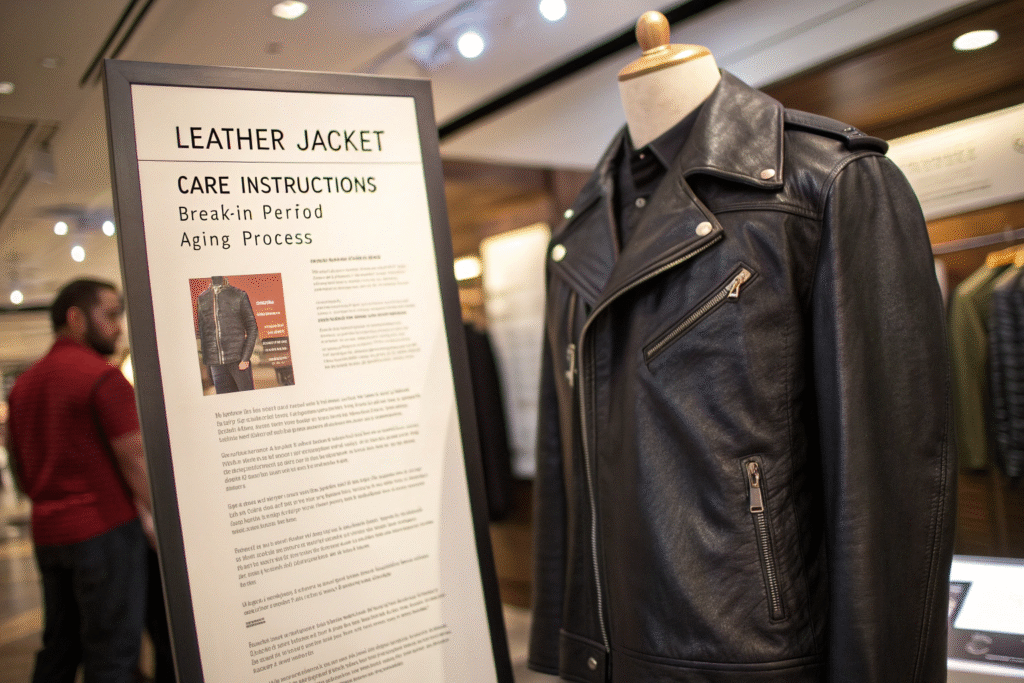
Detailed material descriptions that explain care requirements, break-in periods for leather, and expected aging processes help customers understand what to expect over time. This reduces returns from customers who expected maintenance-free products or misunderstood material characteristics.
What Technical Specifications Most Influence Purchase Decisions?
Including precise measurements beyond basic length—such as belt width at various points, buckle dimensions, and weight—helps customers visualize products more accurately. For dress belts, specifying the exact buckle finish (rather than just "silver tone") prevents returns from customers with specific metal sensitivity or color matching requirements.
The consumer protection regulations require accurate product descriptions, but going beyond minimum requirements significantly reduces returns. Documenting exact material composition (100% bovine leather vs "genuine leather") builds credibility and ensures customers receive what they expect.
How Should Customer Reviews Be Integrated into Design Decisions?
Analyze return reasons and customer reviews to identify recurring issues, then address these through design modifications. If multiple customers mention that a belt runs large, adjust your sizing recommendations or modify the product design. This continuous feedback loop turns return data into product improvement opportunities.
Featuring verified purchase reviews that specifically address fit, sizing accuracy, and material quality helps future customers make informed decisions. The social proof principle demonstrates that customers trust peer experiences more than manufacturer claims, making authentic reviews powerful tools for setting accurate expectations.
Conclusion
Designing belts for reduced e-commerce returns requires a holistic approach that considers the entire customer journey from product discovery to unboxing. The most successful strategies combine physical design elements like adjustable sizing with digital presentation techniques that accurately represent products and educate customers.
The return reduction benefits extend beyond cost savings to include improved customer loyalty, higher lifetime value, and stronger brand reputation. As e-commerce continues dominating retail, manufacturers who optimize their designs for the online shopping experience will gain significant competitive advantages.
Ready to design belts that minimize e-commerce returns while maximizing customer satisfaction? Contact our Business Director, Elaine, at elaine@fumaoclothing.com to discuss how our design and manufacturing expertise can help create products optimized for online retail success.