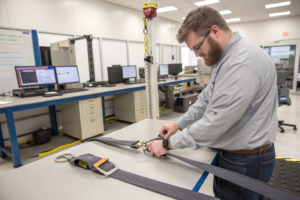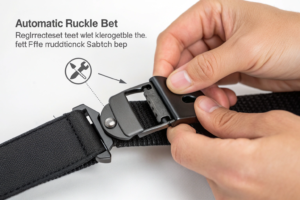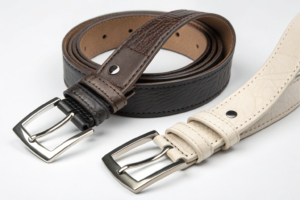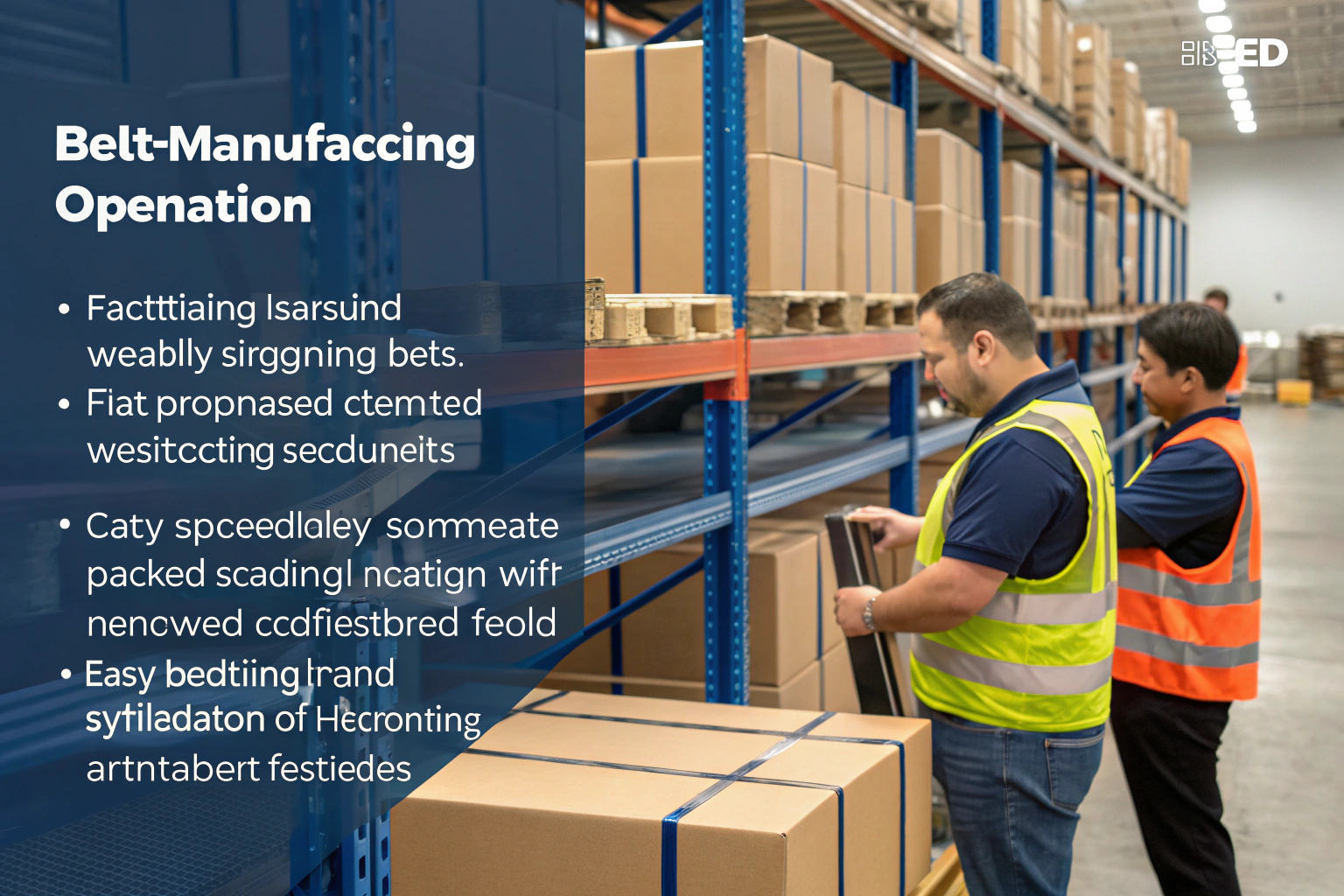
Warehouse operations represent a significant portion of total product cost that many belt manufacturers overlook in their design process. The physical handling, storage requirements, and logistical complexities of belt fulfillment create hidden expenses that directly impact profitability. Strategic design decisions can dramatically reduce these costs while improving operational efficiency throughout the supply chain.
Designing belts for reduced warehouse handling requires implementing flat-pack configurations, standardized packaging dimensions, optimized weight distribution, scannable identification systems, and protective yet streamlined packaging. These design approaches minimize storage space requirements, accelerate picking processes, reduce damage during handling, and simplify inventory management. The most effective implementations consider the entire product journey from production line to customer unboxing, eliminating handling friction at each transition point.
As e-commerce continues dominating belt sales and warehouse labor costs rise, designing for logistical efficiency has transformed from operational consideration to competitive necessity. Understanding how belt design influences handling requirements reveals significant opportunities to reduce costs while improving customer experience.
What Packaging Innovations Minimize Storage Requirements?
Packaging design represents the most immediate opportunity to reduce warehouse handling through space optimization and protective efficiency.
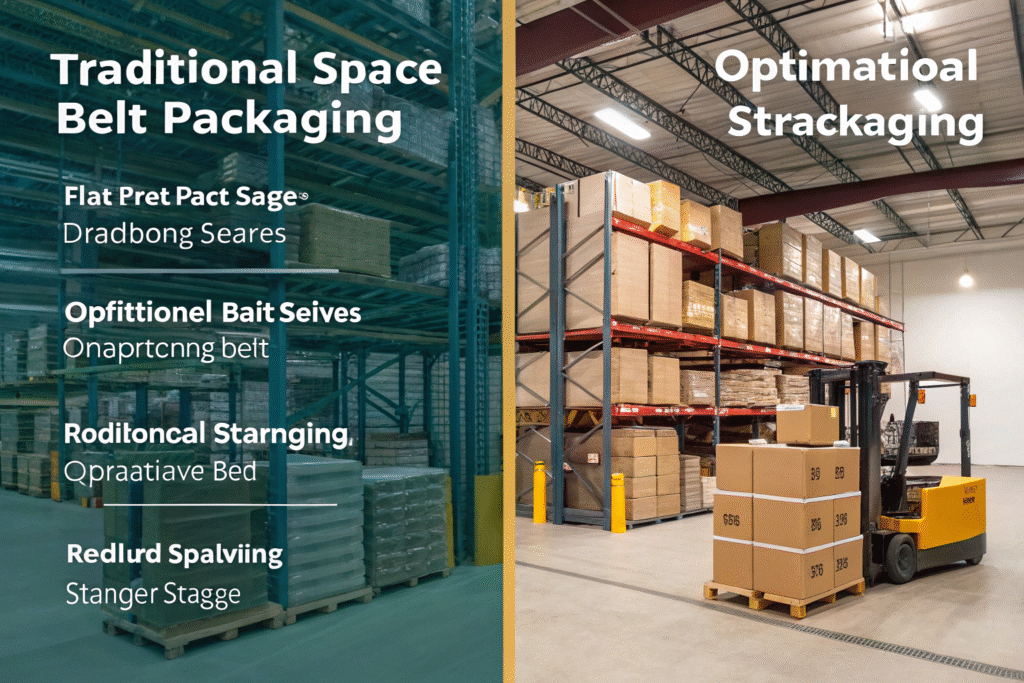
How Do Flat-Pack Configurations Transform Storage Efficiency?
Belts designed for flat-pack storage can reduce warehouse space requirements by 60-80% compared to traditional rolled presentations. By eliminating the central cardboard tube and compression constraints of rolled belts, flat configurations allow tight stacking without deformation risk. The most efficient flat-pack designs incorporate controlled flexibility that prevents creasing during extended storage while allowing compact folding that maximizes units per pallet.
The storage advantages extend beyond simple space savings to encompass handling efficiency. Flat belts stack securely without rolling or shifting during transport, reducing the need for additional stabilization materials and preventing the toppled stacks that require labor-intensive reorganization. Standardized folding techniques ensure consistent dimensions that maximize both pallet utilization and storage system efficiency, whether using shelving, pallet racking, or automated retrieval systems.
What Role Does Standardized Dimension Play?
Implementing standardized packaging dimensions across belt collections creates handling efficiencies that compound throughout warehouse operations. By designing all belt packaging to fit modular storage footprints (e.g., all variations fitting 2", 4", or 6" width increments), warehouses can implement consistent slotting strategies that minimize wasted space and simplify replenishment processes. This dimensional standardization allows for predictable pallet patterns and optimized container utilization during shipping.
The most sophisticated dimension strategies incorporate both individual product packaging and master carton configurations that work harmoniously with common warehouse storage geometries. For example, designing belt boxes that perfectly layer 6-across on standard pallets without overhang or gap space maximizes both storage density and handling safety. This attention to dimensional coordination demonstrates systems thinking that reduces handling complexity while improving operational metrics.
How Can Product Design Streamline Warehouse Processes?
Physical belt characteristics significantly influence handling requirements through weight distribution, identification compatibility, and picking efficiency.
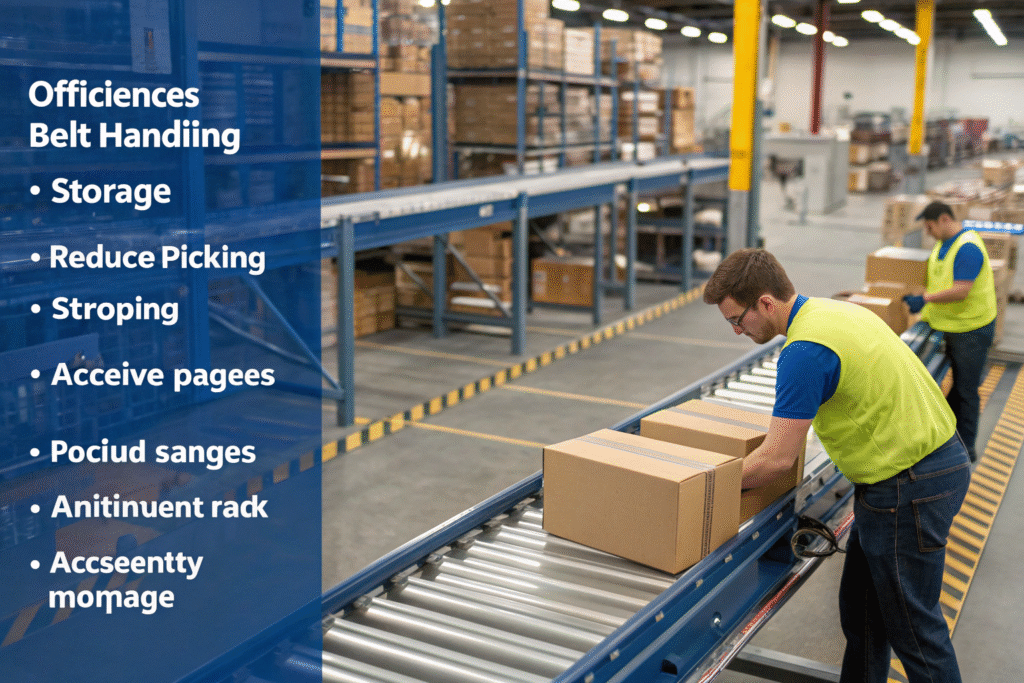
What Weight Distribution Characteristics Improve Handling?
Belts with balanced weight distribution prevent the awkward handling that slows operations and increases injury risk. Designs that concentrate weight in buckles create top-heavy packages that shift unpredictably during movement, requiring careful handling that reduces productivity. The most warehouse-friendly designs distribute weight evenly throughout the belt length or position heavier elements in protected locations that don't affect package stability.
The handling advantages extend to automated systems where unbalanced products can jam sortation equipment or require manual intervention. Belt designs that maintain consistent cross-sectional density work smoothly with conveyor systems, automated guided vehicles, and robotic picking systems that increasingly dominate modern fulfillment operations. This compatibility with automation represents a significant competitive advantage as labor availability constraints make manual handling increasingly expensive and unreliable.
How Do Identification Systems Accelerate Processing?
Integrated scannable identification features dramatically reduce handling time by eliminating manual sorting and verification steps. The most efficient implementations incorporate barcodes or QR codes directly onto belt tags or packaging at multiple locations, ensuring scannability regardless of orientation. Some advanced systems embed RFID tags within packaging materials, enabling bulk scanning without line-of-sight requirements that further accelerate receiving and inventory processes.
The most comprehensive identification strategies extend beyond simple product tracking to encompass handling instructions. Color-coded labels indicating storage requirements (climate sensitivity, high-value status, or hazardous materials) help warehouse staff quickly identify special handling needs without consulting separate documentation. This embedded intelligence reduces training requirements while preventing handling errors that lead to damage or misplacement.
What Operational Considerations Should Influence Design?
Design decisions must account for the practical realities of warehouse workflows, equipment limitations, and staffing constraints.
| Operational Consideration | Design Response | Handling Impact |
|---|---|---|
| High-Volume Picking | Standardized orientation and clear front/back differentiation | 25-40% faster picking with reduced errors |
| Automated Sortation | Consistent package rigidity and scannable surfaces | Enables full automation with minimal manual intervention |
| Returns Processing | Easy inspection without complete unboxing | 50% faster processing of returned items |
| Inventory Counting | Visible identification from multiple angles | Accelerated cycle counts and inventory accuracy |
| Value-Added Services | Accessible product without packaging destruction | Simplified customization and gift wrapping operations |
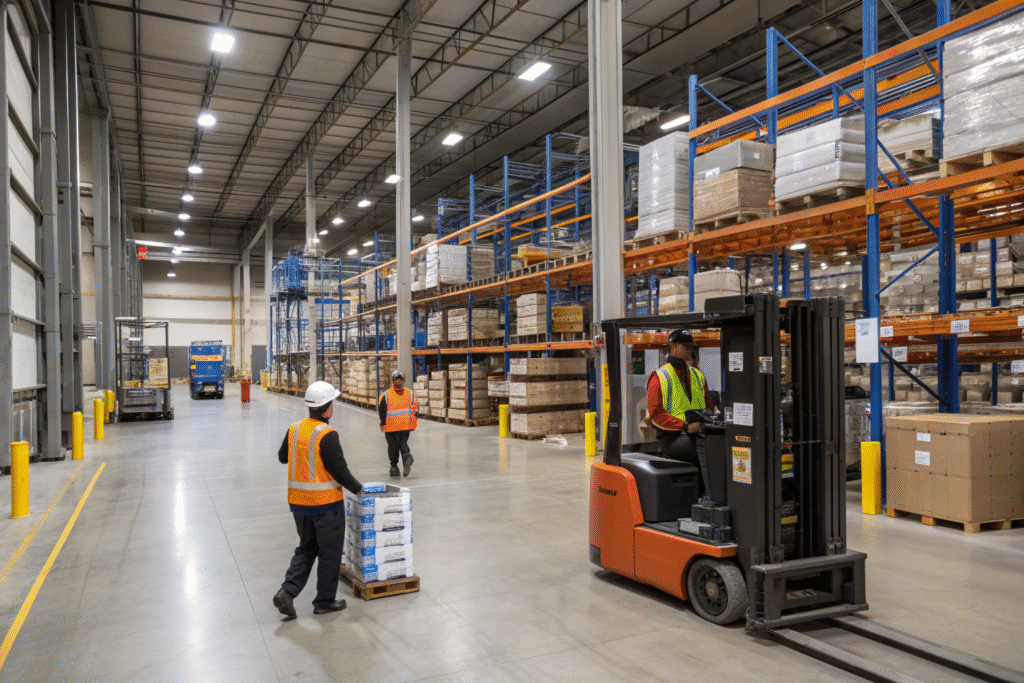
How Does Design Impact Returns Processing Efficiency?
Belts designed for easy returns verification significantly reduce reverse logistics costs that often erode profitability. Designs that allow visual inspection of key quality points (buckle function, surface condition, size verification) without removing protective packaging enable rapid sorting of returned items. This approach minimizes handling while determining whether products can be restocked or require more extensive evaluation.
The most returns-conscious designs incorporate inspection windows, reversible packaging that displays both belt sides, or attached documentation that travels with the product through returns processing. These features allow warehouse staff to make restocking decisions in seconds rather than minutes, dramatically reducing the labor cost associated with returns handling. For premium belts where condition preservation is critical, designs that include reusable protective elements maintain value through the returns process.
What Role Does Packaging Durability Play in Damage Reduction?
Protective packaging that withstands standard warehouse handling stresses prevents damage that requires additional processing. Designs that protect edges from impact, shield metallic components from abrasion, and maintain integrity during compression stacking eliminate the inspection, repackaging, and potential write-off costs associated with damaged goods. The most effective protection balances security with accessibility, preventing damage without complicating legitimate access.
The durability requirement extends beyond primary packaging to shipping cartons designed for warehouse environments. Abrasion-resistant surfaces, crush-resistant corners, and moisture-resistant materials maintain product condition through the multiple handoffs that occur between receiving and shipment. This comprehensive protection approach demonstrates understanding that products experience their most demanding handling not during transit to customers but within the warehouse environment itself.
How Can Design Reduce Labor-Intensive Processes?
Strategic design decisions can eliminate or simplify the most time-consuming warehouse tasks through automation compatibility and ergonomic optimization.
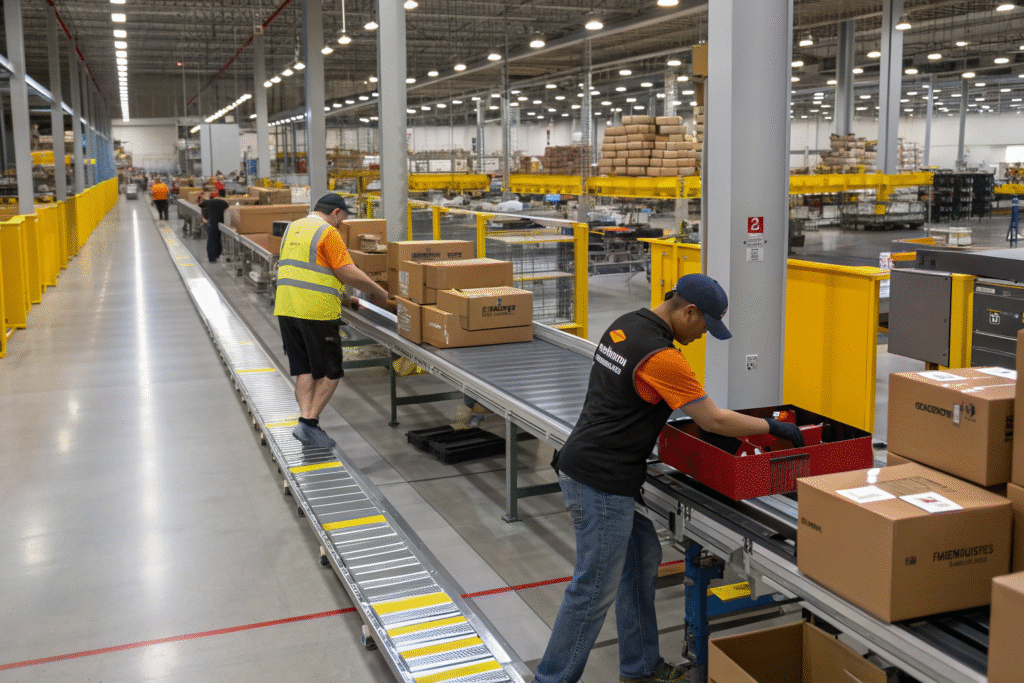
What Design Features Enable Automated Handling?
Products designed for compatibility with automated systems reduce labor requirements while improving accuracy and speed. Consistent package dimensions, rigid construction that prevents jamming, and machine-readable surfaces allow full automation of sortation, storage, and retrieval processes. The most automation-friendly designs maintain these characteristics across entire product lines, enabling uniform handling regardless of specific belt style or size.
The automation advantage extends to data capture processes where designs incorporating multiple scannable surfaces in standardized locations enable rapid inventory management without manual counting. This automated visibility improves inventory accuracy while freeing staff for value-added activities beyond counting and verification. As warehouse automation becomes increasingly sophisticated, designs that accommodate these systems future-proof operations against rising labor costs and availability constraints.
How Does Ergonomic Design Improve Handling Efficiency?
Belts designed with ergonomic handling considerations reduce physical strain while accelerating processes. Packages with comfortable grip surfaces, balanced weight distribution, and sizes that fit naturally in hands prevent the awkward maneuvers that slow operations and increase injury risk. These ergonomic advantages prove particularly valuable in high-volume environments where small efficiency improvements compound across thousands of daily handlings.
The most thoughtful ergonomic implementations consider the complete handling sequence from shelf to shipping container. Designs that stack securely without shifting, align naturally with common carton patterns, and present identification surfaces toward the handler eliminate the adjustments and repositioning that consume time and attention. This seamless integration with human movement patterns demonstrates sophisticated understanding of how products transition through warehouse workflows.
Conclusion
Designing belts for reduced warehouse handling requires holistic consideration of how physical characteristics influence operational efficiency throughout the supply chain. The most successful implementations balance aesthetic appeal with functional optimization, creating products that please customers while minimizing logistical complexity and cost.
The significant operational advantages—reduced storage requirements, faster processing, lower damage rates, and improved labor efficiency—create compelling business cases for handling-conscious design. As competition intensifies in the belt market, these operational advantages increasingly determine profitability and scalability.
Ready to develop belt designs that optimize your warehouse operations? Contact our Business Director, Elaine, at elaine@fumaoclothing.com to discuss our design approaches that reduce handling costs while maintaining product appeal and quality.