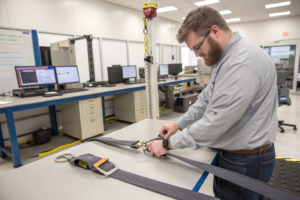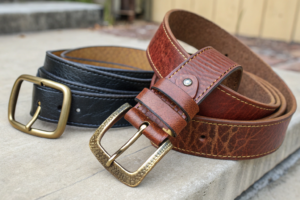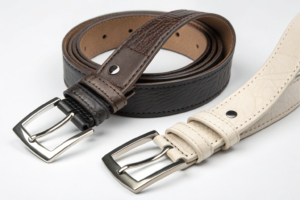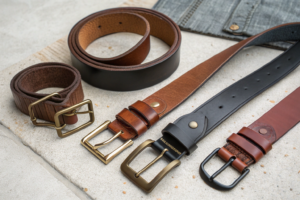
Traditional belt manufacturing quality control faces significant challenges in maintaining consistent standards across high-volume production runs. Human inspectors struggle with fatigue, subjective judgments, and the inability to detect microscopic defects, leading to inconsistent quality, higher return rates, and brand reputation damage.
Implementing AI in belt quality inspection involves deploying computer vision systems for defect detection, machine learning algorithms for pattern recognition, and automated sorting mechanisms for real-time quality classification. This technology can identify imperfections in materials, stitching, buckles, and surface finishes with superhuman accuracy and consistency.
The transition to AI-powered quality control represents a fundamental shift from reactive problem-solving to proactive quality assurance. By leveraging artificial intelligence, manufacturers can achieve unprecedented levels of quality consistency while reducing labor costs and inspection time.
What Computer Vision Systems Work Best for Belt Defect Detection?
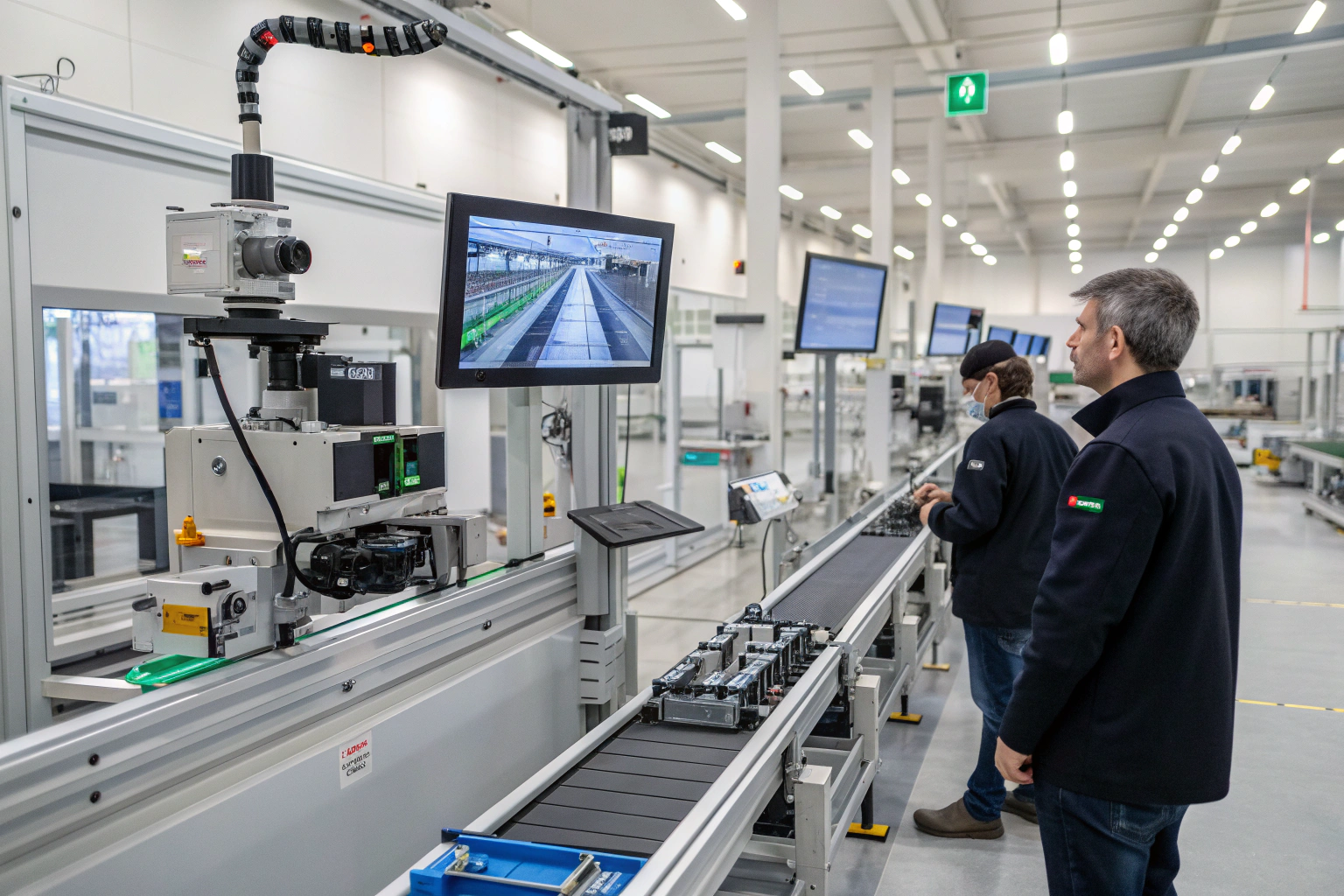
Computer vision forms the foundation of AI quality inspection, using advanced imaging technology to identify defects invisible to the human eye. The effectiveness of these systems depends on selecting the right hardware and software configuration for specific belt types and materials.
High-resolution cameras with appropriate lighting setups can detect minute imperfections in leather grain, stitching inconsistencies, color variations, and surface defects. The system's ability to learn from thousands of images enables it to recognize both common and rare defect patterns with increasing accuracy over time.

Which camera specifications are optimal for belt inspection?
For comprehensive belt inspection, high-resolution industrial cameras with minimum 12MP resolution provide sufficient detail for detecting micro-defects. Line scan cameras work exceptionally well for continuous inspection of belt surfaces, while area scan cameras better suit buckle and hardware examination. Combined with polarized lighting systems, these cameras can reveal subsurface imperfections and subtle texture variations that indicate material quality issues before they become visible defects.
How do lighting configurations affect detection accuracy?
Proper lighting is crucial for revealing specific defect types. Darkfield illumination highlights surface scratches and embossing imperfections, while brightfield illumination best detects color variations and staining. Multi-directional LED arrays eliminate shadows and ensure consistent imaging regardless of belt texture or reflectivity. The lighting system must be calibrated for each material type—whether glossy patent leather, matte suede, or woven fabrics—to ensure optimal defect visibility.
How to Train Machine Learning Models for Belt Quality Assessment?
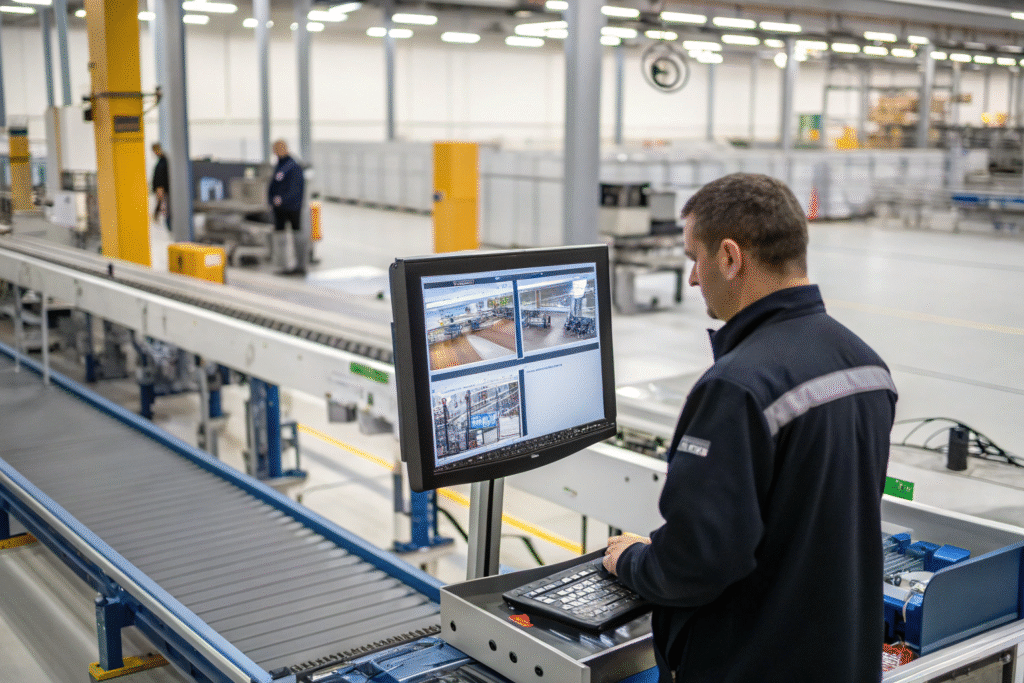
Effective AI inspection requires properly trained machine learning models that understand both acceptable quality standards and various defect types. The training process involves collecting extensive image data and implementing sophisticated learning algorithms.
The model training journey begins with data collection and progresses through several refinement stages, each enhancing the system's ability to make accurate quality judgments across different belt styles, materials, and production conditions.
What data preparation steps ensure model accuracy?
Successful model training requires thousands of annotated images showing both defective and acceptable belts. Data must represent all production variations, including different leather types, colors, stitching patterns, and buckle styles. Data augmentation techniques like rotation, scaling, and brightness variation help create robust models that perform well under real-world factory conditions. The annotation process must be meticulously supervised by quality experts to ensure accurate labeling of defect types and severity levels.
Which machine learning approaches deliver best results?
Convolutional Neural Networks (CNNs) have proven most effective for visual defect detection in belt manufacturing. Transfer learning using pre-trained models like ResNet or EfficientNet accelerates development while maintaining high accuracy. For complex defect classification, ensemble methods combining multiple specialized models often outperform single-model approaches. The system continuously improves through reinforcement learning, adapting to new defect patterns and production changes over time.
What Integration Strategies Ensure Smooth AI Implementation?
Successful AI implementation requires careful planning around system integration, workforce training, and process adaptation. Rushing deployment without proper preparation can lead to resistance, operational disruptions, and suboptimal results.
A phased implementation approach allows for system refinement and staff acclimation while minimizing production impact. This strategic rollout ensures the technology enhances rather than disrupts existing quality control workflows.

How should manufacturers phase AI implementation?
Begin with a pilot program focusing on a single production line or specific defect category. This limited scope allows for system tuning and staff training without overwhelming resources. Gradually expand to additional inspection points as confidence grows, ultimately creating a comprehensive quality monitoring network. The implementation timeline should include parallel operation periods where both AI and human inspectors evaluate the same products, allowing for performance comparison and system refinement.
What infrastructure upgrades support AI systems?
Robust AI implementation requires industrial-grade computing hardware with powerful GPUs for real-time image processing. Reliable network infrastructure ensures seamless data flow between inspection stations and central analysis systems. Environmental controls maintain stable operating conditions for sensitive optical equipment. Additionally, secure data storage solutions must accommodate the massive image datasets generated during continuous operation while ensuring data integrity and accessibility for model retraining.
How to Measure ROI and Performance of AI Inspection Systems?
Quantifying the benefits of AI implementation is essential for justifying continued investment and optimizing system performance. Clear metrics and monitoring processes demonstrate value while identifying areas for improvement.
ROI calculation should encompass both tangible financial benefits and qualitative improvements that impact brand reputation and customer satisfaction. A comprehensive measurement approach ensures all value aspects are properly recognized.

What key performance indicators track AI effectiveness?
Critical KPIs include defect escape rate reduction, false rejection rates, inspection throughput speed, and cost per inspection. Additional metrics should monitor system uptime, mean time between failures, and model accuracy trends over time. Comparing these metrics against pre-AI baseline performance clearly demonstrates operational improvements and identifies optimization opportunities within the inspection workflow.
How does AI inspection impact overall quality costs?
AI implementation significantly reduces cost of quality by preventing defective products from reaching customers, minimizing rework expenses, and reducing warranty claims. The technology also decreases costs associated with customer returns, brand damage, and lost future business. While initial investment is substantial, the combination of direct savings and risk reduction typically delivers complete ROI within 12-18 months for medium to large-scale manufacturing operations.
Conclusion
Implementing AI in belt quality inspection represents a transformative opportunity to achieve unprecedented quality standards while optimizing manufacturing efficiency. The technology's ability to detect subtle defects, maintain consistent standards, and provide actionable production insights creates significant competitive advantages for forward-thinking manufacturers.
If your belt manufacturing operation is considering AI quality inspection implementation, our factory has successfully integrated these systems and can provide both technology guidance and manufacturing partnership. Contact our Business Director, Elaine, at elaine@fumaoclothing.com to discuss how AI can enhance your quality control processes and product excellence.