The global leather industry faces increasing pressure for transparency as consumers and regulators demand verifiable information about material origins, environmental impacts, and ethical production practices. Blockchain technology offers a transformative solution to the longstanding challenge of traceability in complex leather supply chains, moving beyond paper-based systems that are vulnerable to loss, forgery, and inconsistency.
Implementing blockchain for leather provenance requires establishing digital identity systems for hides, creating standardized data capture protocols, integrating tracking throughout processing stages, developing accessible verification interfaces, and building stakeholder participation incentives. This comprehensive approach transforms opaque supply chains into transparent, verifiable networks where each participant contributes authenticated information that collectively builds an immutable history of each leather product from farm to finished goods.
The implementation of blockchain provenance represents a significant competitive advantage for leather suppliers while addressing growing consumer and regulatory demands for supply chain transparency. Understanding how to effectively implement this technology reveals how traditional industries can leverage digital innovation to build trust and demonstrate responsibility.
What Technical Infrastructure Supports Leather Provenance?
Building effective blockchain provenance requires specific technical components that work together to create a seamless, reliable tracing system.
How Are Digital Identities Established for Hides?
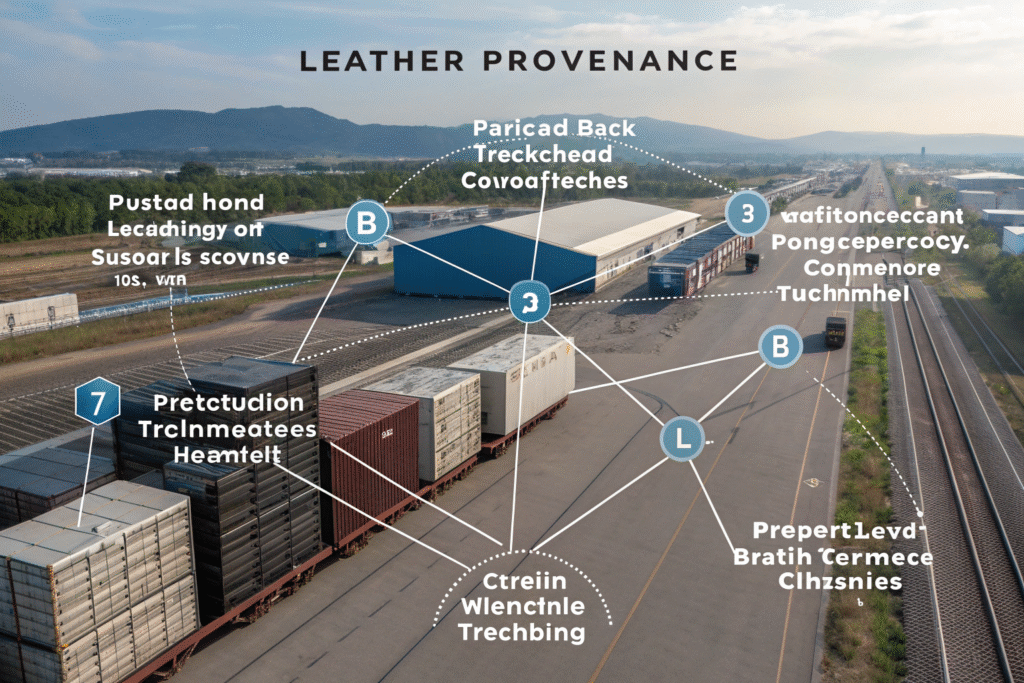
The foundation of leather provenance begins with assigning unique digital identifiers to individual hides or batches at the earliest possible stage. QR codes, RFID tags, or specialized hide stamps create physical-digital links that travel with materials through processing. These identifiers must withstand harsh conditions including blood, water, chemical exposure, and physical manipulation during tanning and manufacturing. The most durable implementations use tamper-evident RFID tags attached at slaughterhouses or specialized QR codes printed on weather-resistant synthetic tags that survive throughout processing.
The identity system must accommodate the material transformation that occurs during leather production, where a single hide becomes multiple smaller pieces in finished products. Parent-child relationship tracking enables the system to maintain provenance even when hides are split, trimmed, or combined. Advanced systems use computer vision to track natural hide characteristics like grain patterns and scars, creating biological fingerprints that verify identity even if physical tags are damaged or removed during processing.
What Data Standards Ensure Interoperability?
Effective blockchain provenance requires standardized data formats that enable different systems and organizations to contribute consistent information. The Leather Working Group protocols and similar industry standards provide frameworks for what information should be captured at each supply chain stage: animal welfare documentation at farms, slaughterhouse processing details, tannery environmental compliance data, chemical usage records, and manufacturing information. Standardization ensures that provenance information remains meaningful and comparable across different suppliers and regions.
The most comprehensive implementations extend beyond basic traceability to include environmental and social metrics that increasingly influence purchasing decisions. Carbon footprint calculations, water usage statistics, chemical management certifications, and labor compliance documentation all become part of the provenance record. This expanded data capture transforms blockchain from a simple tracking tool to a comprehensive responsibility verification system that addresses multiple aspects of sustainable and ethical production.
How Is Data Captured Throughout the Supply Chain?
Reliable provenance depends on consistent data capture at each transition point where custody or transformation occurs.
| Supply Chain Stage | Critical Data Points | Capture Methodology |
|---|---|---|
| Animal Husbandry | Farm location, welfare practices, breed information | Digital records linked to farm certifications |
| Slaughterhouse | Traceability to farm, transportation details, hide quality grading | RFID scanning with integrated quality assessment |
| Tannery | Chemical usage, environmental compliance, processing techniques | IoT sensors and manual data entry with verification |
| Manufacturing | Production location, labor conditions, quality control | Production system integration with audit documentation |
| Distribution | Transportation methods, storage conditions, custody transfers | Logistics platform integration with chain of custody tracking |

What Role Do IoT Devices Play in Automated Data Capture?
Internet of Things (IoT) devices enable automated data capture that reduces human error while increasing the granularity of provenance information. Temperature and humidity sensors track environmental conditions during transportation and storage, ensuring leather isn't compromised by improper handling. Weight sensors verify that materials aren't being diverted or substituted during transfers. GPS tracking provides geographical verification that matches documented transportation routes with actual movement patterns.
The most sophisticated implementations use computer vision systems that automatically document hide characteristics at each transfer point, creating visual verification that materials remain consistent throughout processing. These automated systems capture significantly more detailed information than manual processes while reducing the administrative burden on supply chain participants. The resulting provenance records contain objective, automated verification that builds greater confidence than purely documentary approaches.
How Is Human Data Entry Verified and Validated?
Despite automation advances, human data entry remains necessary for certain provenance information and requires verification systems to ensure reliability. Digital signatures cryptographically verify which organization or individual contributed specific information, creating accountability. Multi-party verification requires different participants to confirm critical information, preventing single points of failure or manipulation. Automated consistency checks flag discrepancies between related data points for human review.
The most effective validation systems incorporate external verification through certified auditors, laboratory testing, and regulatory compliance documentation. Third-party certifications for animal welfare, environmental management, or social responsibility become part of the blockchain record through digitally signed documents. This combination of automated verification, multi-party confirmation, and external validation creates a robust system where fraudulent or erroneous information becomes increasingly difficult to introduce as materials move through the supply chain.
How Can Stakeholders Be Encouraged to Participate?
Blockchain provenance systems require participation across complex supply networks, necessitating strategic approaches to engagement and value demonstration.
What Incentive Structures Drive Adoption?
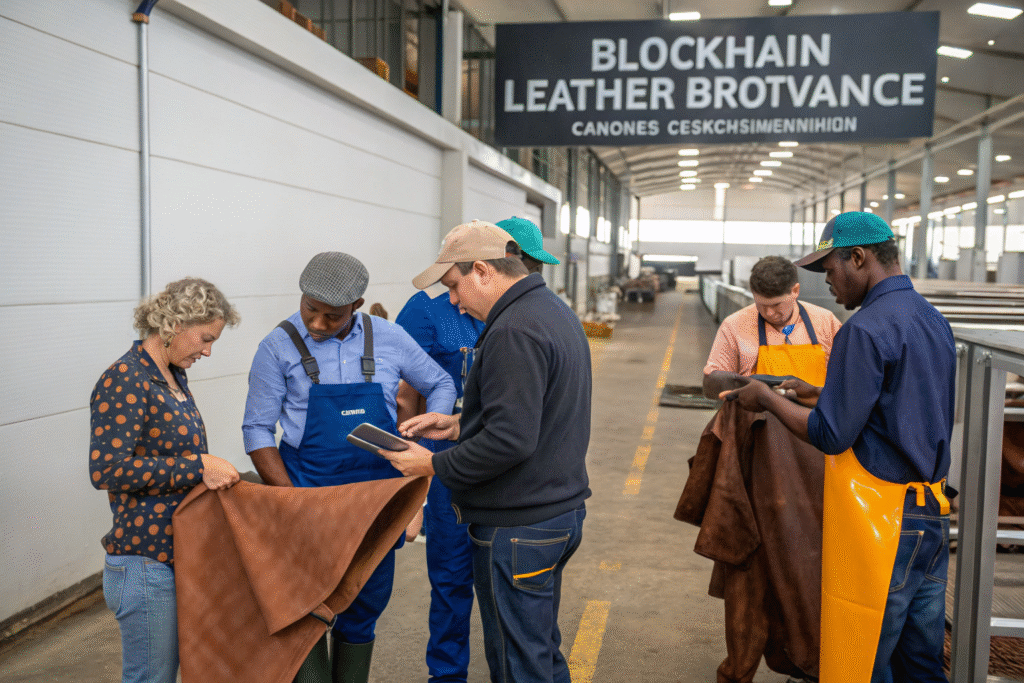
Successful blockchain implementations create clear value propositions for each participant rather than imposing additional burdens without compensation. Farmers may receive premium pricing for verified welfare practices, tanneries can demonstrate regulatory compliance more efficiently, manufacturers reduce authentication costs, and brands build consumer trust that justifies price premiums. These economic incentives ensure participants actively maintain data quality rather than treating provenance as an administrative burden.
The incentive structure often includes access to valuable supply chain analytics that help participants optimize their operations. Farmers might receive feedback on hide quality relative to practices, tanneries can track material yields more precisely, and manufacturers gain visibility into incoming material quality. This data value beyond simple provenance creates additional participation motivation while improving overall supply chain efficiency. The most sophisticated systems become valuable management tools rather than simply compliance mechanisms.
How Are Implementation Barriers Overcome?
The technical and operational challenges of blockchain implementation require phased approaches that demonstrate value before demanding comprehensive participation. Pilot programs with motivated partners work through technical integration issues on a manageable scale before expanding. Simplified mobile interfaces enable participants with limited technical infrastructure to contribute essential data without complex system integration. Graduated implementation plans allow organizations to adapt processes incrementally rather than attempting wholesale transformation simultaneously.
The most successful implementations address the literacy and access disparities in global supply chains through appropriate technology choices. QR code systems that work with basic smartphones enable broad participation in regions with limited technological infrastructure. Multi-language interfaces, offline functionality, and simplified data entry screens all reduce barriers for smaller participants whose buy-in is essential for comprehensive provenance. This inclusive approach recognizes that the value of blockchain provenance depends on participation breadth rather than just technological sophistication.
What Verification Interfaces Build Consumer Trust?
The ultimate value of blockchain provenance depends on accessible verification that builds consumer confidence at the point of purchase and beyond.

How Do Consumer-Facing Verification Systems Work?
Effective consumer verification interfaces transform complex supply chain data into engaging, understandable stories about product origins. Simple QR codes on product tags or labels link to mobile-optimized experiences that visualize the supply chain journey from farm to finished product. These interfaces emphasize the most meaningful information for consumers—animal welfare practices, environmental certifications, manufacturing locations—while making technical details available for those seeking deeper verification.
The most engaging implementations use multimedia elements to create emotional connections alongside factual verification. Farm videos, tannery photographs, and manufacturer profiles transform abstract supply chain data into human stories that build brand affinity. Some systems incorporate interactive elements that let consumers explore specific aspects of provenance that matter most to them, whether environmental impacts, social responsibility, or product quality attributes. This engagement transforms verification from a factual exercise into a brand-building experience.
What Role Does Transparency Communication Play?
Strategic communication about transparency helps consumers understand the significance of blockchain verification without overwhelming them with technical details. Clear explanations of what specific provenance claims mean in practical terms—how animal welfare certifications translate to living conditions, what environmental compliance measures actually accomplish—build understanding that justifies potential price premiums. This educational approach helps consumers appreciate the value of verified provenance beyond marketing claims.
The most effective communication acknowledges limitations and continuous improvement rather than presenting perfection. Explaining the scope of verification (what is and isn't included), recognizing ongoing efforts to expand tracing capabilities, and being transparent about challenges all build credibility that exceeds unquestioning claims of flawless systems. This honest approach resonates with increasingly sophisticated consumers who value authenticity over perfection and appreciate brands that acknowledge complexity rather than oversimplifying their sustainability stories.
Conclusion
Implementing blockchain for leather provenance represents a significant technological and operational undertaking that delivers substantial brand, risk management, and value creation benefits when executed effectively. The most successful implementations combine robust technical infrastructure, strategic stakeholder engagement, and consumer-friendly verification that collectively transform supply chain transparency from a compliance challenge into a competitive advantage.
As consumer demand for verified sustainability and ethical production continues growing, blockchain provenance will increasingly shift from differentiation strategy to industry expectation. The brands that develop these capabilities early will position themselves as transparency leaders while building the operational experience needed to meet evolving regulatory requirements and consumer expectations.
Ready to implement blockchain provenance for your leather products? Contact our Business Director, Elaine, at elaine@fumaoclothing.com to discuss our traceability systems and implementation expertise that can transform your supply chain transparency while building consumer trust.