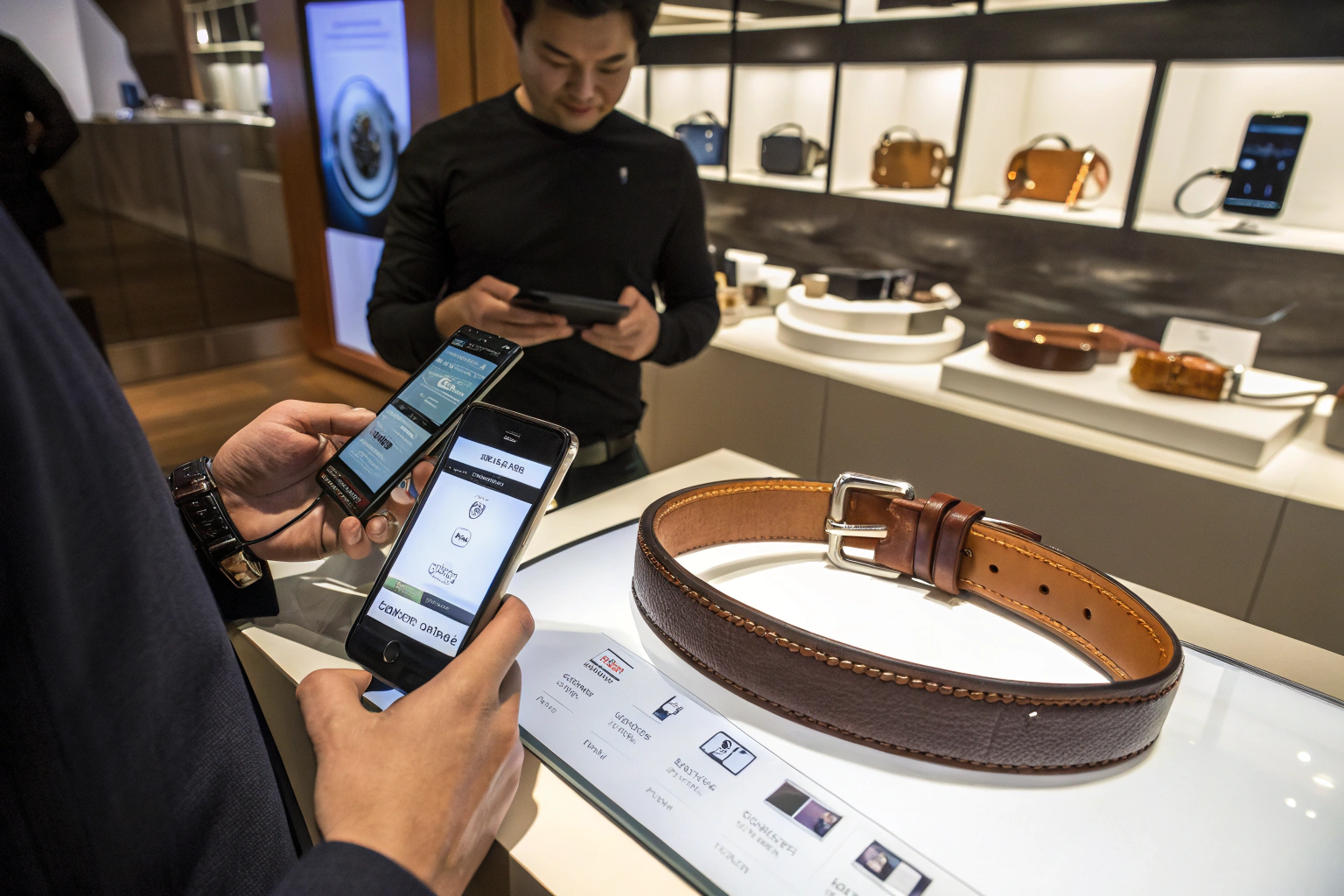
The luxury accessories market faces significant challenges with counterfeiting, with fake products costing genuine brands billions annually and damaging consumer trust. Traditional authentication methods like holograms, certificates, and serial numbers have proven increasingly vulnerable to sophisticated replication. Consumers purchasing premium belts need reliable, instant verification that their investment is genuine.
Implementing NFC technology for belt authentication involves embedding near-field communication chips within belt materials, creating secure digital certificates, developing verification systems, and establishing backend infrastructure for authentication tracking. This approach transforms physical belt verification into a digital process that provides immediate, reliable confirmation of authenticity while creating new opportunities for customer engagement.
The convergence of improved NFC technology, smartphone ubiquity, and consumer demand for purchase confidence has created ideal conditions for NFC authentication adoption. This guide explores the technical implementation, partnership requirements, and user experience considerations for successful NFC authentication systems.
What Technical Components Enable Reliable NFC Authentication?
Successful NFC authentication requires multiple integrated systems working together to create a seamless yet secure verification experience. Understanding these technical components helps identify the right technology partners and implementation approaches.
The authentication system must balance security, durability, and user-friendliness while withstanding the physical demands of belt wear. Each component addresses specific aspects of the verification challenge.

How Are NFC Chips Strategically Embedded in Belts?
NTAG 424 DNA NFC chips provide the security foundation through features including:
- Sunlight-readable dynamic signatures: Changing authentication codes prevent cloning
- ISO 14443 and ISO 29167-10 compliance: Meeting international security standards
- 64-bit custom commands: Enabling brand-specific authentication protocols
- Tamper detection: Identifying physical attempts to remove or transfer chips
These chips are typically embedded between leather layers, within buckle cavities, or sewn into fabric belts using specialized encapsulation that protects against moisture, flexing, and impact.
What Backend Systems Manage Authentication Security?
Secure cloud-based authentication platforms create the infrastructure supporting NFC verification through:
- Blockchain-based certificate storage: Creating immutable authentication records
- Real-time verification logging: Tracking each authentication attempt
- Geolocation validation: Detecting suspicious verification patterns
- API integration: Connecting with brand websites and mobile applications
These systems ensure that authentication data remains secure while providing brands with valuable insights into verification patterns and potential counterfeiting activity.
What User Experience Considerations Drive Adoption?
The authentication process must feel intuitive and valuable to consumers rather than complicated or suspicious. Successful implementations make verification a natural part of the ownership experience that enhances rather than detracts from product enjoyment.
The verification journey should provide immediate confidence while offering additional value that encourages repeated engagement. Each interaction should reinforce brand trust and product authenticity.

How Can One-Tap Verification Create Instant Confidence?
Streamlined mobile experiences requiring minimal user effort significantly increase verification rates through:
- Native smartphone integration: Utilizing built-in NFC readers in modern devices
- Progressive web app functionality: No app download required for basic verification
- Instant results display: Clear authentication status within 2-3 seconds
- Visual confirmation: Green checkmarks or brand-specific success indicators
This frictionless approach encourages verification at point of purchase and throughout product ownership.
What Additional Value Encourages Repeated NFC Engagement?
Layered experiences beyond basic authentication transform NFC from security feature to engagement tool through:
- Product storytelling: Access to materials sourcing and craftsmanship details
- Care instructions: Personalized maintenance guidance based on specific belt
- Styling suggestions: Outfit ideas featuring the authenticated belt
- Ownership history: Digital record of purchase and verification timeline
These value-added features encourage customers to repeatedly engage with the NFC system throughout product ownership.
What Manufacturing Partnerships Enable Successful Implementation?
Implementing NFC authentication requires manufacturers with specific expertise in electronics integration, secure data management, and quality control processes. Traditional belt manufacturers may lack the technical capabilities for reliable NFC implementation.
Strategic partnerships with technology specialists and careful manufacturing process design ensure consistent performance across production runs. Each partnership element addresses specific implementation challenges.

What Questions Reveal Manufacturer NFC Expertise?
When evaluating potential manufacturing partners, ask specific questions about their experience with embedded electronics and secure authentication systems, including:
- Previous NFC or RFID implementation experience in leather goods
- Quality control processes for electronic component functionality
- Relationships with certified NFC chip suppliers
- Data security protocols for chip programming and initialization
- Testing methodologies for durability and read reliability
Their responses indicate whether they can deliver the technical sophistication required for reliable authentication systems.
How Does Chip Programming Ensure Security Integrity?
Secure element programming during manufacturing prevents authentication system compromise through:
- Factory-locked unique identifiers: Preventing chip replication or reprogramming
- Encrypted communication protocols: Securing data transmission during verification
- Digital certificate binding: Linking each chip to specific product information
- Initialization auditing: Comprehensive records of chip programming and installation
These security measures ensure that authentication chips cannot be copied or transferred to counterfeit products.
What Anti-Counterfeiting Strategies Complement NFC Technology?
While NFC provides powerful authentication capability, comprehensive brand protection requires multiple layered approaches. Understanding how NFC integrates with other anti-counterfeiting measures creates more robust protection systems.
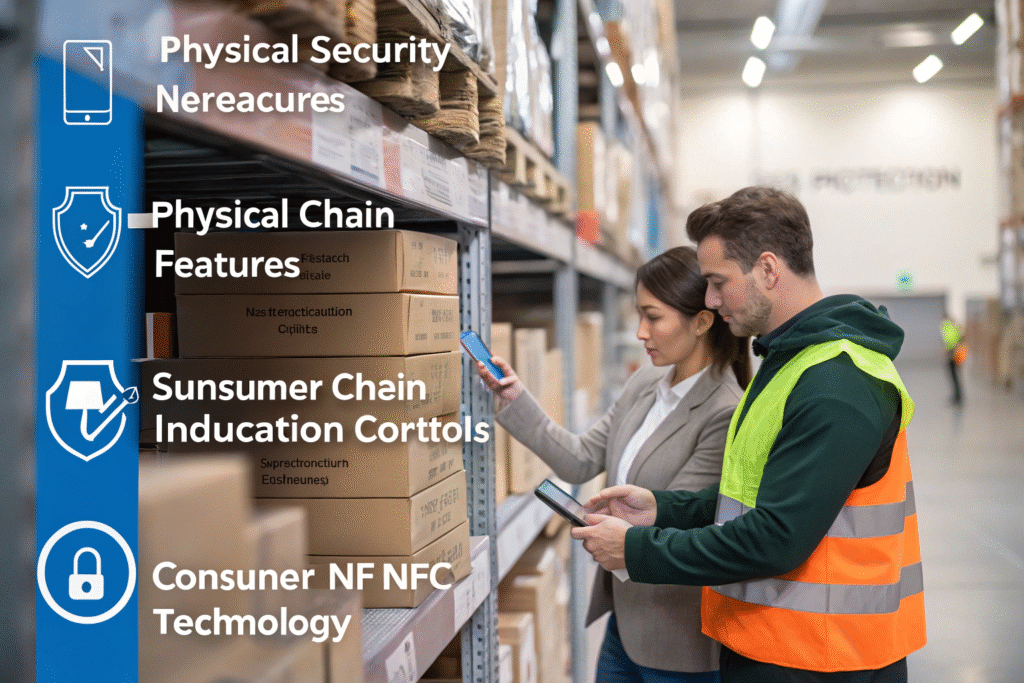
Physical security features, supply chain controls, and consumer education work together with NFC technology to create comprehensive brand protection. Each element addresses different aspects of the counterfeiting challenge.
How Do Physical Security Features Enhance NFC Protection?
Visible and hidden security elements working alongside NFC create multiple verification points through:
- Micro-text printing: Requiring magnification to verify authenticity
- Holographic elements: Difficult-to-replicate visual security features
- Material fingerprinting: Unique natural patterns in leather or textiles
- Specialized stitching: Brand-specific thread patterns or techniques
These physical elements provide visual authentication cues while NFC handles digital verification.
What Supply Chain Controls Prevent Diversion and Tampering?
Secure supply chain management practices ensure authentication integrity from factory to consumer through:
- Tamper-evident packaging: Revealing any unauthorized access
- Distribution tracking: Monitoring product movement through authorized channels
- Inventory reconciliation: Regular audits matching physical stock to digital records
- Authorized retailer verification: Confirming selling partner legitimacy
These controls prevent authentic products from being compromised before reaching consumers.
| Component | Security Function | Implementation Consideration |
|---|---|---|
| NFC Chip | Digital authentication | NTAG 424 DNA with encryption |
| Mobile App | User verification | Native NFC reading capability |
| Cloud Platform | Data security | Blockchain certificate storage |
| Physical Markers | Visual verification | Holograms, micro-text, specialized materials |
Conclusion
Implementing NFC technology for belt authentication requires careful integration of secure chips, robust backend systems, intuitive user experiences, and comprehensive manufacturing partnerships. By creating a seamless verification process that provides immediate confidence while offering additional engagement value, brands can significantly enhance consumer trust and combat counterfeiting effectively. The most successful implementations make authentication a natural part of the ownership experience that reinforces brand premium positioning while providing valuable data about product verification and potential counterfeiting activity.
Ready to implement NFC authentication technology for your belt collections? At StylishBelts, we specialize in integrating advanced security features that protect brand integrity while enhancing customer experience. Contact our Business Director Elaine today at elaine@fumaoclothing.com to discuss how our NFC authentication expertise can safeguard your products and strengthen customer trust.