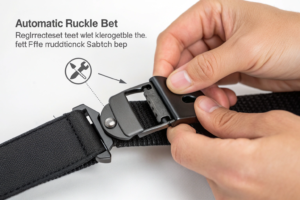
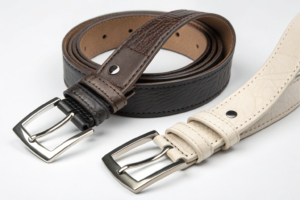
Your belt business faces growing pressure to adopt eco-friendly practices. Customers now demand sustainable packaging, and regulations are tightening worldwide. But where do you start without compromising product protection or breaking your budget?
Implementing sustainable packaging for belt shipping involves replacing traditional materials with eco-friendly alternatives, optimizing package design to reduce waste, and selecting green logistics partners. The transition should be gradual, starting with easy wins like recycled paper fillers and moving toward innovative plant-based materials and reusable systems that create circular value for your brand.
Sustainable packaging isn't just an environmental initiative—it's a business opportunity. Studies show 74% of consumers are willing to pay more for sustainable packaging, and optimized designs can reduce shipping costs by 15-20%. This guide walks through practical steps to transform your packaging while maintaining product integrity and enhancing customer experience.
What Materials Work Best for Sustainable Belt Packaging?
The foundation of sustainable packaging lies in material selection. Traditional plastic bubble wrap, foam peanuts, and vinyl pouches are being replaced by innovative alternatives that protect both products and the planet. The key is finding materials that balance sustainability with practical protection needs.
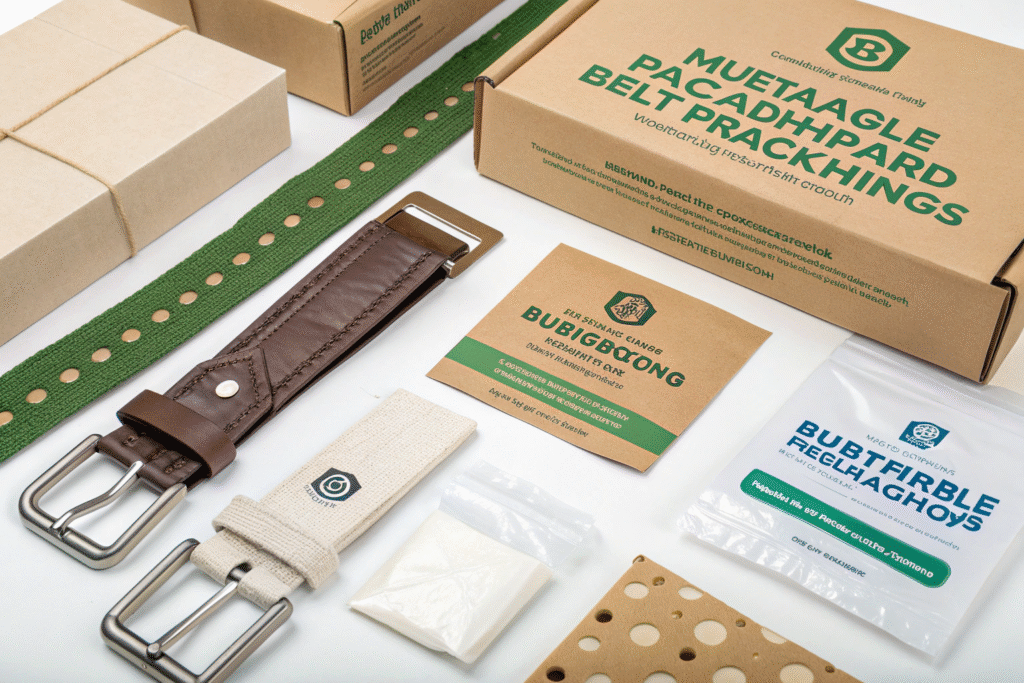
For belt packaging, the most effective sustainable materials include recycled cardboard boxes, mushroom-based protective wraps, seaweed-derived bags, and cornstarch-based inserts. These materials offer comparable protection to conventional options while being compostable, recyclable, or biodegradable. The optimal combination depends on your specific belt types, shipping distances, and budget considerations.
Which Protective Materials Effectively Replace Plastic?
Mushroom packaging grown from mycelium and agricultural waste provides excellent cushioning for premium belts. This material is home-compostable and forms to custom shapes, preventing movement during transit. For individual belt wrapping, cellulose-based films derived from wood pulp offer clarity and protection without plastic's environmental impact.
For void fill and cushioning, recycled paper shreds or molded pulp inserts outperform foam peanuts. Air pillows made from recycled content and recyclable plastic films provide lightweight protection when minimal cushioning is needed. The most sustainable approach uses precisely sized packaging that minimizes the need for additional fill materials altogether.
How Do You Source Cost-Effective Sustainable Materials?
Building relationships with certified suppliers is crucial for consistent quality and pricing. Look for vendors with FSC (Forest Stewardship Council) certification for paper products and BPI certification for compostable plastics. Local sourcing reduces transportation emissions and often provides better pricing through reduced shipping costs.
Volume commitments and long-term contracts help secure stable pricing for sustainable materials. Consider joining a packaging buying cooperative to access bulk pricing normally available only to larger companies. Many regions offer tax incentives for businesses using recycled content, further improving the cost equation for sustainable packaging transitions.
How to Design Packaging That Reduces Waste and Costs?
Smart design is the most powerful tool for sustainable packaging. Right-sizing packages, eliminating unnecessary components, and designing for reuse can dramatically reduce material usage and shipping costs while enhancing the customer experience.
The most effective sustainable packaging designs follow the "less is more" philosophy. They use minimal materials while providing maximum protection and brand experience. Digital tools now enable precise packaging optimization before physical production, reducing trial and error waste during the design process.

What Packaging Dimensions Minimize Material Usage?
Custom-sized boxes that fit belts snugly reduce material waste and shipping costs. For single belts, slim packages measuring approximately 12" x 4" x 1" typically provide adequate protection while minimizing dimensional weight charges. For multiple belt orders, modular designs that nest together prevent movement without requiring fill materials.
Advanced software tools can calculate the optimal package size based on product dimensions and carrier requirements. Implementing these optimized sizes typically reduces cardboard usage by 20-35% and decreases shipping costs by 15-25% through reduced dimensional weight. The initial design investment pays back quickly through ongoing material and shipping savings.
How Can Modular Designs Serve Multiple Product Types?
Modular packaging systems use interchangeable components that work across your product line. A base box might accommodate single belts, while insert trays convert it for multi-belt collections. This approach reduces inventory complexity and allows bulk purchasing of core components.
Successful modular systems incorporate design for disassembly principles, making components easy to separate for recycling. For belt brands offering various styles from formal to casual, a unified packaging system creates brand consistency while accommodating different product dimensions through adjustable internal configurations.
What Logistics Partnerships Support Sustainable Shipping?
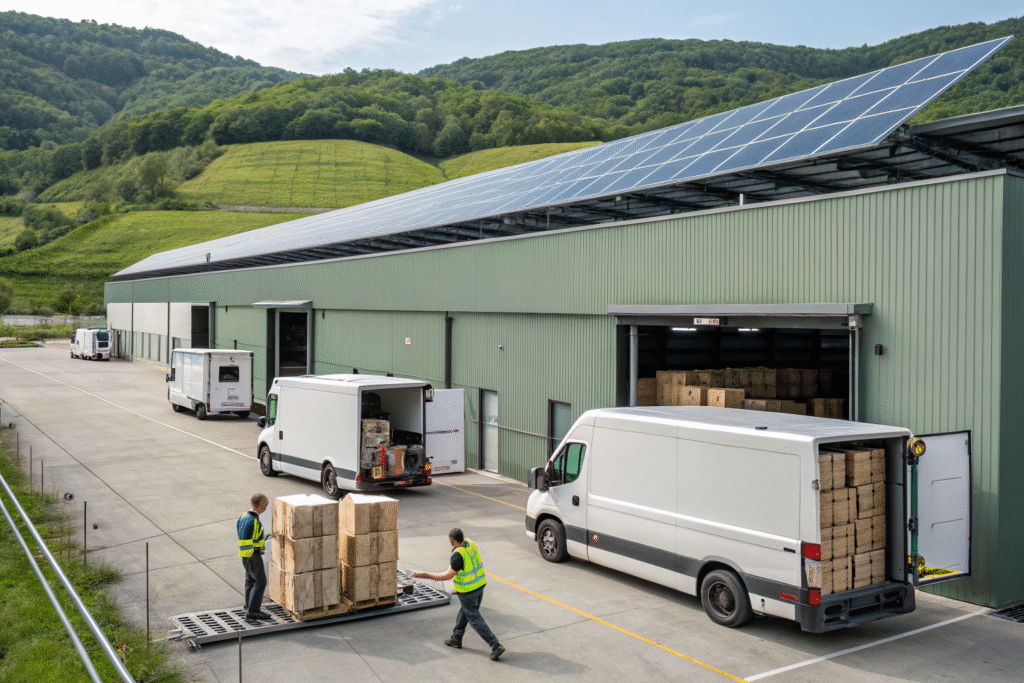
Choosing the right logistics partners accelerates your sustainability journey. Forward-thinking carriers offer carbon-neutral shipping options, optimized routing to reduce emissions, and packaging take-back programs that create circular systems.
The most sustainable shipping approach considers the entire journey from your facility to the customer's door. This includes warehouse practices, transportation modes, last-mile delivery, and even return logistics. Partnering with carriers who share your environmental values ensures consistency across the customer experience.
Which Carriers Offer Verified Carbon-Neutral Shipping?
Major carriers like UPS, DHL, and FedEx offer carbon-neutral shipping options where they invest in environmental projects to offset shipment emissions. These programs typically add a small surcharge (often $0.15-0.30 per package) that many conscious consumers willingly pay.
For international shipping, select partners with green logistics certifications like SmartWay that verify environmental performance. Regional specialists often provide more sustainable last-mile delivery through electric vehicle fleets or bicycle couriers in urban areas. The optimal carrier mix balances sustainability credentials with practical delivery reliability and cost considerations.
How Do You Implement a Packaging Take-Back Program?
Take-back programs encourage customers to return packaging for reuse or recycling. The simplest approach provides prepaid return labels with initial shipments. More advanced systems offer loyalty points or discounts on future purchases as incentives for participation.
Successful take-back programs require clear customer communication about how to participate and what happens to returned materials. Partnering with organizations like TerraCycle provides professional handling of hard-to-recycle materials. For reusable packaging systems, a deposit model similar to traditional bottle returns can create high participation rates while building customer loyalty through repeated interactions.
How to Communicate Sustainability Without Greenwashing?
Authentic sustainability communication builds trust and brand value, while exaggerated claims damage credibility. The most effective messaging focuses on specific, verifiable achievements rather than vague environmental benevolence.
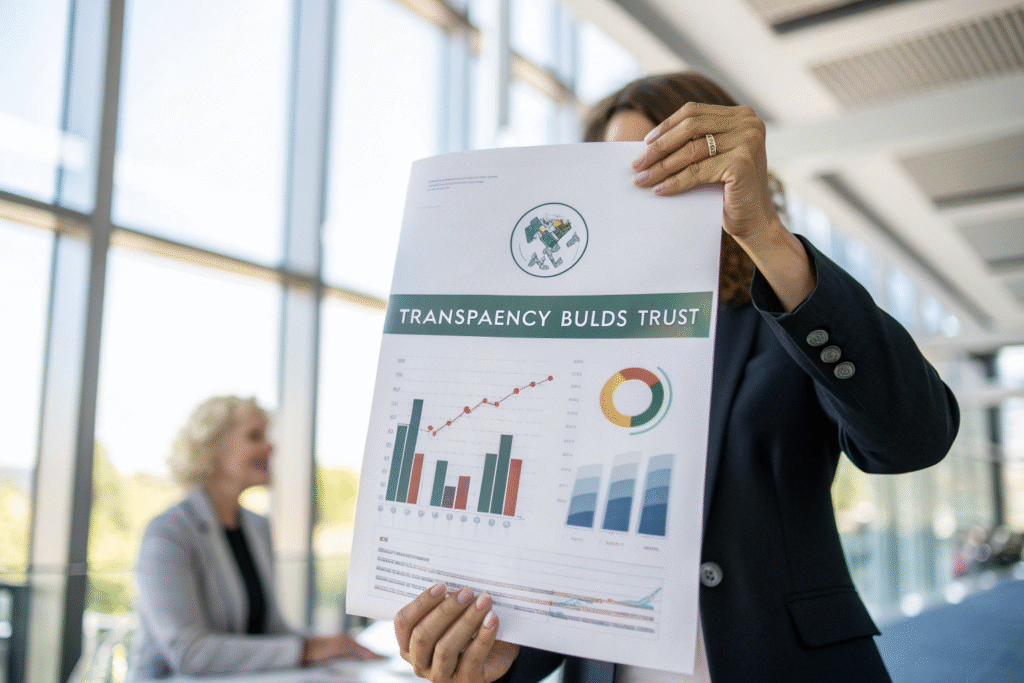
Transparency is the foundation of credible sustainability communication. Sharing both successes and challenges, providing evidence for claims, and avoiding exaggerated language creates trust with increasingly sophisticated consumers who scrutinize environmental assertions.
What Certifications and Labels Build Consumer Trust?
Third-party certifications provide independent verification of sustainability claims. For packaging, the most recognized certifications include FSC for paper products, BPI for compostable plastics, and How2Recycle for clear disposal instructions. These labels instantly communicate credible environmental attributes without requiring lengthy explanations.
Regional certifications like the EU Ecolabel carry weight in specific markets. When selecting certifications, prioritize those recognized by your target customers rather than collecting numerous obscure labels. The most effective certification strategy focuses on 2-3 well-known marks that align with your most important sustainability initiatives.
How Should You Train Customer Service Teams on Sustainability?
Customer service representatives need clear information about your packaging choices and their environmental benefits. Create simple guides explaining why you use specific materials, how customers should dispose of them, and what makes your approach different from conventional alternatives.
Role-playing common customer questions prepares teams for conversations about sustainability. Provide specific answers to potential skepticism, such as explaining the lifecycle assessment behind material choices or the verified percentage of recycled content. Empowered customer service teams turn packaging questions into opportunities to demonstrate your brand's authentic commitment to environmental responsibility.
Conclusion
Implementing sustainable packaging for belt shipping requires a systematic approach across materials, design, logistics, and communication. The journey begins with replacing conventional materials with eco-friendly alternatives, continues through optimizing package design to minimize waste, and culminates in authentic communication that builds customer trust.
The transition to sustainable packaging delivers tangible business benefits beyond environmental stewardship. Reduced material costs, lower shipping expenses, enhanced brand perception, and increased customer loyalty create a compelling business case. Starting with achievable steps and building toward more ambitious goals makes the process manageable while delivering continuous improvement.
Ready to implement sustainable packaging for your belt shipments? Contact our Business Director, Elaine, at elaine@fumaoclothing.com to discuss how we can help develop eco-friendly packaging solutions that protect your products, our planet, and your profitability.