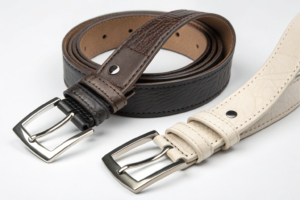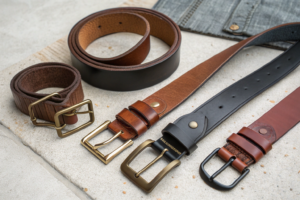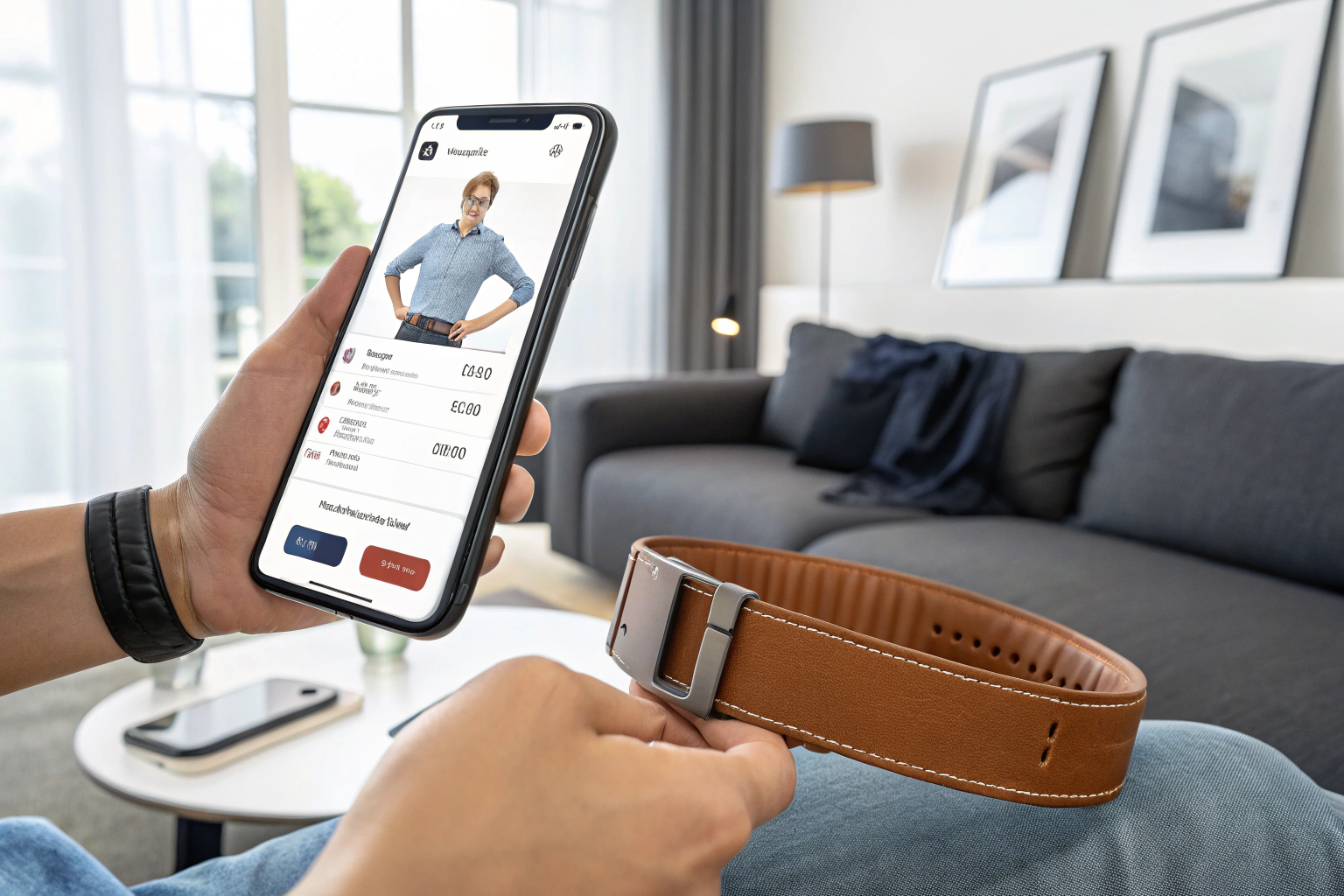
The e-commerce landscape for fashion accessories is undergoing a revolutionary transformation through virtual try-on technology. For belt retailers, this innovation addresses fundamental challenges of online shopping—the inability to assess fit, visualize proportion, and understand how a belt complements existing wardrobe items. Early adopters are reporting significant reductions in return rates and increases in conversion, making virtual try-on increasingly essential rather than optional.
Implementing virtual try-on technology for belt e-commerce requires selecting appropriate AR platforms, creating accurate 3D product models, integrating sizing intelligence, optimizing user experience for mobile devices, and analyzing performance data to refine the system. The most successful implementations balance technological sophistication with user-friendly interfaces that make the virtual try-on process intuitive rather than intimidating. This technology transforms belt shopping from a speculative purchase to an interactive experience that builds confidence and reduces post-purchase uncertainty.
As consumers grow accustomed to augmented reality shopping experiences across categories, belt retailers face both competitive pressure and significant opportunity to leverage this technology for market differentiation and improved customer satisfaction.
What Technology Platforms Support Belt Virtual Try-On?
Selecting the right technological foundation determines whether virtual try-on enhances or complicates the shopping experience.
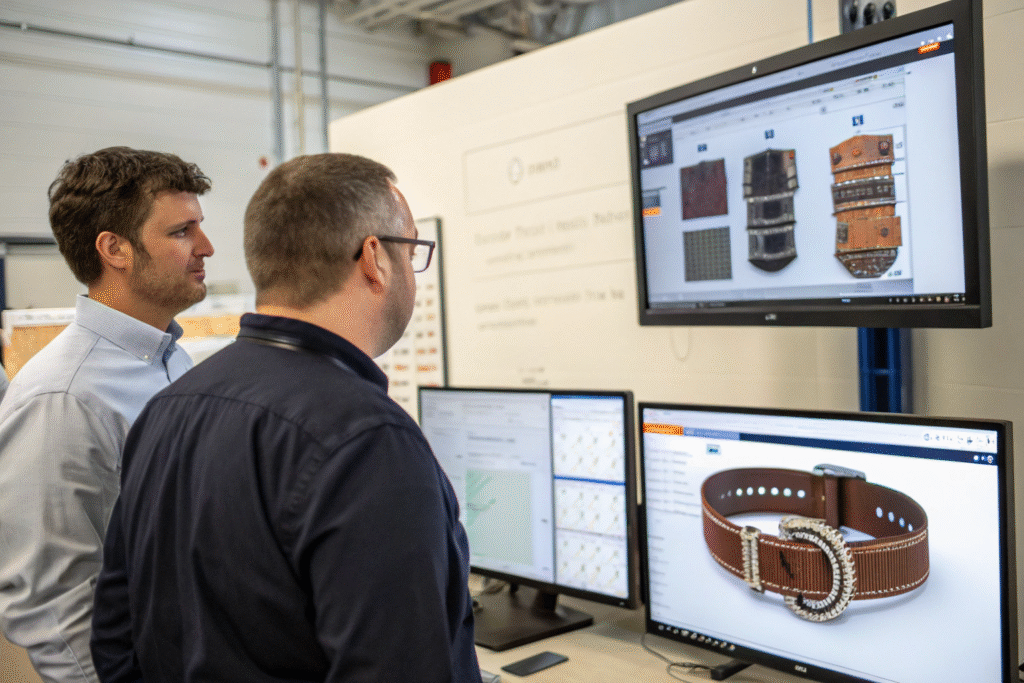
How Do AR Platforms Differ for Accessory Applications?
Augmented reality platforms vary significantly in their capabilities for fashion accessories versus other product categories. For belts, the technology must accurately map to the waist area while accounting for clothing layers, body shapes, and movement. Markerless AR that uses body tracking without predefined targets provides the most natural experience, allowing users to see belts superimposed on their actual body through their device camera. The most advanced systems incorporate physics engines that simulate how belts drape, buckle, and move with body rotation.
Platform selection should prioritize accuracy in fit prediction—the single most important factor for belt purchases. Systems that combine camera-based body measurement with user-provided sizing information (current belt size, pants size) deliver the most reliable results. The technology should also accommodate different wearing positions (hips versus natural waist) since belt styling varies significantly by personal preference and current fashion trends. Platforms offering SDKs specifically designed for fashion accessories typically outperform general-purpose AR solutions.
What 3D Modeling Requirements Ensure Realistic Presentation?
Creating photorealistic 3D belt models requires specialized assets that capture material properties, hardware details, and flexibility characteristics. High-quality modeling begins with professional product photography from multiple angles, followed by detailed texture mapping that reproduces leather grain, woven patterns, or metallic finishes. The most convincing models incorporate material behavior algorithms that simulate how different belt types drape—stiff dress belts maintaining more structure while flexible casual belts conform more naturally to body contours.
The modeling process must accurately represent key visual differentiators: the reflectivity of polished buckles, the texture of embossed leather, the sheen of different finish types, and the color accuracy under varying lighting conditions. Successful implementations use PBR (Physically Based Rendering) materials that respond realistically to virtual lighting environments matching typical user settings. For brands with extensive catalogs, establishing efficient modeling pipelines that maintain quality while controlling costs proves essential for scalability.
How Should User Experience Be Optimized for Virtual Try-On?
The interface design and user flow determine whether customers embrace or abandon virtual try-on features.
What Onboarding Processes Increase Adoption?
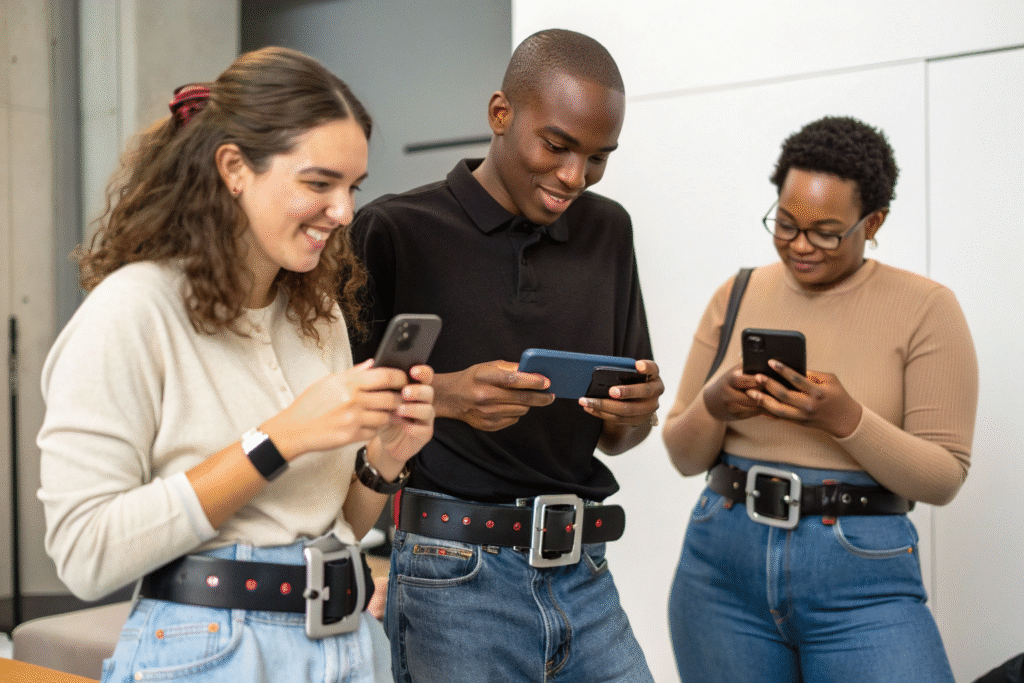
The initial virtual try-on experience must overcome user hesitation through clear guidance and immediate value demonstration. Successful implementations use progressive disclosure—starting with simple camera permission requests, followed by brief calibration (standing at full height, turning slowly), then delivering the satisfying "magic moment" of seeing a belt on themselves within 15 seconds. Tutorials should be skippable for confident users while remaining available for those needing assistance.
The most effective onboarding incorporates social proof by showing how many other customers used virtual try-on before purchasing, normalizing the technology. Clear privacy assurances about how body data is used (and not stored) reduces hesitation, particularly important for fashion applications where users might feel vulnerable. The calibration process should accommodate different environments—well-lit ideal conditions but also functional performance in typical home lighting where most shopping occurs.
How Can Interface Design Minimize Friction?
Virtual try-on interfaces must prioritize simplicity when adding complex functionality. The most successful designs keep the belt as the visual focus while making controls secondary but accessible. Standardized gestures like pinch-to-zoom for belt detail inspection and tap-to-switch between products feel familiar to mobile users. The interface should provide clear value indicators like "94% accuracy in fit prediction" or "Try before you buy" to justify any additional steps beyond traditional product viewing.
Critical interface elements include easy product switching without exiting try-on mode, the ability to save favorite virtual try-on sessions for later comparison, and sharing functionality that lets users seek opinions from friends. The most sophisticated implementations incorporate outfit pairing suggestions that recommend belts based on clothing items users already own (by uploading photos) or are considering purchasing alongside the belt, creating coordinated looks that increase average order value.
What Technical Implementation Challenges Must Be Solved?
Successfully deploying virtual try-on requires addressing specific technical hurdles unique to belt products and e-commerce environments.

How Can Size Accuracy Be Maximized?
Achieving reliable size recommendation represents the most technically challenging aspect of belt virtual try-on. The most accurate systems combine multiple data sources: camera-based body measurement using reference objects (like a credit card) for scale, user-provided sizing information from existing belts or clothing, and machine learning algorithms that correlate body measurements with optimal belt sizes based on historical purchase and return data. This multi-layered approach compensates for individual variations in wearing preference and body shape.
Continuous improvement mechanisms ensure sizing accuracy increases over time. Systems that track which virtual size recommendations resulted in successful purchases (no returns or exchanges) create feedback loops that refine algorithms. The most advanced implementations offer conditional confidence scores—"95% confident this size will fit if you wear belts at your natural waist" versus "75% confident for low-hip wearing"—setting appropriate expectations while still providing guidance. This transparency about certainty levels builds trust even when perfect accuracy isn't achievable.
What Performance Requirements Ensure Accessibility?
Virtual try-on technology must perform across diverse device capabilities and connection speeds to avoid excluding potential customers. Successful implementations offer tiered experiences: full AR for capable devices, simplified overlay mode for mid-range devices, and static size recommendation based on uploaded photos for limited capability situations. This graceful degradation ensures all customers benefit from the technology regardless of their hardware.
Performance optimization includes efficient 3D model compression that maintains visual quality while reducing bandwidth requirements, lazy loading that prioritizes visible elements, and predictive pre-loading of likely next products based on browsing behavior. The most considerate implementations include data usage warnings before launching AR modes and options to disable high-bandwidth features for users with limited data plans. These accommodations demonstrate respect for user circumstances while still providing value.
How Should Success Be Measured and Optimized?
Implementing virtual try-on represents an ongoing process of measurement, learning, and refinement rather than a one-time installation.
| Performance Metric | Optimization Opportunity | Business Impact |
|---|---|---|
| Virtual Try-On Adoption Rate | Simplify activation process | Increases conversion rate for engaged users |
| Return Rate Reduction | Improve size accuracy algorithms | Direct cost savings and increased profitability |
| Session Duration | Enhance product discovery features | Increases engagement and potential cross-selling |
| Mobile Versus Desktop Usage | Prioritize platform-specific improvements | Aligns development resources with user behavior |
| Social Sharing Volume | Optimize sharing mechanisms | Generates organic marketing and new customer acquisition |

What Key Performance Indicators Matter Most?
The most informative KPIs for virtual try-on extend beyond basic conversion rates to include engagement depth and downstream impacts. Critical metrics include try-on activation rate (percentage of product page viewers who launch virtual try-on), try-on to purchase conversion rate (how much more likely try-on users are to purchase), and return rate differential (how much virtual try-on reduces returns). These metrics quantify both immediate sales impact and long-term cost savings.
Secondary metrics provide optimization insights: session duration indicates engagement quality, feature usage patterns reveal which virtual try-on capabilities provide most value, and device usage distribution guides platform prioritization. The most sophisticated analytics track the try-on consideration funnel from initial camera permission through calibration completion to actual belt visualization, identifying dropout points for targeted improvement.
How Can Continuous Improvement Be Structured?
Virtual try-on implementation should follow an iterative improvement cycle based on user feedback and performance data. Regular A/B testing of interface changes, calibration processes, and feature additions ensures the experience evolves toward optimal performance. User feedback mechanisms specifically about the virtual try-on experience—separate from general product feedback—provide qualitative insights that explain quantitative metrics.
The most successful improvement programs establish cross-functional teams including e-commerce managers, developers, and customer service representatives who collectively understand how the technology performs across the customer journey. Customer service training specifically on virtual try-on questions and limitations ensures consistent messaging when users need assistance. This organizational approach transforms virtual try-on from a technical feature to a core business capability that drives competitive advantage.
Conclusion
Implementing virtual try-on technology for belt e-commerce requires strategic integration of sophisticated AR platforms, thoughtful user experience design, and continuous performance optimization. When successfully executed, this technology transforms online belt shopping from a gamble on fit and style into an engaging, confidence-building experience that reduces returns while increasing conversion.
The brands that lead in virtual try-on implementation gain significant competitive advantages through improved customer satisfaction, valuable fit data collection, and market positioning as innovative retailers. As the technology continues evolving toward even more accurate size prediction and realistic presentation, early adoption establishes foundation capabilities that will become increasingly essential in the e-commerce landscape.
Ready to implement virtual try-on technology for your belt e-commerce business? Contact our Business Director, Elaine, at elaine@fumaoclothing.com to discuss how our technical expertise and belt manufacturing capabilities can create seamless virtual try-on experiences that drive sales and customer satisfaction.