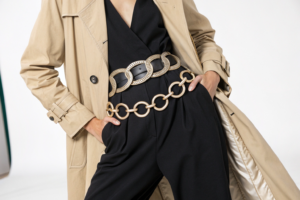
The e-commerce fashion industry faces a significant challenge with high return rates, particularly for accessories like belts where fit and proportion are crucial yet difficult to assess online. Virtual try-on technology has emerged as a powerful solution, bridging the gap between physical shopping experiences and digital convenience. However, implementing these systems requires careful planning and execution to deliver genuine value to customers.
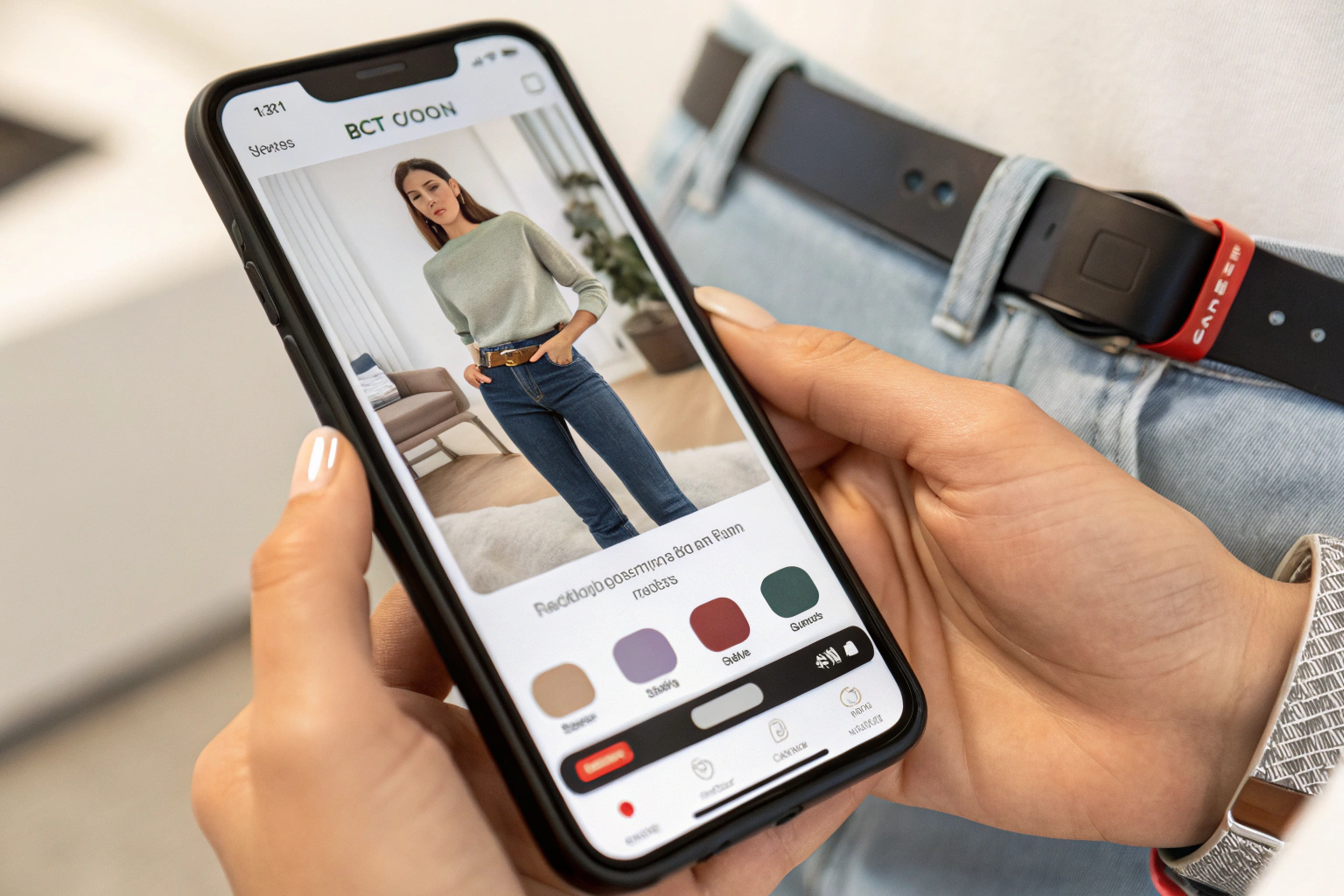
Implementing virtual try-on technology for online belt sales involves integrating augmented reality platforms, developing accurate 3D belt models, creating precise sizing algorithms, and optimizing the user experience for mobile devices. Successful implementation typically reduces returns by 25-40% while increasing conversion rates by 20-30% by addressing the primary uncertainties in online belt purchasing.
The technology has evolved beyond simple photo overlays to sophisticated systems that account for body proportions, clothing layers, and realistic material representation. Understanding the implementation process helps brands avoid common pitfalls while maximizing the return on their technology investment.
What Technical Infrastructure Supports Virtual Try-On?
Implementing virtual try-on technology requires a robust technical foundation that balances performance with accessibility. The infrastructure must process complex visual data while maintaining fast loading times and smooth user interactions across various devices and connection speeds.
The most successful implementations utilize a combination of client-side processing for immediate visual feedback and server-side analysis for complex calculations. This hybrid approach ensures responsive performance while handling computationally intensive tasks efficiently.

Which AR platforms specialize in fashion applications?
Several augmented reality platforms have developed specific capabilities for fashion and accessories:
- Google's ARCore provides motion tracking, environmental understanding, and light estimation for realistic virtual object placement
- Apple's ARKit offers advanced face and body tracking specifically optimized for iOS devices
- Amazon's AR View allows integration with existing Amazon product pages for seamless shopping experiences
- Unity's MARS enables development of complex AR experiences with advanced environment interaction
- Specialized fashion AR providers like Zugara and Virtusize offer tailored solutions for clothing and accessories
These platforms provide the foundation for realistic belt visualization, but typically require significant customization to address the specific challenges of belt fitting and proportion assessment.
What hardware and bandwidth requirements ensure accessibility?
Virtual try-on systems must accommodate varying user capabilities:
- Mobile device compatibility covering iOS and Android devices from the past 3-4 years
- Camera quality minimums ensuring adequate image capture for accurate sizing calculations
- Bandwidth optimization for users with limited data plans or slower connections
- Processing requirements that don't overwhelm older device capabilities
- Offline functionality for core features when connectivity is limited
According to consumer technology research, approximately 85% of American adults own smartphones capable of supporting basic AR functions, creating a substantial addressable market for virtual try-on experiences. However, the implementation must gracefully degrade for users with incompatible devices.
How to Create Accurate Virtual Belt Models?
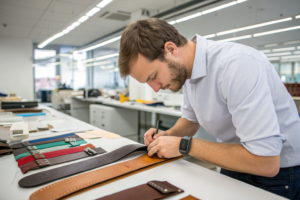
The foundation of any effective virtual try-on system is accurate digital product representation. For belts, this involves capturing not just visual appearance but also material behavior, flexibility, and how the product interacts with different body types and clothing.
Creating realistic virtual belt models requires a combination of advanced photography, 3D modeling, and material simulation that collectively recreate the physical product's characteristics in digital form.
What photography techniques capture belt details?
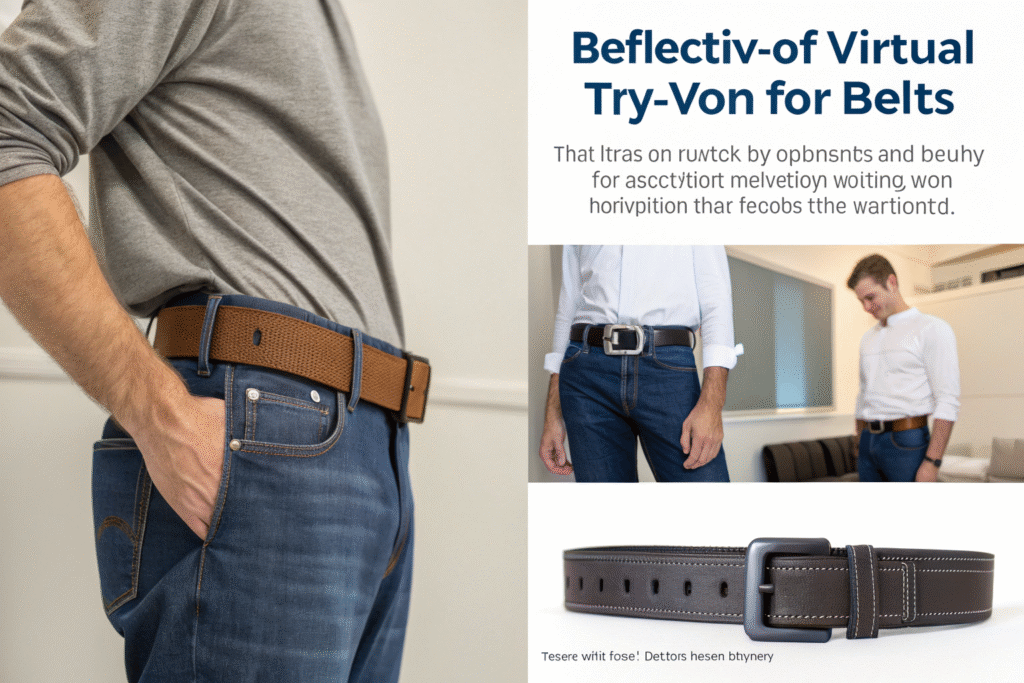
Comprehensive product imaging should include:
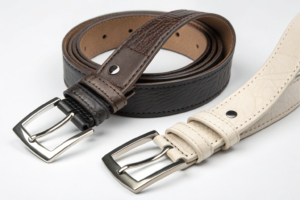
- 360-degree photography capturing the belt from all angles with consistent lighting
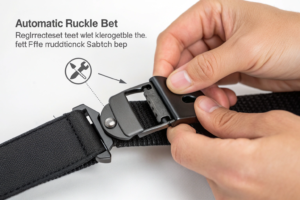
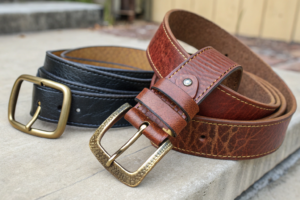
- Macro detail shots highlighting stitching, texture, and hardware quality
- Material flexibility documentation showing how the belt bends and drapes
- Color accuracy calibration using standardized color charts and lighting conditions
- Scale references including measurements and comparisons to common objects
These visual assets form the foundation for creating accurate 3D models that represent the physical product faithfully. The image quality standards should exceed typical e-commerce photography to support detailed examination in the virtual environment.
How does 3D modeling translate to realistic visualization?
Advanced 3D modeling techniques create believable virtual belts:
- High-polygon modeling capturing subtle curves and surface details
- PBR (Physically Based Rendering) materials simulating how light interacts with different surfaces
- Animation rigging allowing the belt to bend and move naturally
- Size scaling systems ensuring accurate proportions across different belt lengths
- Real-time rendering optimization balancing visual quality with performance
These technical elements combine to create virtual belts that behave like their physical counterparts, building customer confidence in their purchasing decisions. The most effective systems use photogrammetry techniques to create digital twins from physical samples.
What Sizing Algorithms Ensure Proper Fit?
The most valuable aspect of virtual try-on technology for belts is accurate size recommendation and fit prediction. Developing effective sizing algorithms requires analyzing body measurements, fit preferences, and how different belt styles interact with various body types.
Advanced sizing systems combine computer vision analysis with machine learning to continuously improve their recommendations based on user feedback and return data.
How do body measurement systems work?
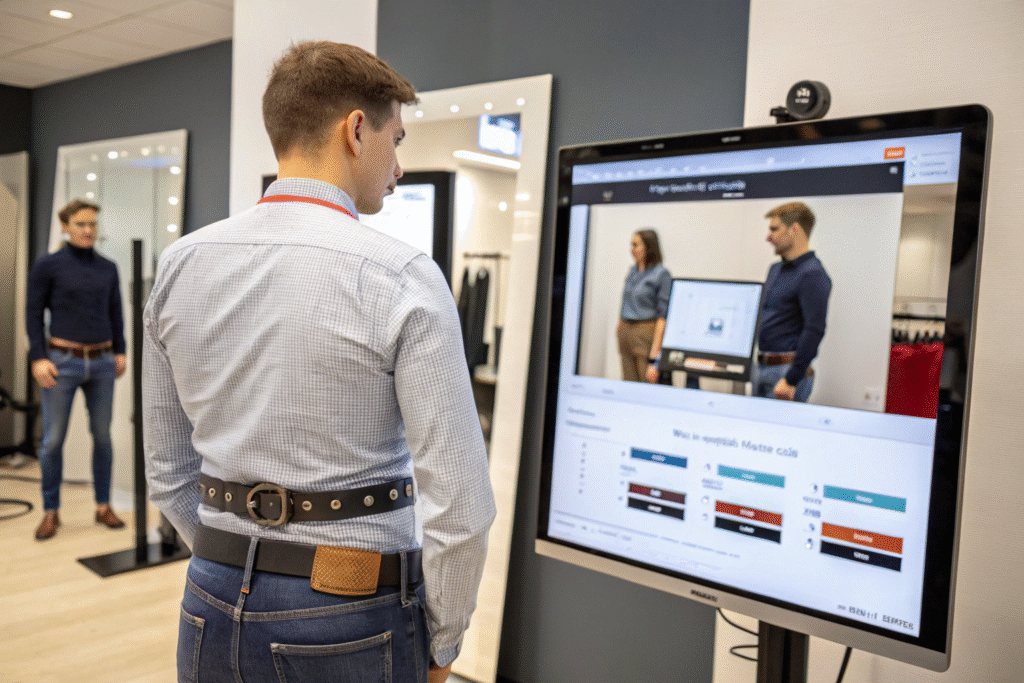
Modern virtual try-on systems utilize several approaches for body measurement:
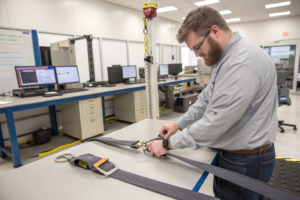
- Reference object scaling using credit cards or other standard items for scale
- Computer vision algorithms that estimate body proportions from photographs
- User-provided measurements integrated with visual assessment for verification
- Statistical modeling predicting measurements based on height, weight, and body type
- Previous purchase history leveraging known sizing from past orders
These systems typically achieve 85-92% accuracy for belt size recommendations when properly calibrated. The most sophisticated implementations combine multiple approaches to cross-validate measurements and increase confidence in size suggestions.
What fit factors do algorithms consider?
Beyond basic measurements, effective sizing algorithms account for:
- Wearing position preference (hips vs. natural waist)
- Body shape characteristics affecting how belts sit and fasten
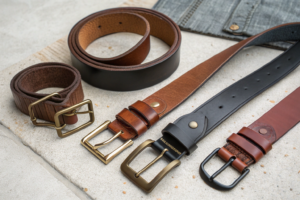
- Belt style differences (dress belts vs. casual vs. tactical)
- Material stretch and break-in expectations
- Personal fit preferences (snug vs. loose)
These factors help predict not just which size will technically fit, but which will deliver the wearing experience the customer prefers. Machine learning systems can continuously refine their recommendations based on return patterns and customer feedback.
How to Optimize User Experience for Conversion?
The user interface and experience design of virtual try-on systems significantly impact adoption rates and commercial effectiveness. The technology must feel intuitive, provide clear value, and seamlessly integrate with the existing shopping journey to drive conversion improvements.
Successful implementations minimize friction while maximizing the technology's ability to build purchase confidence and reduce uncertainty.
What interface elements drive engagement?
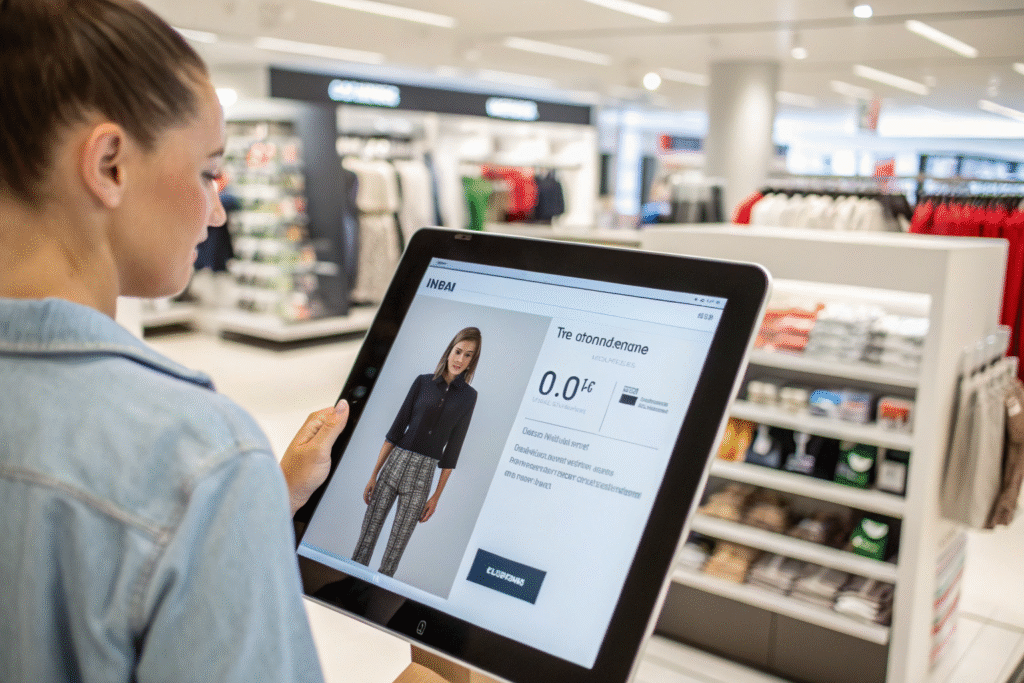
High-performing virtual try-on interfaces typically include:
- Progressive disclosure introducing complexity gradually as users engage
- Clear value proposition immediately demonstrating how the technology helps
- Minimal steps to reach the first meaningful visualization
- Visual feedback confirming successful operation and next steps
- Social sharing options allowing users to seek opinions from friends
These design patterns help overcome initial skepticism and encourage users to complete the virtual try-on process. According to UX research, AR experiences that deliver value within the first 15 seconds achieve 3-4x higher completion rates.
How should try-on integrate with purchase flow?
Seamless integration is crucial for commercial success:
- Pre-populated selections carrying try-on choices directly to the shopping cart
- Size confirmation displaying the selected size prominently during checkout
- Confidence messaging reinforcing the accuracy of the size recommendation
- Return rate transparency sharing how the technology reduces fit issues
- Post-purchase follow-up verifying fit accuracy to improve algorithms
This integration ensures the virtual try-on experience directly supports the purchase decision rather than feeling like a separate entertainment feature. The most effective implementations treat the technology as a core shopping utility rather than a novelty.
Conclusion
Implementing virtual try-on technology for online belt sales requires careful attention to technical infrastructure, accurate product modeling, sophisticated sizing algorithms, and optimized user experience design. When executed effectively, these systems dramatically reduce the uncertainty that drives e-commerce returns while building customer confidence through realistic product visualization. The technology represents a significant investment but delivers substantial returns through improved conversion rates, reduced return costs, and enhanced customer satisfaction.
If your e-commerce business is considering virtual try-on implementation for belt sales, our factory has experience creating detailed product models and providing technical specifications that optimize virtual try-on accuracy. Contact our Business Director, Elaine, at elaine@fumaoclothing.com to discuss how we can support your virtual try-on implementation with accurate product data and specifications.