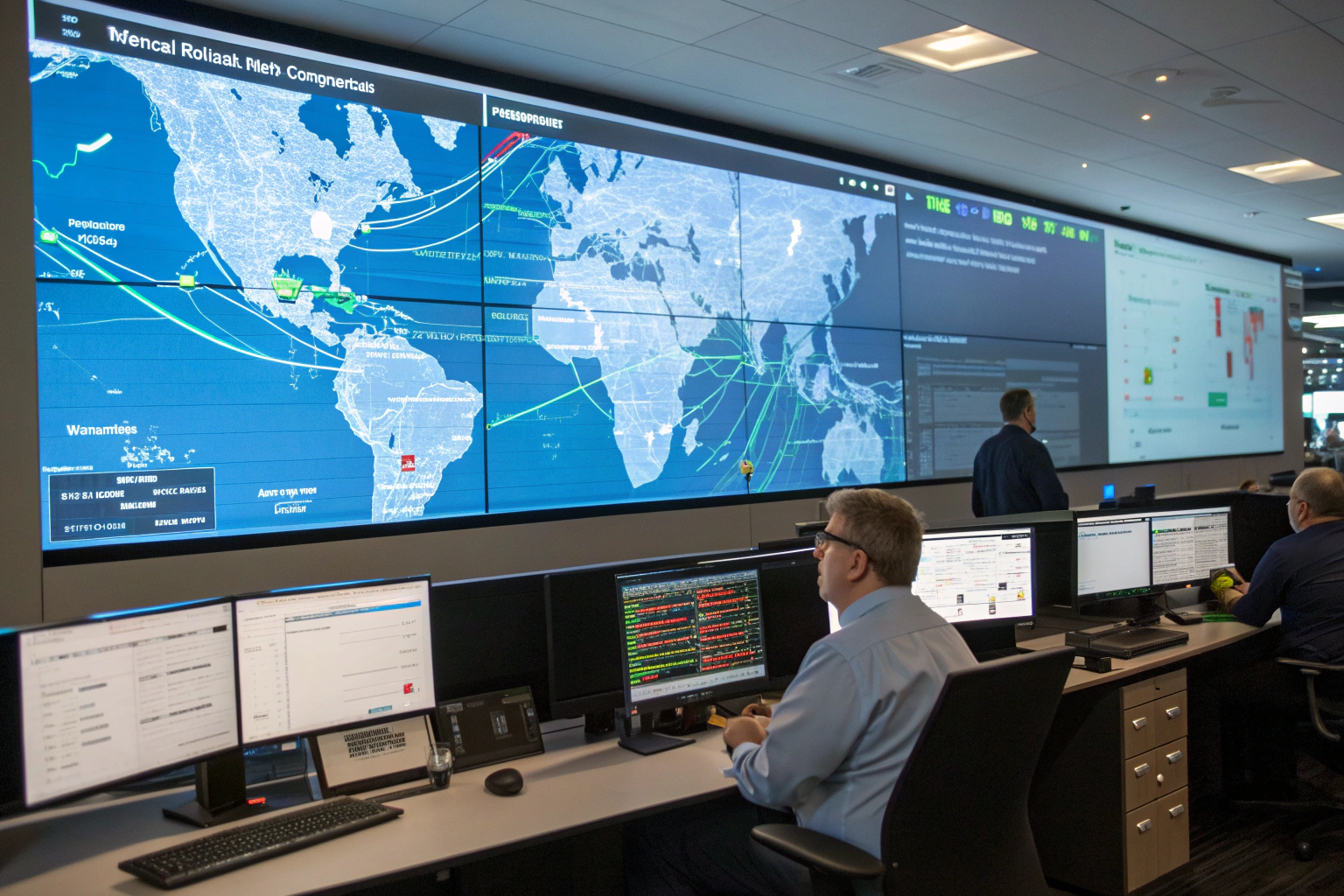
Peak shipping seasons have become increasingly challenging for fashion importers, with delays stretching from weeks to months and potentially missing crucial selling windows. The holiday season, Chinese New Year, and summer peak periods create perfect storms of port congestion, carrier capacity shortages, and logistical bottlenecks. How can belt importers and fashion brands proactively manage these seasonal challenges rather than reacting when delays already threaten their business?
Mitigating shipping delays during peak seasons requires a comprehensive strategy involving advanced planning, carrier diversification, inventory buffer creation, and strategic shipping method combinations. Successful importers typically begin peak season preparations 4-6 months in advance, implementing layered approaches that address both predictable annual patterns and unexpected disruptions. Companies employing these strategies reduce peak season delays by 50-70% compared to those using standard year-round shipping approaches.
Managing peak season logistics demands understanding both the cyclical nature of shipping challenges and the practical tactics that provide protection against delays. Let's examine the advanced planning strategies, carrier management approaches, inventory planning techniques, and contingency measures that collectively minimize peak season disruption impacts.
What Advanced Planning Strategies Prevent Delays?
Proactive planning represents the most effective defense against peak season shipping delays. Advanced strategies address predictable capacity constraints before they impact your supply chain.
Key advanced planning strategies include production scheduling adjustments, forward booking commitments, seasonal buffer creation, and documentation preparation. These approaches ensure your shipments aren't competing for limited capacity during the most congested periods.

How Far in Advance Should Peak Season Production Be Scheduled?
Peak season production should be scheduled with at least 30-45 days additional lead time compared to standard periods, with production completion targets set for early August for holiday season and mid-December for Chinese New Year impacts. This advanced scheduling accounts for both manufacturing delays during high-demand periods and the additional transit time required during congested shipping seasons. The most successful importers provide factories with firm production schedules 6 months before peak seasons and maintain weekly communication to monitor progress against these schedules. Production planning frameworks from the American Apparel & Footwear Association provide industry-specific guidance for seasonal manufacturing timing.
Why Does Forward Booking Make a Critical Difference?
Forward booking makes a critical difference because it secures container space and vessel slots before capacity becomes constrained. During peak seasons, carriers typically allocate 60-80% of their capacity to contracted customers, leaving only limited space for spot bookings at premium rates. Importers who establish annual contracts with guaranteed space allocations and forward book specific shipments 4-6 weeks in advance maintain reliable transit times even when capacity tightens. Shipping industry data from Drewry Maritime Research shows that forward-booked shipments experience 50% fewer delays during peak periods compared to spot bookings.
How Can Carrier Diversification Reduce Risks?
Relying on a single carrier or shipping route during peak seasons creates significant vulnerability to delays. Strategic diversification provides alternatives when primary options face disruptions.
Effective carrier diversification includes multiple shipping line partnerships, route alternatives, transportation mode combinations, and regional port options. This approach ensures that capacity constraints or operational issues with one provider don't paralyze your entire supply chain.

What Carrier Mix Provides Optimal Peak Season Protection?
An optimal peak season carrier mix includes 2-3 primary ocean carriers with established contracts, 1-2 secondary carriers for overflow capacity, and air freight options for critical shipments. This mix should balance carrier reliability, cost considerations, and geographic coverage to ensure multiple options for each major shipping lane. Importers should also maintain relationships with freight forwarders who can access additional carrier capacity during constrained periods. Industry benchmarks from the Journal of Commerce indicate that importers using 3+ carrier partnerships experience 35% fewer catastrophic shipping delays during peak seasons.
How Should Routing Options Be Strategically Selected?
Routing options should be strategically selected based on historical performance during peak periods, rather than simply choosing the fastest or cheapest routes during normal conditions. Some routes that perform well year-round become particularly vulnerable during peak seasons due to weather patterns, port congestion, or carrier schedule adjustments. The most reliable approaches combine major gateway ports with secondary port options and consider land bridge alternatives where appropriate. Route optimization data from Sea-Intelligence provides performance metrics for different shipping lanes during seasonal peak periods.
What Inventory Strategies Buffer Against Delays?
Strategic inventory planning creates protection against shipping delays by ensuring product availability even when shipments are delayed. Buffer inventory represents insurance against supply chain disruptions.
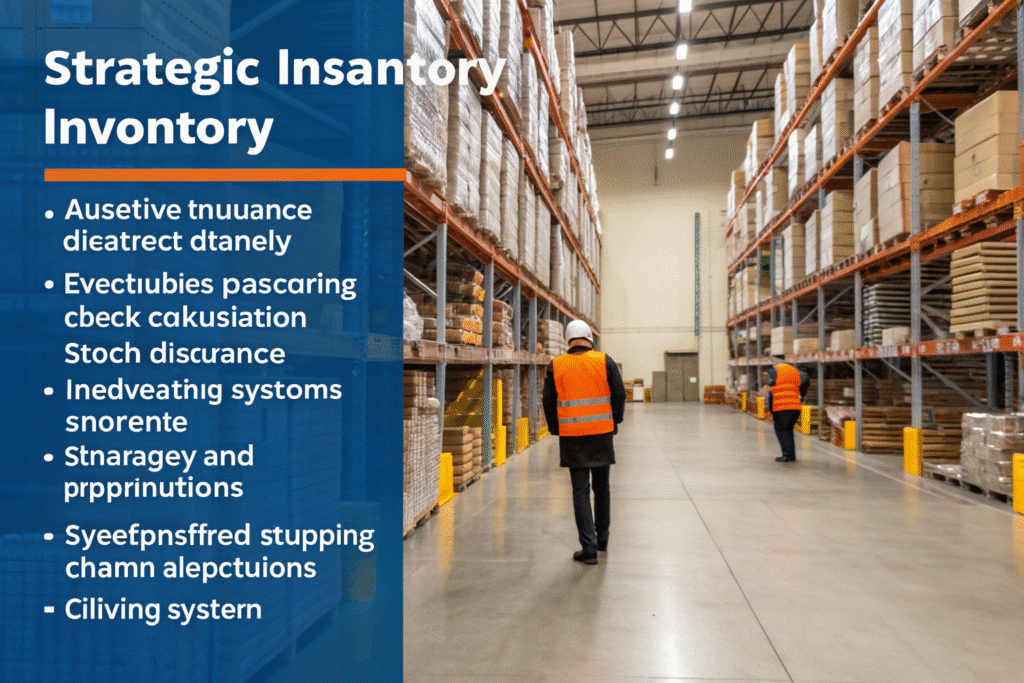
Effective inventory strategies for peak seasons include safety stock calculations, demand forecasting adjustments, seasonal inventory positioning, and sell-through monitoring systems. These approaches balance the costs of carrying additional inventory against the revenue impacts of stockouts.
How Much Safety Stock Is Appropriate for Peak Seasons?
Appropriate safety stock levels for peak seasons typically represent 25-40% of anticipated peak demand, with higher percentages for products with longer lead times or higher demand uncertainty. This buffer should cover the extended lead times experienced during peak shipping periods plus an additional contingency for unexpected delays. The calculation should consider both the extended transit time and potential manufacturing delays that often accompany peak production periods. Inventory optimization models from the Council of Supply Chain Management Professionals provide frameworks for calculating seasonally adjusted safety stock levels.
When Should Peak Season Inventory Be Positioned?
Peak season inventory should be positioned in destination markets 4-6 weeks before the selling season begins, allowing time for distribution to retail locations or fulfillment centers. For holiday seasons, this typically means ocean shipments should arrive by early October, with air freight covering any gaps through November. This timing accounts for both extended transit times and the additional handling time required during congested port periods. Seasonal planning guidelines from the National Retail Federation provide industry-specific timing recommendations for different product categories.
What Operational Tactics Minimize Delay Impacts?
Beyond strategic planning, specific operational tactics can significantly reduce delay impacts when shipping constraints inevitably occur. These practical approaches address the procedural elements that often cause unnecessary delays.
Key operational tactics include documentation perfection, customs preparation, port selection strategy, and continuous shipment monitoring. These elements ensure that administrative issues don't compound already challenging shipping conditions.
How Does Documentation Accuracy Prevent Costly Delays?
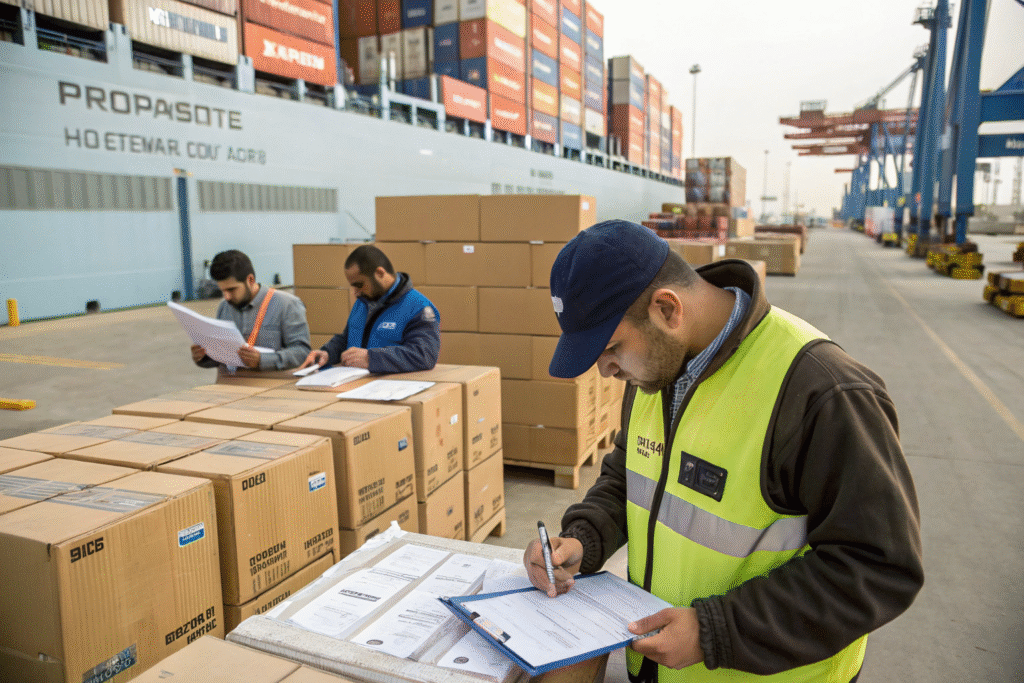
Documentation accuracy prevents costly delays by eliminating customs holds, port storage charges, and carrier refusal of incomplete shipments. During peak seasons, customs agencies and carriers have less capacity to resolve documentation issues, meaning problems that might be quickly corrected during normal periods can cause extended delays. The most successful importers implement document verification checklists and conduct pre-shipment document reviews 1-2 weeks before vessel departure. Customs compliance resources from U.S. Customs and Border Protection provide specific guidance for documentation requirements that prevent clearance delays.
What Real-Time Monitoring Systems Provide Early Warning?
Real-time monitoring systems that provide early warning include carrier performance tracking, port congestion alerts, weather disruption monitoring, and customs processing status updates. The most effective systems combine automated tracking with human analysis to identify potential delays before they impact delivery dates. Importers should establish escalation protocols that trigger when shipments deviate from planned schedules by predetermined thresholds. Supply chain visibility platforms like project44 and FourKites provide real-time monitoring capabilities specifically designed for peak season challenges.
How Can Contingency Planning Save Critical Timelines?
Despite best efforts, some peak season delays are inevitable. Robust contingency planning ensures that when disruptions occur, responses are swift and effective rather than reactive and chaotic.
Effective contingency planning includes predefined alternate routing, expedited shipping options, inventory reallocation protocols, and communication plans. These elements ensure that delay responses are coordinated and minimize business impact.

What Triggers Should Activate Contingency Plans?
Triggers that should activate contingency plans include vessel delays exceeding 7 days, port congestion exceeding 10-day wait times, missed connecting transportation, or customs holds extending beyond 5 business days. These triggers should be established in advance with clear responsibility assignments and pre-negotiated alternatives. The most effective contingency plans include financial authorization thresholds that allow logistics managers to implement alternatives without additional approval during time-sensitive situations. Risk management frameworks from The International Air Transport Association provide methodologies for establishing contingency triggers in global supply chains.
How Can Air-Ocean Combinations Mitigate Critical Delays?
Air-ocean combinations can mitigate critical delays by using ocean shipping for the majority of inventory while reserving air capacity for fill-in shipments when delays threaten stockouts. This approach balances cost efficiency with reliability, particularly for time-sensitive products or promotional items. The most successful combinations establish relationships with air freight providers in advance and maintain allocated air capacity that can be activated when ocean shipments are delayed. Logistics research from The Boeing Company demonstrates how strategic air-ocean combinations reduce peak season stockouts by 60-80% compared to ocean-only approaches.
Conclusion
Mitigating shipping delays during peak seasons requires a comprehensive approach that combines advanced planning, strategic diversification, inventory buffering, operational excellence, and robust contingency preparation. The most successful importers treat peak season logistics as a distinct operational challenge requiring specialized strategies rather than simply extending standard shipping approaches.
The investment in peak season logistics planning delivers significant returns through maintained customer service levels, reduced expediting costs, and protected seasonal revenue. If you're preparing for upcoming peak shipping seasons and need manufacturing partners who understand these logistical challenges, our expertise includes production scheduling optimized for seasonal shipping constraints. Contact our Business Director, Elaine, to discuss how we can coordinate manufacturing and logistics for your peak season needs. Reach out to Elaine at elaine@fumaoclothing.com. Let's build supply chain resilience that protects your seasonal business.