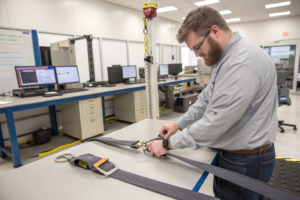
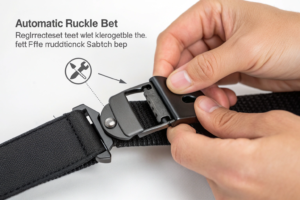
The global supply chain for belt manufacturing involves multiple handoffs, complex logistics, and inherent quality variances that can result in defective products reaching customers. For brands and retailers, negotiating protective liability terms before production begins represents one of the most crucial yet challenging aspects of supplier management. The financial impact of defective shipments can devastate smaller businesses while damaging relationships with end customers.
Negotiating liability terms for defective belt shipments requires understanding industry standards, clearly defining defect classifications, establishing inspection protocols, determining cost responsibility allocations, and implementing continuous improvement mechanisms. Successful negotiations balance protection for the buyer with fairness to the supplier, creating partnerships that share responsibility for quality rather than simply transferring risk. The most effective agreements prevent disputes through clarity rather than relying on penalty enforcement.
With proper preparation and strategic negotiation, brands can establish liability frameworks that protect their interests while maintaining positive supplier relationships essential for long-term success in the fashion accessories market.
What Defect Classifications Should Be Defined?
Clear, specific defect classifications form the foundation of effective liability negotiations, preventing disputes through mutual understanding rather than retrospective argument.
How Should Major Versus Minor Defects Be Distinguished?
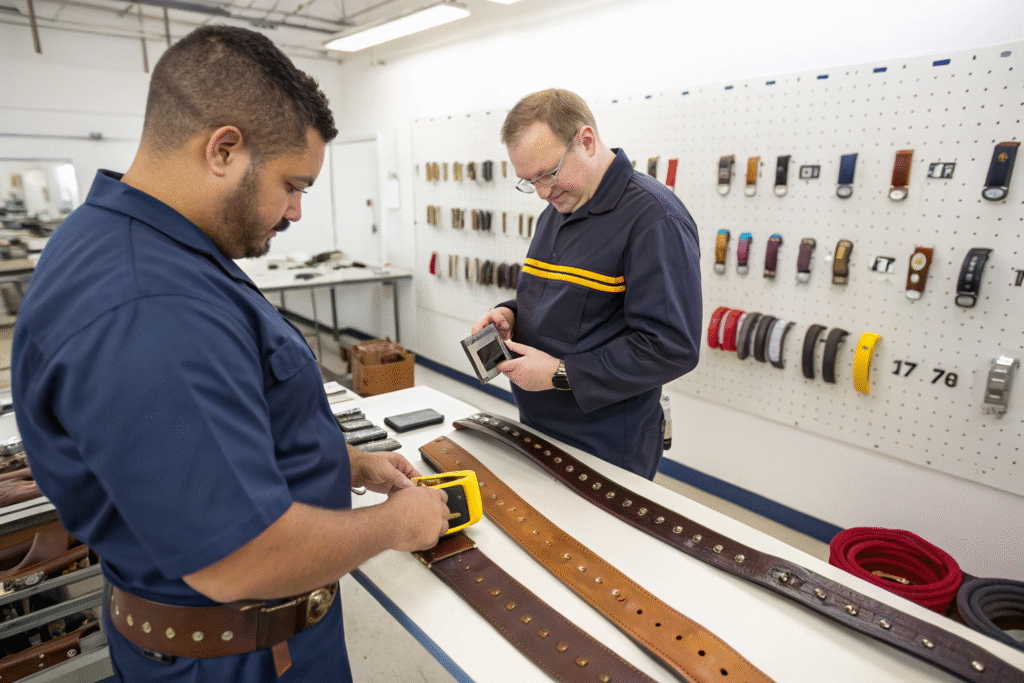
Establishing clear defect classification standards prevents disputes about what constitutes a legitimate claim. Major defects typically include structural issues that render belts unusable or unsafe—broken buckles under normal tension, stitching that fails minimal strength requirements, or materials that crack during initial flexibility testing. Minor defects encompass cosmetic issues that don't affect functionality—slight color variations, minor stitching irregularities, or acceptable grain variations in natural leather.
The most effective classification systems include photographic standards and physical reference samples that both parties agree upon before production begins. These references should cover common issues specific to belt types: acceptable versus unacceptable leather grain for full-grain products, tolerance ranges for color matching between components, and performance standards for different buckle mechanisms. This pre-production alignment ensures inspections yield consistent results regardless of which party conducts them.
What Role Do Industry Standards Play in Defect Definition?
Referencing established industry standards and testing protocols provides objective frameworks for defect determinations. For leather belts, ASTM D1611 standard practice for testing leather finish adhesion offers measurable criteria for finish quality, while ASTM D2208 tests fastness to light for color retention. Synthetic materials may reference ISO 15797 for industrial washing durability or specific abrasion resistance standards relevant to intended use.
Incorporating these standards by reference in supply agreements elevates defect determinations from subjective opinions to measurable compliance issues. The most comprehensive agreements specify which standards apply to which components and materials, recognizing that a single belt incorporates multiple materials with different relevant standards. This specificity prevents suppliers from arguing that minor component failures don't constitute legitimate defects because they don't affect the entire product.
How Should Inspection Rights Be Structured?
Strategic inspection protocols balance the buyer's need for quality assurance with practical manufacturing and logistical realities.

What Multi-Stage Inspection Approach Works Best?
Implementing three-stage inspection protocols catches defects at the most cost-effective points: raw material inspection before cutting, during-production checks before final assembly, and pre-shipment random sampling. This approach prevents the sunk cost of manufacturing completed defective products while providing multiple opportunities for correction before shipment. Each stage should have clearly defined checkpoints, sample sizes, and acceptance criteria.
The most effective inspection rights include provisions for increased scrutiny when quality issues emerge. This might involve escalating from standard AQL (Acceptable Quality Level) sampling to tightened inspection or even 100% checking when defect rates exceed predetermined thresholds. These provisions create automatic responses to quality deterioration rather than requiring renegotiation during crisis situations, protecting both parties' interests through predefined protocols.
How Can Inspection Costs Be Fairly Allocated?
Balancing inspection cost responsibility requires recognizing that both parties benefit from quality assurance. Typically, buyers bear costs for standard pre-shipment inspections, while suppliers cover expenses related to correcting verified defects and subsequent re-inspection. This allocation incentivizes suppliers to maintain quality to avoid additional costs while ensuring buyers don't face financial barriers to necessary quality verification.
The most equitable agreements include provisions for shared funding of independent third-party inspections when disputes arise about defect classifications. This approach ensures neutral assessment without placing financial burden disproportionately on either party. Some agreements establish escrow accounts for this purpose, with both parties contributing equally to a dispute resolution fund that covers independent inspection costs when mutual agreement cannot be reached.
What Cost Responsibility Frameworks Protect Both Parties?
Equitable cost allocation for defective products recognizes shared interests in quality while establishing clear financial responsibility boundaries.

How Should Direct Versus Consequential Costs Be Handled?
Distinguishing between direct and consequential damages creates fair liability boundaries in supply agreements. Direct costs typically include replacement product manufacturing, return shipping, and inspection expenses—costs directly tied to addressing the defective products themselves. Consequential damages encompass broader business impacts like lost sales, customer compensation, and reputational harm, which are more difficult to quantify and potentially unlimited.
Most suppliers reasonably accept responsibility for direct costs associated with verified defects but resist open-ended liability for consequential damages. The most successful negotiations establish caps on total liability (often tied to order value) while creating specific processes for documenting and validating legitimate consequential damages in extreme circumstances. This balanced approach protects buyers from significant losses while preventing suppliers from facing existential threats from single quality failures.
What Cost Sharing Models Encourage Partnership?
Progressive cost-sharing models recognize that quality issues often have complex causes rather than simple fault assignments. Tiered approaches might have suppliers covering 100% of costs for defects traced to clear manufacturing errors, shared responsibility for issues with ambiguous causes, and buyer responsibility for problems resulting from unclear specifications or last-minute changes. This nuanced approach encourages collaborative problem-solving rather than defensive positioning.
The most advanced agreements include continuous improvement provisions where both parties invest in preventing recurrence of quality issues. This might involve joint funding of equipment upgrades, process improvements, or staff training identified as solutions to recurring defects. This partnership approach transforms liability management from backward-looking fault assignment to forward-looking quality enhancement, creating shared value beyond simple risk transfer.
How Can Dispute Resolution Processes Prevent Conflict?
Establishing clear processes for addressing quality issues before they arise prevents minor disagreements from escalating into major conflicts.
What Escalation Protocols Ensure Timely Resolution?
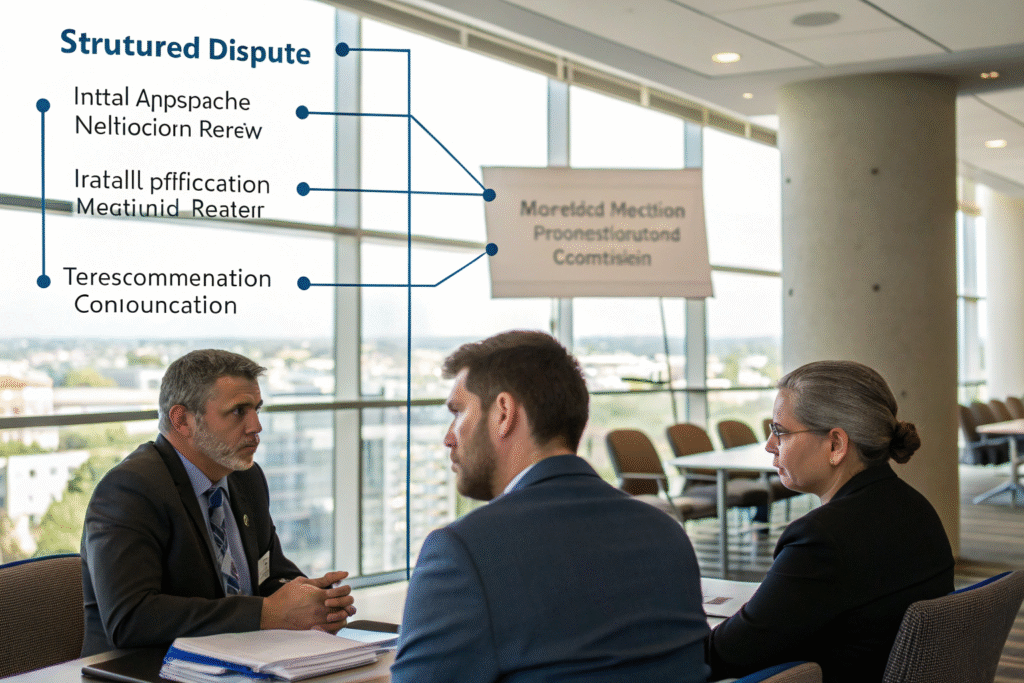
Effective dispute escalation protocols create predictable pathways for resolving quality disagreements. The most successful frameworks begin with technical-level review between quality teams, progress to operational management involvement if unresolved, and only escalate to senior leadership as a last resort. Each stage has defined timeframes for response and resolution, preventing delays that exacerbate financial impacts.
These protocols should include clear requirements for supporting evidence at each stage, such as inspection reports, photographic documentation, and testing results. This evidentiary standard ensures discussions focus on factual analysis rather than subjective opinions. The most effective agreements also include "cooling off" provisions where both parties commit to continued business operations during dispute resolution, preventing retaliatory actions that damage the broader relationship.
How Can Mediation Clauses Preserve Business Relationships?
Incorporating mandatory mediation clauses before litigation provides cost-effective conflict resolution while preserving business relationships. Specifying mediation administered by recognized organizations like the American Arbitration Association or International Chamber of Commerce ensures professional facilitation focused on practical solutions rather than legal positioning. The most effective clauses specify mediators with industry expertise who understand belt manufacturing specifics.
Successful mediation provisions include clear parameters about timing, location, cost sharing, and the mediation's binding or non-binding nature. Many agreements use a "mediation-then-arbitration" approach where mediation attempts resolution through negotiation, followed by binding arbitration if mediation fails. This layered approach resolves most disputes amicably while providing finality for intractable disagreements, avoiding the expense and relationship damage of litigation.
Conclusion
Negotiating liability terms for defective belt shipments requires balancing protection with partnership, establishing clear frameworks that prevent disputes through specificity rather than relying on penalty enforcement. The most successful agreements recognize that quality is a shared responsibility, creating processes that address issues collaboratively while establishing fair financial responsibility boundaries.
The evolving global supply chain demands increasingly sophisticated liability management that accounts for complex manufacturing processes, extended logistics, and varying quality expectations across markets. Brands that master these negotiations build resilient supply relationships that withstand inevitable quality challenges while maintaining positive partnerships essential for long-term success.
Ready to establish protective yet fair liability terms for your belt shipments? Contact our Business Director, Elaine, at elaine@fumaoclothing.com to discuss how our transparent quality management systems and collaborative approach to liability can create secure partnerships for your belt sourcing needs.